
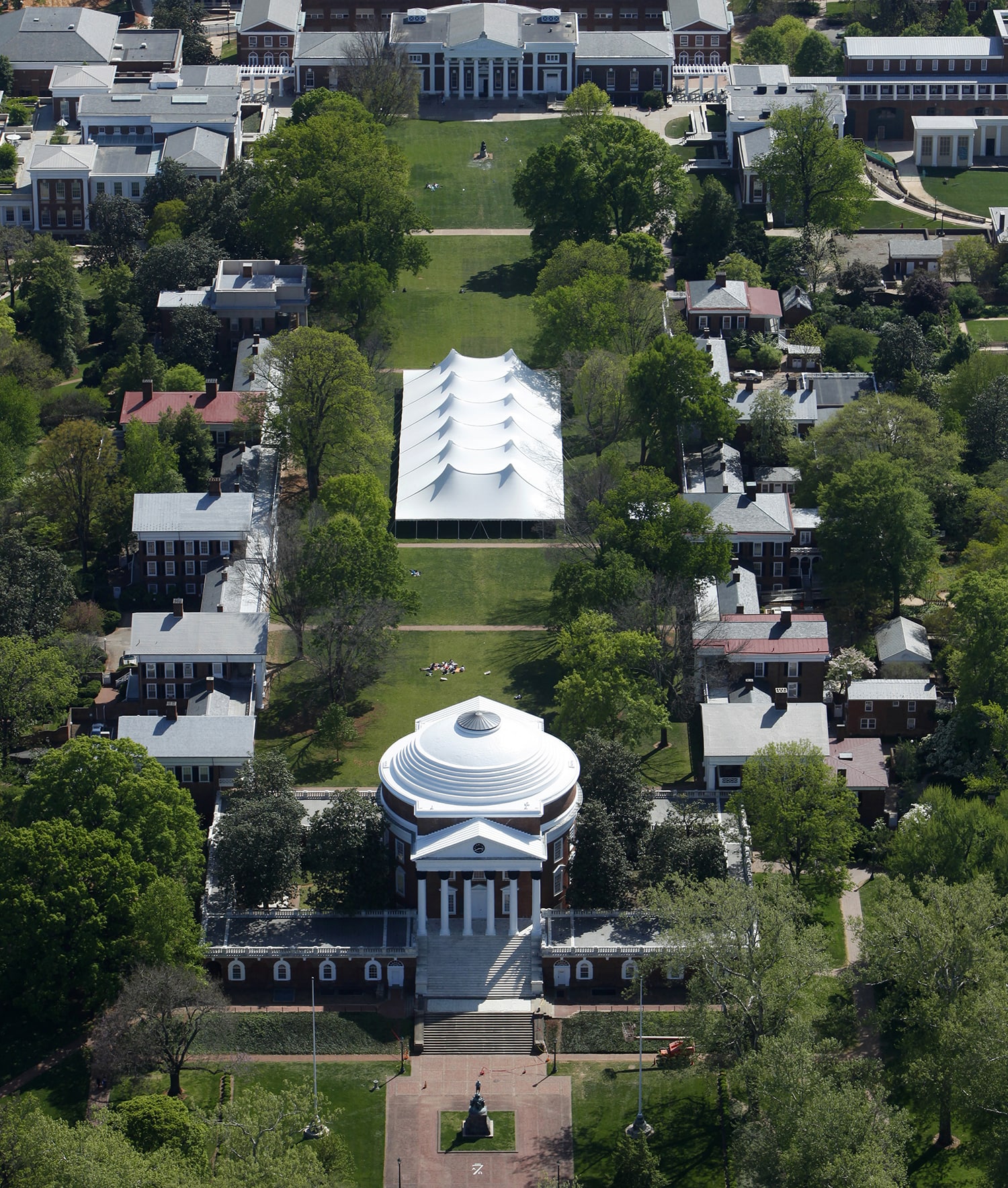
Selecting the right flooring for a corporate tent event plays a major role in guest comfort, event functionality, and overall presentation, making it an important consideration when planning summer corporate tent rentals. Flooring affects everything from safety and accessibility to acoustics, lighting, and climate control. Whether the event is a corporate gala, trade show, networking reception, or outdoor conference, the flooring system must support both the operational demands and the visual atmosphere of the event.
Outdoor venues present unique challenges that require durable and well-planned flooring solutions. Ground stability, weather conditions, guest capacity, and equipment loads all influence the type of flooring that should be installed. Understanding tent structures, flooring materials, and installation requirements helps event planners create a professional and efficient event environment.
Understanding Tent Structures and Flooring Requirements
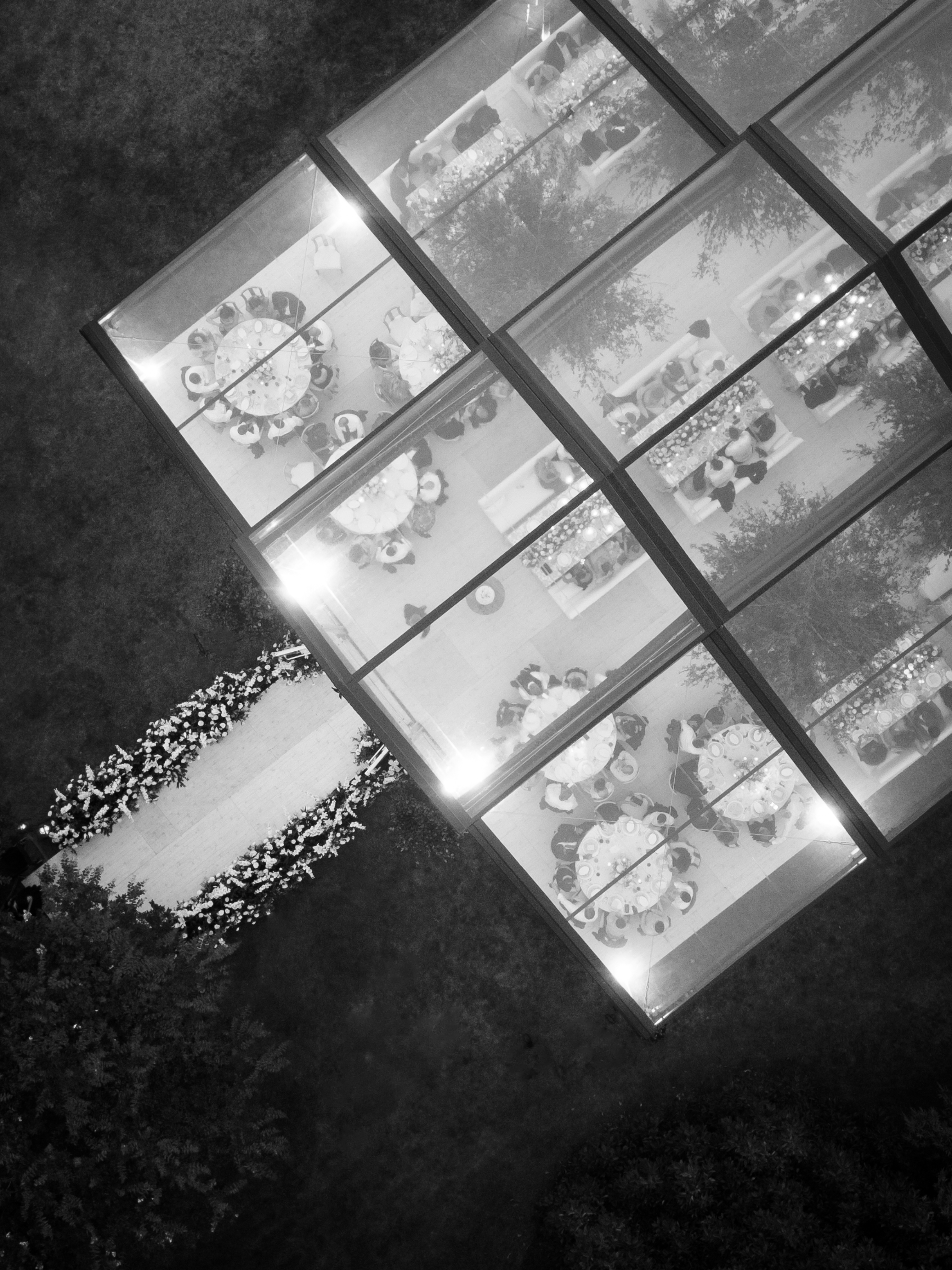
Different tent structures require different flooring approaches depending on the event design, expected attendance, and environmental conditions. Flooring systems must integrate properly with the tent architecture to maintain safety, stability, and guest comfort throughout the event. You may also find Creative Event Lighting Design Ideas for Tents helpful.
Choosing the correct tent structure early in the planning process improves flooring layout efficiency and simplifies installation logistics.
Clearspan, Frame, and Sailcloth Tent Structures
Clearspan tents are widely used for large corporate events because they provide open interior layouts without center poles or obstructions. These tents often require strong subfloor systems capable of supporting staging, AV equipment, and large guest capacities.
Frame tents are versatile and compatible with multiple flooring systems, making them suitable for a wide range of outdoor surfaces including grass, pavement, and gravel.
Sailcloth tents are often selected for upscale corporate receptions and gala events due to their elegant appearance and translucent fabric design, highlighting the appeal of sailcloth tent designs for premium outdoor events. Raised flooring platforms are commonly used beneath sailcloth tents to improve aesthetics and guest experience.
Important characteristics of major tent structures include:
- Clearspan tents offering large unobstructed interiors
- Frame tents adapting well to different ground surfaces
- Sailcloth tents creating upscale visual appeal
- Raised flooring improving stability and appearance
- Subfloor systems supporting heavy event equipment
Understanding these structural differences helps planners select flooring systems that align with operational and aesthetic goals.
Flooring Needs Based on Event Size and Function
The type of corporate event strongly influences flooring requirements. Trade shows often require durable modular flooring capable of supporting exhibitor booths and heavy foot traffic, while formal galas prioritize elegant finishes and guest comfort.
Conference events typically need stable flooring for AV equipment, seating arrangements, and staging systems. Event planners should also consider circulation paths, emergency exits, service corridors, and accessibility requirements when designing flooring layouts.
Proper planning ensures the flooring system supports both event functionality and guest movement efficiently.
Popular Flooring Materials for Corporate Tent Events
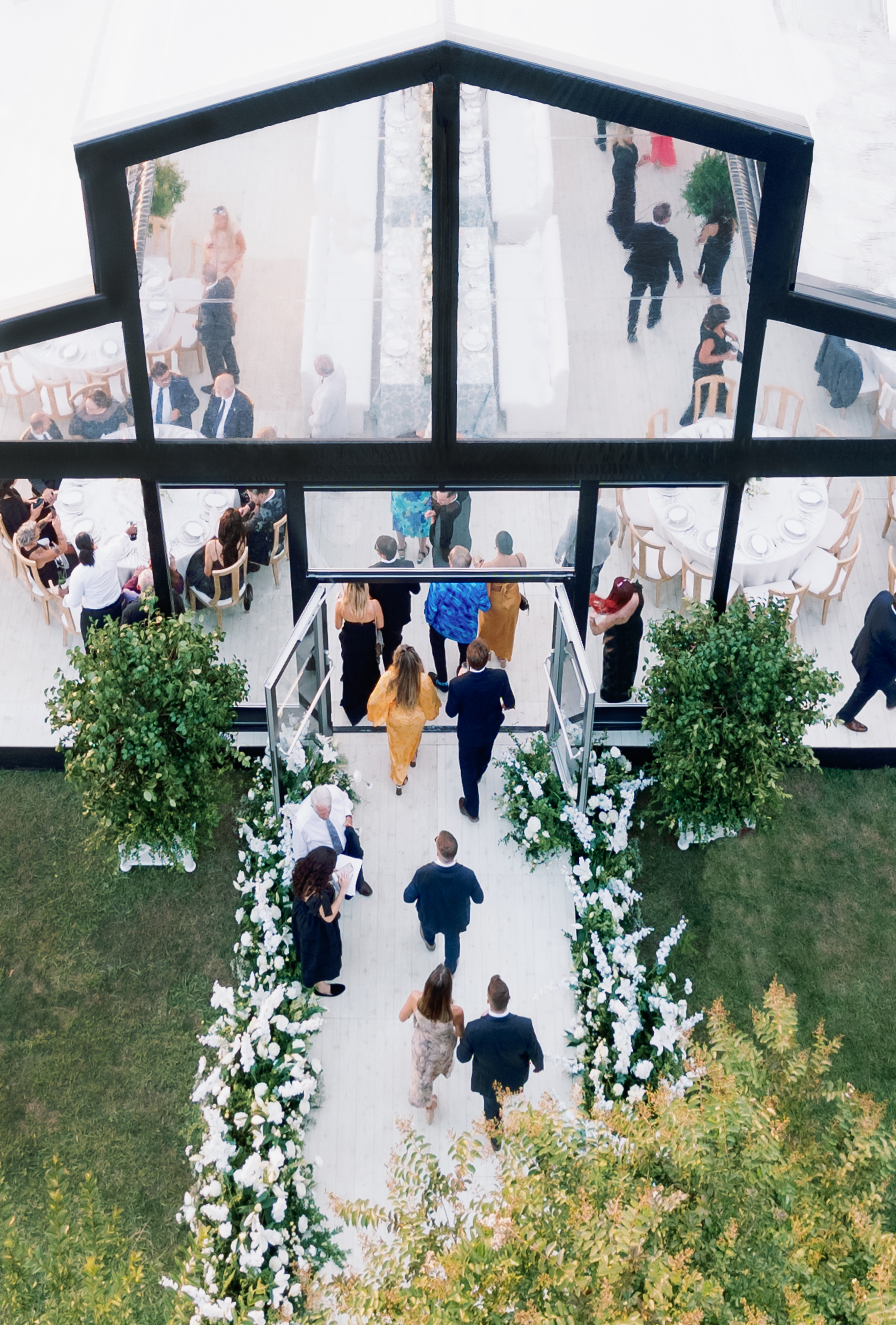
Tent flooring materials vary in appearance, durability, installation complexity, and performance under different environmental conditions. Choosing the right material helps improve both operational efficiency and attendee comfort.
Each flooring option offers advantages depending on the event type and site conditions.
Interlocking Tiles, Carpet, and Wood Panels
Interlocking tile systems are popular for temporary corporate events because they install quickly and provide durable support for heavy foot traffic. These modular systems also simplify replacement if damage occurs during the event.
Carpet flooring creates a polished and comfortable atmosphere suitable for formal receptions, conferences, and executive gatherings. It also improves acoustics by reducing noise levels inside the tent.
Wood panel flooring provides a premium appearance and a solid surface capable of supporting staging, dining furniture, and technical equipment. Raised wood flooring is especially effective for upscale outdoor events.
Common corporate flooring options include: We cover this further in Temporary Flooring Options for Outdoor Events.
- Interlocking tiles for high-traffic event spaces
- Carpet flooring for formal corporate environments
- Wood panels for premium outdoor event settings
- Raised flooring systems for uneven ground conditions
- Modular flooring for flexible event layouts
Selecting materials based on traffic levels and event function improves long-term performance and guest satisfaction.
Sustainable and Modular Flooring Solutions
Many event planners now prioritize sustainable flooring systems that reduce environmental impact while improving installation efficiency.
Reusable modular flooring panels lower material waste and simplify transportation and storage between events. Sustainable materials made from recycled components also support corporate sustainability goals and environmentally responsible event planning.
Modular flooring systems additionally allow for easier customization, rapid installation, and more flexible event layouts.
Best Practices for Tent Flooring Installation
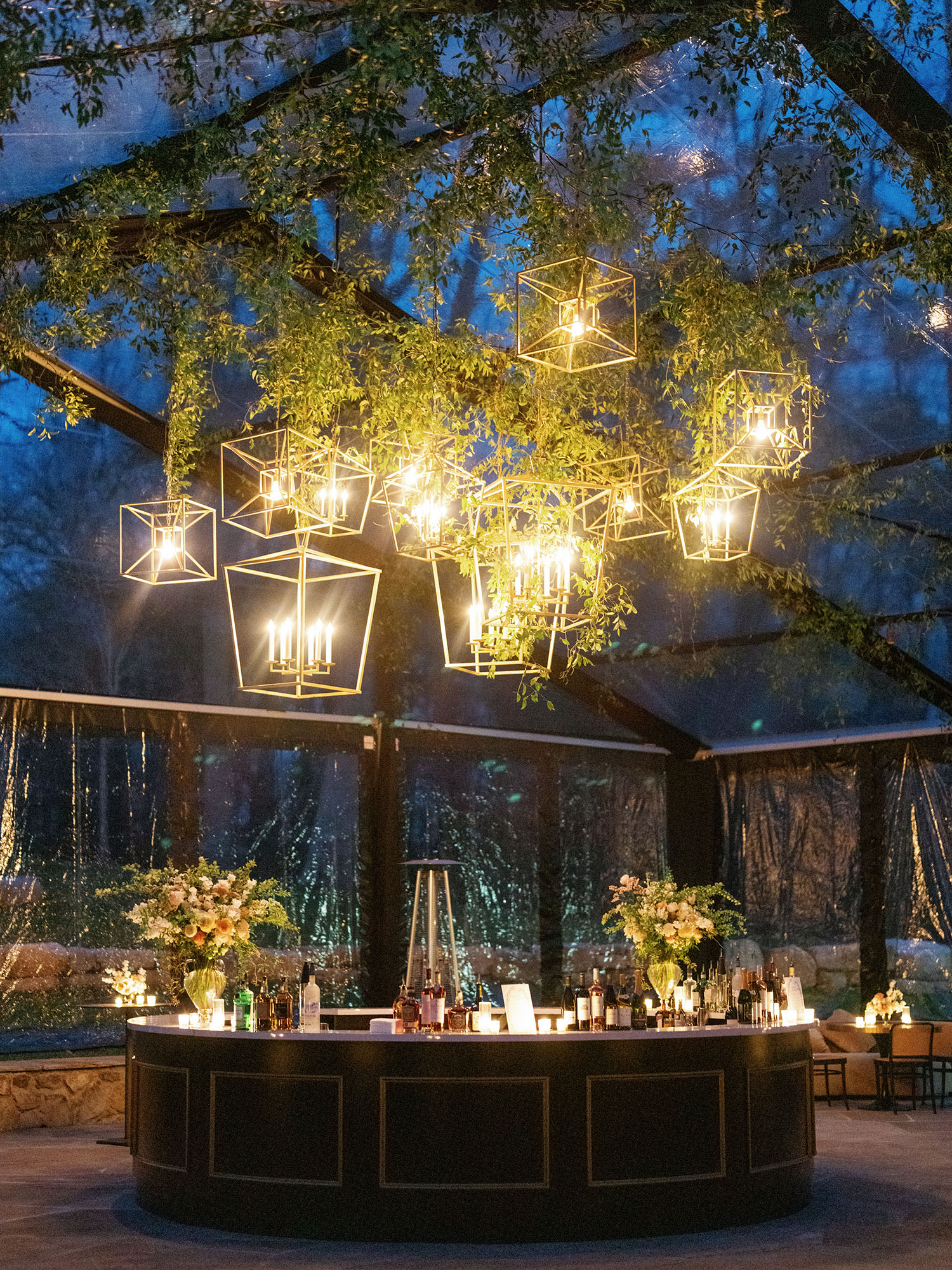
Proper flooring installation is essential for maintaining stability, safety, and long-term durability during corporate events. Poor installation can create trip hazards, uneven surfaces, drainage problems, and structural complications that affect both guests and event operations.
A detailed installation plan improves efficiency and reduces the likelihood of onsite issues.
Site Assessment and Ground Preparation
Every installation should begin with a full site assessment to evaluate terrain conditions, drainage, accessibility, and potential hazards. Uneven or soft ground may require additional stabilization before flooring materials are installed.
Ground preparation also includes clearing debris, establishing delivery routes, and planning storage areas for installation equipment and flooring materials.
Important site preparation steps include:
- Evaluating ground stability and drainage patterns
- Clearing debris and leveling uneven surfaces
- Planning access routes for installation crews
- Marking underground utilities and hazards
- Preparing staging areas for materials and equipment
Thorough preparation reduces installation delays and improves flooring performance during the event.
Step-by-Step Flooring Installation Process
Corporate tent flooring installations typically follow a structured sequence to ensure stability and safety.
The process begins with subfloor preparation and structural alignment before the final flooring material is installed. Proper seam alignment, edge finishing, and leveling are critical during this stage.
Final inspections should verify accessibility compliance, smooth transitions, and structural stability before the event opens to attendees.
Routine inspections during multi-day events also help identify maintenance needs before they become larger problems.
How Flooring Impacts Event Comfort and Atmosphere
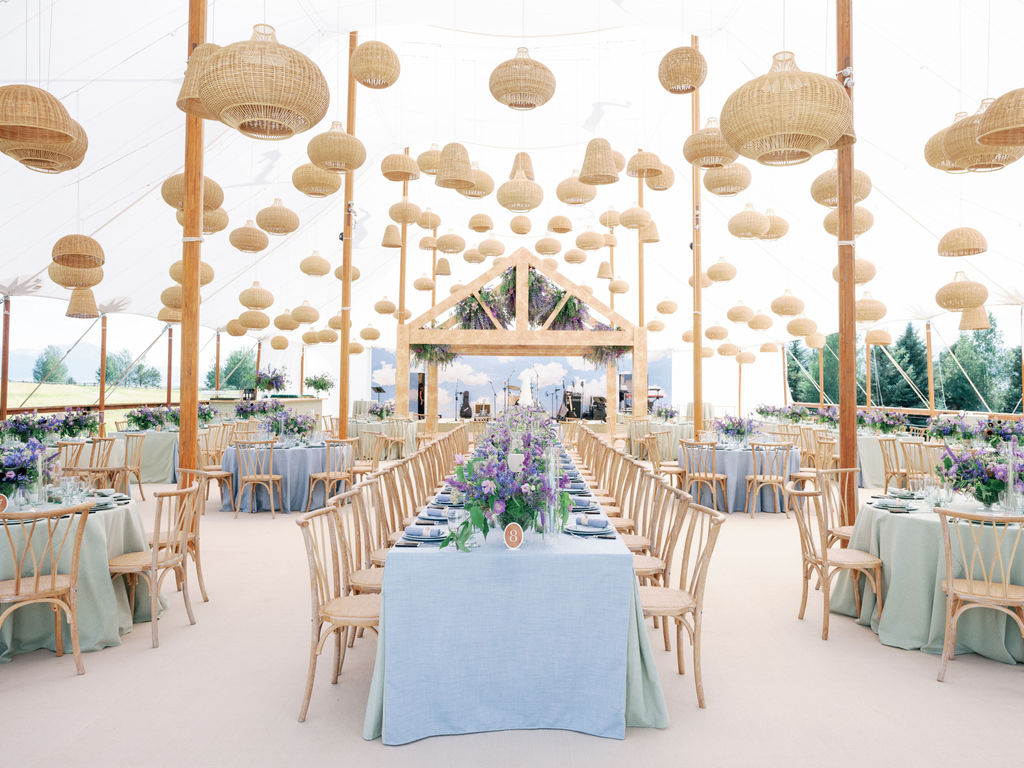
Flooring contributes significantly to the overall atmosphere and guest experience of a corporate event, especially when paired with thoughtful tent interior design trends that create a cohesive environment. Color, texture, acoustics, and thermal properties all affect how attendees interact with the environment.
Well-designed flooring systems improve comfort while enhancing visual presentation. We cover this further in Discover Event Flooring Options: What You Need to Know.
Lighting and Acoustic Performance
Flooring materials influence how light reflects throughout the tent. Light-colored or reflective surfaces can improve illumination, while darker carpeted finishes create a softer and more intimate atmosphere. You may also find Explore Transformative Tent Design Concepts for Fresh Looks helpful.
Acoustic performance is also affected by flooring selection. Carpet and cushioned materials absorb sound and reduce echo, improving speech clarity during presentations and conferences.
Important flooring performance considerations include:
- Reflective surfaces enhancing lighting distribution
- Carpet reducing noise and echo levels
- Insulated flooring improving climate comfort
- Textured finishes improving slip resistance
- Raised flooring supporting cable management systems
Balancing aesthetics with practical performance helps create a more functional event environment.
Climate Control and Guest Comfort
Outdoor events often require flooring systems that help regulate temperature and moisture conditions inside the tent.
Insulated flooring layers reduce heat transfer from the ground and improve guest comfort during colder conditions. Moisture-resistant flooring systems also help maintain dry and stable walking surfaces after rainfall or humidity exposure.
Ventilation and HVAC systems should coordinate with flooring layouts to ensure efficient airflow throughout the event space.
Managing High Guest Capacity and Event Logistics
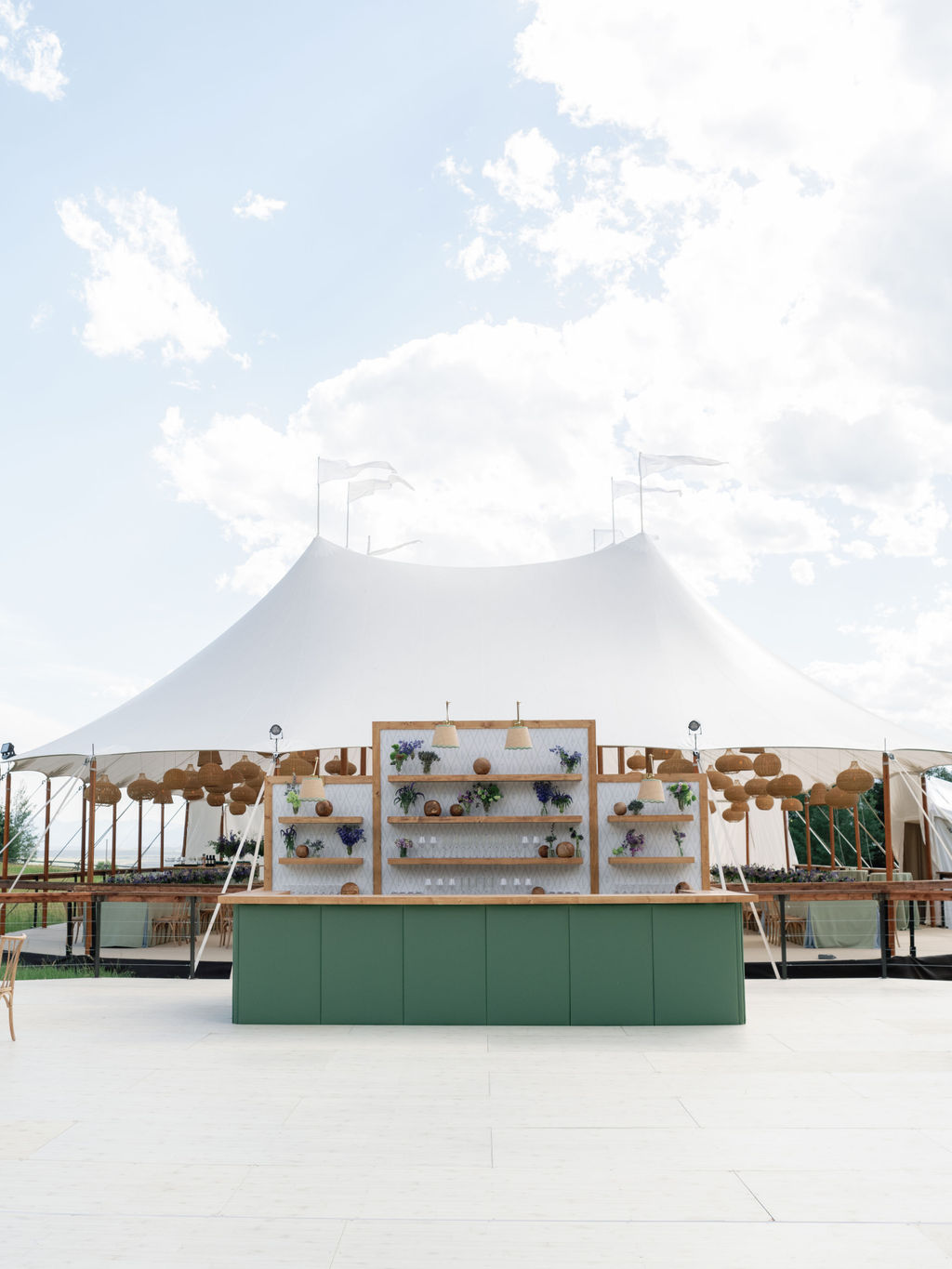
Corporate events with large attendance numbers place additional demands on flooring systems. Flooring must support heavy foot traffic, equipment loads, staging systems, and continuous service operations throughout the event. You may also find Ultimate Tent Flooring & Staging Options Guide helpful.
Strategic planning improves both safety and operational efficiency.
Flooring Solutions for High-Traffic Events
Large conferences, trade shows, and networking events require durable flooring capable of handling constant movement without shifting or deteriorating.
Traffic flow planning is especially important around entrances, registration areas, dining sections, and exhibitor zones.
Key high-capacity flooring considerations include:
- Durable materials supporting heavy foot traffic
- Clear circulation pathways throughout the venue
- Reinforced flooring beneath staging and equipment
- Slip-resistant surfaces near entrances and service areas
- Accessible transitions for wheelchairs and mobility devices
Proper layout planning reduces congestion and improves attendee movement during busy events.
Maintenance During Multi-Day Events
Multi-day corporate events require regular flooring maintenance to preserve appearance and safety standards.
Cleaning schedules, protective coverings, and rapid-response repair crews help minimize visible wear and prevent hazards from developing during the event.
Event planners should also maintain spare flooring materials onsite in case emergency replacements become necessary.
Routine monitoring ensures flooring remains stable and visually presentable throughout the event duration.
Choosing Flooring Based on Corporate Event Type
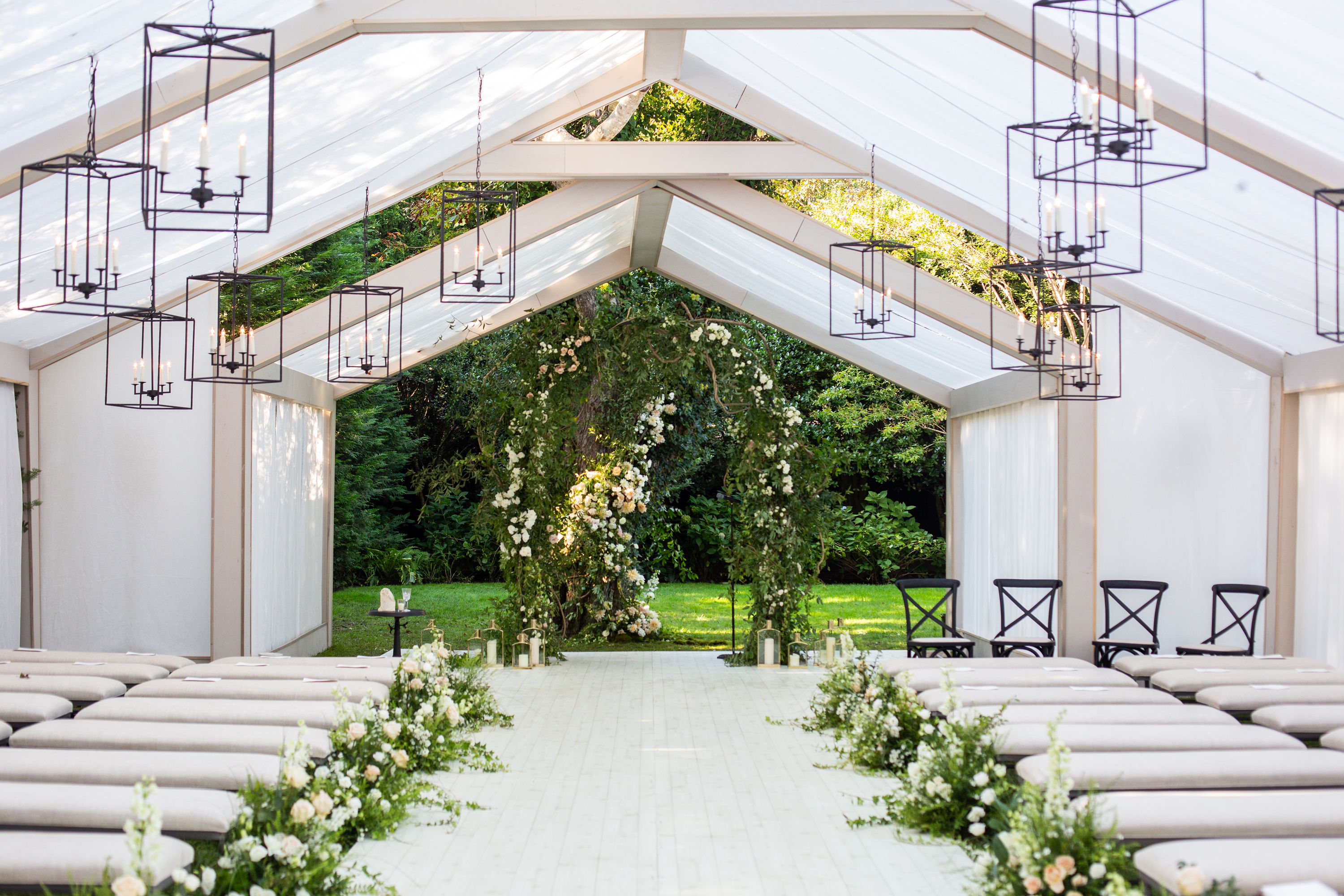
Different corporate events require flooring systems tailored to their specific operational and visual requirements. Matching flooring to the event function improves efficiency and guest experience.
Event objectives should guide flooring selection from the beginning of the planning process.
Flooring for Conferences, Galas, and Trade Shows
Conferences typically prioritize durability, flatness, and support for technical equipment such as AV systems and staging.
Galas focus more heavily on appearance, comfort, and upscale presentation, making carpet and wood flooring popular choices.
Trade shows require modular and flexible flooring systems capable of adapting to changing exhibitor layouts and high foot traffic conditions.
Important event-specific flooring priorities include:
- Conferences requiring stable technical support surfaces
- Galas emphasizing luxury finishes and comfort
- Trade shows prioritizing modular flexibility
- Networking events requiring smooth guest circulation
- Outdoor receptions benefiting from raised flooring systems
Matching flooring materials to event activities improves functionality and presentation quality.
Long-Term Operational Benefits of Proper Flooring Selection
Well-planned flooring systems reduce installation delays, improve guest comfort, and simplify maintenance throughout the event lifecycle.
They also support better safety compliance, stronger branding opportunities, and more efficient technical integration for lighting, power, and climate control systems.
Professional flooring planning helps reduce unexpected operational problems during high-profile corporate events.
Frequently Asked Questions
What is the best flooring option for outdoor corporate events?
The best option depends on the event type, guest capacity, and site conditions, but modular flooring and raised wood panels are popular choices. We cover this further in Exploring Tent Flooring Options: Choose the Best for Your Outdoor Event.
Why is raised flooring important for tent events?
Raised flooring improves stability, moisture protection, accessibility, and overall event presentation.
How does flooring affect guest comfort?
Flooring influences temperature control, walking comfort, acoustics, and overall event atmosphere.
What flooring works best for high-traffic corporate events?
Interlocking modular flooring systems are highly durable and well-suited for heavy foot traffic.
Conclusion
Corporate tent flooring plays a critical role in event functionality, guest comfort, and overall presentation quality. From selecting the right tent structure to choosing durable flooring materials and implementing proper installation practices, every detail contributes to a safer and more successful event environment.
For premium event infrastructure and professional outdoor flooring solutions, Skyline Tent Company provides expert guidance, luxury tent rentals, and customized flooring systems designed for sophisticated corporate events. For inspiration from past installs, browse our tent gallery.