Delivering a memorable corporate event requires more than just selecting a venue. Custom tent layouts provide the flexibility to design a fully controlled environment that supports both operational efficiency and a refined guest experience. From layout planning to infrastructure integration, every detail contributes to how the event is perceived and executed.
Unlike traditional venues, tented environments allow planners to build the space around the event itself, which is one of the key advantages of summer corporate tent rentals. This ensures that circulation, sightlines, branding, and technical systems work together seamlessly. When properly designed, a corporate tent does not feel temporary. It functions as a purpose-built venue that reflects professionalism, precision, and brand identity.
Design Principles for Effective Corporate Tent Layouts
Establishing a strong foundation in design principles is essential for creating corporate tent layouts that are both functional and inviting. These principles guide every decision, from spatial organization to aesthetic choices, ensuring the event space meets the needs of guests and organizers alike. Thoughtful design also anticipates potential challenges and incorporates solutions that enhance the overall experience.
Planning Circulation and Guest Movement
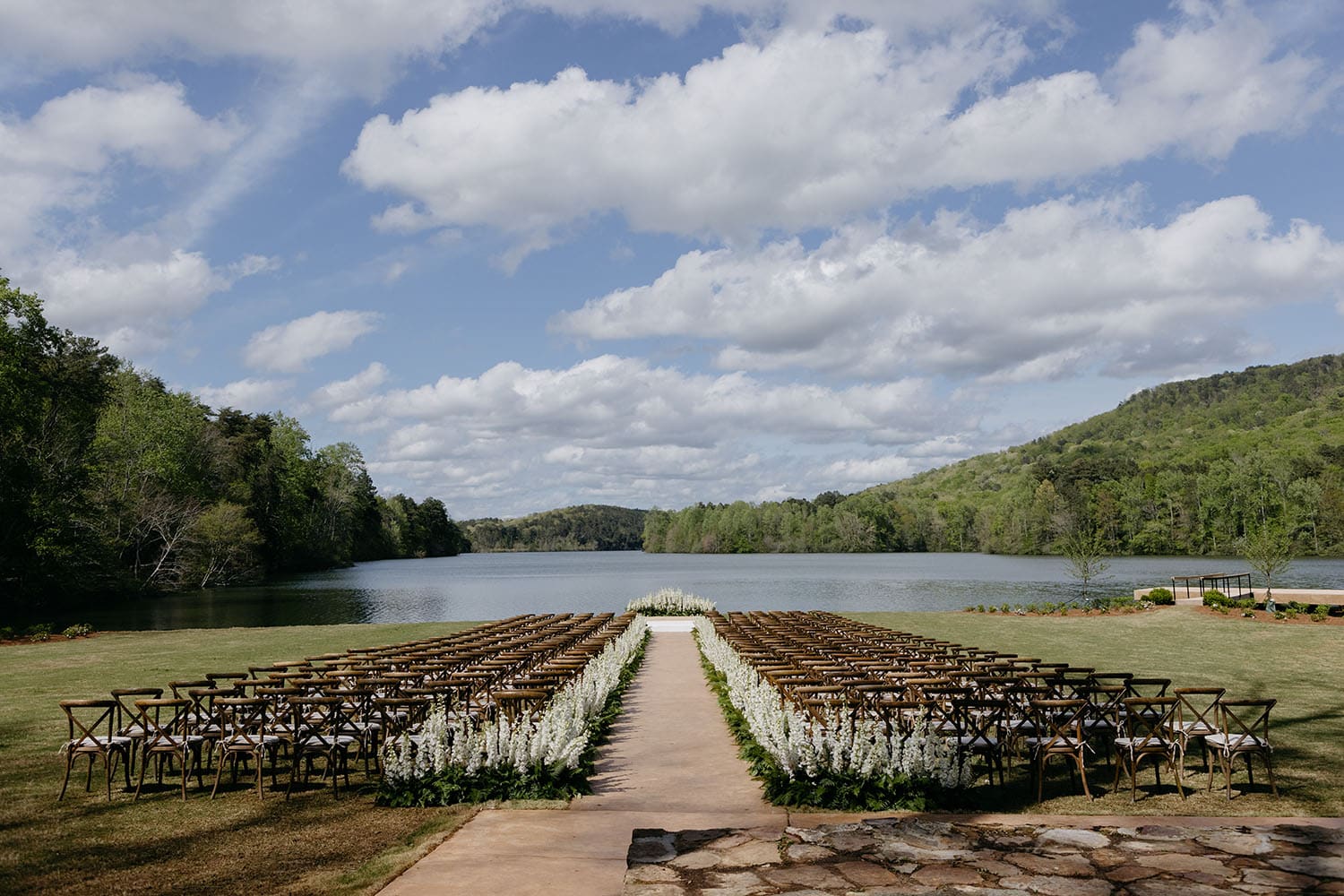
Every successful layout begins with movement. Guests should be able to navigate the space intuitively, without congestion or confusion. Entry points, pathways, and high-traffic areas must be positioned in a way that distributes flow evenly. Consideration of emergency exits and accessibility requirements is also critical to ensure safety and inclusivity.
Movement should feel natural rather than directed. When circulation is planned effectively, guests can transition between activities without interruption, and the event maintains a steady rhythm from start to finish. Incorporating visual cues and clear signage further supports smooth navigation throughout the space.
Creating Functional Zones With Purpose
Dividing the tent into purposeful zones brings structure to the event while maintaining a cohesive atmosphere. These zones should support the program without feeling isolated from one another. Each zone can be tailored to specific functions such as dining, presentations, or networking, enhancing the overall flow.
A balanced layout allows guests to move between areas seamlessly. Subtle design transitions such as lighting changes or furniture placement help define each zone while preserving visual continuity. This approach keeps the environment organized while still feeling open and connected. Incorporating flexible furniture arrangements can also accommodate varying group sizes and activities.
Luxury Tent Rental Options for Corporate Events
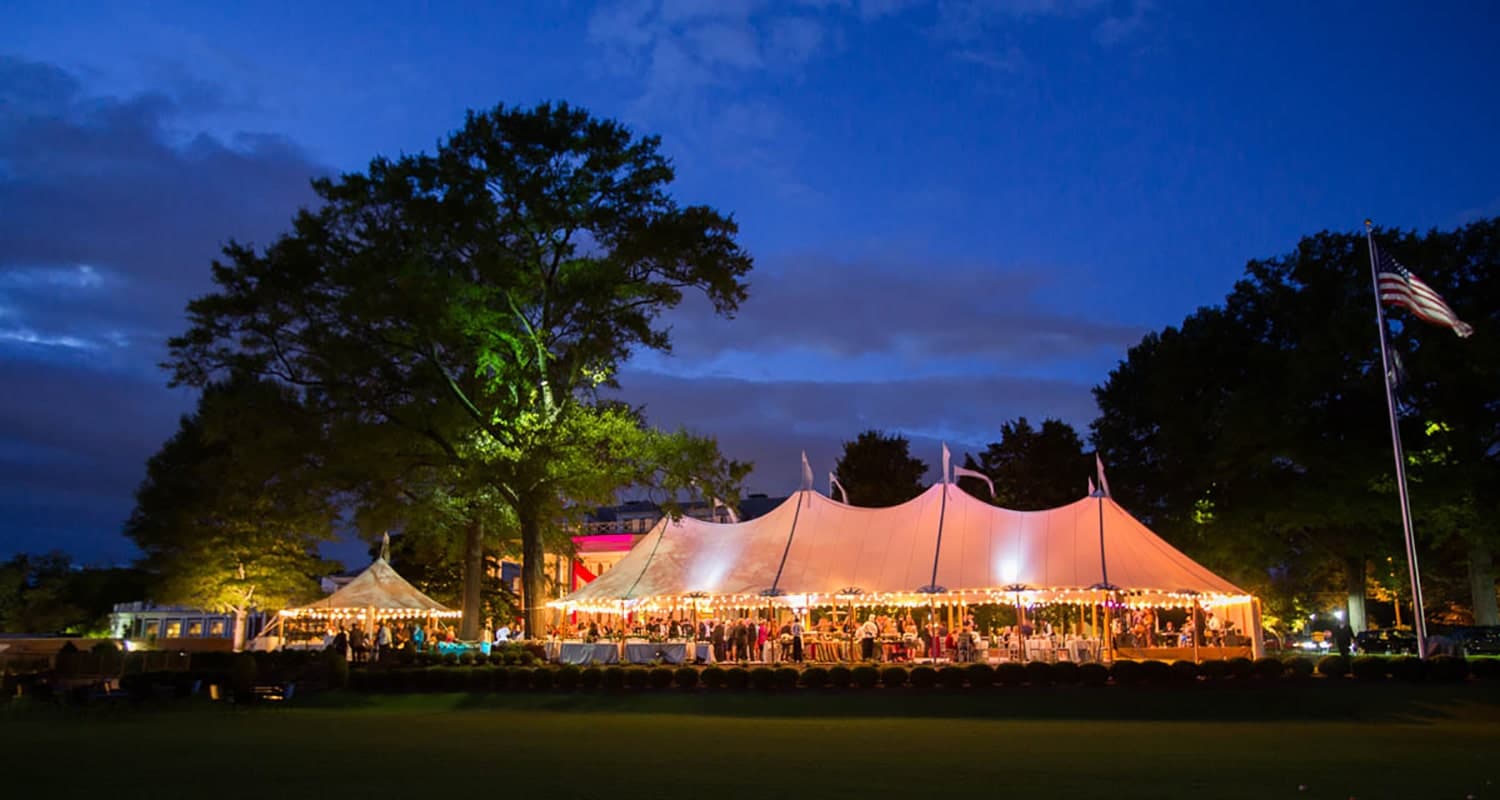
Choosing the right luxury tent rental can elevate a corporate event by combining style, comfort, and practicality. Understanding the available options helps planners select a tent that complements the event’s scale and ambiance. The choice of tent can also influence the event’s branding and guest perception.
Understanding Different Tent Types
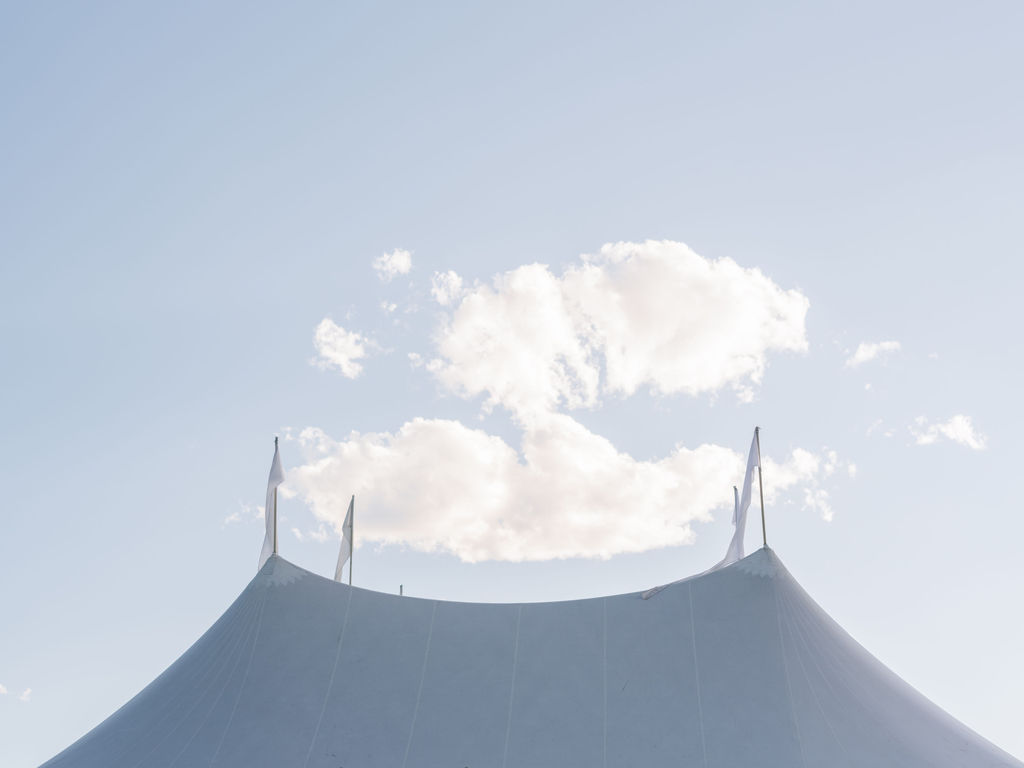
Different tent structures offer different advantages, and selecting the right one depends on how the event is intended to function. Clearspan tents provide open interiors that support large-scale layouts and technical setups, making them ideal for creating custom tent layouts tailored to specific event objectives. Frame tents offer flexibility for sites with constraints, while sailcloth and clear-top tents enhance atmosphere and visual appeal. Each type also varies in setup time and cost, which should be factored into planning.
Each structure influences both design possibilities and operational performance. The goal is to select a tent that supports the event’s needs rather than limiting them. Considering weather conditions and site characteristics is also essential when choosing the appropriate tent type.
Customization and Branding Opportunities
Customization allows the tent to reflect corporate identity in a refined and cohesive way. Instead of relying on generic setups, planners can shape the environment to align with brand messaging and event goals. This creates a memorable experience that reinforces the company’s image.
Strategic customization elements include:
- Branded graphics and subtle signage integration
- Coordinated lighting and color schemes
- Tailored interior finishes and draping
When these elements are aligned, the space feels intentional and consistent rather than assembled. Incorporating interactive brand elements can further engage attendees and enhance recognition.
Flooring and Interior Infrastructure Planning
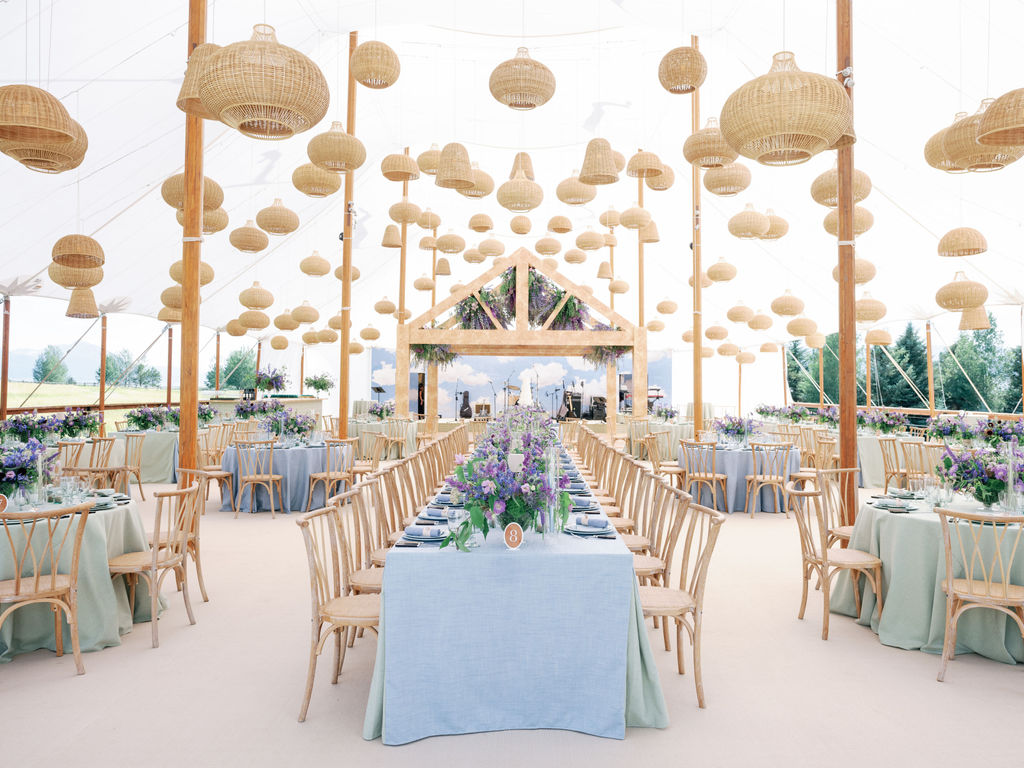
Flooring and infrastructure are critical components that impact both the functionality and aesthetic appeal of a corporate tent. Thoughtful planning in these areas ensures a safe, comfortable, and visually cohesive environment. The choice of materials and installation methods can also affect the event’s timeline and budget.
Selecting the Right Flooring System
Flooring plays a key role in both comfort and presentation. It provides stability for guests and supports the overall design of the space. Durable and slip-resistant surfaces contribute to safety, especially in outdoor or uneven terrain.
The right flooring choice depends on terrain, event type, and expected usage. A well-installed surface ensures guests can move comfortably while maintaining a polished appearance throughout the event. Options range from temporary modular flooring to elegant hardwood finishes, each suited to different event styles.
Integrating Technical Infrastructure
Technical systems must be integrated early in the planning process to avoid disruption during installation. Power distribution, AV systems, and service access should all be incorporated into the layout. Coordination with technical teams ensures that equipment placement supports event programming.
Key infrastructure considerations include:
- Efficient cable routing that remains concealed
- Proper placement of AV control areas
- Accessible service paths for vendors
Early coordination ensures these systems function smoothly without affecting the visual quality of the space. Backup power solutions and contingency plans should also be included to mitigate potential technical issues.
Enhancing Guest Experience Through Strategic layouts
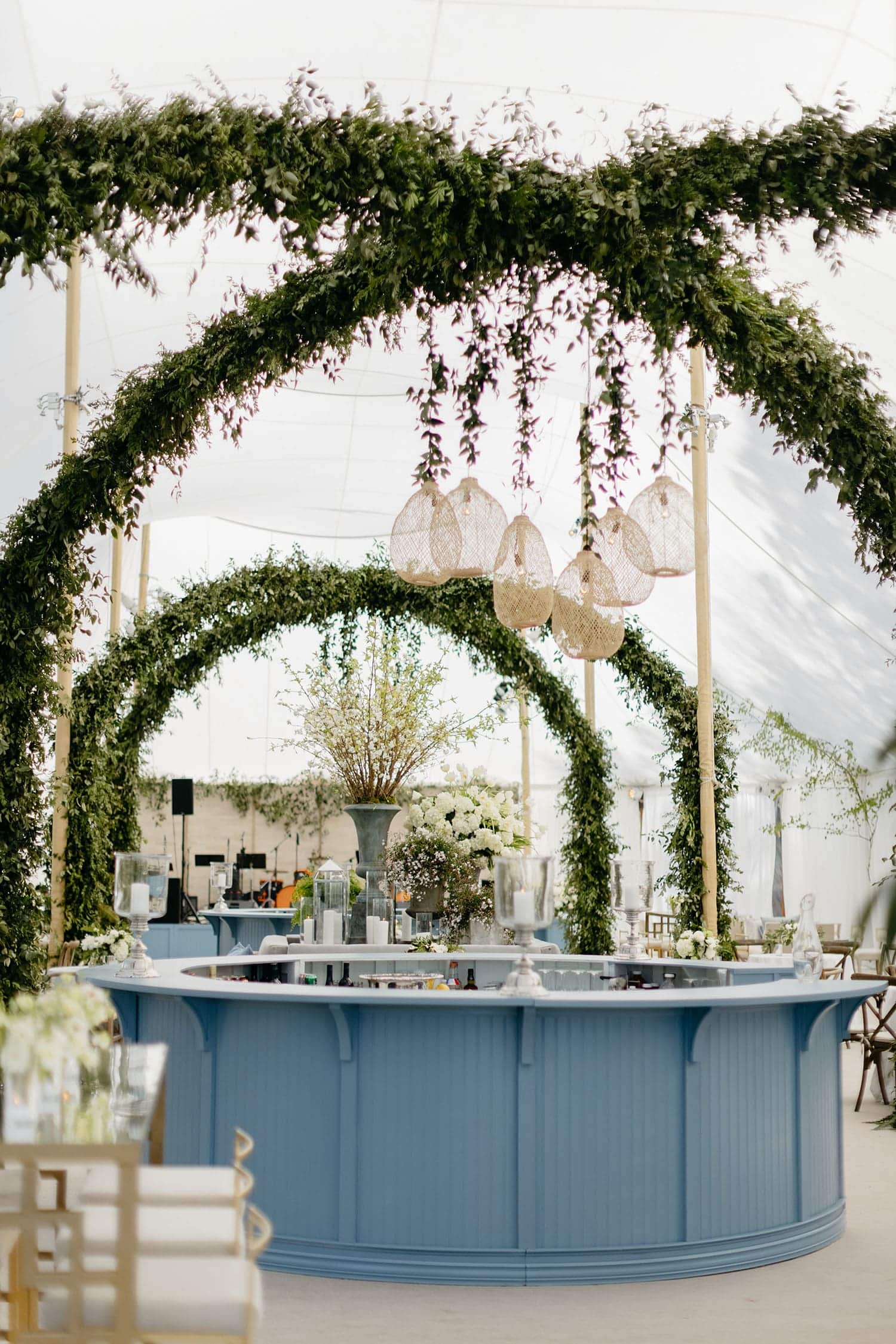
Enhancing the guest experience is at the heart of successful corporate events. Strategic design choices can foster engagement, comfort, and a memorable atmosphere that resonates with attendees. Attention to detail in every aspect contributes to a positive impression.
Incorporating Engagement and Interaction
Corporate events are most effective when they encourage participation. Design should support interaction without interrupting flow or structure. Creating inviting spaces for conversation and collaboration enhances networking opportunities.
Interactive elements such as networking areas or product displays can be integrated into the layout in a way that feels natural. These features should enhance the experience rather than compete with the overall environment. Incorporating technology such as touchscreens or virtual reality can also increase engagement.
Balancing Aesthetics With Functionality
A well-designed space must look refined while still performing efficiently. Visual appeal alone is not enough if the layout does not support movement, service, and engagement. Practical considerations ensure the event runs smoothly.
A balanced design approach ensures:
- Clear visibility for presentations
- Comfortable spacing between elements
- Smooth service operations
When aesthetics and function are aligned, the event feels effortless and well executed. Incorporating sustainable materials and energy-efficient solutions can also enhance the event’s appeal and responsibility.
Architectural Tent Structures and Their Benefits For Corporate Events
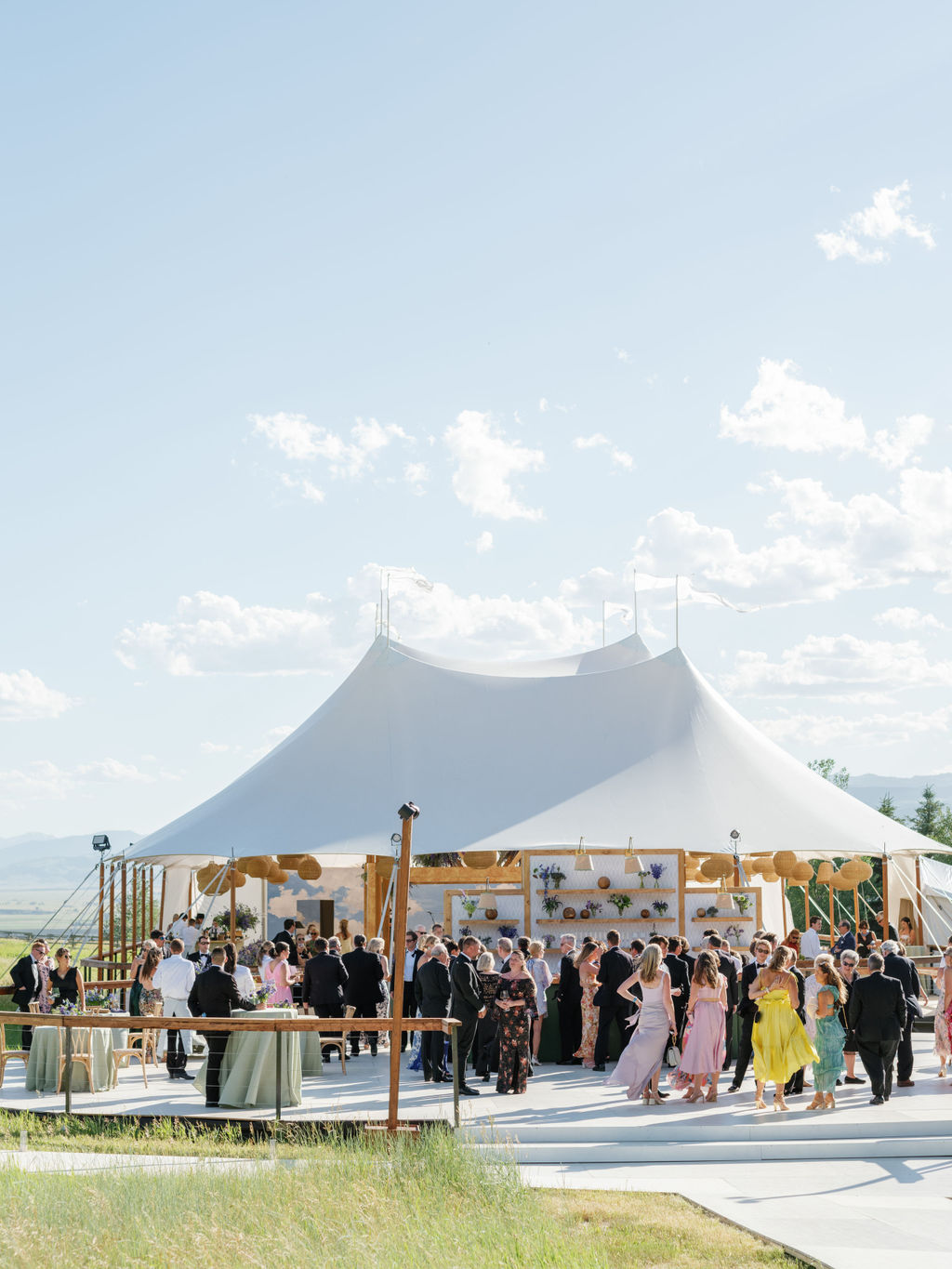
Understanding the architectural features of different tent structures helps in selecting the best option for specific event needs. Each structure offers unique benefits that can enhance the event’s success. Structural integrity and design flexibility are key factors.
Advantages of Clearspan Structures
Clearspan tents are often the preferred choice for large corporate events because they offer uninterrupted interior space. This allows planners to design layouts without structural limitations. Their robust construction supports heavy equipment and elaborate staging.
Benefits of clearspan structures include:
- Flexible layouts for multiple event functions
- Strong support for staging and technical installations
- Improved sightlines across the entire space
These features make them ideal for events that require both scale and precision. Their aesthetic versatility also allows for a wide range of decorative treatments.
Adaptability of Frame Tent Systems
Frame tents provide versatility for locations where traditional structures may not be practical. Their modular design allows them to adapt to different site conditions and layout requirements. They can be installed on various surfaces without the need for ground stakes.
This adaptability makes them suitable for a wide range of corporate events, particularly those held in environments with space or installation constraints. Their lighter weight and ease of assembly can reduce setup time and labor costs.
Optimizing Infrastructure for Outdoor Corporate Events
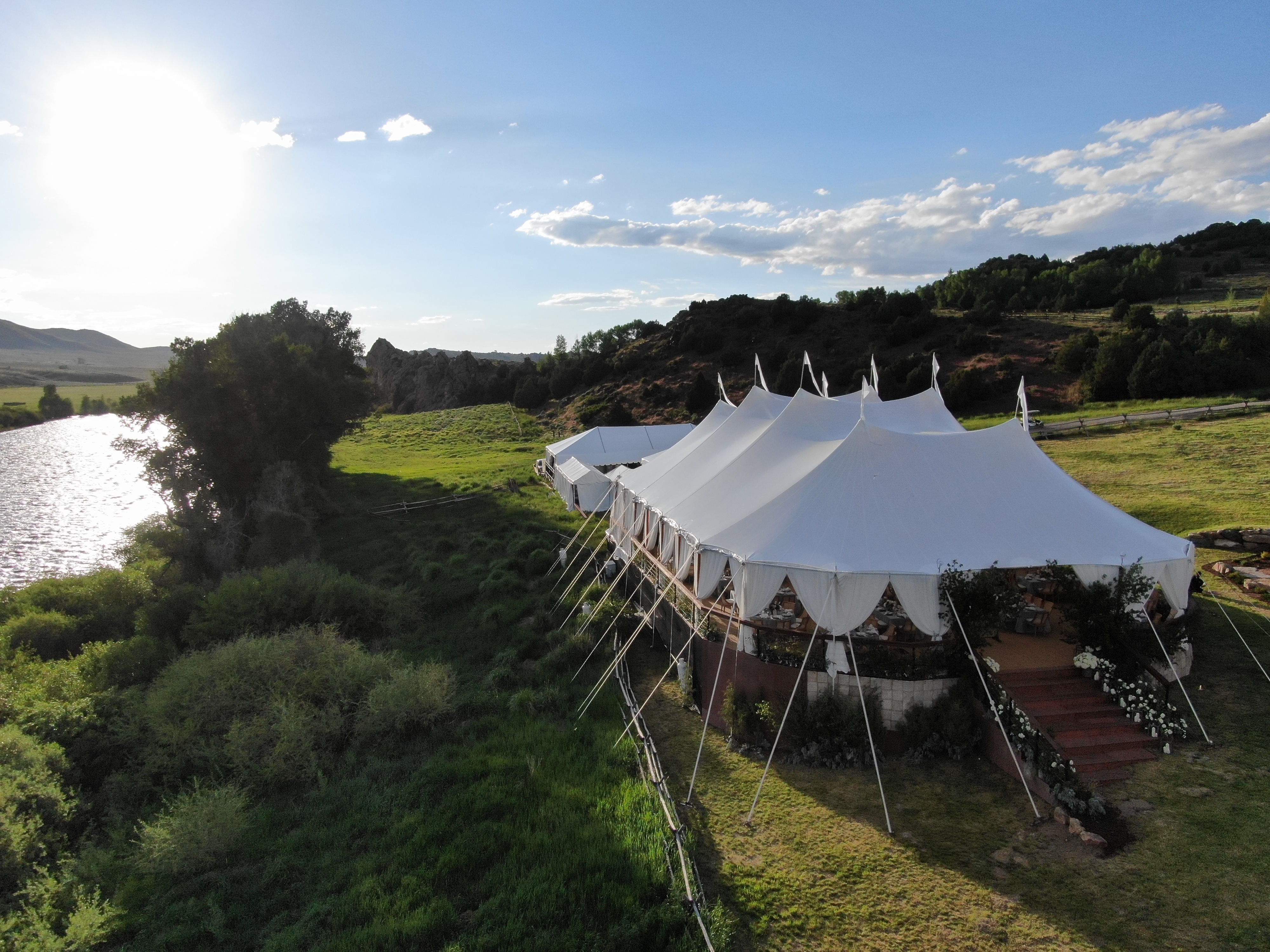
Optimizing infrastructure is essential for outdoor corporate events to ensure comfort, safety, and seamless operation. Proper planning in this area supports the overall success of the event. Infrastructure must be resilient to weather and environmental factors.
Lighting Design for Atmosphere and Function
Lighting defines how the space is experienced at every stage of the event. It influences mood, visibility, and focus. Layered lighting strategies can create dynamic environments that adapt to different event phases.
A thoughtful lighting strategy enhances both design and functionality, which is why many planners incorporate creative event lighting ideas to elevate the overall guest experience. It ensures that key areas are highlighted while maintaining a consistent atmosphere throughout the space. Incorporating energy-efficient fixtures and programmable controls can improve sustainability and flexibility.
Ensuring Comfort With Climate Control
Comfort is essential for maintaining guest engagement, especially in outdoor environments. Temperature control and airflow must be carefully managed to create a stable environment. Consideration of seasonal weather patterns informs the selection of appropriate systems.
Effective climate strategies include:
- Cooling systems positioned for balanced airflow
- Ventilation planning to prevent heat buildup
- Layout spacing that supports air circulation
When these elements are aligned, the environment remains comfortable even during peak conditions. Incorporating heating options for cooler weather extends the usability of the tent throughout the year.
Frequently Asked Questions
What is the best tent type for large corporate events?
Clearspan tents are widely used for large corporate events because they provide open interiors that support flexible layouts, staging, and technical setups. Their unobstructed design allows for efficient planning and improved guest experience.
How far in advance should I book a corporate tent rental?
It is recommended to secure tent rentals several months in advance, especially during peak seasons. Early booking ensures availability and allows sufficient time for customization and planning.
What factors most influence guest comfort in a tented event?
Guest comfort is influenced by layout spacing, temperature control, airflow, and lighting. When these elements are managed effectively, the environment feels comfortable and engaging.
How can a corporate tent event feel more premium?
A premium experience comes from consistency in design. High-quality materials, coordinated lighting, and thoughtful layout planning all contribute to a refined and professional environment.
What is the biggest mistake in corporate tent planning?
Underestimating space requirements is one of the most common mistakes. Failing to account for circulation and service areas can lead to overcrowding and disrupt the event flow.
Conclusion
In conclusion, the success of a corporate event often hinges on the thoughtful integration of design, infrastructure, and planning. Each element plays a vital role in creating an environment that is both functional and memorable. Attention to detail and proactive coordination elevate the overall quality and impact.
Skyline Tent Company specializes in designing premium tent environments tailored to corporate events. From initial planning to final installation, every detail is handled with precision to ensure a refined and seamless experience. Their expertise guarantees that each event space is uniquely suited to client needs and expectations.
Schedule your private consultation to create a custom event space that reflects your vision with clarity, sophistication, and exceptional execution.