
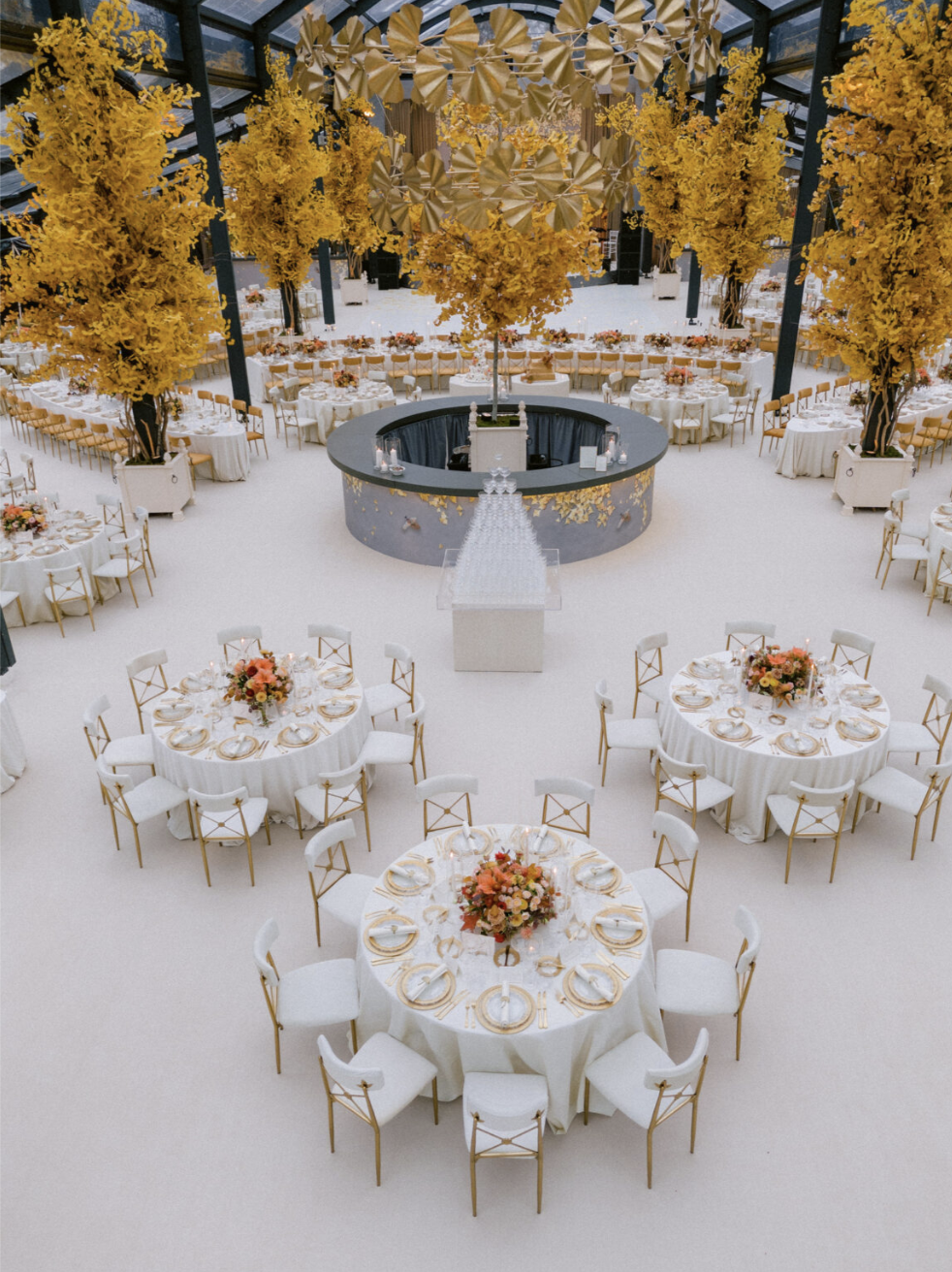
Creating an elegant outdoor event space for corporate gatherings requires more than selecting a tent and arranging tables. The tent structure becomes the foundation of the entire experience, influencing guest comfort, operational efficiency, visual presentation, and event flow. Corporate events often involve presentations, dining, networking, staging, and branded environments, all of which require careful infrastructure planning to function effectively.
Luxury tent environments must balance aesthetics with functionality. Event planners need to evaluate guest capacity, site logistics, weather conditions, lighting strategies, flooring systems, and climate control to ensure a seamless experience. Every structural and operational decision affects how guests interact with the environment and how successfully the event achieves its objectives.
Clearspan tent rentals have become a preferred solution for modern corporate events because they provide flexible layouts, unobstructed interiors, and compatibility with advanced infrastructure systems, making them a cornerstone of successful summer corporate tent rentals. Combined with thoughtful design and coordinated logistics, these structures help transform outdoor venues into polished and professional event environments.
Choosing the Right Tent Structure for Corporate Outdoor Events
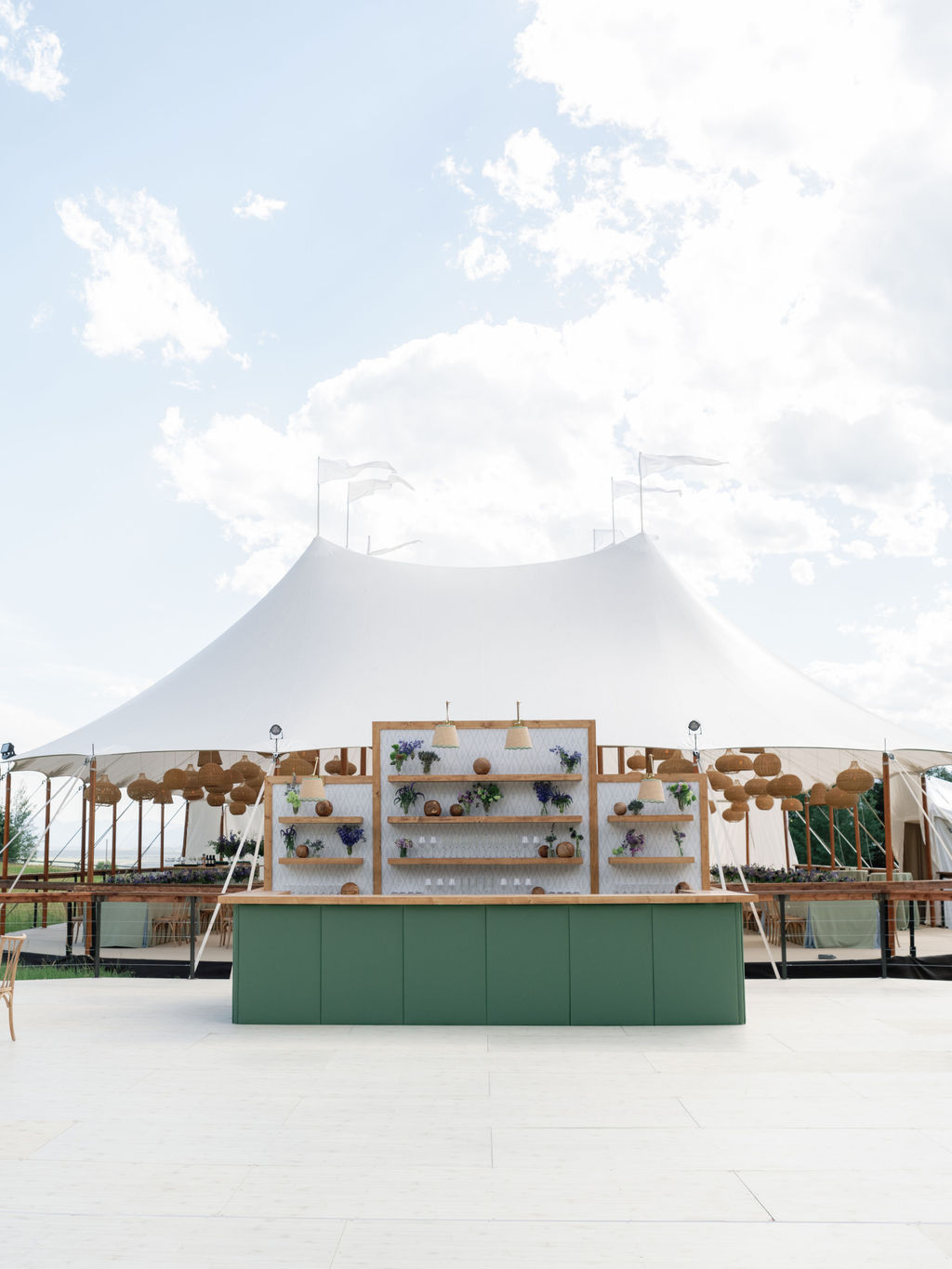
Selecting the correct tent structure is one of the most important decisions in outdoor event planning. Different tent types support different event formats, guest capacities, and environmental requirements.
A successful selection process begins with evaluating the event’s purpose, layout requirements, and expected guest experience. Site accessibility, terrain conditions, weather exposure, and setup timelines also influence the final decision.
Evaluating Event Requirements and Site Conditions
Before selecting a tent structure, planners should create a detailed event brief outlining the event schedule, technical needs, seating layouts, and operational zones. This planning stage helps determine how much space is required and how guests will move throughout the venue.
Important planning considerations include:
- Guest count and seating configurations
- Stage, AV, and presentation requirements
- Site accessibility and ground conditions
Assessing these details early helps ensure the selected structure supports both operational efficiency and visual consistency.
Comparing Tent Types for Corporate Gatherings
Different tent styles provide distinct advantages depending on the event’s goals and environmental conditions.
Frame tents are highly adaptable and can be installed on surfaces such as asphalt or concrete. Century pole tents provide a more traditional visual profile with elevated peaks and dramatic interior lines. Sailcloth tents create softer, more elegant environments through translucent fabric and natural light diffusion, showcasing many of the benefits of sailcloth tents for upscale outdoor events.
Clearspan tents, however, offer the greatest flexibility for corporate events because of their unobstructed interiors and compatibility with advanced infrastructure systems.
Why Clearspan Tents Are Ideal for Large Corporate Events
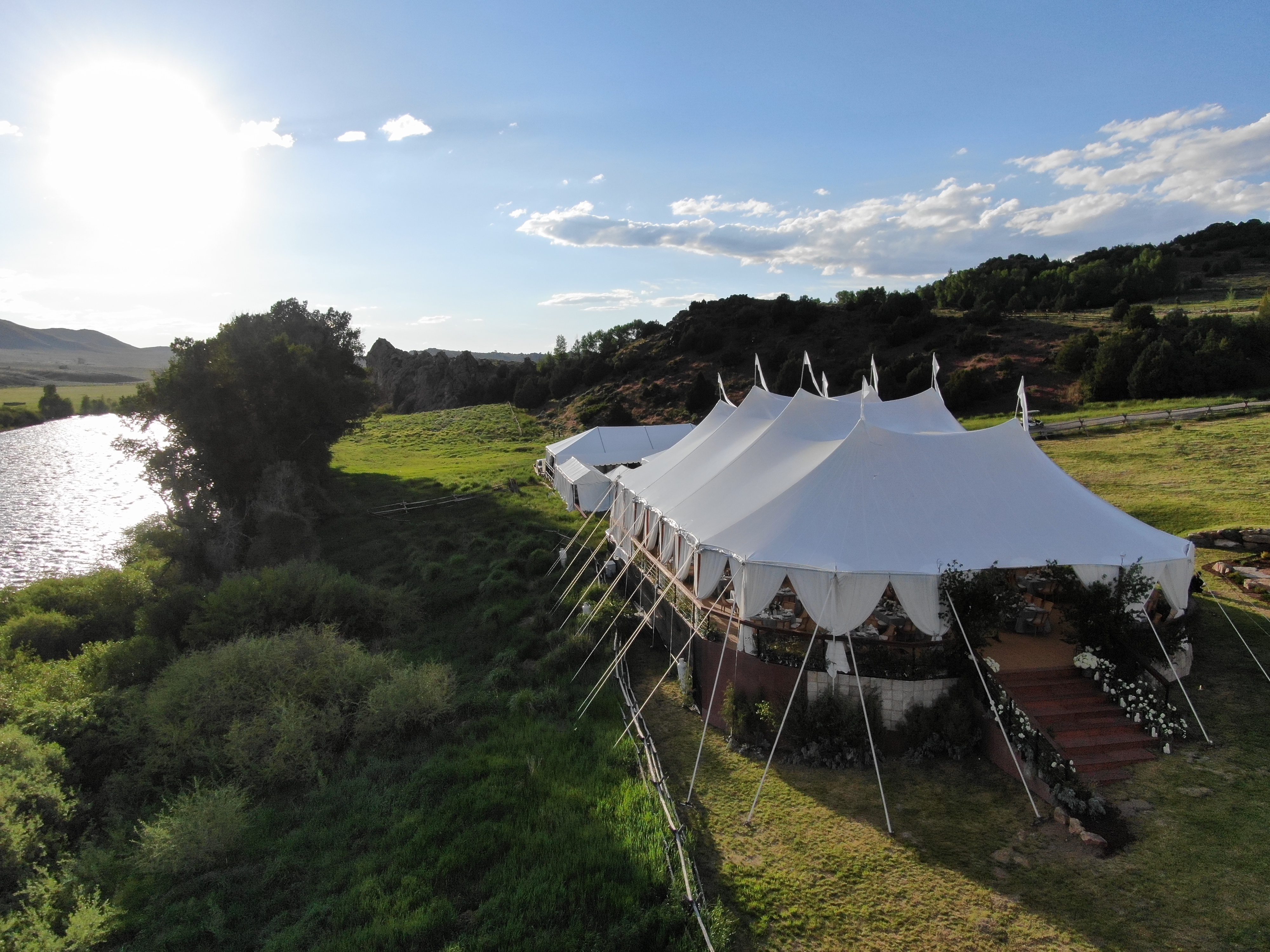
Clearspan tents are widely used for corporate gatherings because they provide open interiors without internal poles or structural obstructions. This allows planners to create flexible layouts that support presentations, dining, exhibitions, and networking zones within a single environment.
Their structural engineering also supports heavier production loads, making them suitable for events requiring advanced lighting, staging, and branding installations.
Open Interiors and Flexible Layouts
The column-free design of clearspan tents improves visibility, circulation, and layout flexibility. Event teams can create wide banquet arrangements, modular exhibition booths, or centralized presentation areas without worrying about obstructed sightlines.
This flexibility improves:
- Guest movement throughout the venue
- Presentation visibility and audience engagement
- Integration of staging and suspended décor elements
The ability to adapt layouts quickly also benefits multi-day events where room configurations may change between sessions.
Structural Strength and Weather Resistance
Clearspan structures are designed to withstand challenging weather conditions while maintaining stability and safety. Their engineered anchoring systems support installation across different surfaces and environmental conditions.
Additional advantages include:
- Compatibility with climate-control systems
- Support for large lighting and AV rigs
- Greater reliability during changing weather conditions
For corporate clients focused on polished presentation and operational reliability, clearspan tents provide a dependable long-term solution.
Essential Infrastructure Components for Elegant Outdoor Events
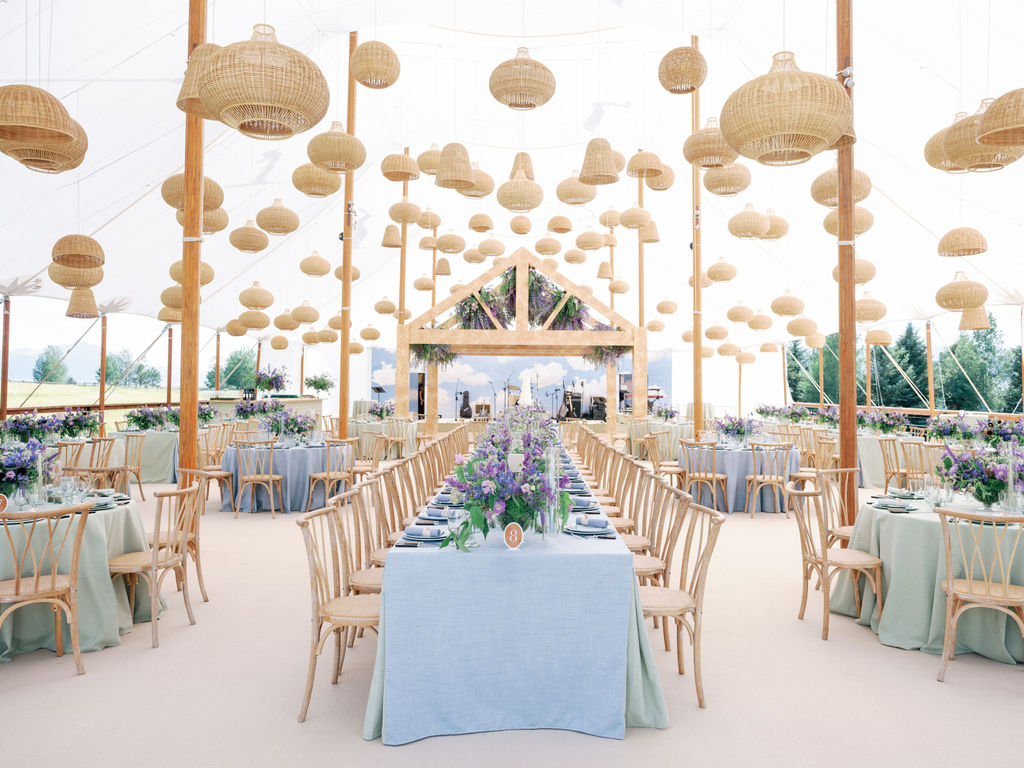
An elegant outdoor event depends on more than the tent structure itself. Flooring, lighting, power distribution, and service planning all contribute to the guest experience and operational efficiency.
These infrastructure systems should be designed together to create a cohesive environment that supports both functionality and visual presentation.
Flooring Systems and Event Stability
Flooring affects guest comfort, accessibility, and the overall appearance of the venue. Uneven or unstable surfaces can disrupt circulation and negatively impact the guest experience.
Well-designed flooring systems improve:
- Stability for furniture and staging
- Comfort for guests during long events
- Protection against moisture and uneven terrain
Plywood flooring, carpet installations, and interlocking tile systems are commonly used depending on the event’s style and operational needs.
Lighting Design and Atmosphere Creation
Lighting shapes how guests experience the space, which is why incorporating creative event lighting ideas can significantly enhance both atmosphere and functionality. A layered lighting strategy improves both ambiance and functionality while supporting branding and event programming.
Effective lighting design should include:
- Ambient lighting for general visibility
- Accent lighting for focal points and décor
- Functional lighting for pathways and service areas
Chandeliers and suspended fixtures are often used in clearspan tents to create a more elevated and luxurious atmosphere.
When lighting systems are integrated properly with the tent structure and event schedule, the environment feels more immersive and professionally designed.
Climate Control and Guest Comfort Strategies
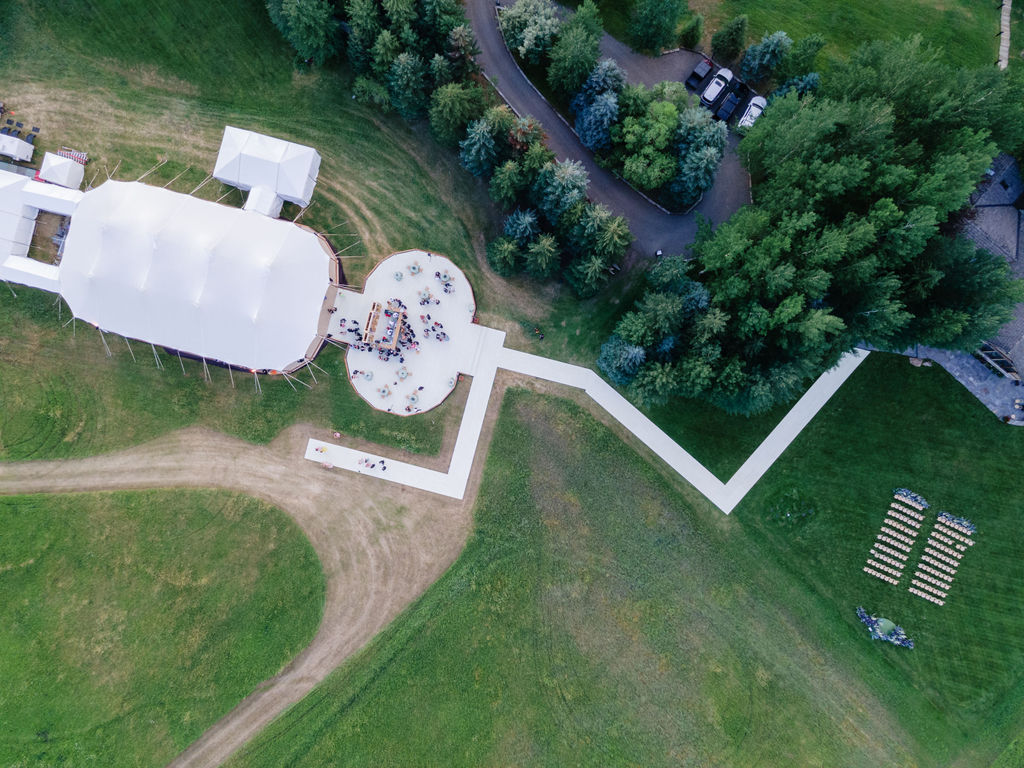
Maintaining guest comfort is essential for successful outdoor corporate events. Temperature fluctuations, humidity, and airflow issues can affect engagement, networking, and overall event satisfaction.
Climate-control planning should begin early in the event-development process to ensure HVAC systems integrate properly with the tent structure and operational layout.
Heating, Cooling, and Airflow Planning
Climate-control systems should be selected based on tent size, occupancy levels, and expected weather conditions. Proper airflow distribution is just as important as heating or cooling capacity.
Key climate-control considerations include:
- Zoned temperature management for different activity areas
- Ventilation planning for consistent airflow
- Humidity control to improve comfort and protect equipment
Balanced airflow prevents stagnant areas and improves overall guest experience throughout the venue.
Climate-Control Technologies for Corporate Events
Modern corporate events increasingly use advanced HVAC systems to maintain stable environmental conditions regardless of outdoor weather changes.
Popular climate-control technologies include:
- Portable air-conditioning systems for large spaces
- Tent heaters for cooler evening conditions
- Misting systems for hot-weather events
Integrated systems allow planners to maintain comfortable conditions while minimizing noise and operational disruption during the event.
Site Logistics, Event Flow, and Operational Coordination
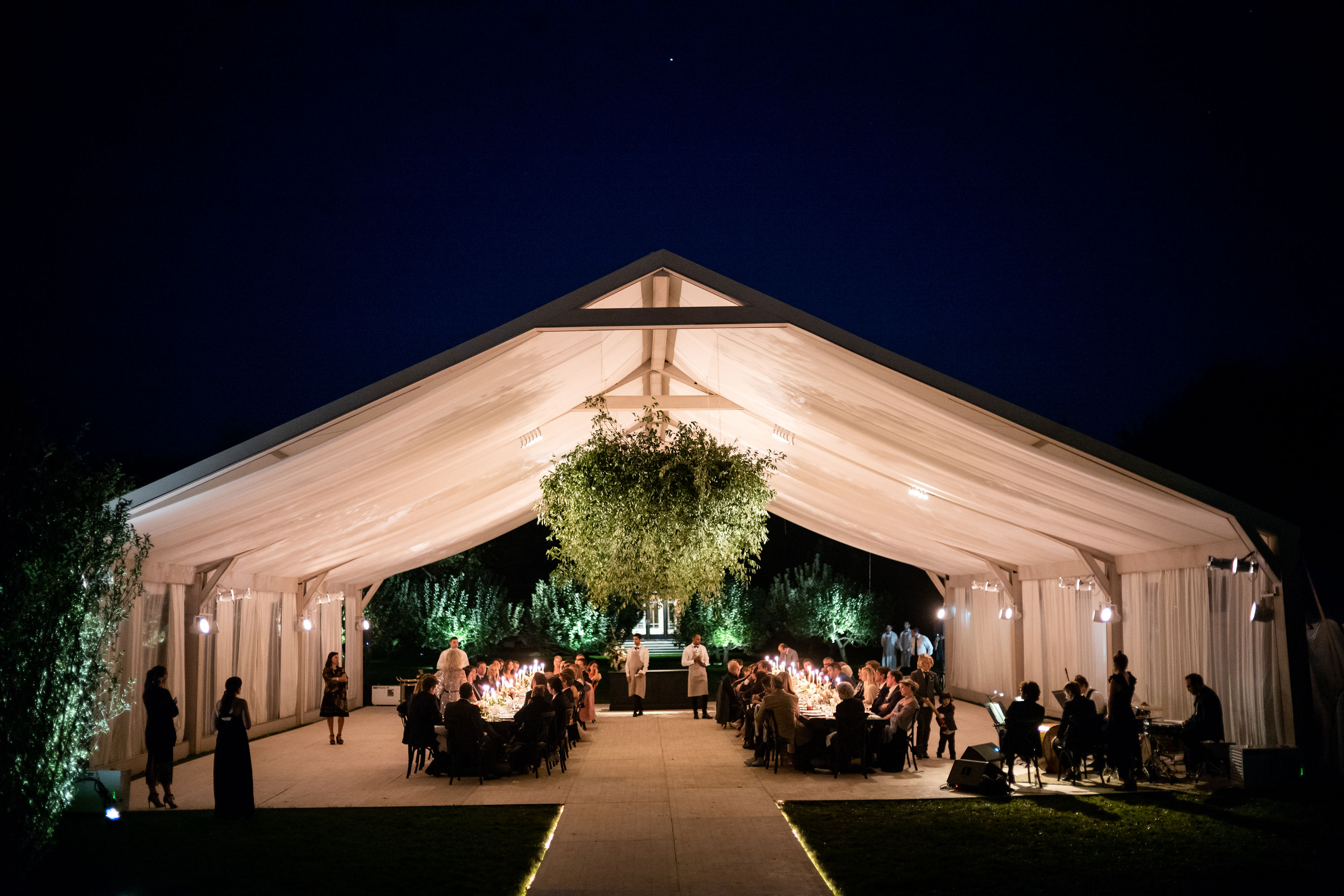
Successful outdoor events rely heavily on planning, coordination, and logistics management. Even the most visually impressive tent environment can face operational problems if setup schedules and infrastructure systems are not properly organized.
A structured logistics strategy ensures efficient installation, safe operations, and smooth guest flow throughout the event.
Site Accessibility and Venue Preparation
Before installation begins, planners should conduct a full site assessment to identify potential logistical challenges. Ground stability, equipment access, and utility availability all affect installation efficiency.
Important site-planning factors include:
- Vehicle access for equipment delivery
- Ground conditions for anchoring systems
- Availability of power and restroom facilities
Early coordination with local authorities also helps ensure compliance with zoning regulations and permit requirements.
Coordinating Setup Timelines and Vendor Operations
Corporate events often involve multiple vendors working simultaneously during setup. Clear communication and detailed scheduling help prevent delays and operational conflicts.
Best practices for coordination include:
- Creating structured installation timelines
- Assigning clear responsibilities to vendors
- Conducting technical rehearsals before the event
Working closely with experienced rental providers helps streamline execution and reduce the risk of last-minute adjustments.
Frequently Asked Questions
Why are clearspan tents popular for corporate events?
Clearspan tents provide open interiors without support poles, allowing flexible layouts, unobstructed sightlines, and easier integration of staging, lighting, and branding elements.
What tent type is best for upscale corporate gatherings?
Clearspan and sailcloth tents are often preferred for upscale events because they combine elegant aesthetics with strong infrastructure capabilities and flexible layouts.
How important is flooring in outdoor corporate events?
Flooring improves safety, guest comfort, and overall presentation. It creates stable surfaces for seating, staging, and guest circulation while protecting against uneven terrain.
Why is climate control necessary for tented corporate events?
Climate control maintains comfortable temperatures and balanced airflow regardless of weather conditions. This improves guest satisfaction and supports equipment performance.
What should planners evaluate during a site assessment?
Site assessments should evaluate accessibility, ground conditions, utility availability, drainage, and space for equipment staging and vendor operations.
How does lighting influence the event atmosphere?
Lighting affects mood, visibility, and visual depth. Layered lighting systems create a more immersive and professional environment while improving functionality.
What role do logistics play in outdoor event success?
Logistics coordination ensures efficient setup, smooth vendor operations, and organized guest flow. Proper planning reduces delays and operational disruptions.
Conclusion
Creating elegant outdoor event spaces for corporate gatherings requires strategic planning, reliable infrastructure, and carefully selected tent solutions. From clearspan structures and climate-control systems to flooring, lighting, and logistics coordination, every component contributes to the overall guest experience and operational success.
Clearspan tent rentals provide the flexibility, structural strength, and visual refinement needed for modern corporate events. Their unobstructed interiors and compatibility with advanced infrastructure systems make them ideal for conferences, networking events, product launches, and executive gatherings.
By combining thoughtful design with experienced operational planning, Skyline Tent Company event organizers can create outdoor environments that feel polished, comfortable, and professionally executed while supporting long-term brand impact and guest satisfaction.