
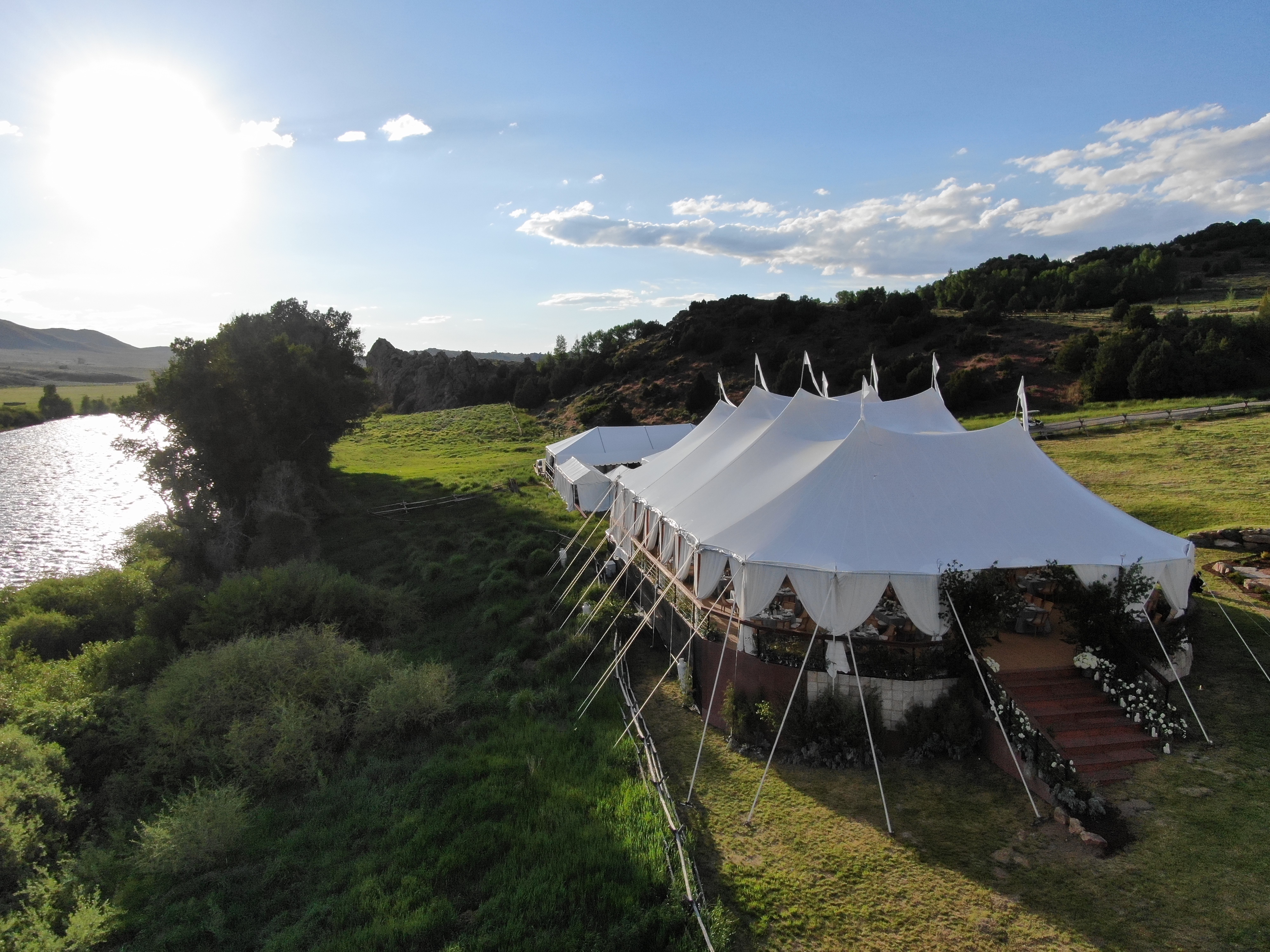
Creating a comfortable environment is one of the most important factors in the success of any outdoor tented event. Whether you’re planning a luxury wedding, corporate gala, fundraising event, private celebration, festival, or executive gathering, guest comfort directly impacts overall satisfaction and event success. While elegant tent structures, premium furnishings, and exceptional catering contribute to the atmosphere, climate control ensures guests remain comfortable regardless of changing weather conditions.
Modern stunning summer event structures often require sophisticated environmental management systems that provide cooling, ventilation, and humidity control. Selecting the right climate-control strategy requires careful consideration of tent size, guest count, event duration, weather conditions, site logistics, and power availability. By understanding the available solutions and how they integrate with luxury tent structures, planners can create comfortable environments that enhance the guest experience while protecting event infrastructure and investments.
Understanding Your Event’s Climate-Control Requirements
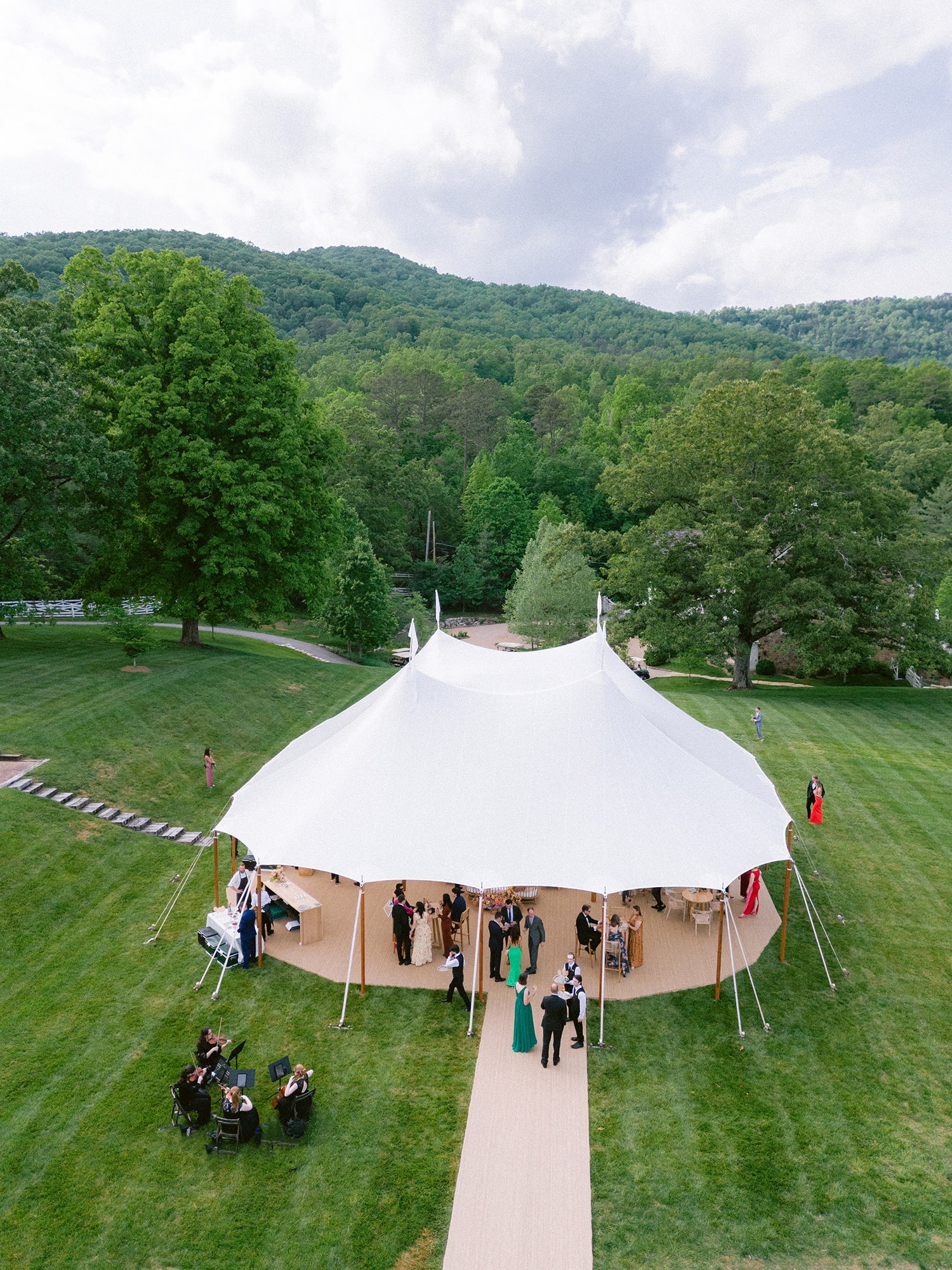
Before selecting equipment, event planners must evaluate the specific environmental demands of the event. Every tented venue presents unique challenges that influence system selection and operational planning.
A detailed assessment helps ensure climate-control systems perform efficiently and effectively throughout the event.
Evaluating Tent Size and Occupancy
The size of the tent and the anticipated number of guests significantly affect heating and cooling requirements. Larger structures require greater airflow capacity and more sophisticated distribution systems to maintain consistent temperatures.
Guest density also impacts environmental conditions. Crowded spaces generate additional heat and humidity, increasing the demand placed on HVAC equipment.
Accurate calculations help prevent underpowered systems and uncomfortable conditions.
Considering Event Activities and Internal Heat Loads
Event activities can influence climate-control performance just as much as outdoor weather conditions. Catering equipment, lighting systems, audiovisual technology, and staging elements all contribute additional heat within the tent.
Understanding these factors allows planners to account for internal heat loads during system selection.
Before choosing climate-control equipment, planners should evaluate several important factors.
Key climate-control assessment considerations include:
- Tent dimensions and ceiling height
- Expected guest count
- Event duration and schedule
- Heat-generating equipment and activities
Proper assessment creates the foundation for effective climate management.
Cooling Solutions for Warm Weather Tent Events
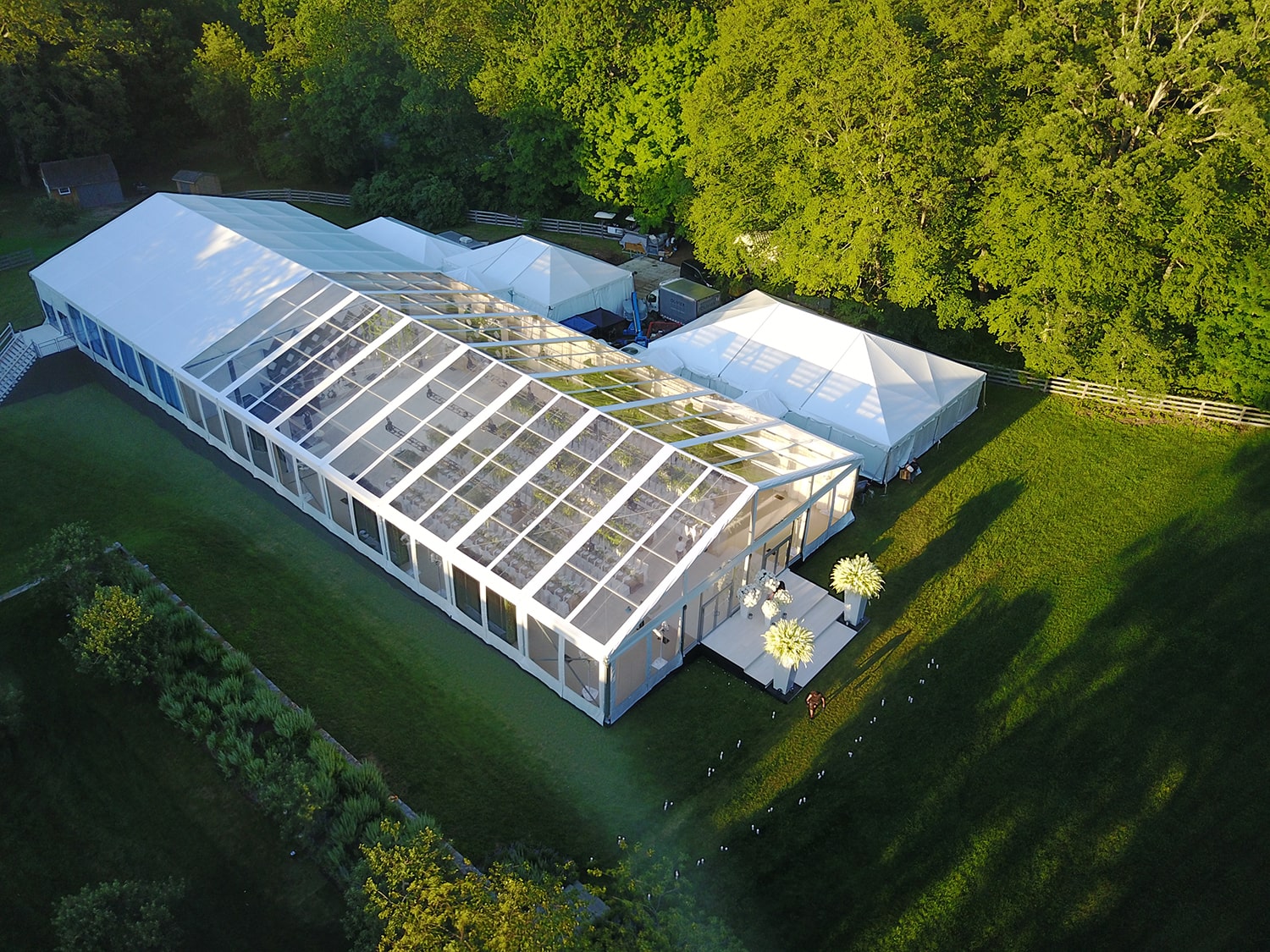
Summer weddings, corporate functions, and outdoor celebrations often require cooling systems to maintain comfortable indoor conditions. Selecting the right cooling solution depends on tent size, occupancy, and weather conditions. You may also find The Best Tent Materials for Ultimate Weather Protection helpful.
Modern cooling technologies provide flexible options for events of all sizes.
Mobile Air Conditioning Units
Mobile air-conditioning systems remain one of the most popular solutions for tented events because they offer flexibility, efficiency, and rapid deployment.
These units can quickly reduce indoor temperatures and maintain comfortable conditions throughout the event. They are particularly useful for weddings, VIP lounges, hospitality areas, and mid-sized tent installations.
Their portability allows planners to adapt to changing site conditions.
Ducted Cooling Systems for Larger Events
For large-scale events, ducted HVAC systems provide superior temperature control and more consistent air distribution. Understanding air-conditioned event structures can help planners determine how conditioned air is distributed across multiple zones while maintaining comfortable temperatures throughout expansive tent interiors.
Ducted systems are especially beneficial for luxury events where guest comfort is a top priority.
Before selecting a cooling solution, planners should consider several critical factors.
Important cooling considerations include:
- Outdoor temperature and humidity levels
- Tent size and occupancy
- Airflow distribution requirements
- Available power infrastructure
Choosing the appropriate cooling system ensures a comfortable guest experience.
Heating Solutions for Cooler Weather Events
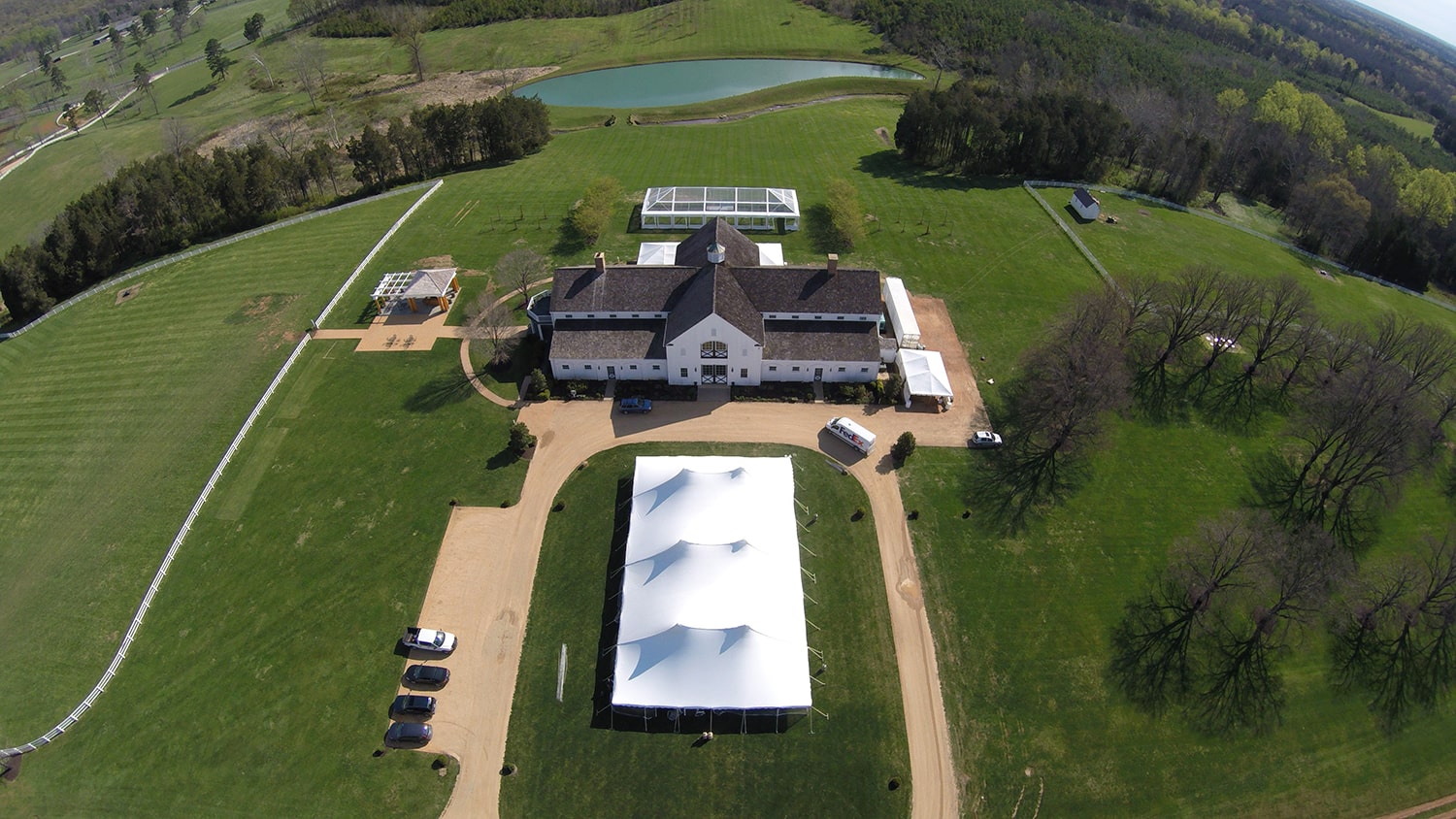
While summer cooling often receives the most attention, heating solutions are equally important for evening events, seasonal celebrations, and colder climates.
Reliable heating systems help create warm, welcoming environments that encourage guests to remain comfortable throughout the event.
Portable Heating Systems
Portable heaters provide targeted warmth and are ideal for smaller tents, entrances, cocktail areas, and outdoor lounges. Their flexibility allows event teams to respond quickly to changing temperature conditions.
Portable systems can supplement larger HVAC installations while addressing specific comfort needs.
These units are particularly useful for creating comfortable transition spaces between indoor and outdoor areas.
Ducted Heating and Integrated HVAC Systems
For larger tent structures, integrated heating systems offer more consistent and efficient performance. Ducted systems distribute warm air evenly throughout the venue while maintaining precise temperature control.
These systems are often preferred for luxury weddings, corporate galas, and large-scale social events where comfort expectations are high.
Before selecting heating equipment, planners should evaluate operational requirements.
Key heating considerations include:
- Event season and anticipated temperatures
- Tent enclosure and insulation levels
- Fuel and power availability
- Guest comfort expectations
Thoughtful planning helps ensure reliable heating performance.
Ventilation and Air Quality Management
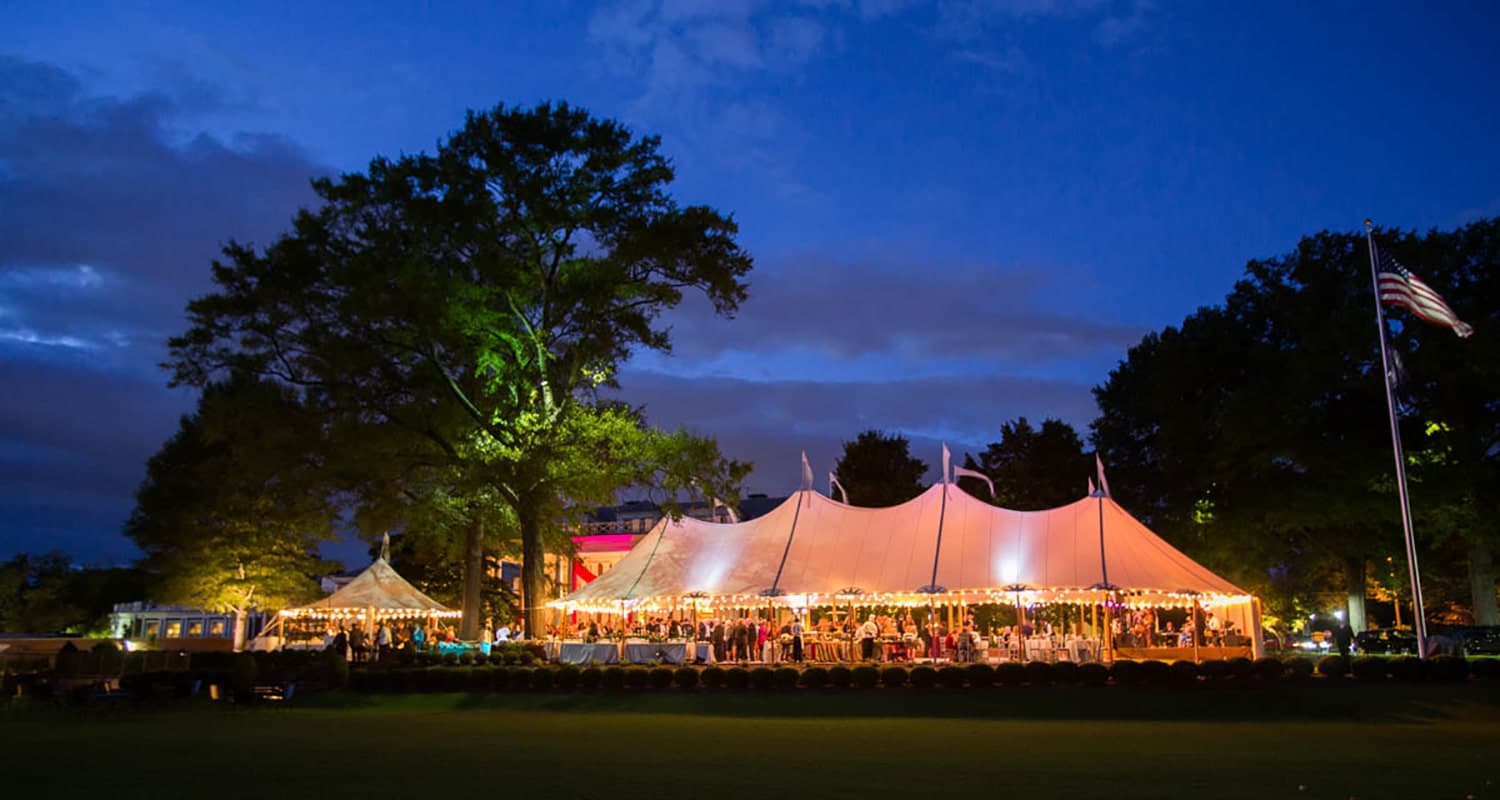
Temperature control alone does not guarantee guest comfort. Proper ventilation is essential for maintaining indoor air quality and preventing stagnant conditions within tented environments.
Ventilation strategies should be integrated into every climate-control plan. We cover this further in Climate Control Options For Wedding Tents in Summer.
Natural Ventilation Strategies
Natural ventilation utilizes strategically positioned openings, sidewalls, and airflow pathways to encourage fresh-air circulation throughout the tent.
When weather conditions allow, natural ventilation can improve comfort while reducing dependence on mechanical systems.
This approach is especially effective in partially enclosed tents and mild-weather environments.
Mechanical Ventilation and Air Exchange Systems
Mechanical ventilation systems actively circulate air to maintain freshness and improve indoor air quality. Fans, air-exchange systems, and filtration equipment help eliminate stagnant air while supporting climate-control performance. We cover this further in Guide to Tent Climate Control Rentals for Fall Events.
Before implementing ventilation systems, planners should evaluate several important factors.
Effective ventilation solutions include:
- Air circulation fans
- Fresh-air intake systems
- Humidity management equipment
- Air filtration technologies
Together, these solutions help create healthier and more comfortable environments.
Infrastructure and Installation Considerations
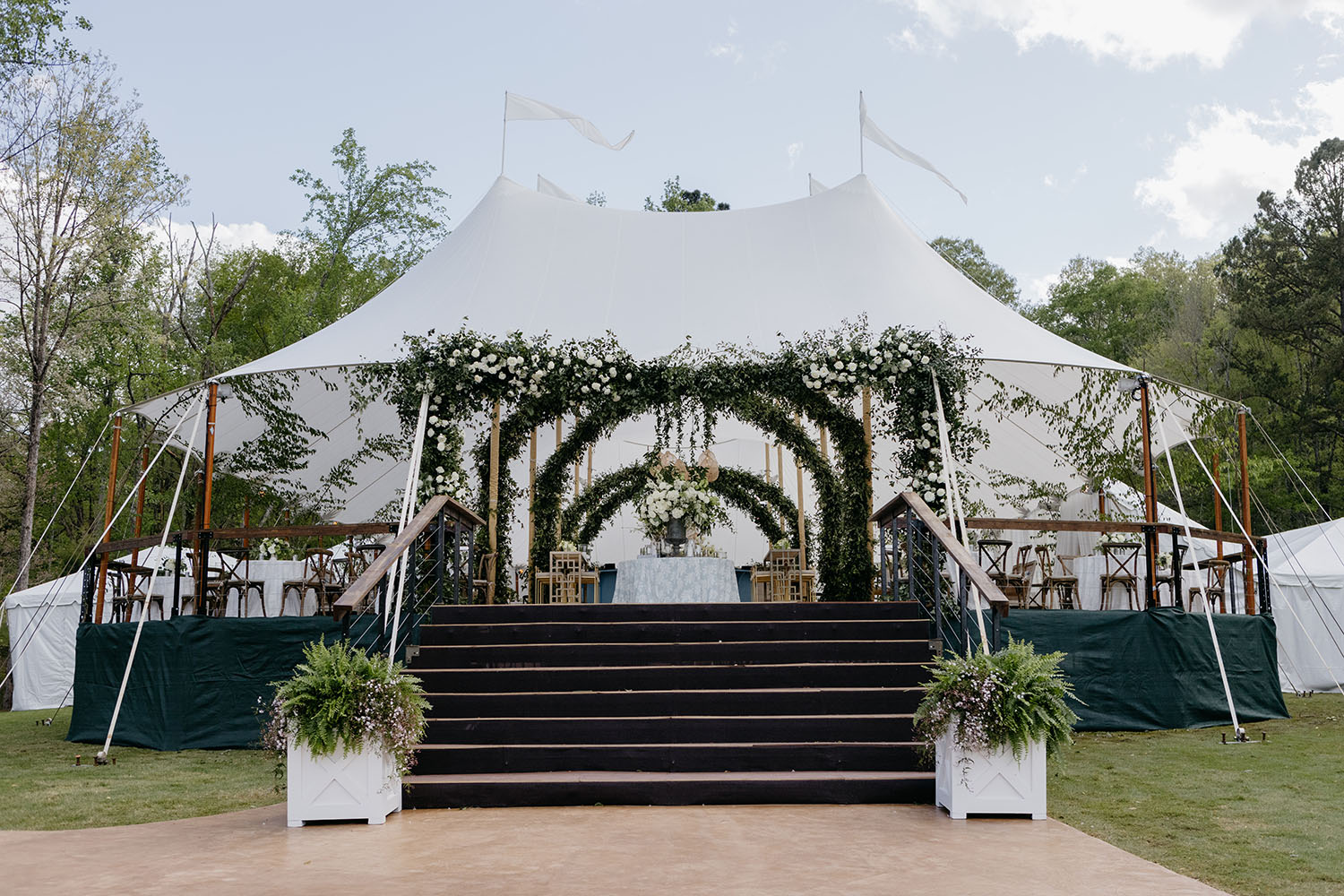
Climate-control equipment performs best when integrated into the overall event design from the earliest planning stages. You may also find How Climate Control Enhances Corporate Tent Events helpful.
Infrastructure planning ensures systems operate efficiently while minimizing disruptions to event aesthetics and logistics.
Power Supply and Equipment Placement
Heating and cooling systems require reliable electrical infrastructure or generator support. Planning the right summer event power solutions early can help support HVAC equipment and prevent operational issues during installation and event execution.
Equipment placement should also consider guest experience, noise levels, and accessibility for maintenance.
Proper positioning improves both performance and aesthetics.
Zoning and Environmental Control Strategies
Dividing larger tents into climate-control zones allows operators to adjust temperatures based on occupancy patterns and event activities.
Different areas often have different environmental requirements. Dining spaces, stages, lounges, and service zones may each benefit from customized temperature settings.
Before finalizing installations, planners should consider several infrastructure requirements.
Critical installation considerations include:
- Power distribution capacity
- Equipment access and service routes
- Ductwork and airflow design
- Climate-control zoning strategies
Integrated planning enhances system reliability and efficiency.
Emerging Climate-Control Technologies for Luxury Events
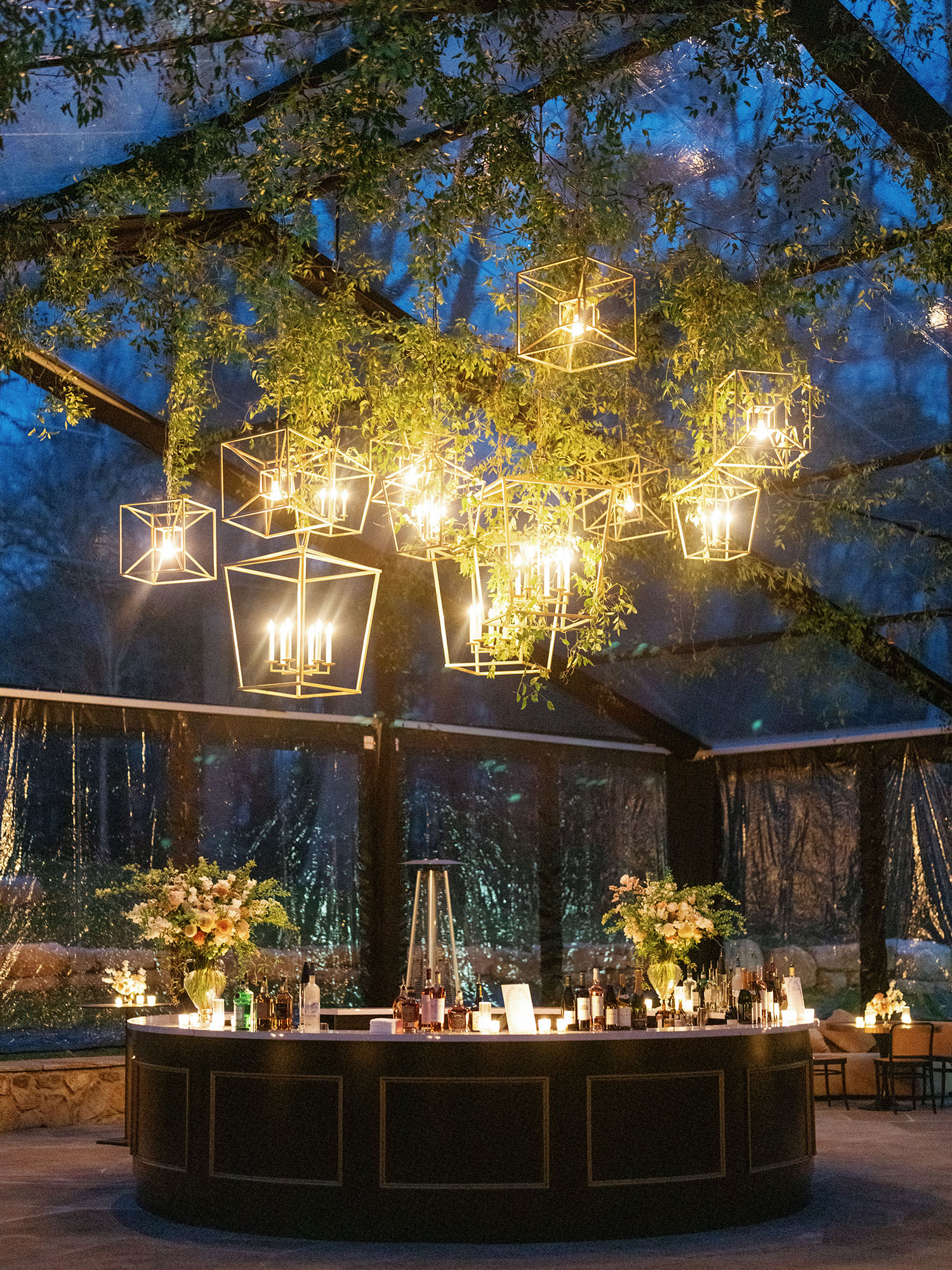
The event industry continues to embrace new technologies that improve environmental control while supporting sustainability goals.
Advanced systems provide greater flexibility and operational efficiency.
Smart Monitoring and Automated Controls
Modern HVAC systems often include smart controls that monitor temperature, humidity, and airflow in real time.
These technologies allow operators to make adjustments quickly while maintaining consistent guest comfort throughout the event.
Automation also improves efficiency and reduces unnecessary energy consumption.
Sustainable and Energy-Efficient Solutions
Luxury events increasingly prioritize sustainability. Energy-efficient HVAC equipment helps reduce environmental impact without compromising performance.
Before selecting advanced climate-control technologies, planners should evaluate current innovations.
Popular climate-control innovations include:
- Smart environmental monitoring systems
- Automated HVAC controls
- Energy-efficient cooling and heating equipment
- Sustainable climate-management technologies
These advancements continue to improve outdoor event experiences.
Frequently Asked Questions
What is the best cooling option for a large outdoor tent?
Ducted HVAC systems are typically the best choice for large tents because they provide consistent temperature control and even airflow distribution.
Are portable air conditioners effective for weddings?
Yes. Portable air-conditioning units are commonly used for weddings, hospitality tents, and smaller event spaces requiring targeted cooling.
Why is ventilation important in tented events?
Ventilation improves air quality, reduces humidity, and helps maintain comfortable indoor conditions.
Can heating and cooling systems be used together?
Absolutely. Many events utilize integrated HVAC systems capable of providing both heating and cooling as conditions change.
How early should climate-control planning begin?
Climate-control planning should begin during the earliest stages of event design to ensure proper integration with tent infrastructure.
Do climate-control systems affect event aesthetics?
When professionally installed, HVAC systems can be integrated discreetly into the event environment without detracting from aesthetics.
Are energy-efficient systems worth the investment?
Yes. Energy-efficient systems often improve performance, reduce operating costs, and support sustainability initiatives.
Conclusion
Selecting the right climate-control solution is essential for delivering exceptional outdoor event experiences. From cooling systems that combat summer heat to heating solutions that create warmth during cooler conditions, every aspect of environmental management contributes to guest comfort and event success. We cover this further in Top Climate Control Solutions for Outdoor Tented Events.
By evaluating tent size, occupancy, airflow requirements, power infrastructure, and weather conditions, planners can choose systems that perform efficiently while enhancing the overall atmosphere of the event. Proper ventilation, humidity management, and smart environmental controls further improve comfort while protecting event infrastructure and investments.
Skyline Tent Company specializes in premium tent environments that combine luxury architecture with advanced climate-control solutions. Their expertise in clearspan structures, frame tents, HVAC integration, site planning, and event infrastructure helps clients create sophisticated outdoor venues that remain comfortable in virtually any weather condition.
Whether you’re planning a luxury wedding, corporate gala, festival, or private celebration, contact Skyline Tent Company today to explore climate-controlled tent solutions that deliver comfort, elegance, and an unforgettable guest experience. Our tent rental FAQs cover the questions hosts ask most.