

Large outdoor events often take place in urban venues, convention centers, plazas, parking lots, rooftops, and other locations where traditional ground staking is not possible. While these hardtop surfaces provide convenient access and a polished appearance, they also require specialized installation methods to ensure the safety and stability of temporary event structures. Proper wind-rated tents, engineered ballast systems, and professional installation techniques all work together to create secure environments capable of performing under changing weather conditions.
Modern event tents are engineered to meet demanding performance standards while supporting elegant weddings, corporate gatherings, festivals, galas, and private celebrations. Whether using a clearspan, frame, Century pole, or sailcloth tent, understanding wind ratings and selecting the appropriate ballast solution helps protect guests, event equipment, and the overall success of the occasion. Careful planning allows organizers to confidently host outdoor events while maintaining both safety and luxury.
Understanding Wind Ratings for Large Event Tents
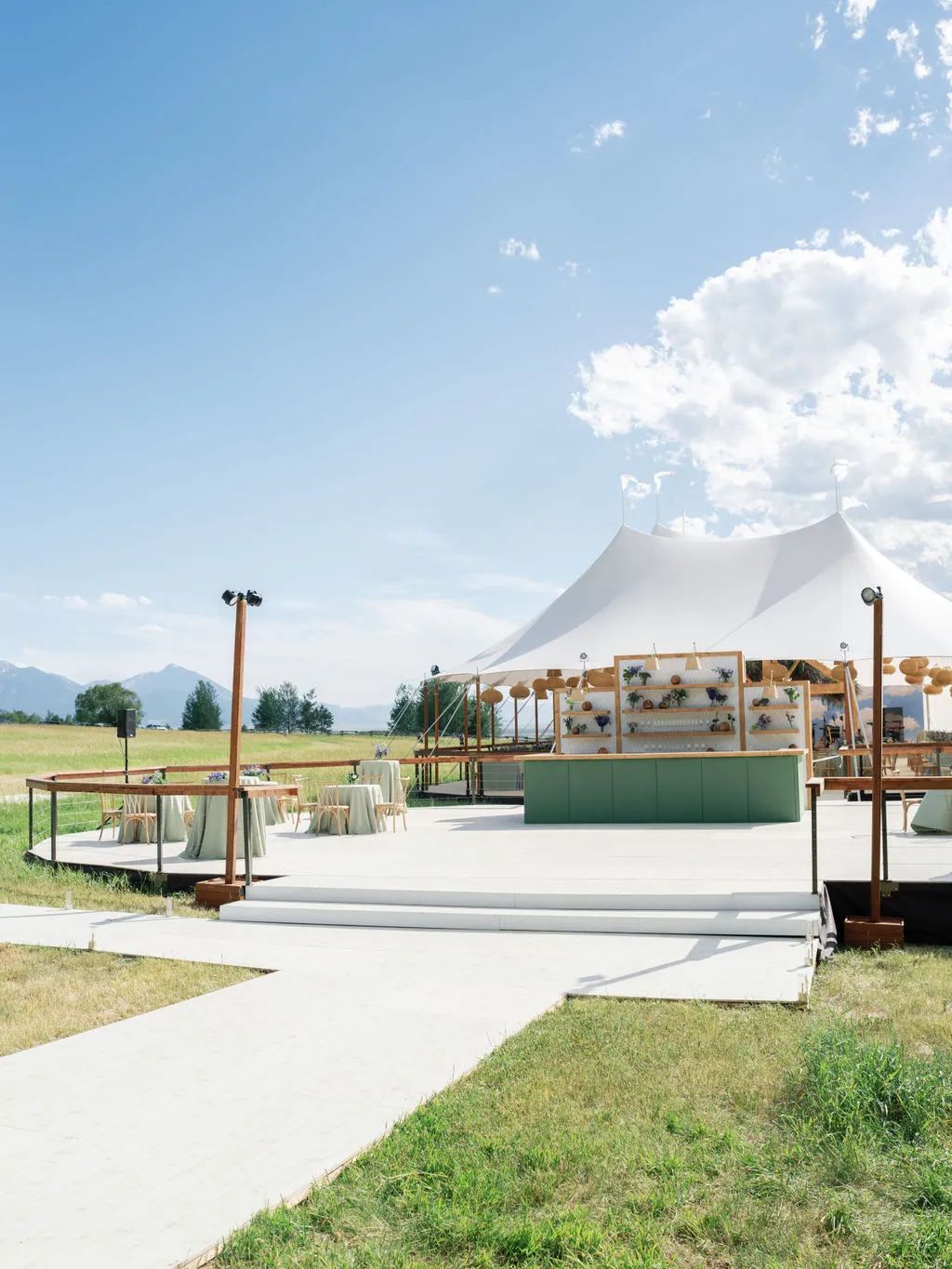
Wind ratings are one of the most important considerations when selecting a temporary event structure. These engineering specifications help determine how a tent performs under specific weather conditions while guiding installation methods and safety planning.
Choosing a professionally engineered tent provides greater confidence that the structure is appropriate for both the venue and anticipated environmental conditions.
What Wind Ratings Mean
A wind rating represents the level of wind pressure a tent has been engineered to withstand when installed according to manufacturer specifications. These ratings are based on structural engineering, material performance, and installation requirements rather than appearance alone.
Professional installers evaluate local weather patterns, venue exposure, and event duration before determining the most appropriate tent system. Understanding these ratings helps planners make informed decisions that prioritize guest safety without compromising event quality.
Wind-rated structures also support compliance with local permitting and event regulations.
Why Wind Ratings Matter for Outdoor Events
Summer weather can change quickly, with sudden wind gusts affecting temporary structures even during otherwise pleasant conditions. Along with selecting an appropriate wind-rated structure, properly securing tent sidewalls against strong winds is an important consideration for exposed outdoor venues.
Professional event teams continuously monitor weather forecasts throughout the planning process and remain prepared to adjust operations if conditions change.
Understanding wind performance early allows planners to develop stronger contingency strategies.
Before selecting an event tent, organizers should evaluate several important considerations.
Key planning considerations include:
- Local weather conditions
- Venue exposure to wind
- Event duration
- Tent engineering specifications
Reviewing these factors creates a strong foundation for a safe and professionally planned outdoor event.
Choosing the Right Tent for Hardtop Installations
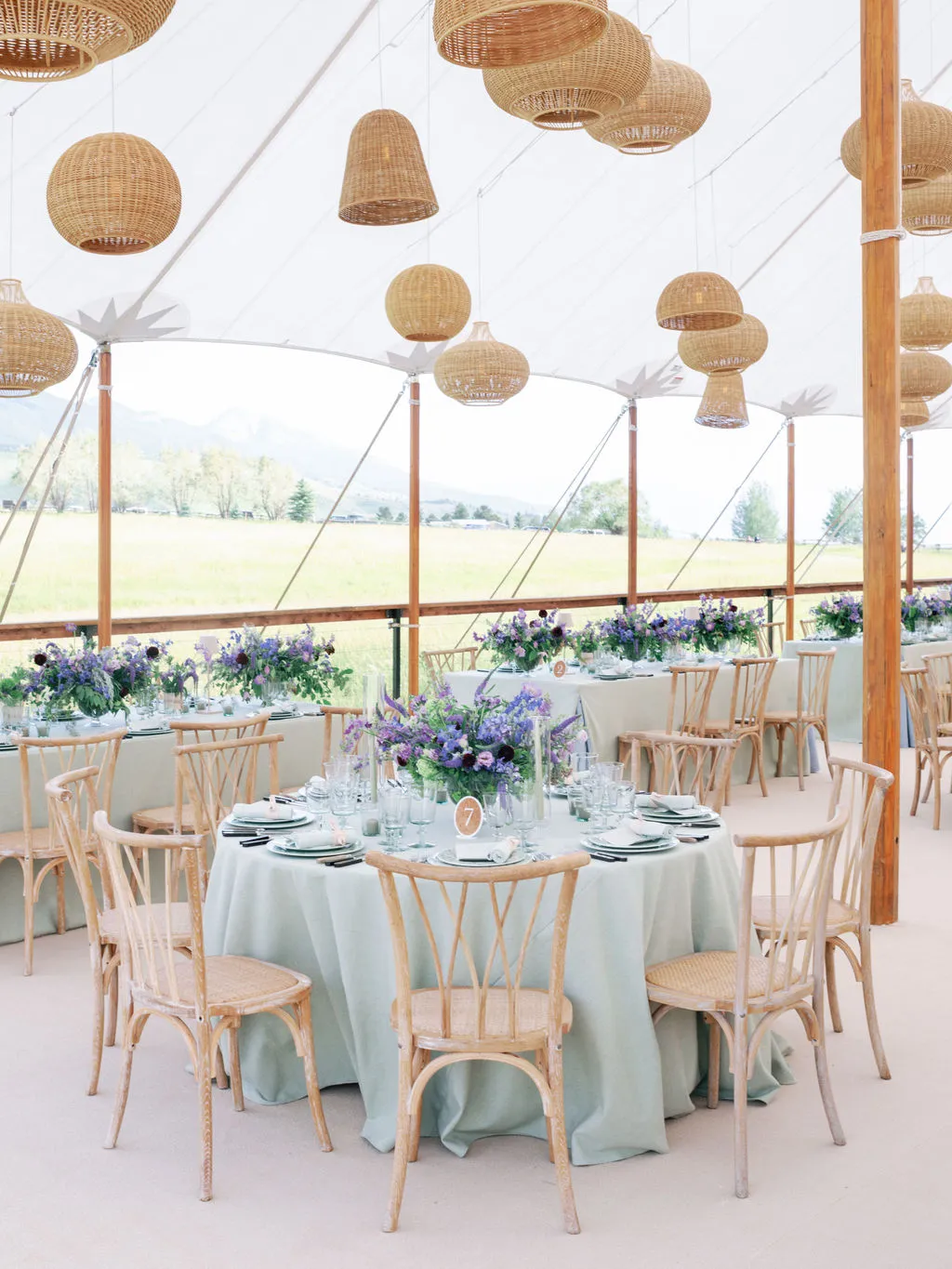
Hardtop surfaces require installation methods that differ from traditional grass or soil venues. Without the ability to use stakes, the tent itself and its stabilization system become even more important.
Selecting the appropriate structure ensures both stability and flexibility while supporting the event’s overall luxury tent layout and design.
Clearspan and Frame Tents for Urban Venues
Engineered clearspan structures are widely used for corporate events, weddings, festivals, and exhibitions because their aluminum framework provides exceptional structural performance while creating completely unobstructed interiors.
Frame tents also perform exceptionally well on asphalt and concrete because they can accommodate a variety of site layouts while supporting premium lighting, flooring, climate-control systems, and customized event configurations.
Both structures are frequently selected for locations where permanent anchoring is not possible.
Sailcloth and Century Tents for Elegant Events
Sailcloth and Century tents bring timeless elegance to outdoor celebrations while offering excellent performance when professionally installed with engineered ballast systems.
Their graceful peaks, premium materials, and open interiors create memorable settings for luxury weddings, galas, and upscale receptions. Although their installation methods differ from clearspan structures, they remain excellent choices for carefully planned hardtop venues.
Selecting the appropriate tent depends on both the venue and the overall event vision.
Before making a final decision, planners should compare several important features.
Tent selection considerations include:
- Installation surface
- Guest capacity
- Event layout requirements
- Weather expectations
Comparing these elements helps identify the structure best suited to the event. You may also find Comparing Wind Handling: Sailcloth Tents and Regular Tents helpful.
Ballast Systems That Secure Tents Without Stakes
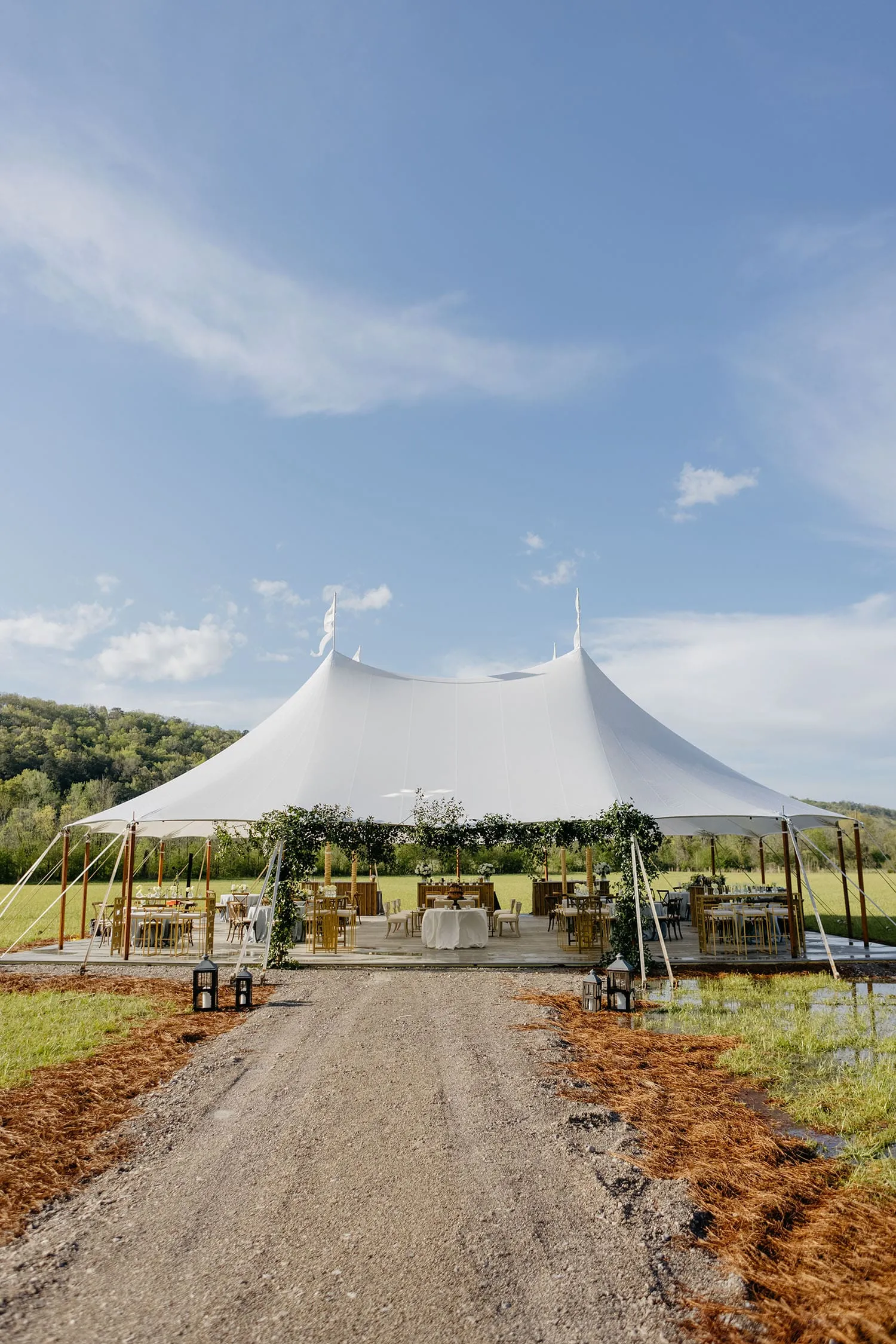
When installation takes place on asphalt, concrete, or other hard surfaces, ballast systems provide the stability normally achieved through ground anchoring. Proper ballast planning is an essential part of every professional installation.
Engineered ballast systems distribute weight evenly while helping the tent resist movement during changing weather conditions.
Engineered Ballast Solutions
Rather than relying on improvised weights, professional installations use engineered ballast systems specifically designed for temporary structures. The required amount of ballast varies according to tent size, structural design, weather conditions, and engineering specifications.
These systems are carefully positioned throughout the installation to maintain balanced resistance while preserving the appearance and functionality of the event space.
Professional calculations ensure every component performs together as a complete structural system.
Selecting the Appropriate Ballast Materials
Several ballast materials are commonly used depending on the installation requirements and site conditions. The appropriate solution is determined during the engineering and planning process.
Each material offers different advantages based on transportation, installation logistics, and required weight.
Before selecting a ballast system, planners should review several commonly used solutions. You may also find Comprehensive Guide to Event Tent Rental Insurance helpful.
Common ballast options include: For more detail, see our article Comprehensive Emergency Plan Essentials for Tent Rental.
- Engineered concrete ballast
- Water ballast systems
- Steel weight systems
- Site-specific engineered ballast solutions
Using professionally designed ballast systems helps maintain structural stability while supporting safe event operations throughout the installation.
Site Planning, Safety, and Event Infrastructure
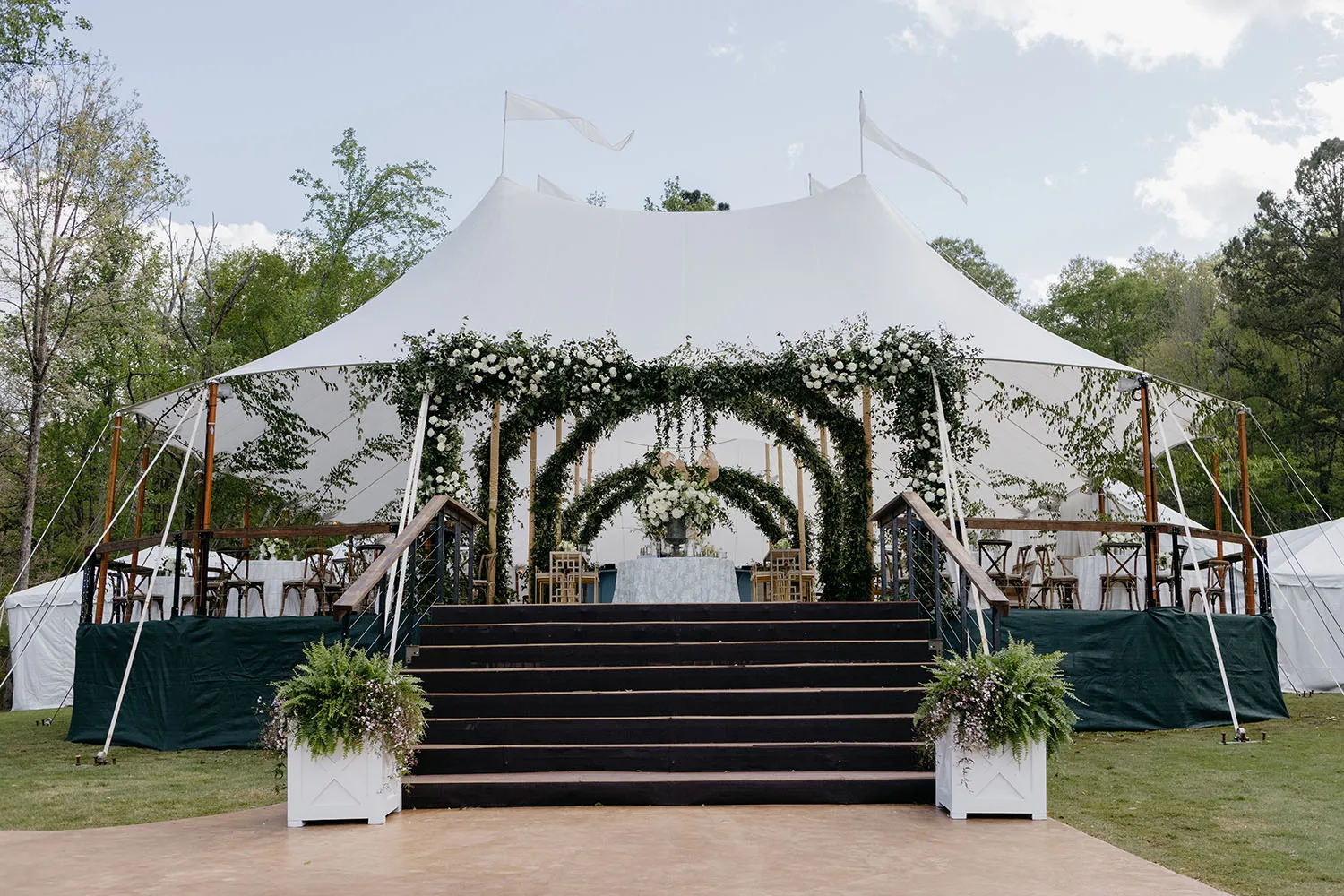
A secure tent installation depends on more than the structure itself. Proper site planning, organized logistics, and coordinated infrastructure all contribute to maintaining stability while creating a safe and comfortable environment for guests.
Evaluating the venue before installation allows event professionals to anticipate challenges and implement solutions that support both structural performance and event operations.
Evaluating Hardtop Installation Sites
Every venue presents unique conditions that influence tent installation. Parking lots, courtyards, rooftops, convention centers, plazas, and paved event spaces each require careful assessment before equipment arrives on-site.
Professional site evaluations consider surface conditions, available space, utility access, drainage, surrounding buildings, and pedestrian traffic. These assessments help determine the best tent placement while identifying suitable locations for ballast systems, entrances, staging, and service areas.
Careful planning also improves installation efficiency and minimizes disruptions during setup.
Integrating Lighting, Flooring, and Climate Control
Modern event tents support far more than weather protection. Premium lighting, flooring, HVAC equipment, audiovisual systems, and decorative installations all become part of the overall event infrastructure.
These components should be integrated without interfering with the engineered stability of the tent. Professional installers carefully coordinate equipment placement while maintaining balanced weight distribution and preserving safe access throughout the venue.
Thoughtful planning allows every system to work together while maintaining the elegant appearance expected of luxury outdoor events.
Before installation begins, planners should review several important infrastructure priorities.
Essential site planning considerations include:
- Utility and power access
- Lighting and HVAC placement
- Guest entrances and circulation
- Vendor installation schedules
Organizing these elements early contributes to a smooth installation and a safer event environment.
Ongoing Monitoring and Weather Preparedness
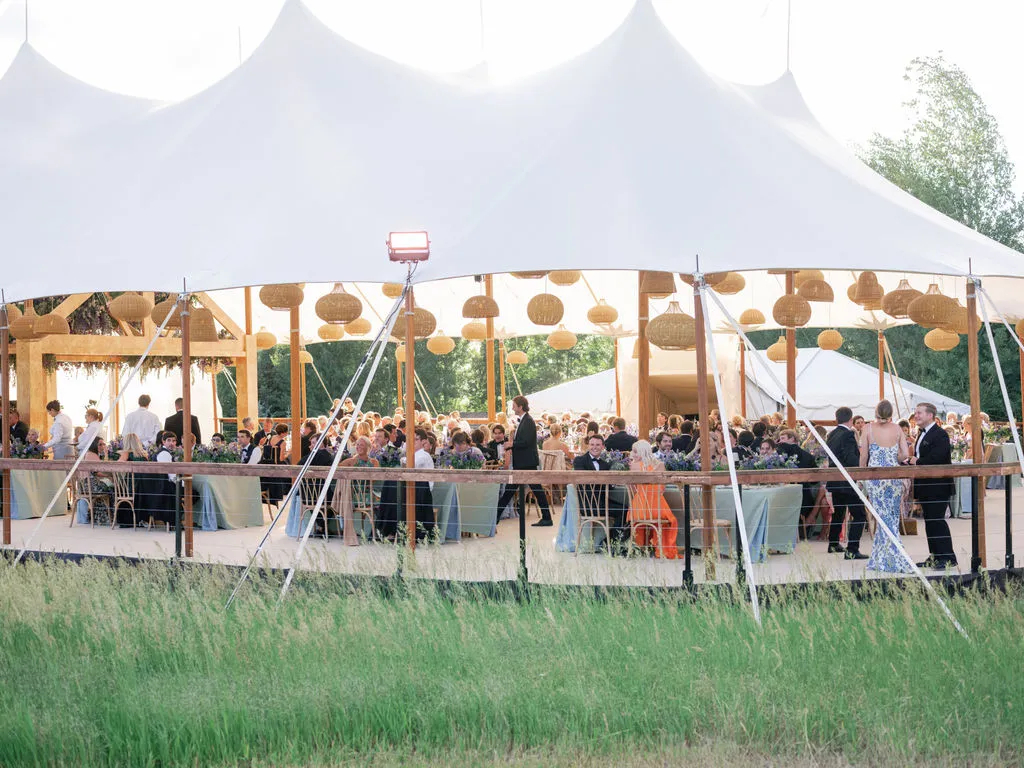
Professional event planning continues after the tent has been installed. Ongoing inspections and weather monitoring help ensure the structure remains secure throughout the duration of the event.
Preparing for changing conditions allows event teams to respond quickly while protecting both guests and equipment.
Routine Safety Inspections
Before guests arrive, installation crews conduct detailed inspections to verify that ballast systems, structural connections, lighting installations, and support components have been installed correctly.
Additional inspections may take place throughout longer events to ensure all systems continue operating as intended. Identifying minor issues early helps prevent larger concerns while maintaining confidence in the installation.
Routine inspections are a standard part of professional event management.
Preparing for Changing Weather Conditions
Summer weather can change rapidly, making continuous forecast monitoring an important part of outdoor event planning. You may also find Permitting and Safety for Large Event Tents in Summer Storms helpful.
Professional event teams establish contingency procedures before the event begins, allowing them to respond appropriately if wind conditions change. Clear communication among installation crews, coordinators, and vendors supports timely decision-making while helping maintain guest safety.
Before the event opens, planners should review several weather preparedness measures.
Recommended safety practices include:
- Continuous weather monitoring
- Scheduled structural inspections
- Emergency response procedures
- Clear communication among vendors
Preparation helps create a safer and more organized event from beginning to end.
Frequently Asked Questions
Why are wind ratings important for event tents?
Wind ratings indicate the environmental conditions a tent is engineered to withstand when installed according to manufacturer specifications, helping planners select appropriate structures for outdoor events.
Why can’t tents always be staked into the ground?
Many venues use asphalt, concrete, rooftops, plazas, or other hard surfaces where staking is not possible. In these situations, engineered ballast systems provide structural stability.
What is a ballast system?
A ballast system uses engineered weights to secure a temporary structure without penetrating the surface below. The required ballast depends on the tent design, engineering requirements, and installation conditions.
Which tents work best on hardtop surfaces?
Clearspan and frame tents are commonly selected because they perform well on paved surfaces and support flexible layouts. Sailcloth and Century tents can also be installed successfully using professionally engineered ballast systems when appropriate.
Does weather affect hardtop tent installations?
Yes. Wind, rain, and changing weather conditions all influence installation planning. Professional teams monitor forecasts and follow established safety procedures throughout the event.
Why is a professional site evaluation important?
A site assessment identifies surface conditions, available space, utility access, drainage, and other factors that influence tent placement, ballast planning, and overall event safety.
Why should event infrastructure be planned together?
Lighting, flooring, climate control, staging, and audiovisual equipment all interact with the tent installation. Coordinated planning helps maintain both structural stability and an organized event layout.
Conclusion
Securing large event tents on asphalt, concrete, and other hardtop surfaces requires more than simply selecting the right structure. Understanding wind ratings, using professionally engineered ballast systems, performing detailed site evaluations, and maintaining ongoing safety inspections all contribute to a secure installation capable of supporting successful outdoor events. When every component is planned together, guests can enjoy a comfortable and visually impressive venue with confidence. Read more in Wind Ratings & Ballast for Large Event Tents.
Whether you’re organizing a corporate event, luxury wedding, festival, gala, or private celebration, working with experienced professionals simplifies every stage of the planning process. Skyline Tent Company specializes in premium clearspan, frame, Century, and sailcloth tents, along with customized event infrastructure and engineered installation solutions designed to deliver exceptional safety, stability, and elegance on hardtop surfaces. For a tent layout sized to your guest list, request a quote.
Planning an outdoor event on asphalt or concrete? Contact Skyline Tent Company today to explore premium tent rentals and customized event infrastructure that combines engineered stability, professional installation, and a flawless guest experience for your next celebration. Answers to common rental questions are in our tent rental FAQs.