
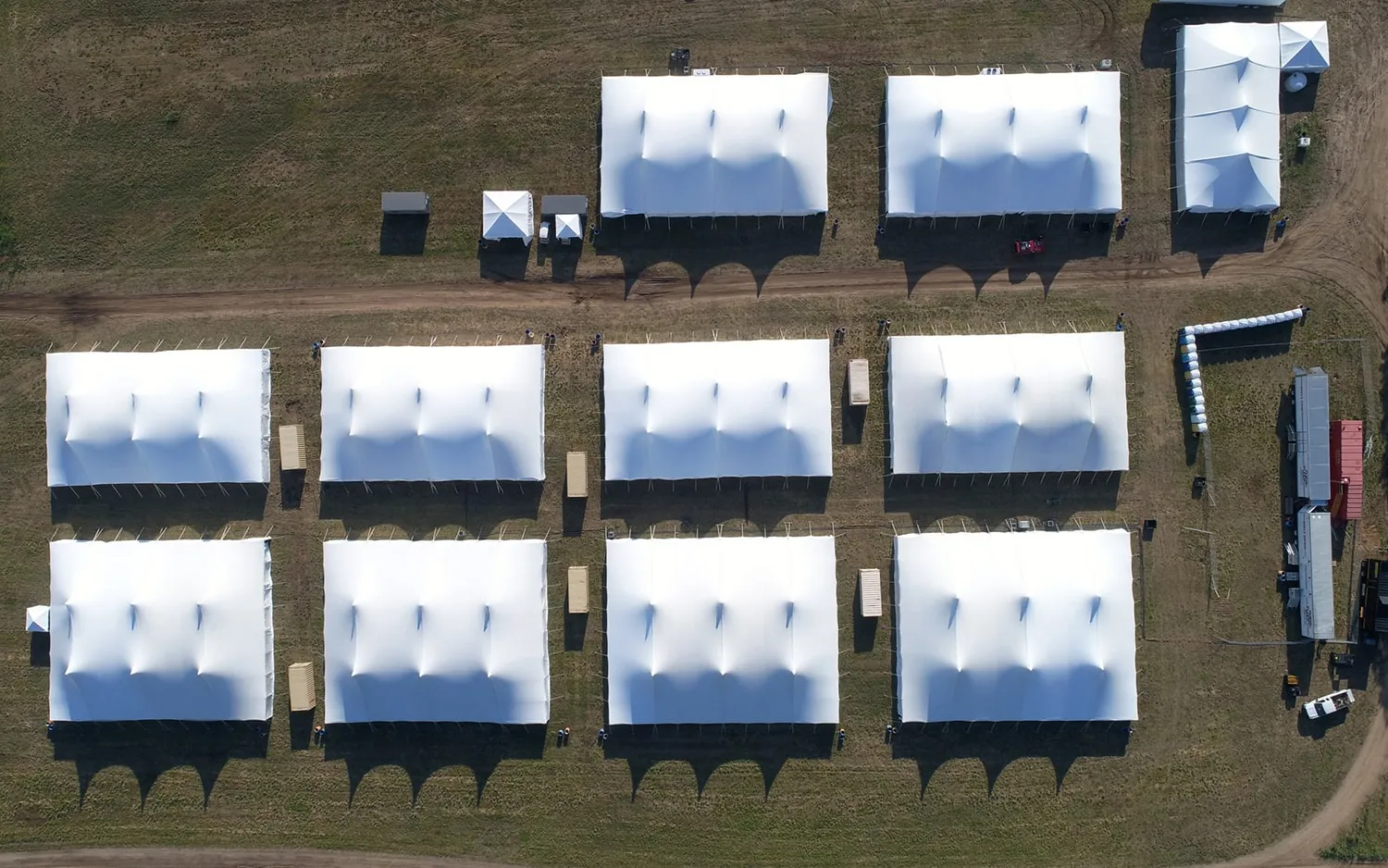
Planning a successful seasonal tented event requires more than selecting a beautiful structure. Power supply, climate control, lighting, flooring, and site conditions must work together to create an environment that remains comfortable, functional, and visually polished throughout the celebration. The original content identifies reliable power generation, HVAC integration, and effective event tent lighting solutions as central considerations for outdoor events, particularly when seasonal weather can affect guest comfort and equipment requirements. Tent style also influences how these systems can be incorporated. Clearspan, frame, clear-top, and sailcloth structures each present different possibilities for lighting placement, climate management, and infrastructure. By evaluating the venue, guest count, terrain, electrical requirements, and desired atmosphere before installation, planners can create a coordinated environment rather than treating each system separately. Professional lighting can then complete the transformation with chandeliers, architectural uplighting, string lights, stage lighting, and intelligent controls that balance practical visibility with the atmosphere expected at an elevated seasonal event.
Planning Reliable Power for Seasonal Event Tents
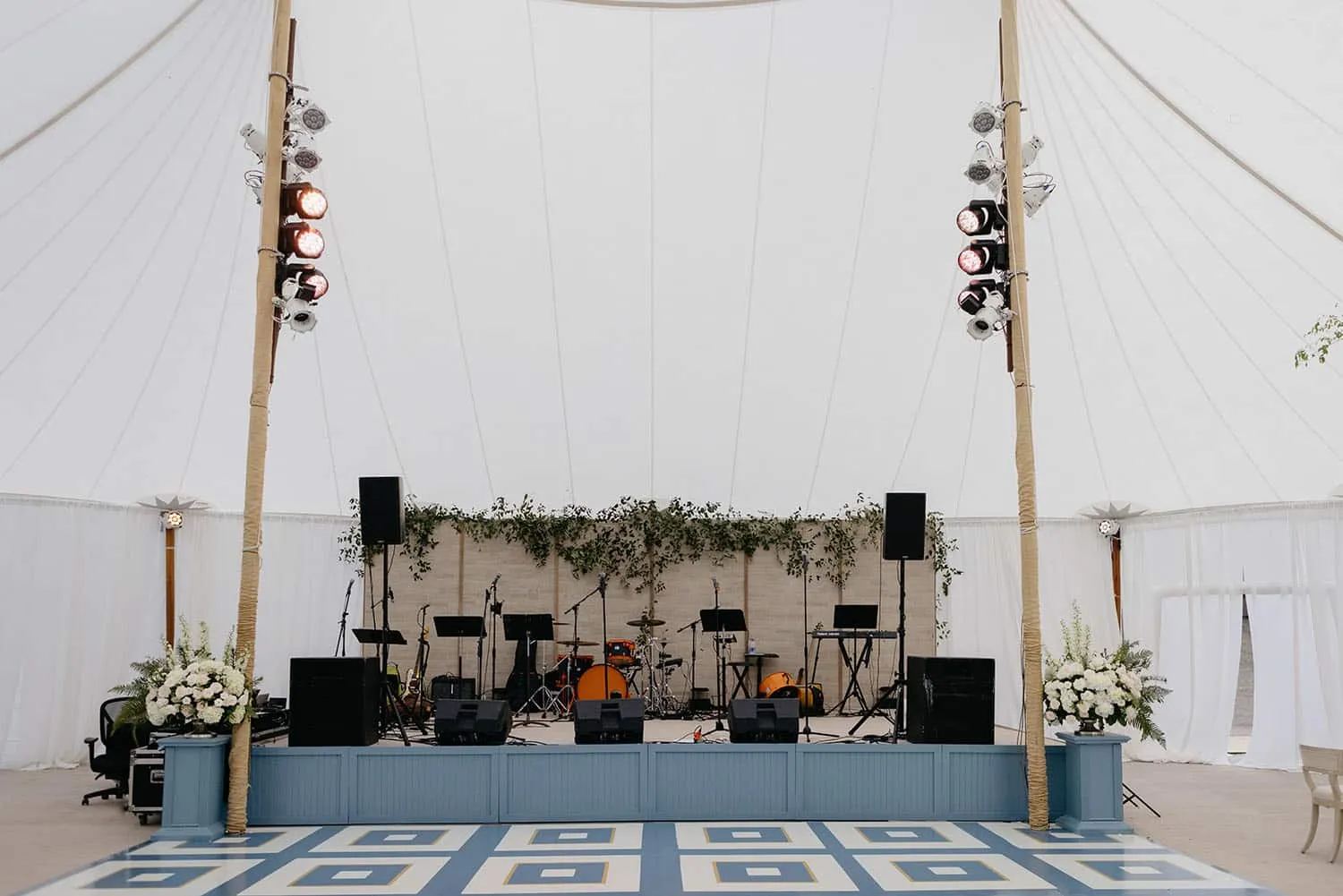
Reliable electricity is fundamental to a tented event because lighting, entertainment equipment, catering systems, and climate control may all depend on the temporary power infrastructure. The original content emphasizes calculating electrical demand, selecting appropriate generators, planning distribution, and maintaining backup systems to reduce the risk of interruptions.
Power planning should therefore begin well before installation and account for every major electrical component expected to operate during the event.
Matching Power Generation to Event Requirements
Generator requirements vary considerably depending on the scale and complexity of the event. The source notes that smaller gatherings may use generators in the 1000-to-3000-watt range, while larger events with extensive lighting and audiovisual equipment may require systems exceeding 10000 watts.
Those figures demonstrate why generator selection should be based on actual electrical demand rather than guest count alone. A sophisticated reception with extensive lighting, entertainment, and climate control can have substantially different requirements from a simpler event of a similar size.
The electrical plan may need to account for several systems operating simultaneously. Each contributes to the total demand and should be considered when developing a dependable temporary power setup.
Event tent lighting and chandeliers
Architectural and decorative uplighting
Stage and entertainment lighting
Audio and audiovisual equipment
Heating or air-conditioning systems
Catering and service equipment
LED dance floor installations
Other event production equipment
Calculating these requirements in advance helps prevent overload and supports consistent operation throughout the event.
Managing Temporary Power Distribution Safely
Temporary electrical distribution needs to be carefully coordinated throughout an outdoor event site. The original content highlights local electrical requirements, cable management, surge protection, and strategic generator placement as important considerations.
Cables should be routed to minimize hazards while still allowing equipment to receive dependable power. Generator positioning should also account for accessibility and the overall event layout.
Power planning becomes particularly important when several production systems depend on the same infrastructure. Lighting, HVAC, entertainment, and catering requirements should be considered together so that electrical distribution supports the complete event rather than individual components in isolation.
Integrating Climate Control into Outdoor Event Structures
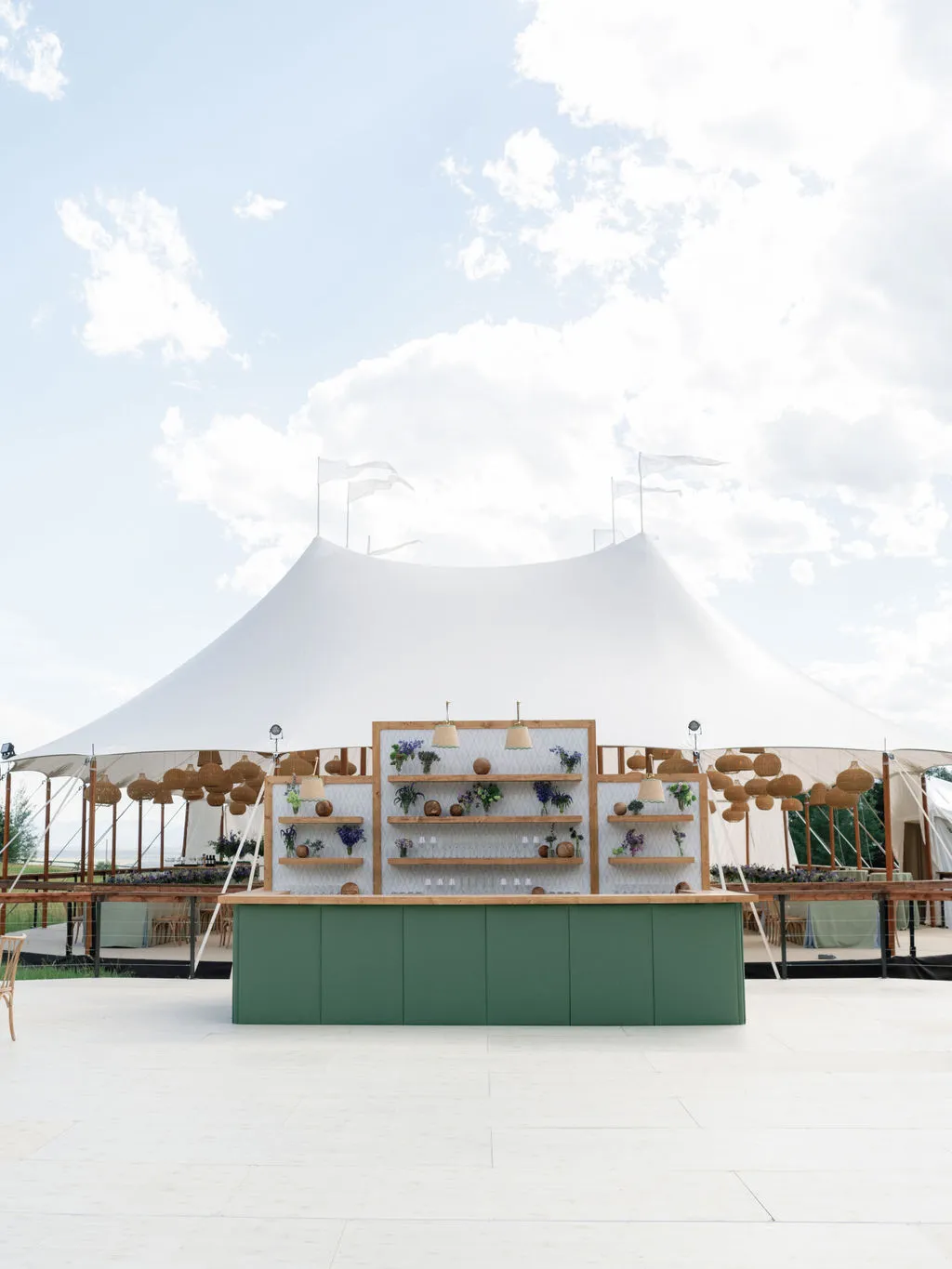
Seasonal weather can quickly affect comfort inside an event tent. Heating, ventilation, and air conditioning systems can help create a more controlled interior environment when outdoor temperatures are unsuitable for the planned celebration.
The original source identifies packaged HVAC systems, ducted air conditioning, and radiant heating among the available approaches, with equipment selection influenced by temperature requirements and acceptable noise levels.
Selecting Climate Control for Guest Comfort
The right climate system depends on the season, tent size, guest count, event layout, and expected outdoor conditions. A large tent with a substantial interior volume may require a different approach from an intimate structure.
Noise is another important consideration. Climate equipment should maintain comfortable conditions without unnecessarily interfering with speeches, music, or conversation.
The original content specifically notes that packaged systems can provide heating and cooling while maintaining relatively low noise levels, while radiant heating can provide warmth in colder conditions.
For larger events, zoning can also help distribute heating or cooling according to how different sections of the tent are being used.
Coordinating HVAC with Tent Structure and Power
Climate control cannot be planned separately from the tent itself. The structure determines where equipment can be positioned, how conditioned air moves, and how efficiently temperatures can be maintained.
Clearspan tents can offer useful flexibility for HVAC integration because of their open structural design. The source also emphasizes coordinating climate equipment with the electrical plan so systems can operate reliably.
Several structural and site conditions can influence the final climate-control strategy. Reviewing them before installation allows the tent, HVAC, and electrical systems to function together more effectively.
Overall tent size and interior volume
Expected number of guests
Tent orientation on the site
Sidewall configuration
Equipment placement
Available electrical capacity
Outdoor temperature and weather conditions
Zones requiring targeted heating or cooling
Larger structures may require multiple units, while orientation and enclosure can affect heating and cooling performance.
Designing Event Tent Lighting for Function and Atmosphere
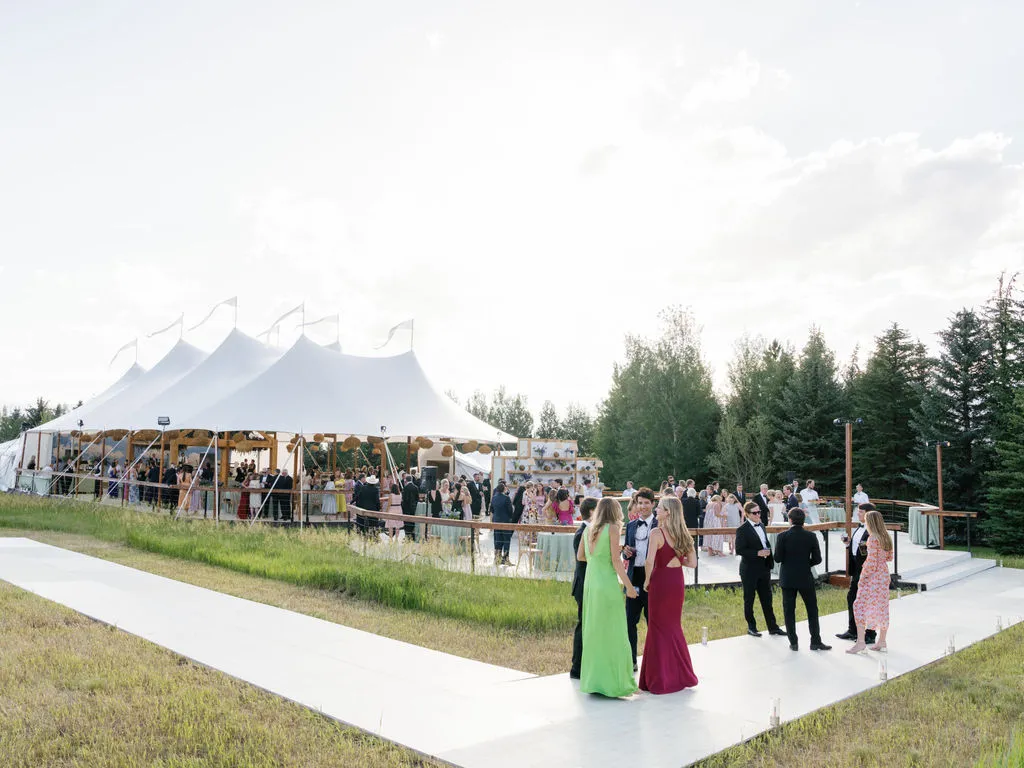
Lighting serves both practical and aesthetic purposes within seasonal event structures. It provides visibility for guests and event teams while determining how the tent feels after natural daylight fades.
The source identifies chandeliers, string lights, task lighting, LEDs, and smart controls among the lighting options suitable for tent environments. A layered professional design can build on these elements with architectural uplighting, pin spotting, stage lighting, and decorative fixtures.
Selecting Lighting Fixtures for Tented Events
Fixture selection should reflect the style and function of each area. Chandeliers can establish an elegant overhead focal point, while string or fairy lights can provide softer ambient illumination across the tent.
Architectural uplighting can add depth to perimeter surfaces and structural elements. Pin spots can highlight centerpieces, floral installations, cakes, or other important décor. Stage lighting can provide visibility for entertainment and presentations, while intelligent fixtures can support more dynamic moments later in the event.
A balanced tent lighting design may combine several layers:
Statement chandeliers for overhead focal points
String or fairy lights for ambient illumination
Architectural uplighting around the tent perimeter
Pin spotting for floral and tabletop details
Stage lighting for entertainment and presentations
LED dance floor lighting for receptions
Custom gobos for monograms or branded projections
Programmable lighting scenes for different event phases
The goal is to avoid relying on one fixture type to illuminate the entire structure. Layering allows functional and decorative lighting to perform separate roles while contributing to one cohesive environment.
Installing and Controlling Tent Lighting
Outdoor installations require careful attention to fixture placement, connections, cables, and testing. The original content specifically recommends weather-appropriate connections, secured cabling, and pre-event testing.
Lighting controls can then allow the atmosphere to change throughout the celebration. An event may begin with natural daylight and understated supplemental illumination before transitioning into warmer dinner lighting and more dynamic effects for entertainment.
Professional control also allows changes in intensity and color without disrupting the overall visual design. Instead of treating the lighting as static décor, it becomes part of the progression of the event.
Choosing Tent Structures and Preparing the Event Site
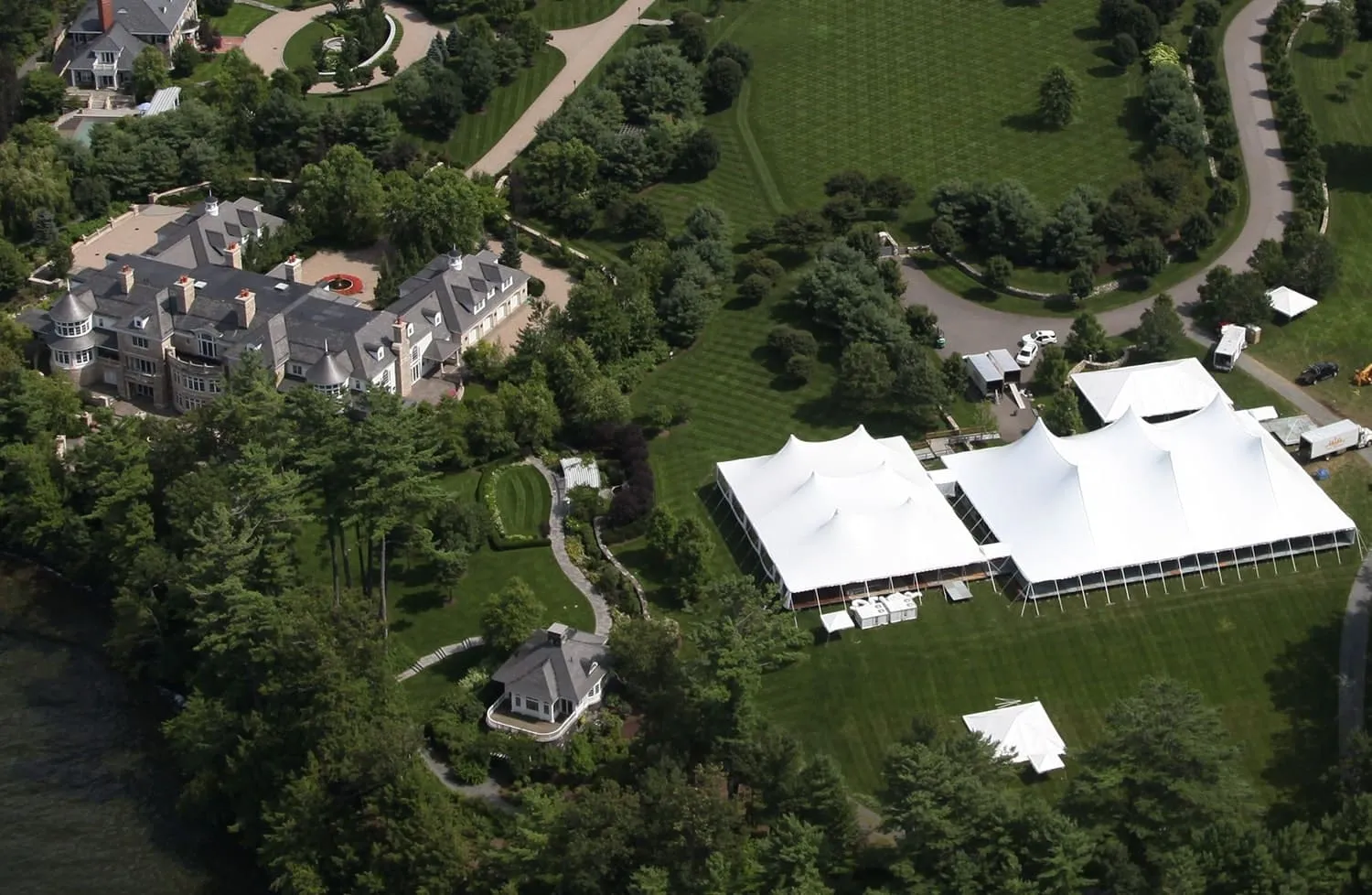
The tent itself has a direct impact on infrastructure planning. Clearspan, frame, clear-top, and sailcloth tents differ in structural design, interior layout, natural light, and their ability to accommodate production equipment.
The source explains that clearspan structures provide open interior space without support poles, frame tents offer flexibility, clear-top structures introduce natural light, and sailcloth tents provide an elegant aesthetic for upscale settings.
Matching Tent Type with Event Infrastructure
A tent should be selected with the complete event design in mind. If extensive climate control, lighting, staging, or other equipment is planned, the structure must support those requirements.
Clearspan tents can be especially useful for large productions because their open interiors allow greater freedom for layouts and equipment. Sailcloth tents create a different visual experience and can make natural daylight part of the design.
Clear-top tents also take advantage of daylight, but lighting should still be planned for the transition into evening. Frame structures offer flexibility where site conditions or space influence the installation.
The strongest choice depends on how structure, aesthetics, lighting, climate control, and guest flow need to interact.
Evaluating Terrain, Flooring, and Site Logistics
Site evaluation is another important part of seasonal event planning. Terrain can affect generator placement, tent installation, HVAC positioning, flooring, and equipment access.
The original article notes that uneven surfaces and geographical features such as trees or buildings can influence equipment placement and site logistics.
Flooring should also respond to the terrain and anticipated weather. For wet or muddy conditions, the source suggests options such as interlocking tiles or composite boards, while solid ground may support lighter finishes such as rugs or carpeting.
A thorough site evaluation can address:
Ground conditions and terrain
Equipment access routes
Generator placement
HVAC positioning
Tent orientation
Flooring requirements
Guest entrances and pathways
Accessible routes throughout the event
Planning these details together reduces conflicts between production equipment and the guest environment.
Coordinating Power, Climate and Lighting as One Event System
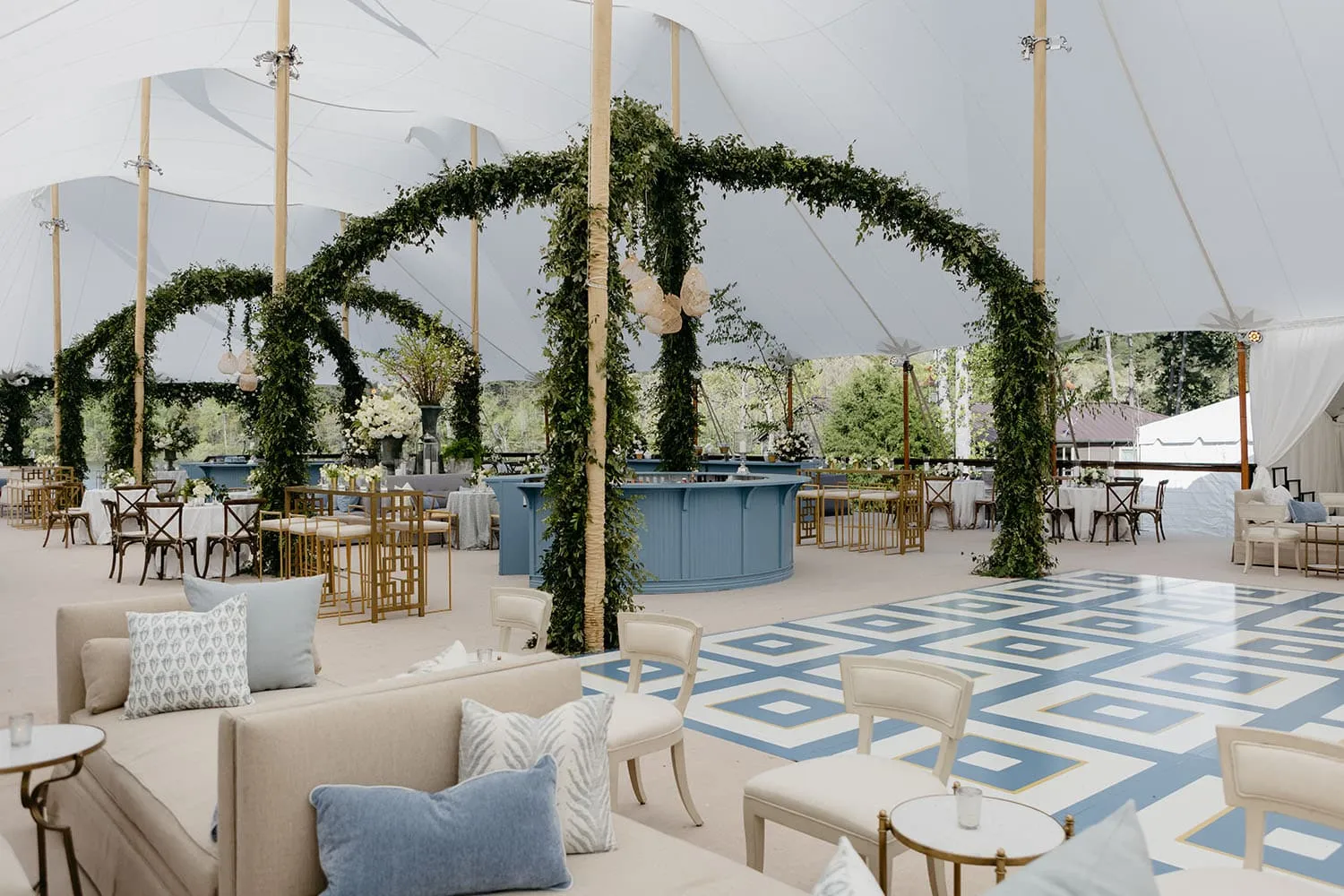
The most successful seasonal event structures treat infrastructure as an interconnected system. Power affects climate control and lighting, the tent influences equipment placement, and site conditions affect nearly every installation decision.
The original content repeatedly emphasizes coordination between these components as essential for creating a functional and comfortable event environment.
Planning Around Guest Count and Event Layout
Guest count helps determine tent size, but it also influences climate requirements, lighting coverage, flooring, and power demand.
The original content suggests considering space allocation per guest while also accounting for the type of event and seasonal conditions. A seated wedding, corporate gala, cocktail reception, or event with a substantial dance floor can each require different layouts.
Once the layout is established, lighting can be planned around specific zones. Dining areas may use softer ambient illumination, stages need focused coverage, pathways require functional visibility, and dance floors can incorporate more dynamic lighting.
This coordinated approach helps ensure infrastructure supports both the technical requirements and the desired guest experience.
Creating a Cohesive Seasonal Event Environment
Technical systems should ultimately support the design rather than dominate it. Generators, HVAC equipment, cables, and controls are essential, but guests should primarily experience a comfortable and beautifully illuminated environment.
Thoughtful coordination allows chandeliers, uplighting, stage lighting, custom gobos, and other decorative elements to operate reliably while climate systems maintain comfort.
Lighting can also evolve throughout the event. Daytime tent environments can rely partly on natural light before transitioning into warmer ambient illumination, statement chandeliers, and architectural uplighting. Later, stage and dance floor lighting can introduce greater energy.
This progression transforms a temporary seasonal structure into a complete event environment.
Frequently Asked Questions
What should be considered when planning power for an event tent?
Power planning should account for lighting, HVAC, entertainment, catering, audiovisual systems, and other electrical equipment. Total electrical demand should be evaluated before generator and distribution requirements are determined.
Which tent styles work well with climate control systems?
Clearspan tents can provide useful flexibility for HVAC integration because of their open structural design, although climate control can be incorporated into other tent types with appropriate planning.
What lighting works well inside an event tent?
Chandeliers, string lights, architectural uplighting, pin spots, stage lighting, LED fixtures, and programmable lighting can be layered according to the event’s atmosphere and functional requirements.
Can tent lighting change throughout an event?
Yes. Smart lighting controls can adjust illumination according to the event schedule, allowing the atmosphere to evolve between arrival, dinner, speeches, entertainment, and dancing.
Why is pre-event lighting testing important?
Testing helps identify fixture, control, connection, or visual issues before guests arrive and allows final adjustments to lighting tones and placement.
How does terrain affect a seasonal tent installation?
Uneven ground and surrounding site features can affect tent placement, generator positioning, equipment access, flooring, and HVAC installation.
Why should power, HVAC, and lighting be planned together?
These systems are interconnected. Climate control and lighting depend on reliable power, while tent type and site conditions influence where equipment can be installed and how effectively each system operates.
Create a Comfortable and Beautifully Lit Seasonal Event
A successful seasonal tented event combines technical reliability with thoughtful design. Reliable temporary power keeps essential systems operating, climate control protects guest comfort as outdoor conditions change, and professional lighting transforms the structure into an inviting environment. Tent selection, flooring, terrain, equipment placement, and guest flow should all be considered alongside these systems so that every element supports the overall event.
Lighting provides the final visual layer. Statement chandeliers, architectural uplighting, fairy and string lights, custom gobos, stage lighting, pin spotting, and dynamic LED effects can transform a temporary structure into a sophisticated setting for weddings, galas, corporate celebrations, and other seasonal events.
Contact Elegant Event Lighting to create a professional lighting design for your seasonal tented event. From chandeliers and architectural uplighting to custom gobos, stage lighting, LED dance floor effects, and complete tent transformations, Elegant Event Lighting can develop a polished lighting environment that complements your event structure, layout, and celebration vision.