
A coastal setting can create an exceptional backdrop for a wedding, private celebration, corporate gathering, or destination event, but waterfront properties introduce planning conditions that differ significantly from inland venues. Coastal tent event planning requires careful attention to wind exposure, humidity, changing weather, ground conditions, guest access, flooring, power, and climate control before the event design is finalized. Sailcloth tents can complement waterfront settings with soft, flowing profiles, while Frame, Century Pole, Navitrac, and Losberger structures provide additional options for different site conditions and event scales. Skyline Tent Company coordinates these structural choices with engineered flooring, elevated platforms, glass walls, temporary power, climate control, furnishings, and project management. The goal is to preserve the ocean, shoreline, bluff, or waterfront view while creating a temporary venue that feels polished and intentional. When the tent, property, infrastructure, and guest experience are considered together, the natural character of the coast can become part of the event rather than a logistical obstacle that has to be worked around.
Planning Around Coastal Weather and Site Conditions
Waterfront settings can be visually dramatic, but they are also more exposed to wind, humidity, temperature changes, and sudden weather shifts. These factors should influence tent placement and infrastructure from the earliest stages of planning.
The most successful coastal events begin with a realistic understanding of the property rather than selecting a tent based only on appearance.
Evaluating Wind, Terrain, and Sightlines
Every coastal property behaves differently. A beachfront lawn, bluff-top estate, waterfront garden, or sandy shoreline can each require a different structural and flooring approach.
Sightlines should also be considered early because one of the main benefits of a coastal location is the scenery itself. The tent should frame views toward the ocean, water, dunes, cliffs, or surrounding landscape whenever the property allows it.
Wind direction and exposure can also influence where entrances, walls, guest zones, and structural systems are positioned.
Balancing Seclusion with Guest and Vendor Access
Many waterfront venues are appealing because they feel private and removed from crowded surroundings. That seclusion can become a logistical challenge when catering vehicles, installation crews, guests, and equipment all need reliable access.
Sand, dunes, uneven grading, and narrow approach roads can complicate installation and event operations. Pathways should be planned to support both guests and vendors without compromising the setting.
A strong site review should examine the entire event footprint rather than only the area beneath the tent. Coastal conditions affect access, weather exposure, visibility, and guest comfort simultaneously. Addressing these factors early gives planners more flexibility as the design develops.
Wind direction and exposure around the proposed tent location
Sand, grass, slopes, or other ground conditions beneath the event
Clear water views and important natural sightlines
Stable guest pathways and vendor access routes
Space for flooring, climate equipment, power, and support areas
Choosing the Right Tent Style for a Coastal Property
Tent style should respond to both the conditions and visual character of the property. Skyline Tent Company works with Sailcloth, Frame, Century Pole, Navitrac, and Losberger Structure systems, providing several options for shoreline events with different guest counts, terrain, and design goals.
The best structure should protect the event while allowing the surrounding landscape to remain an important part of the experience.
Using Sailcloth and Frame Tents Near the Water
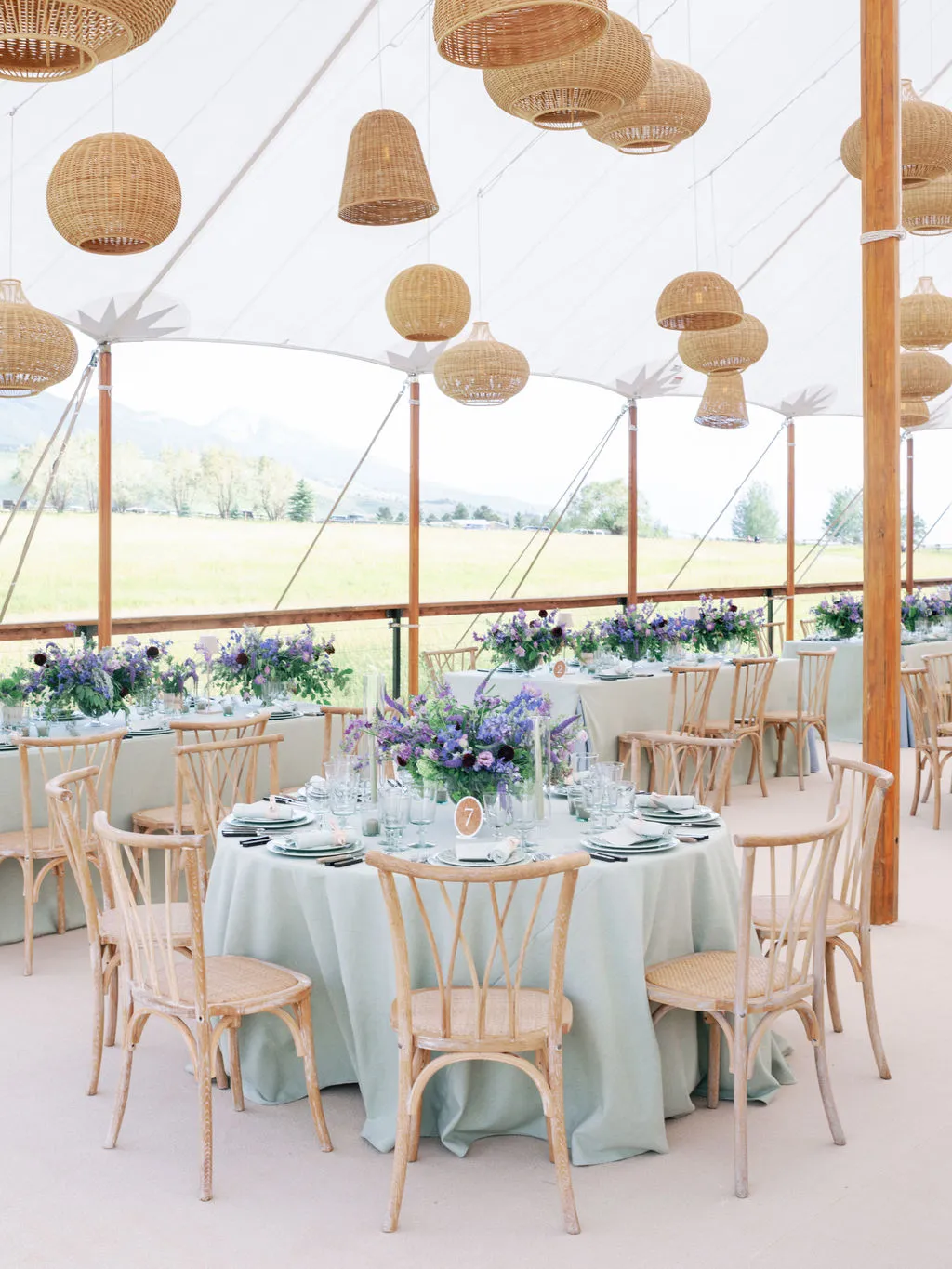
Sailcloth tents can pair naturally with seaside settings because their curved silhouettes and translucent panels echo the movement and openness associated with the coast. The planning material describes Skyline’s Sailcloth tents as fully waterproof and highly wind-resistant, making them an option for suitable exposed sites where weather protection is important.
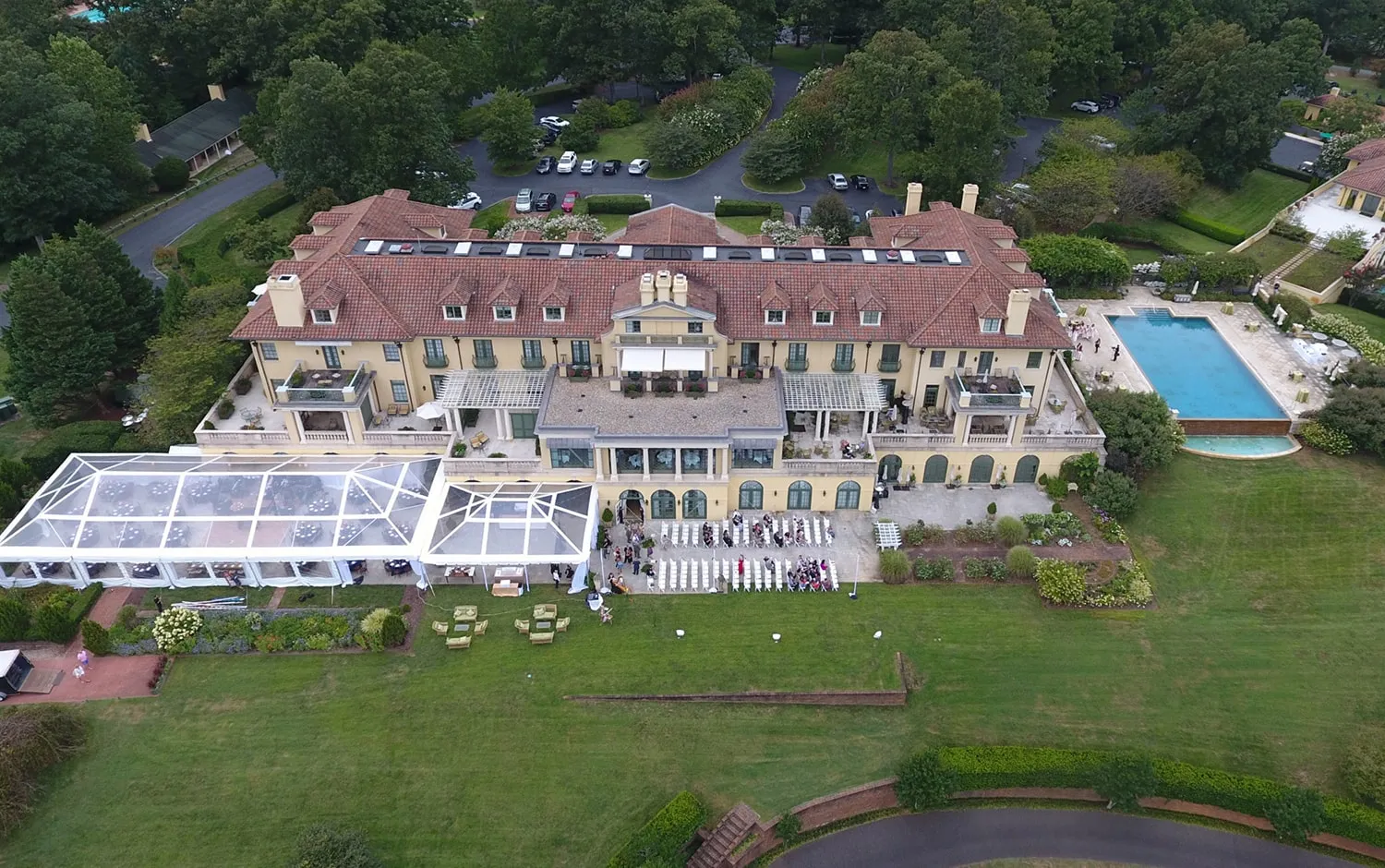
Frame tents provide a different advantage. Their open interiors can support flexible floor plans while preserving clear views toward the surrounding landscape.
For larger events or extended installations, Losberger structures may also offer another engineered option depending on the scale and requirements of the property.
Matching the Structure to the Landscape
A beachfront lawn may call for a different structure from a waterfront estate or coastal garden. The scenery, site geometry, guest count, and level of formality should all influence the decision.
Sailcloth structures can reinforce a relaxed or romantic coastal atmosphere, while frame systems may suit more formal layouts with open interiors and clearly defined dining, entertainment, or lounge zones.
Century Pole tents can provide a classic profile for properties where the coastal setting transitions into gardens or landscaped estate grounds.
The goal is not to force every shoreline venue into the same design. The surrounding property should guide tent selection so the finished structure looks connected to its environment.
Creating Stable Flooring and a Functional Coastal Layout
Ground conditions are one of the most important parts of coastal tent planning. Sand and uneven terrain can affect furniture stability, guest circulation, staging, and flooring unless they are addressed before installation.
Skyline Tent Company uses custom flooring, elevated platforms, and engineered flooring systems to create more consistent surfaces for tented events on challenging properties.
Building a Level Surface Over Sand or Uneven Ground
Engineered flooring can create a more stable event surface over changing terrain. Elevated platforms may also be used where slope, grade, or ground conditions require separation between the natural surface and the finished venue. For more detail, see our article Venue + Tent Pairing: The Complete Guide to Matching Tents with Any Event Location.
The planning material identifies Biljax TF2100 engineered flooring as part of Skyline’s inventory for event applications. We cover this further in Back-of-House Event Tent Planning Essentials.
A finished surface makes it easier to position dining tables, lounge furniture, bars, stages, and dance floors without asking the natural ground to accommodate every part of the event directly.
Planning Space Around Guest Count and Event Format
The amount of flooring required depends on more than the guest list. A seated dinner, cocktail reception, dance-heavy wedding, or corporate program can each use the same guest count differently.
Dance floors, lounge areas, bars, stages, catering stations, and circulation all add to the footprint.
Flooring and layout should therefore be planned together from the beginning. The surface needs to cover the areas guests and staff will actually use. Extending the plan beyond seating alone reduces last-minute compromises.
Elevated platforms for uneven or shifting terrain
Engineered flooring for primary guest and service areas
Glass wall enclosures where wind control and views both matter
Space calculated around the event format, not guest count alone
Additional footprint for dancing, lounges, bars, and staging
Coordinating Power, Climate Control, and Guest Comfort
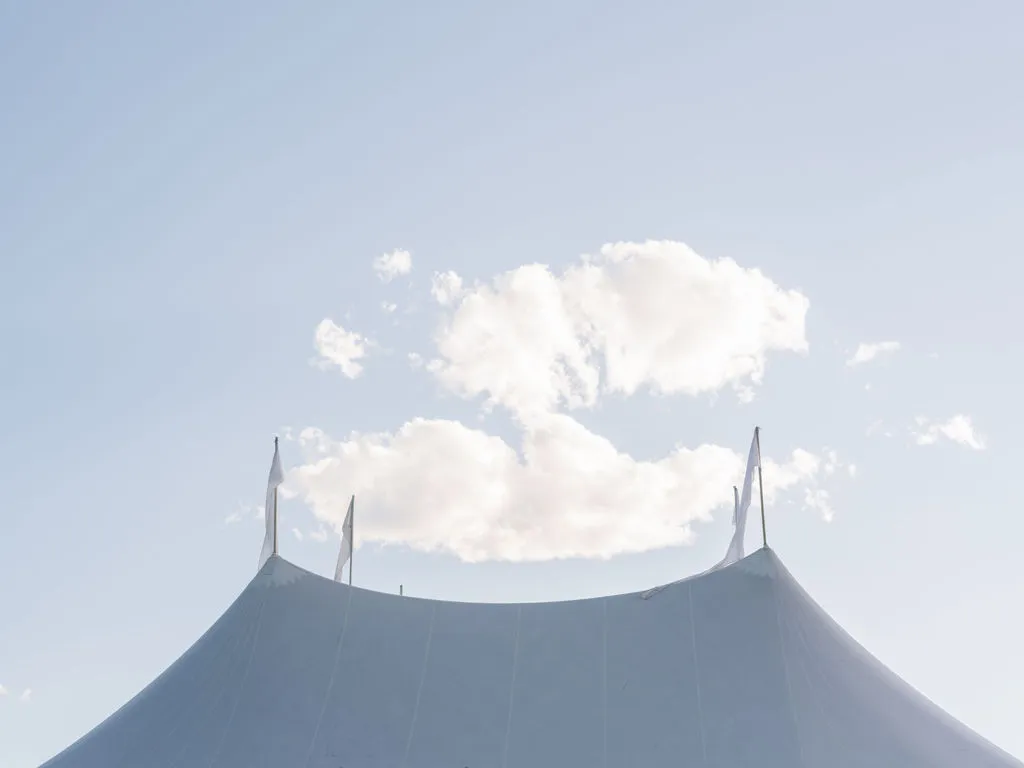
A coastal event may experience warm daytime temperatures, changing humidity, evening breezes, or sudden shifts in weather. Temporary infrastructure should be planned to keep those conditions from dominating the guest experience. We cover this further in How to Secure Tent Sidewalls Against Autumn Coastal Winds.
Power generation and climate control become especially important when the property itself does not provide enough infrastructure for a large temporary venue. Read more in Event Tent Power Planning for Large Galas.
Planning Climate Control for Coastal Conditions
Humidity, wind, and temperature changes can influence how comfortable a tent feels throughout the day.
Heating, cooling, and airflow requirements should be considered according to tent size, guest count, season, enclosure, and the specific conditions of the site.
Climate equipment should also be positioned with the event layout in mind. Mechanical systems should support the space without interfering with views, entrances, circulation, or important guest areas.
Supporting Lighting, Catering, and Event Systems with Power
Lighting, catering equipment, entertainment, climate control, and other event systems may all depend on temporary power.
Generator placement and power distribution should be coordinated with the full site plan instead of being decided after the tent is installed.
The coastal planning material emphasizes that power, climate, flooring, catering, and guest flow operate as connected decisions. A change to one system can affect several others, which is why early coordination is important.Skyline also provides tables, chairs, and linens, allowing the interior design and infrastructure plan to be developed as parts of the same overall event environment. For more detail, see our article Quiet Generators for Luxury Weddings: Discreet Power Planning Guide.
Managing the Coastal Tent Planning and Installation Process
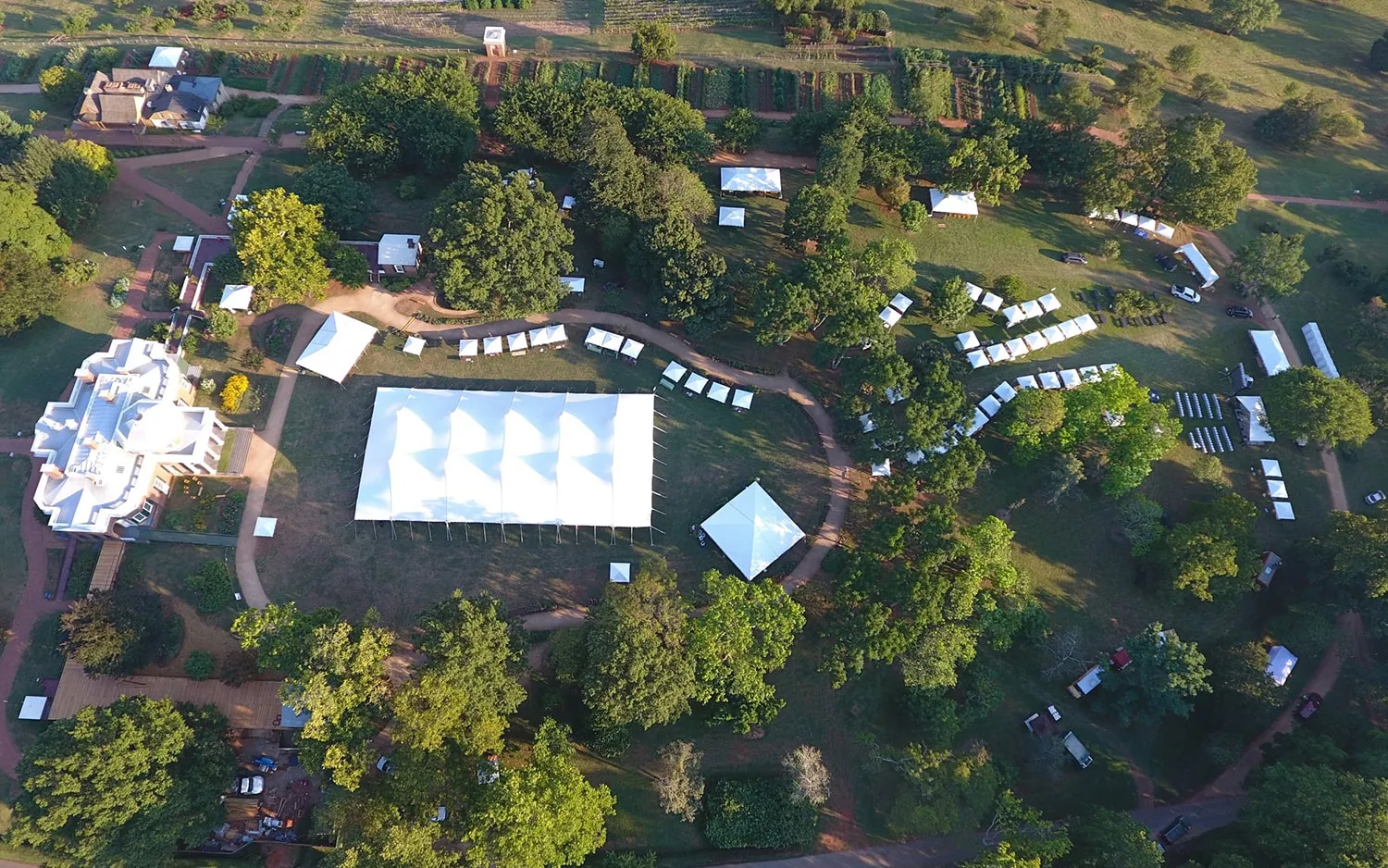
Complex waterfront events benefit from a structured planning process. Site conditions, tent engineering, flooring, layout, utilities, furnishings, installation, and weather planning all need to be coordinated before the event date.
Skyline Tent Company’s process begins with understanding the property and the client’s goals, followed by site evaluation, layout development, and project management.
Turning a Coastal Site Review into a Custom Layout
When feasible, an on-site evaluation allows the property to be reviewed for wind exposure, changing ground conditions, access routes, available space, and tent placement.
That information can then guide the custom layout and proposal. Rather than applying a generic configuration, the tent plan can reflect the actual footprint and logistical requirements of the property.
A private consultation also allows clients to review tent options and relevant engineering details before the final structure is selected.
Coordinating Installation, Furnishings, and Event Support
Professional setup and takedown are particularly valuable at coastal sites because installation may involve challenging ground conditions, wind exposure, and limited access windows.
Project management and event consulting can help coordinate the structure with flooring, climate systems, furnishings, guest flow, and broader event logistics.
Skyline Tent Company was founded in 2004 and provides nationwide service along with international consulting, giving planners access to support for coastal events beyond a single region.
A polished event depends on several final elements working together. These details should be coordinated before installation rather than solved independently on site. Doing so helps preserve the visual simplicity guests experience during the event.
Coordinated tables, chairs, and linens
Professional tent setup and takedown
Project management and event consulting
Site-specific flooring and structural planning
Coordinated climate, power, and guest-flow systems
Frequently Asked Questions
What makes coastal tent events different from inland events?
Coastal events often require additional planning for wind exposure, humidity, salt air, changing temperatures, sand, uneven ground, and property access. These conditions can influence tent style, flooring, climate control, power, and guest circulation.
Which tent style works best for a coastal property?
The best structure depends on the site. Sailcloth tents can complement waterfront scenery and are described by Skyline as fully waterproof and highly wind-resistant, while frame tents provide open interiors and flexible layouts.
Can a tented event be installed on sand?
Yes, appropriate flooring and platform systems can help create a more stable event surface over sandy or uneven ground. The exact solution should be based on the individual site conditions.
Can coastal tents include climate control?
Yes. Skyline Tent Company provides power generation and climate-control services that can support heating, cooling, airflow, and other event systems.
Should a coastal property be evaluated before choosing a tent?
Yes. Wind exposure, terrain, access, sightlines, guest count, and infrastructure should all be considered before finalizing the tent structure and layout.
Plan Your Luxury Coastal Tent Event with Skyline Tent Company
A successful coastal event depends on allowing the natural setting to remain the visual focus while temporary infrastructure quietly supports everything happening around it.
Skyline Tent Company combines Sailcloth, Frame, Century Pole, Navitrac, and Losberger structures with engineered flooring, elevated platforms, glass walls, power generation, climate control, furnishings, professional installation, project management, and event consulting.
From beachfront lawns and waterfront estates to coastal gardens and private shoreline properties, the planning process should begin with the conditions of the site itself. Wind, ground stability, views, access, guest count, and weather all influence the final structure.
Contact Skyline Tent Company to discuss your coastal property, guest count, tent style, flooring requirements, weather exposure, climate needs, power plan, and overall event vision. Their team can help develop a coastal tent event plan that supports the practical demands of the site while preserving the atmosphere and views that make the location distinctive. See how these ideas look on real sites in our tent gallery.