
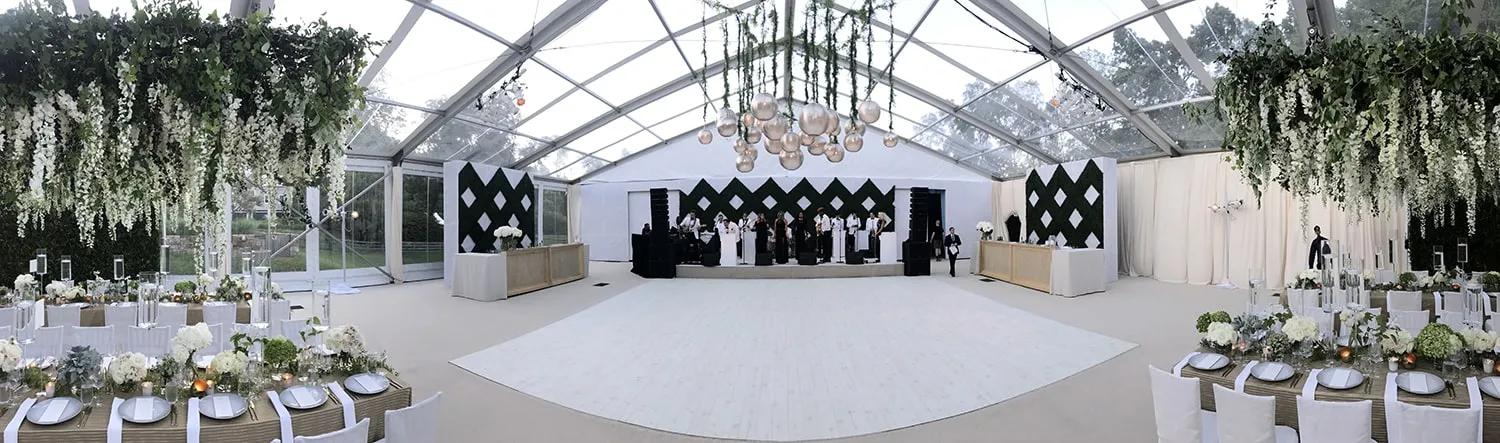
Large tented galas depend on far more than beautiful structures, elegant lighting, and polished décor. Behind the guest experience is a temporary infrastructure plan that must support lighting, climate control, catering equipment, sound systems, staging, and other event technology without interruption. Event tent power planning for a gala should begin early because most outdoor properties and temporary venues do not have enough built-in electrical capacity to support every system at once. Skyline Tent Company coordinates power generation with climate control, tent structure, engineered flooring, layout planning, and event consulting so electrical infrastructure can be integrated into the broader event design. Guest count, vendor equipment, tent size, catering requirements, entertainment, and weather conditions all influence the final power load. Generator sizing and distribution should therefore be based on actual equipment requirements rather than assumptions made shortly before installation. A strong plan keeps technical infrastructure working quietly in the background so guests experience consistent lighting, comfortable temperatures, uninterrupted entertainment, and smooth service throughout the event.
Why Power Planning Should Begin Early
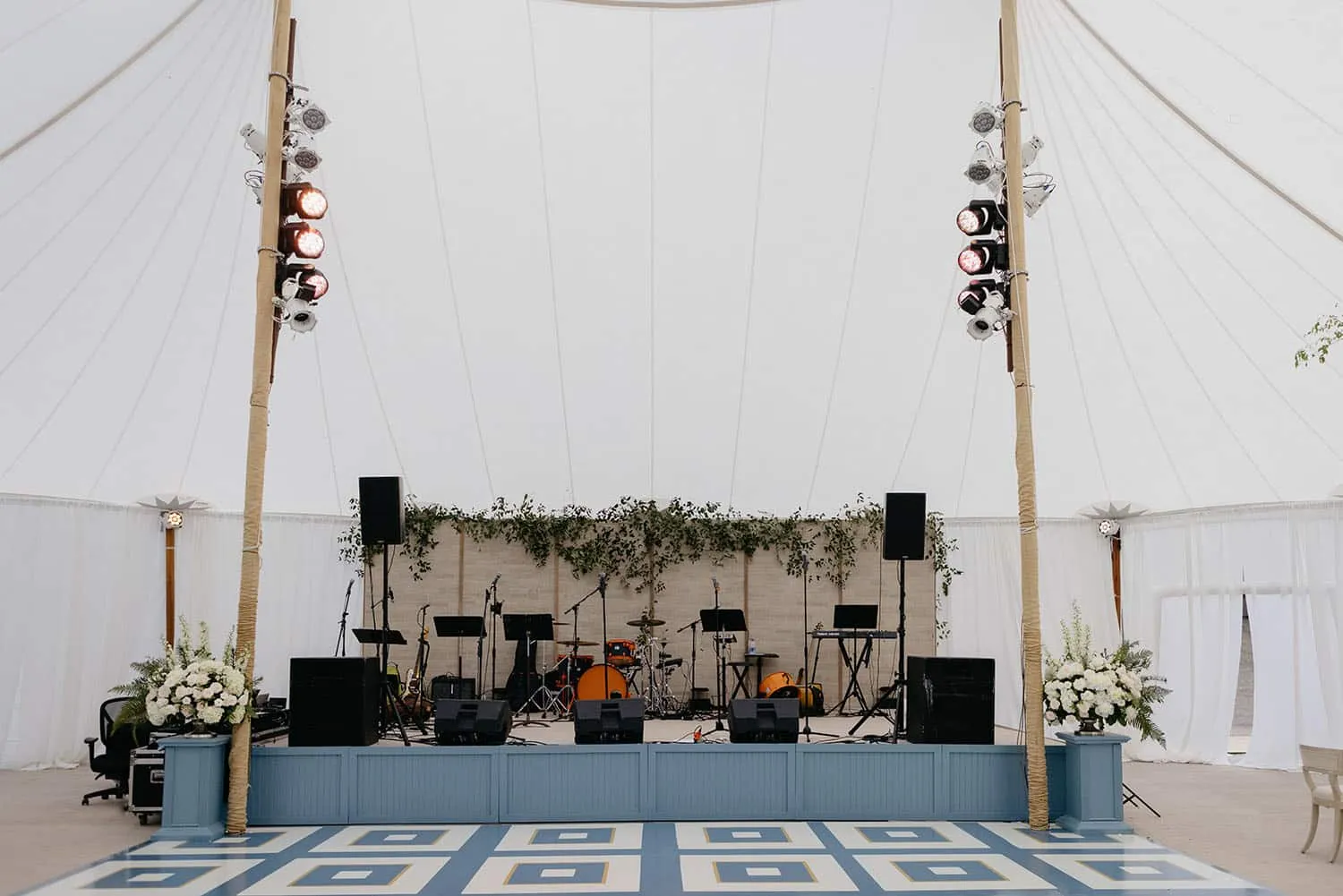
Power is one of the foundational systems behind a large tented gala. Lighting, HVAC, catering equipment, sound systems, and specialty production elements may all draw electricity simultaneously.
Starting early gives planners time to gather vendor requirements, estimate the total electrical load, and secure the appropriate generator and distribution equipment before availability becomes limited.
Coordinating Vendors Before Equipment Is Finalized
Caterers, lighting designers, audio-visual teams, and climate-control providers should be involved in power conversations before their equipment lists are locked.
Each vendor may bring appliances, lighting systems, speakers, heating equipment, cooling equipment, or other devices that require separate circuits or dedicated capacity.
If these requirements are collected only after the generator has been selected, planners may discover that the original system cannot support the final event design.
Avoiding Last-Minute Capacity Problems
Late planning can reduce generator availability and force compromises across lighting, catering, climate control, or entertainment.
An undersized power system can also create problems that are difficult to solve once installation has begun.
Early coordination gives every vendor a confirmed framework for planning equipment needs. It also gives the event team more time to adjust generator capacity if the program changes. Several advantages come from treating power as an early planning decision rather than a final technical detail.
Accurate load estimates across lighting, HVAC, catering, and sound
More time to secure appropriate generator capacity
Vendor equipment lists coordinated around confirmed power availability
Fewer last-minute changes during setup
Calculating the Electrical Load for a Large Gala
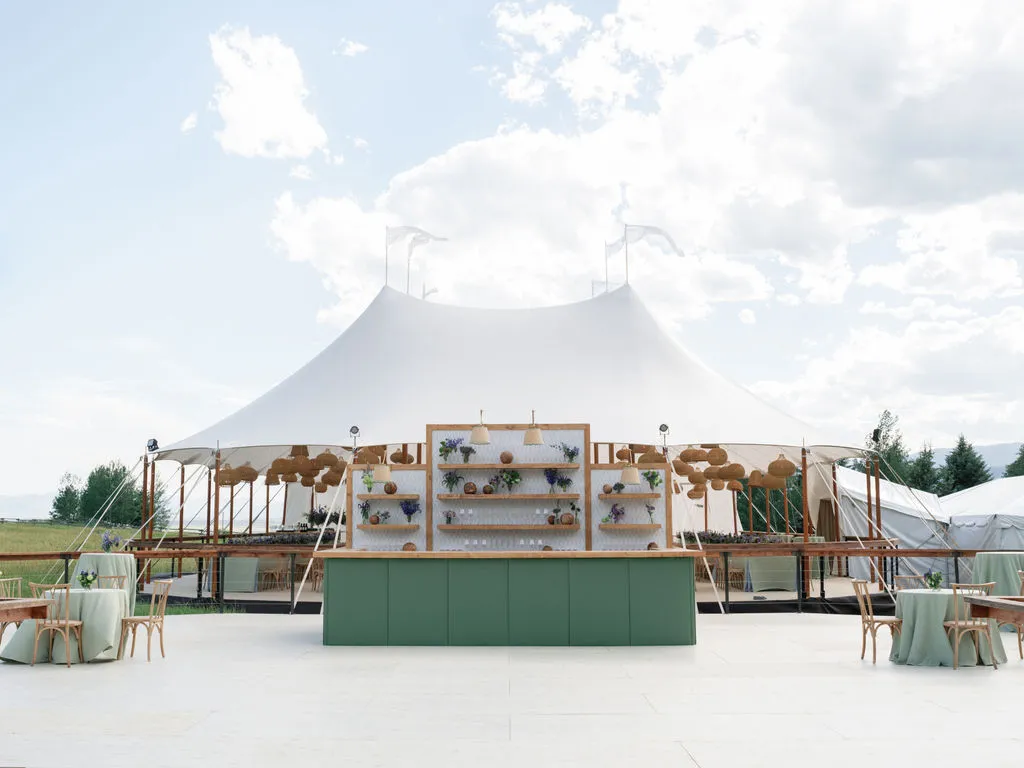
The amount of power required depends on the scale and complexity of the event. Guest count influences tent size, catering volume, climate-control capacity, and the number of fixtures or systems operating throughout the venue.
Vendor requirements add another layer because every catering station, entertainment system, lighting package, or mechanical unit contributes to the total load.
How Guest Count Changes Power Demand
A larger guest list generally requires a larger tent and more supporting infrastructure.
More tables may require more lighting coverage, catering operations may expand, climate systems may need greater capacity, and entertainment production may become more complex.
Generator capacity for a tented gala should be calculated using the actual electrical requirements of lighting, HVAC, catering, entertainment, and other event equipment rather than general guest-count estimates. Qualified electrical professionals should evaluate continuous demand, peak loads, equipment startup requirements, and available power capacity to determine an appropriately sized generator and distribution system. Read more in Evaluate Site Logistics for a Flawless Outdoor Event Setup.
Accounting for Vendor Equipment
Guest count alone cannot determine generator size. Two events with the same attendance may have very different electrical requirements if one uses elaborate lighting, extensive catering equipment, and large climate-control systems.
Planners should therefore request power specifications from every vendor that will connect equipment to the temporary electrical system.
The final load calculation should account for how much equipment will operate simultaneously, not simply the maximum rating of one individual system.
Understanding Regular and High Voltage Power
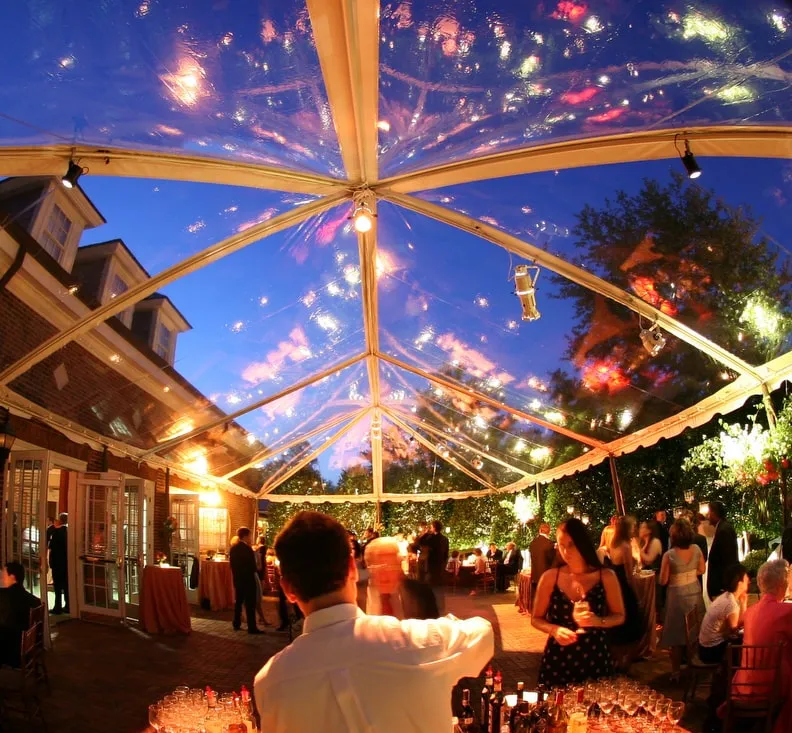
Large tented events may require different electrical distribution configurations depending on the equipment being used. Common three-phase systems include 120/208V for many general event applications and 277/480V for certain larger commercial lighting and mechanical loads. Both are classified as low-voltage electrical systems. Qualified electrical professionals should confirm equipment voltage, phase, circuit capacity, and distribution requirements before selecting generators or connecting temporary power systems. Read more in Quiet Generators for Luxury Weddings: Discreet Power Planning Guide.
Using Regular Power for Standard Event Equipment
Regular power can support many common event needs, including standard lighting fixtures, outlets, and smaller appliances.
These loads may appear modest individually, but a large number of lighting circuits, bar equipment, catering devices, and entertainment systems can add up quickly.
The power plan should therefore distribute standard loads appropriately across the venue instead of concentrating too much demand in one location.
Planning High Voltage for Larger Mechanical Systems
Large HVAC systems represent one of the most common high voltage requirements at a gala. Certain specialized lighting or production systems may also require higher-voltage service.
These systems should be identified before generator and distribution equipment are finalized.
Voltage requirements, total load, and physical equipment placement all need to be reviewed together. A generator with enough total wattage may still be unsuitable if it cannot provide the required voltage or distribution configuration. Confirming these details early helps prevent tripped circuits, overheating, or interruptions during the event.
Standard lighting and smaller appliances may use regular power
Large HVAC equipment may require high voltage service
Specialized production equipment should be reviewed individually
Distribution equipment should match both voltage and total load requirements
Integrating Generators, Layout, and Flooring
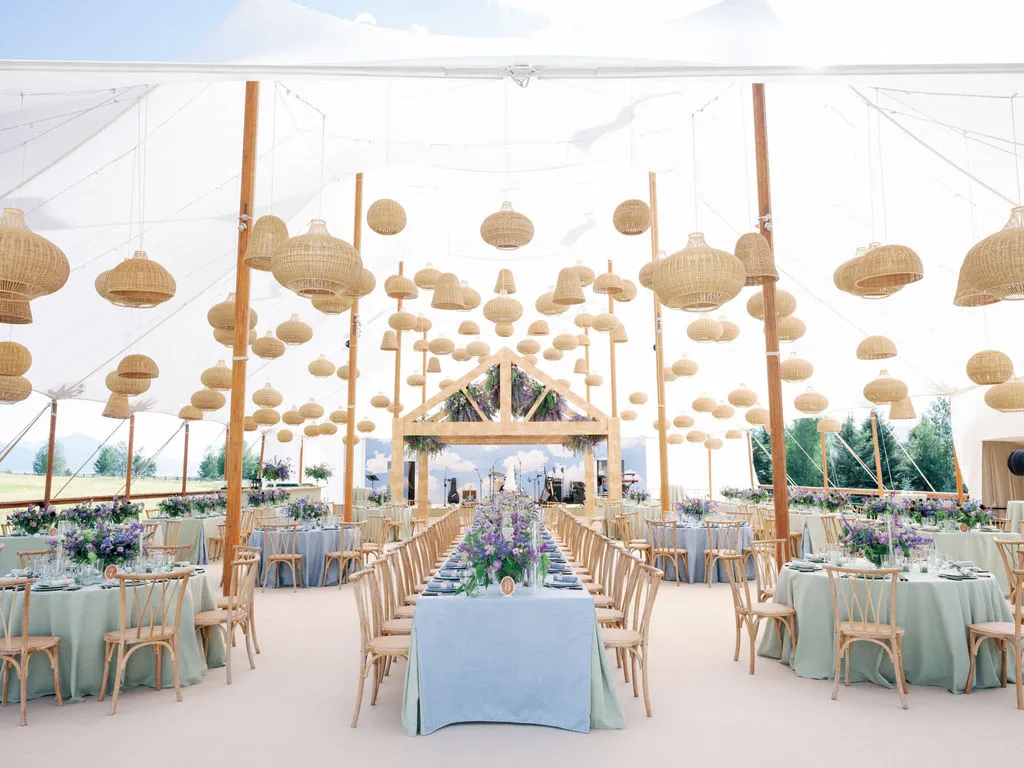
Power infrastructure cannot be planned separately from the tent layout. Generator locations, distribution panels, cable runs, flooring, entrances, guest pathways, catering areas, and stages all compete for space within the same temporary venue.
A detailed floor plan allows electrical infrastructure to be positioned before tables and décor make routing more difficult.
Positioning Generators and Distribution Equipment
Tent placement strongly influences where generators can realistically be located.
Generator placement should account for electrical demand, equipment access, guest circulation, and safe separation from occupied tents and buildings. Fuel-powered generators must operate outdoors with adequate ventilation and exhaust directed away from entrances, windows, air intakes, and gathering areas to reduce carbon monoxide exposure. Qualified professionals should confirm safe placement, electrical connections, and compliance with applicable safety requirements before operation.If generator placement is decided too late, cable runs may become longer or more visible, which can complicate both safety and aesthetics.
Early positioning allows the distribution plan to follow the event layout rather than cutting through it.
Managing Cables Around Guest Areas
Cable management is particularly important at formal galas because exposed cords can interfere with guest pathways and the polished appearance of the venue.
Engineered flooring and elevated platforms can help incorporate cable routes beneath walking surfaces when the installation allows it. Read more in Destination Tent Installation Logistics: Planning for Remote Event Sites.
Skyline Tent Company works with Biljax TF2100 engineered flooring and professional installation services, allowing the flooring and electrical layout to be considered together.
The objective is to keep technical infrastructure functional without making it visually dominant. Electrical routes should support lighting, catering, climate control, and production while preserving comfortable circulation. The entire plan should be reviewed before final furniture placement.
Finalizing Generator Size and the Gala Power Plan
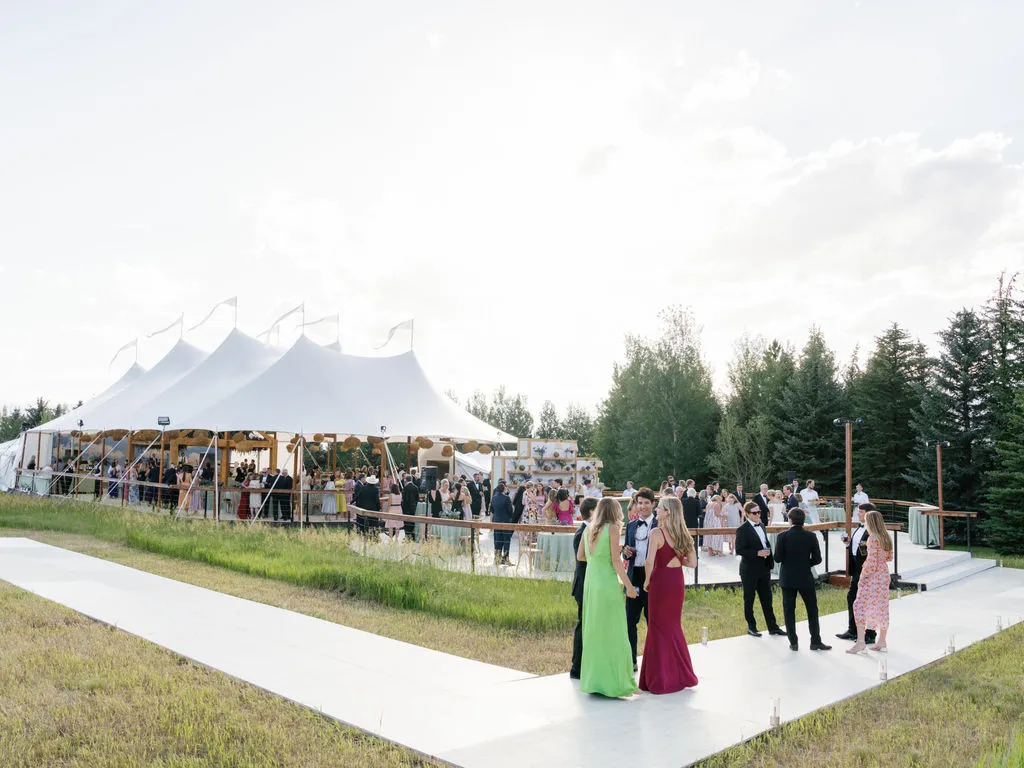
Generator size should be based on the actual electrical load, voltage requirements, venue layout, and equipment distribution.
Small events may need only a compact generator, while larger galas can require industrial equipment or multiple units supplying separate zones.
Matching Generator Capacity to the Event
The planning material describes a broad range of generator categories, from portable units for smaller gatherings to large-scale systems for major galas and festival-style events. For more detail, see our article Tent Site Survey Engineering: Planning Events on Ground.
A simple reception using lighting and limited catering equipment will have very different requirements from a gala with extensive HVAC, production lighting, sound, multiple food stations, and staging.
Generator capacity should therefore reflect the complete equipment list rather than being selected solely by guest count.
Completing a Final Technical Review
Before the event, load calculations, equipment placement, distribution routes, and backup provisions should be reviewed against the final floor plan.
Skyline Tent Company provides project management and event consulting to support this coordination, along with power generation, climate control, flooring, professional installation, and multiple tent systems. The final review should happen after major vendor decisions are confirmed but before installation begins. That allows the electrical plan to be checked against the actual event rather than an early concept. A practical closing review should confirm the core technical and logistical pieces.
Final generator and distribution capacity
Lighting, catering, AV, and HVAC requirements
Generator and panel placement within the site plan
Cable routes beneath or around flooring
Installation timing and vendor coordination
Frequently Asked Questions
Why should power planning start early for a large gala?
Early planning allows the event team to calculate the combined demand from lighting, catering, HVAC, sound, and other equipment before vendors finalize their systems. It also provides more time to secure the necessary generator capacity.
What determines how much power a gala needs?
Guest count, tent size, lighting design, catering equipment, entertainment, climate control, and vendor requirements all affect the final load.
Does a tented gala always need a generator?
Not necessarily, but many temporary or outdoor venues do not provide enough built-in electrical capacity for a large event. The existing utility supply should be assessed before determining whether supplemental generation is needed.
How does flooring affect electrical planning?
Flooring can influence how electrical cables are routed through the venue. Engineered flooring may allow cable paths to be integrated beneath guest walking surfaces rather than running across exposed aisles. Can
Skyline Tent Company help coordinate power and climate control?
Yes. Skyline Tent Company provides power generation, climate control, project management, event consulting, engineered flooring, and professional installation as part of its broader tented-event services.
Plan Your Gala Power Infrastructure with Skyline Tent Company
Reliable electrical infrastructure is one of the most important elements behind a successful large-scale tented gala. Lighting, catering, climate control, audio-visual systems, staging, and other event services all depend on a power plan that matches the final venue layout and equipment requirements. We cover this further in Power Solutions for Large Corporate Event Tents in the Summer.
Skyline Tent Company coordinates power generation with tent structure, climate control, engineered flooring, installation, and project management so these systems can be considered as parts of the same temporary venue.
Starting early gives planners time to collect vendor loads, determine voltage requirements, select generator capacity, map distribution routes, and integrate cables into the flooring and layout before installation begins. See how these ideas look on real sites in our tent gallery.
Contact Skyline Tent Company to discuss your guest count, venue, tent structure, lighting, catering, HVAC, entertainment, generator requirements, and event layout. Their team can help develop an event tent power plan that supports the technical demands of your gala while keeping the guest experience polished and uninterrupted. To talk through a tent for your date and site, contact our team.