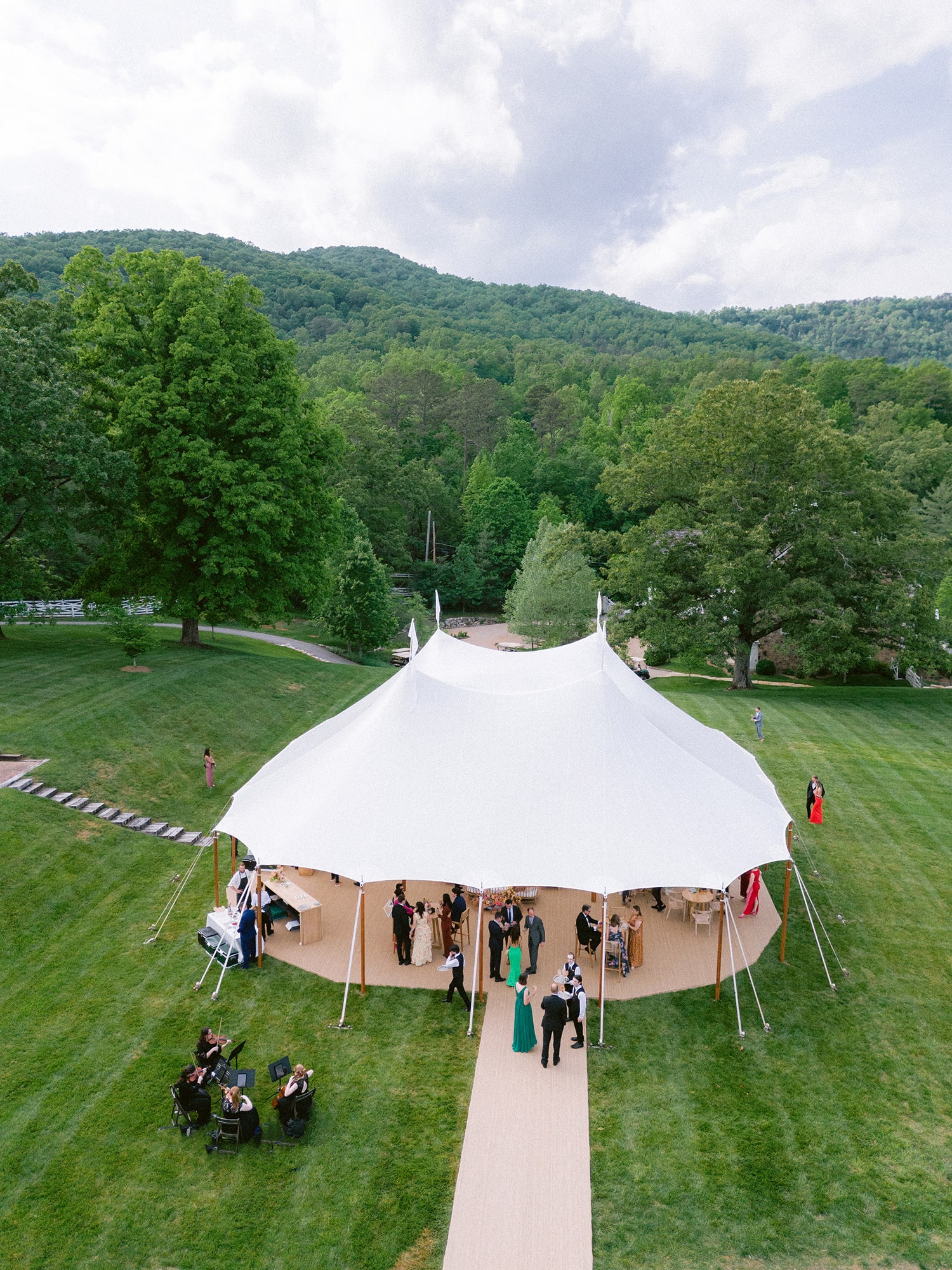
Tent rentals offer a flexible and refined solution for hosting outdoor events, allowing planners to create fully customized environments that balance design, comfort, and operational efficiency, especially for corporate tent rentals. Unlike traditional venues, tents provide the ability to shape the space entirely around the event’s needs, from layout and guest flow to lighting and infrastructure. This adaptability extends to accommodating various weather conditions, enabling events to proceed smoothly regardless of unexpected changes in climate.
This level of adaptability is especially valuable for events where experience and execution must align. Whether the goal is to host a corporate gathering, private celebration, or large-scale event, a well-designed tented environment allows every detail to be intentional. When properly planned, tents do not feel temporary. They function as complete venues that support both aesthetics and performance. The ability to incorporate branding elements and thematic décor within the tent structure further enhances the immersive experience for attendees.
Understanding Tent Structures and Their Role in Event Planning
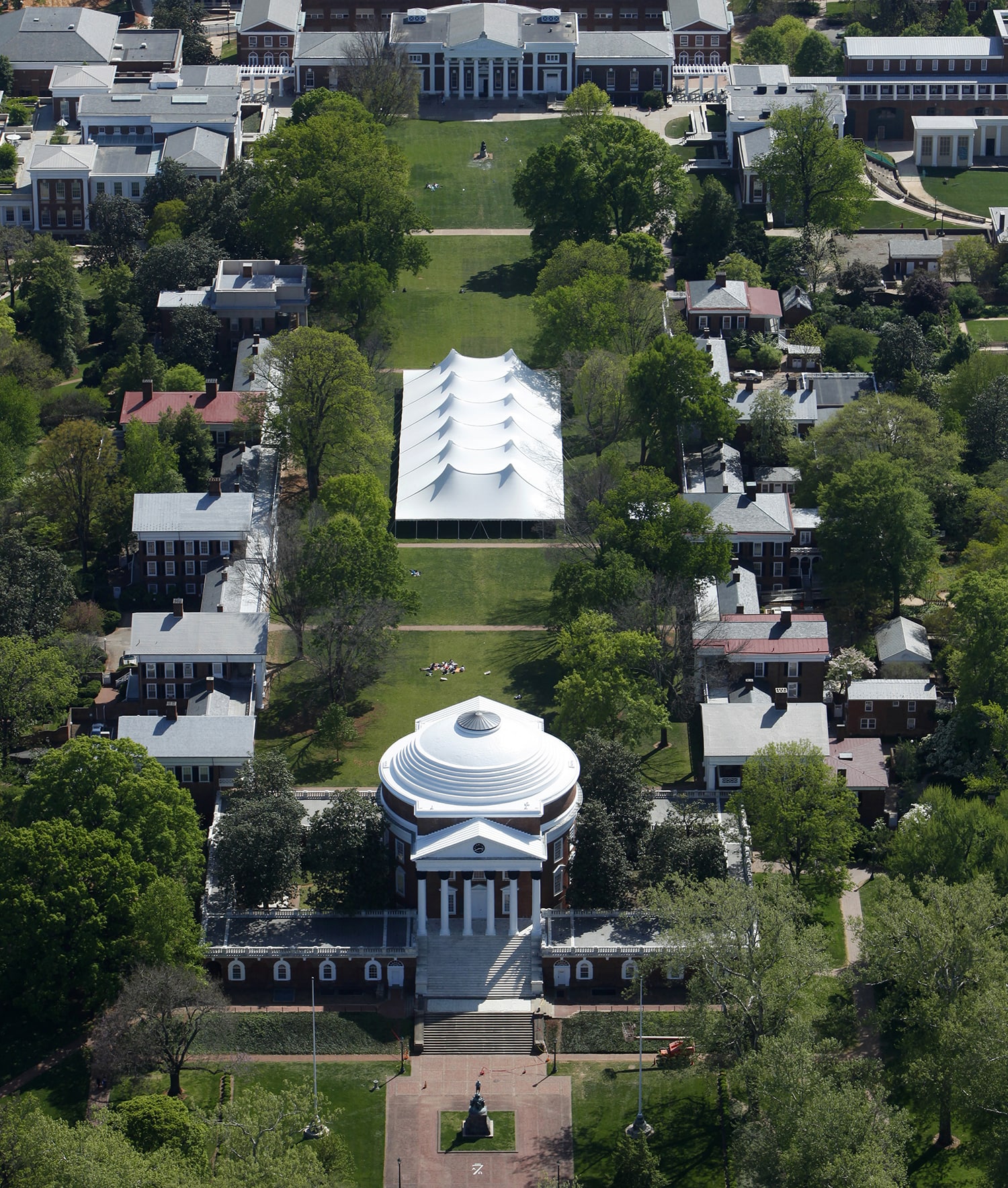
The tent structure defines how the event space can be used. It affects layout flexibility, technical capabilities, and how the environment feels to guests. Structural integrity and safety are paramount, especially for events with large attendance or complex technical setups.
Choosing the Right Structure for Function and Scale
Different tent types serve different purposes, and selecting the right one depends on how the event is intended to operate. Considerations include the expected number of guests, the type of activities planned, and the duration of the event.
Clearspan tents are often used for large events because they provide unobstructed interiors. This allows for flexible layouts, staging, and technical installations without interference. Their modular design also facilitates easy expansion or reduction in size to match event requirements.
Frame tents offer versatility and can be installed on various surfaces. They are well suited for events where site conditions limit anchoring options or where flexibility is required. Their sturdy frames support heavy lighting rigs and audiovisual equipment, making them ideal for performances and presentations.
Sailcloth tents introduce a softer visual element, making them a standout choice for sailcloth tents and elegant outdoor gatherings. Their translucent fabric creates a warm, inviting atmosphere, making them ideal for events that prioritize design and ambiance. The natural light diffusion enhances photography and videography, contributing to lasting memories.
Pole tents provide a more traditional look with high peaks, often used in open outdoor settings where visual presence is important. Their classic silhouette adds elegance to weddings and upscale gatherings, while their design promotes natural ventilation.
Each structure contributes differently to both function and experience, so the decision should always align with the event’s goals. Consulting with tent rental professionals can help identify the best option based on site conditions and event objectives.
How Structure Influences Layout and Experience
The type of tent selected directly impacts how the space is organized. Structural elements determine ceiling height, column placement, and available wall space, all of which influence design possibilities.
Clearspan tents allow open layouts with minimal restriction, making them ideal for complex events. Frame tents enable adaptable configurations in tighter spaces. Sailcloth and pole tents shape the visual atmosphere while influencing how zones are arranged within the structure. The choice of structure also affects acoustics, which is critical for musical performances and speeches.
Understanding these differences early ensures that the tent supports both design intent and operational requirements. Early collaboration between event planners, designers, and tent providers leads to a cohesive plan that maximizes the potential of the chosen structure.
Designing Tent Layouts for Flow and Guest Experience
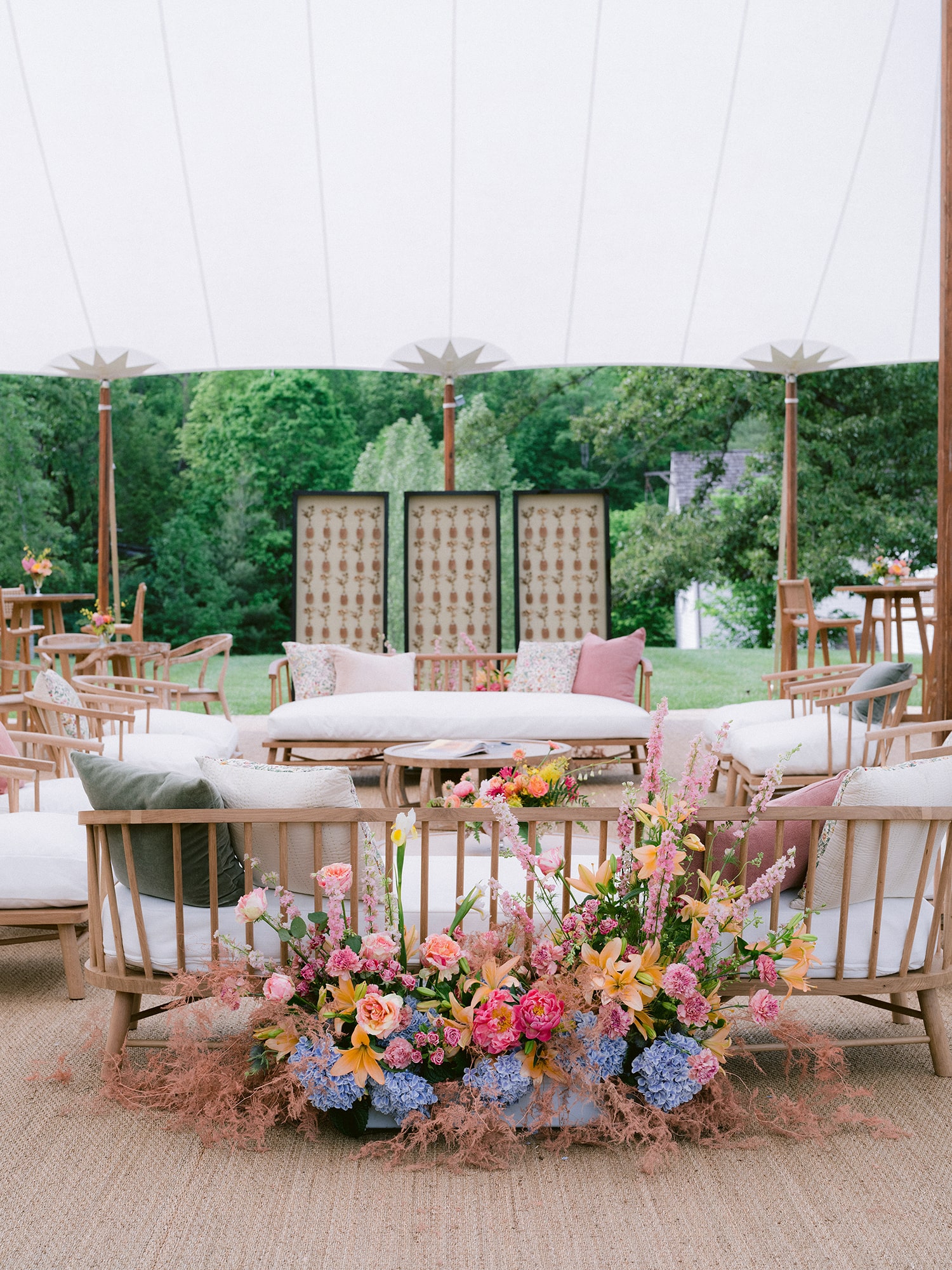
Layout planning determines how guests interact with the space. A well-designed layout allows movement to feel natural and prevents congestion. It also considers accessibility for guests with disabilities, ensuring inclusivity.
Planning Movement Before Placement
One of the most effective ways to design a layout is to focus on movement first. Mapping guest pathways and anticipating bottlenecks helps create a seamless flow.
Guests should be able to:
- Enter and exit without delays
- Navigate between areas without confusion
- Access key features without interrupting others
Pathways should be clear and intuitive. High-traffic areas such as entrances, bars, and service points should be positioned to distribute movement evenly. Incorporating signage and visual cues further assists guests in orienting themselves within the space.
When circulation is planned correctly, the event feels organized without requiring guidance. This enhances guest comfort and encourages social interaction.
Structuring the Space With Purpose
Large tents benefit from defined zones that support different functions. These zones can be designed to accommodate various activities simultaneously without interference.
Instead of dividing the space rigidly, subtle transitions can guide guests naturally. Lighting, furniture placement, and spacing all help define areas without creating separation. Using different flooring textures or colors can also delineate zones while maintaining openness.
A balanced layout often includes:
- A central focal point such as a stage or main area
- Secondary zones for networking or relaxation
- Dining or hospitality areas positioned for accessibility
The goal is to create structure without restricting movement, allowing the space to feel cohesive and easy to navigate. Incorporating flexible furniture and modular elements enables quick reconfiguration if needed during the event.
Enhancing the Environment With Lighting, Flooring, and Climate Control

The interior elements of a tent define how the event is experienced. Structure alone does not create a refined environment. Thoughtful integration of these elements elevates the overall ambiance and functionality.
Lighting and Flooring That Elevate the Space
Lighting influences both atmosphere and functionality, which is why strategic tent lighting is essential for creating memorable event environments. It highlights focal points, supports visibility, and shapes the overall mood of the event. Dynamic lighting systems can adjust intensity and color temperature to match different phases of the event.
A layered lighting approach creates balance:
- Ambient lighting for general visibility
- Accent lighting to highlight design features
- Functional lighting for operational areas
Lighting should evolve throughout the event, adapting to different moments such as presentations, dining, and networking. Incorporating dimmers and programmable controls allows seamless transitions.
Flooring contributes to both comfort and aesthetics. It creates a stable surface, improves accessibility, and ensures consistency throughout the space. Options range from elegant hardwood panels to durable carpet tiles, selected based on event style and expected foot traffic. For more detail, see our article Exploring Tent Flooring Options: Choose the Best for Your Outdoor Event.
The choice of flooring depends on terrain, event style, and expected usage, but it should always support both safety and design. Proper installation also prevents trip hazards and protects the underlying ground. You may also find Charlottesville Party Tent Rentals for Unforgettable Events helpful.
Managing Climate and Guest Comfort
Outdoor events are influenced by environmental conditions, making climate control essential. Effective climate management enhances guest satisfaction and protects equipment. We cover this further in Creative Themed Decor Ideas for Unforgettable Tent Events.
Temperature, airflow, and spacing all contribute to comfort. Effective solutions include:
- Cooling systems to regulate temperature
- Fans to improve air circulation
- Strategic spacing to prevent overcrowding
Airflow is often overlooked but plays a critical role. Even with cooling systems in place, poor circulation can make a space feel uncomfortable. Incorporating vents, open sides, or adjustable panels can improve natural airflow.
When comfort is prioritized, guests remain engaged longer and the event feels more polished. Providing shaded areas and hydration stations further supports guest well-being.
Planning Logistics and Execution for a Seamless Event
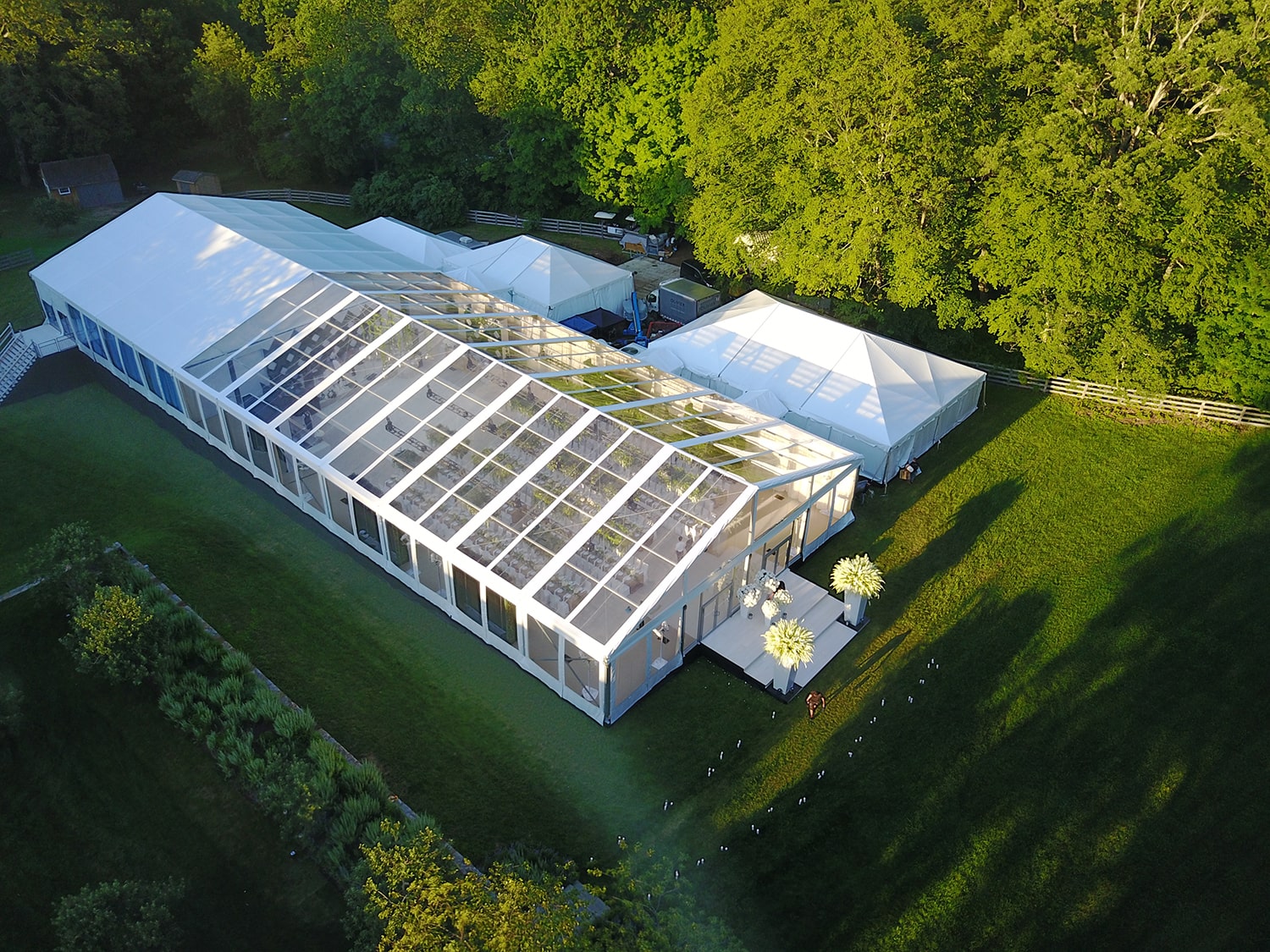
Execution is where planning becomes reality. Even the best designs require coordination to succeed. Detailed timelines and contingency plans help manage unexpected challenges.
Preparing the Site for Installation
Every location introduces unique conditions that affect setup. Thorough site evaluation ensures that the tent and associated infrastructure can be installed safely and efficiently.
Site planning should include:
- Evaluating terrain and stability
- Identifying access points for equipment
- Reviewing any permitting or regulatory requirements
Early assessment helps identify potential challenges and allows adjustments before installation begins. This includes checking for underground utilities and ensuring adequate drainage.
A structured setup process ensures efficiency:
- Tent installation first
- Infrastructure such as flooring and power next
- Lighting, décor, and technical elements last
This sequence prevents conflicts and keeps the process organized. Clear documentation and on-site supervision maintain quality control throughout installation.
Coordinating Vendors and Maintaining Control
Tented events involve multiple teams working together. Without coordination, delays and inefficiencies are likely. Establishing a central point of contact streamlines communication.
Clear communication ensures that:
- Each vendor understands their role
- Work is completed in the correct sequence
- The event begins without last-minute issues
Strong coordination creates a smooth transition from setup to execution and allows the event to run without disruption. Regular progress meetings and checklists help track milestones and address concerns promptly.
Aligning Tent Design With Event Objectives
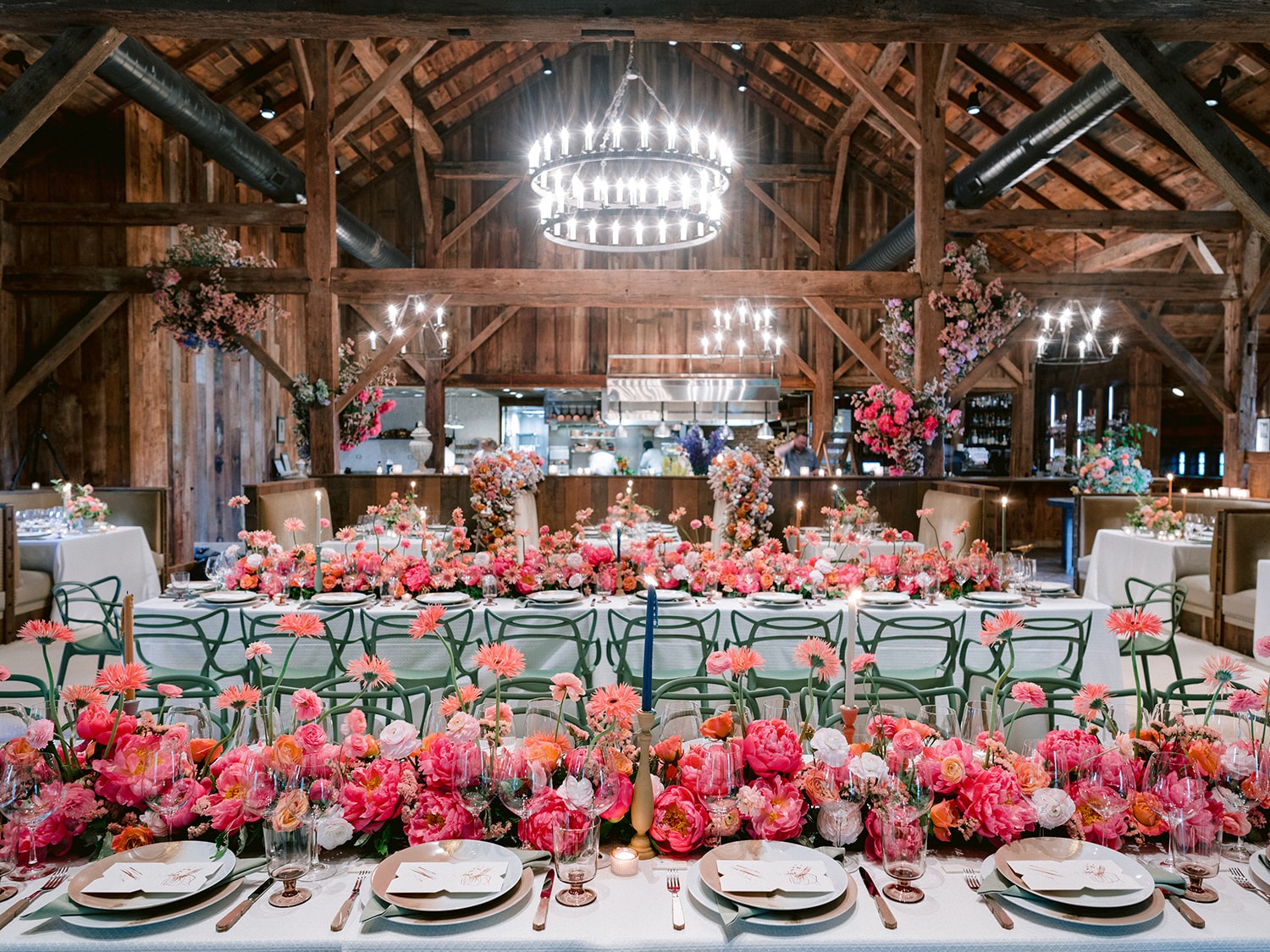
A tented event should reflect its purpose and feel intentional from every angle. The design must resonate with the event’s theme and audience expectations.
Translating Vision Into Physical Space
Design choices such as layout, lighting, and materials all contribute to how the event is perceived. Incorporating elements that reflect the event’s story or brand identity enhances emotional connection.
Brand identity can be expressed through color, structure, and spatial arrangement. Even small details such as symmetry and spacing influence the overall impression. Custom graphics, signage, and branded furniture further reinforce messaging. We cover this further in Why Choose Custom Add-Ons for Your Event Tent.
When design elements are aligned, the environment feels cohesive and refined. This consistency supports memorable experiences and positive feedback.
Balancing Aesthetics With Functionality
Visual appeal is important, but it must support how the event operates. Practical considerations ensure that beauty does not compromise usability.
A successful event balances:
- Clear visibility for presentations
- Comfortable movement for guests
- Efficient access for service teams
When design and functionality are aligned, the space feels effortless and well-executed. This balance contributes to the overall success and professionalism of the event.
Frequently Asked Questions
What is the most versatile tent type for outdoor events?
Clearspan tents are highly versatile due to their open interiors and ability to support a wide range of layouts and technical setups.
How do I ensure proper layout and guest flow?
Plan layouts around movement first, with clear pathways and well-defined zones that guide guests naturally through the space.
What makes a tented event feel high-end?
Attention to lighting, flooring, layout, and comfort creates a cohesive environment that feels refined and intentional.
Conclusion
Tent rentals provide a flexible and sophisticated solution for outdoor events, allowing planners to create environments that are both functional and visually refined. When structure, layout, and supporting elements are aligned, the result is a space that supports seamless execution and enhances the overall guest experience. The ability to tailor every aspect of the tent environment ensures that each event is unique and memorable.
Skyline Tent Company specializes in designing premium tent environments tailored to each event’s unique requirements. From early planning to final installation, their team ensures every detail is handled with precision and care. Schedule your private consultation to create a custom event space that reflects your vision with elegance, comfort, and seamless execution. For inspiration from past installs, browse our tent gallery.