
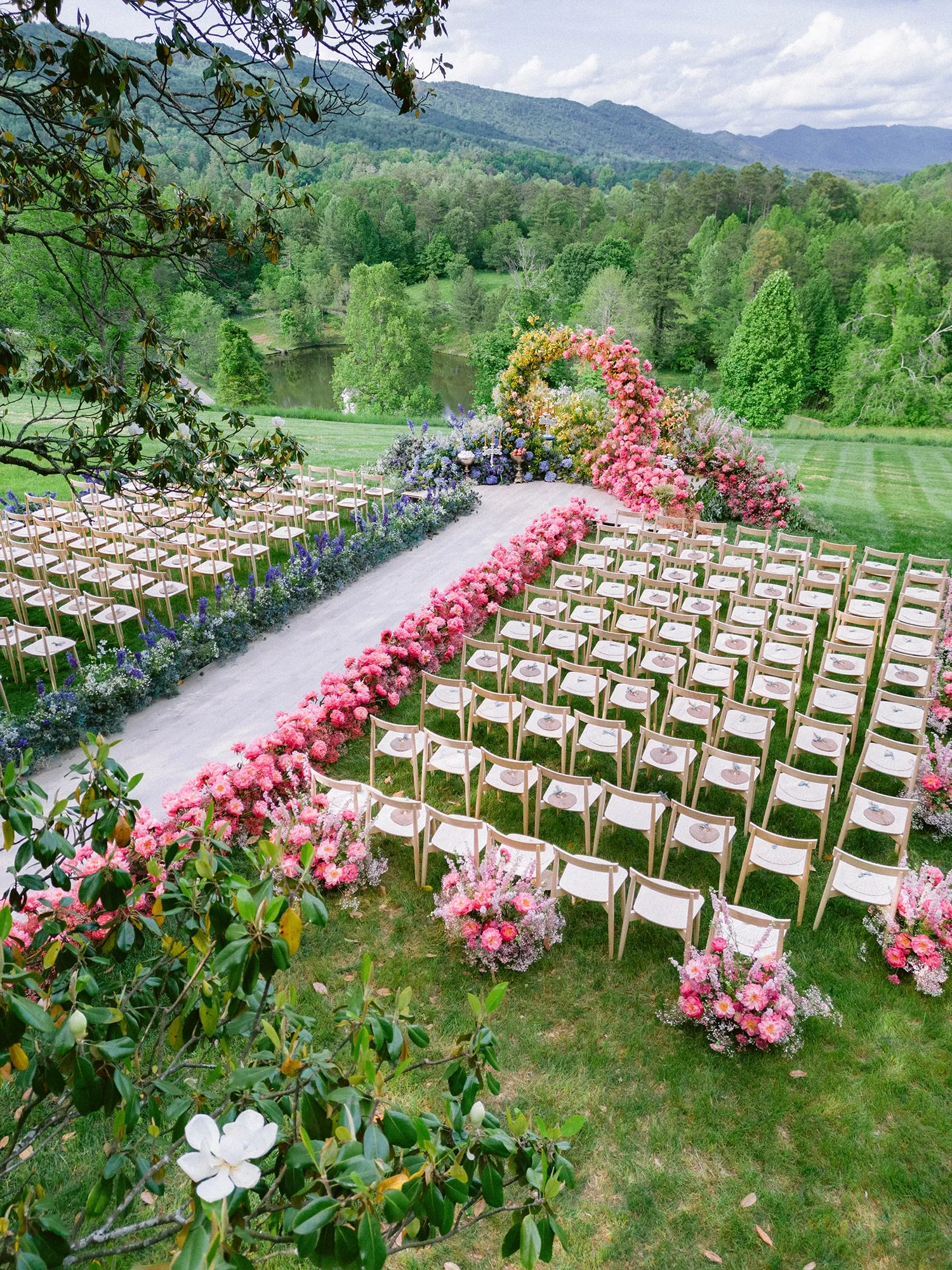
Choosing between temporary venue expansion and permanent construction is an important decision for venues planning to accommodate larger events, seasonal demand, or changing guest requirements. Temporary outdoor structures such as clearspan tents, frame tents, sailcloth tents, and century pole tents provide flexibility, rapid deployment, and customizable layouts without requiring the long-term commitment associated with constructing a permanent building. Permanent construction, by comparison, provides durability, established infrastructure, and a dedicated space for venues expecting consistent year-round use. The right approach depends on event frequency, guest capacity, available property, financial considerations, installation timelines, site logistics, weather requirements, and the desired guest experience. Temporary structures can also incorporate sophisticated flooring, lighting, climate control, and interior finishes, allowing them to function as polished event environments rather than simple outdoor shelters. By understanding the advantages, limitations, expenses, and ideal applications of both approaches, venue owners and event planners can determine which expansion strategy aligns most effectively with their operational goals and long-term plans.
Comparing Temporary Venue Expansion with Permanent Construction
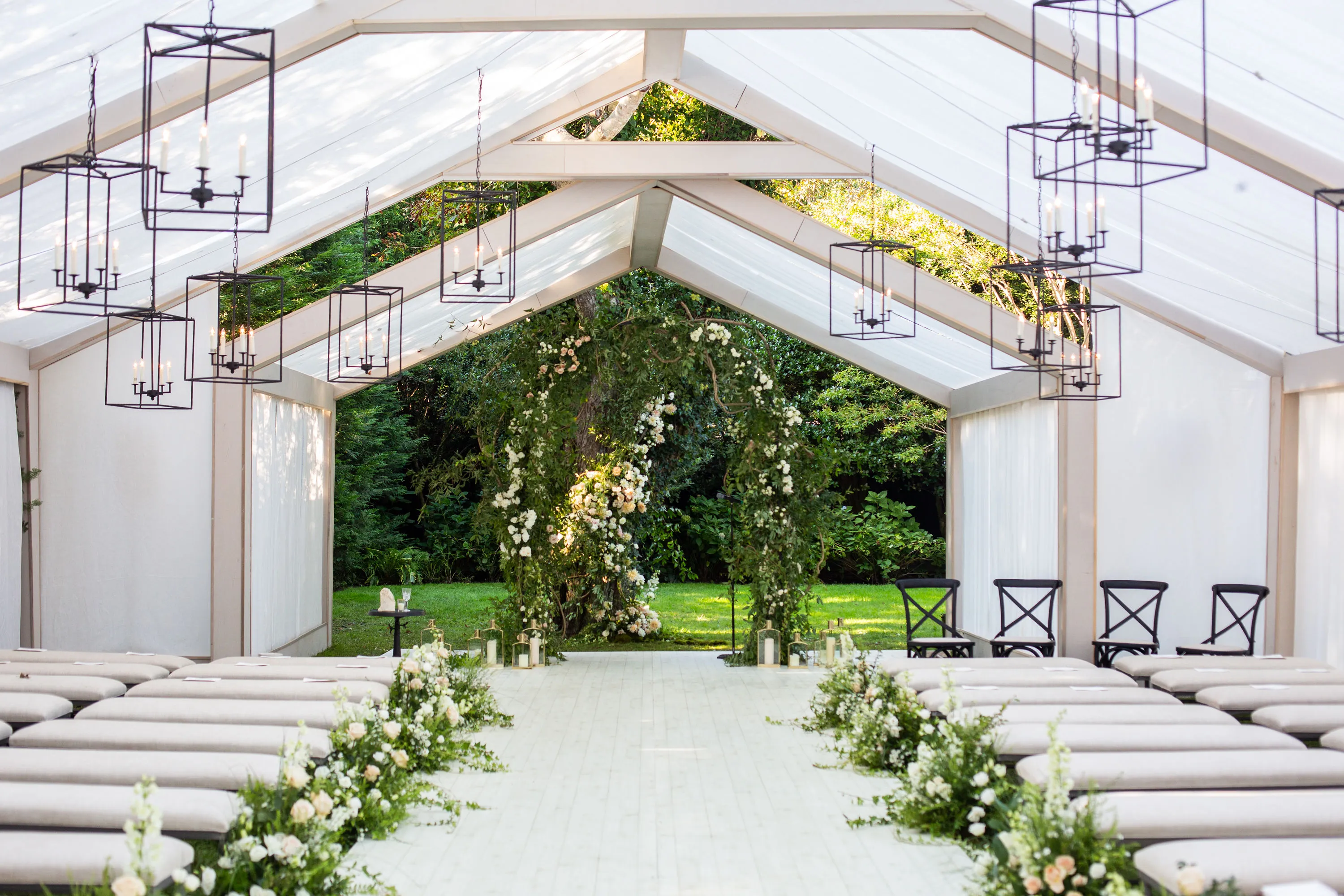
Temporary outdoor structures and permanent buildings serve different purposes in the event industry. Temporary structures provide adaptable space that can respond to seasonal events, fluctuating attendance, and changing layouts, while permanent construction is designed around stability and long-term use.
Neither approach is automatically right for every venue. Event planners should consider how frequently additional space is required, how long it will be needed, and whether future events are likely to require different configurations.
Flexibility of Temporary Outdoor Event Structures
Temporary structures such as tents and canopies can be installed relatively quickly and customized according to different event themes and sizes. They can also adapt to varying terrain and layouts, giving planners greater freedom when creating outdoor venue extensions.
Their temporary nature makes them particularly appropriate for one-time events, seasonal functions, and venues where attendance changes significantly between events. Companies organizing recurring gatherings in different locations can also benefit from this adaptability.
Long-Term Stability of Permanent Event Buildings
Permanent construction offers stability, longevity, and a consistent environment for organizations expecting continuous use. Conference centers, sports facilities, cultural institutions, and similar venues may benefit from having a dedicated structure capable of hosting events repeatedly.
Permanent buildings can also incorporate integrated climate control, restrooms, and extensive customized facilities. A well-designed permanent venue may reinforce brand identity while providing established infrastructure for recurring operations.
Several fundamental differences should be evaluated before committing to either expansion method. A venue experiencing seasonal demand has different requirements from one needing additional event space every week of the year. Comparing these considerations together helps clarify which option better supports the venue’s operational model.
Flexibility: Temporary structures can be resized, relocated, or reconfigured for different events.
Deployment: Tented structures can generally be established more rapidly than permanent buildings.
Longevity: Permanent construction is intended to provide an established event space over an extended period.
Infrastructure: Permanent buildings can incorporate fixed restrooms, climate systems, and other facilities.
Customization: Both approaches allow customization, although temporary structures make it easier to change layouts between events.
Commitment: Temporary expansion avoids the same level of long-term structural commitment associated with permanent construction.
Ultimately, planners should assess their event requirements, guest demographics, financial limitations, and intended duration of use before deciding which approach represents the more suitable investment.
Understanding the Financial Considerations of Temporary and Permanent Expansion
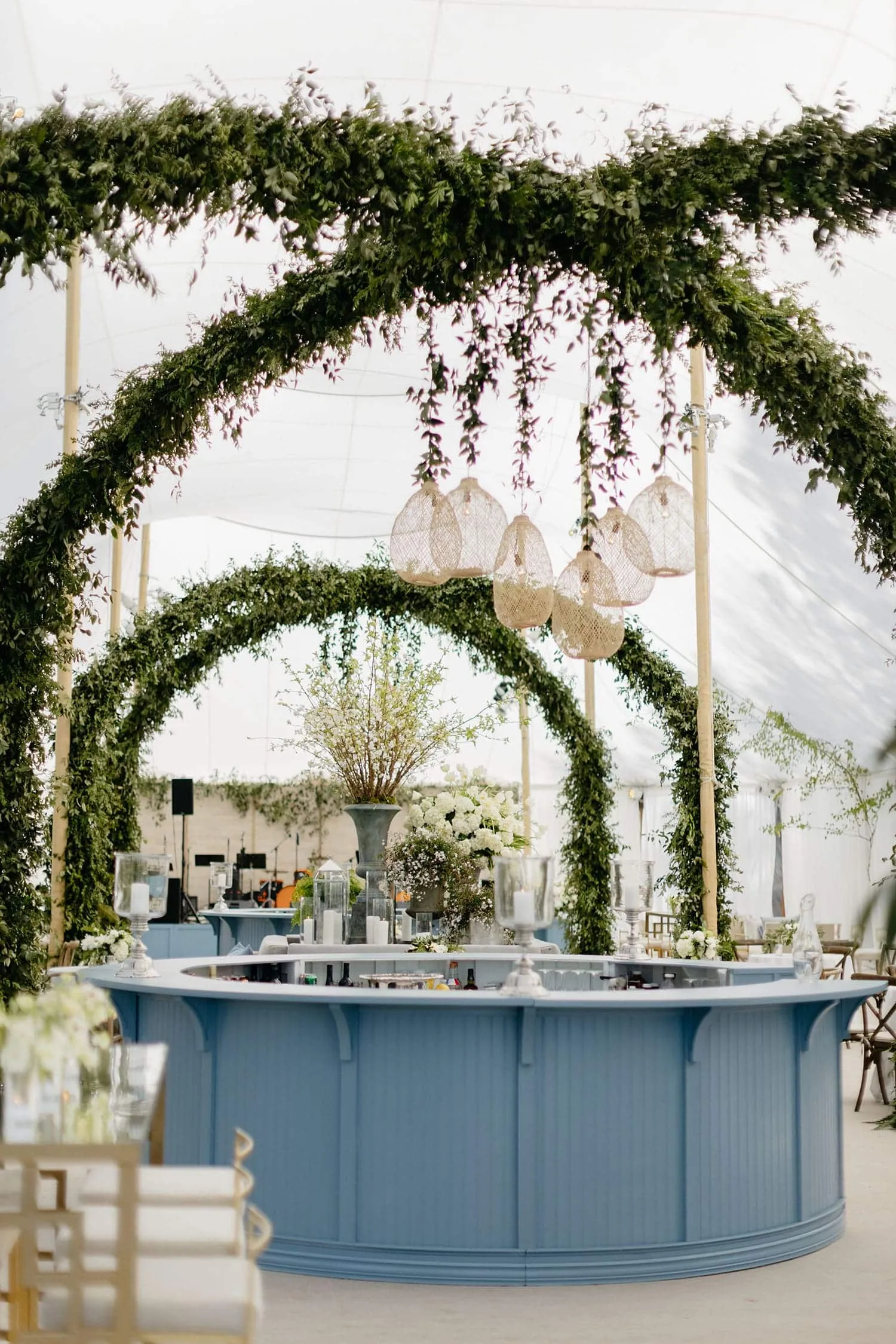
Expenses are an important part of any venue expansion decision. Temporary structures often require a lower initial financial commitment than permanent construction, but the complete financial picture includes more than the structure itself.
Transportation, setup, permits, site preparation, maintenance, and seasonal demand can influence temporary structure expenses. Permanent construction introduces a different set of long-term financial responsibilities.
Expenses Associated with Temporary Event Structures
Temporary venue expansion typically involves rental expenses based on the structure’s type, size, and duration of use. Transportation and setup should also be included when evaluating the overall commitment.
Site preparation and required permits may introduce additional expenses. Demand during peak event seasons can also influence rental availability and pricing, making advance planning particularly important for venues with busy seasonal calendars.
Long-Term Financial Commitments of Permanent Construction
Permanent construction generally requires a substantial initial investment. Location, materials, design complexity, and site conditions can all influence construction expenses, while permitting requirements can add both time and complexity.
After construction, venues must continue accounting for property taxes, maintenance, site management, and operating expenses. These ongoing commitments make permanent construction more appropriate when the additional space is expected to receive consistent long-term use.
When Temporary Event Structures Are the Better Venue Expansion Option
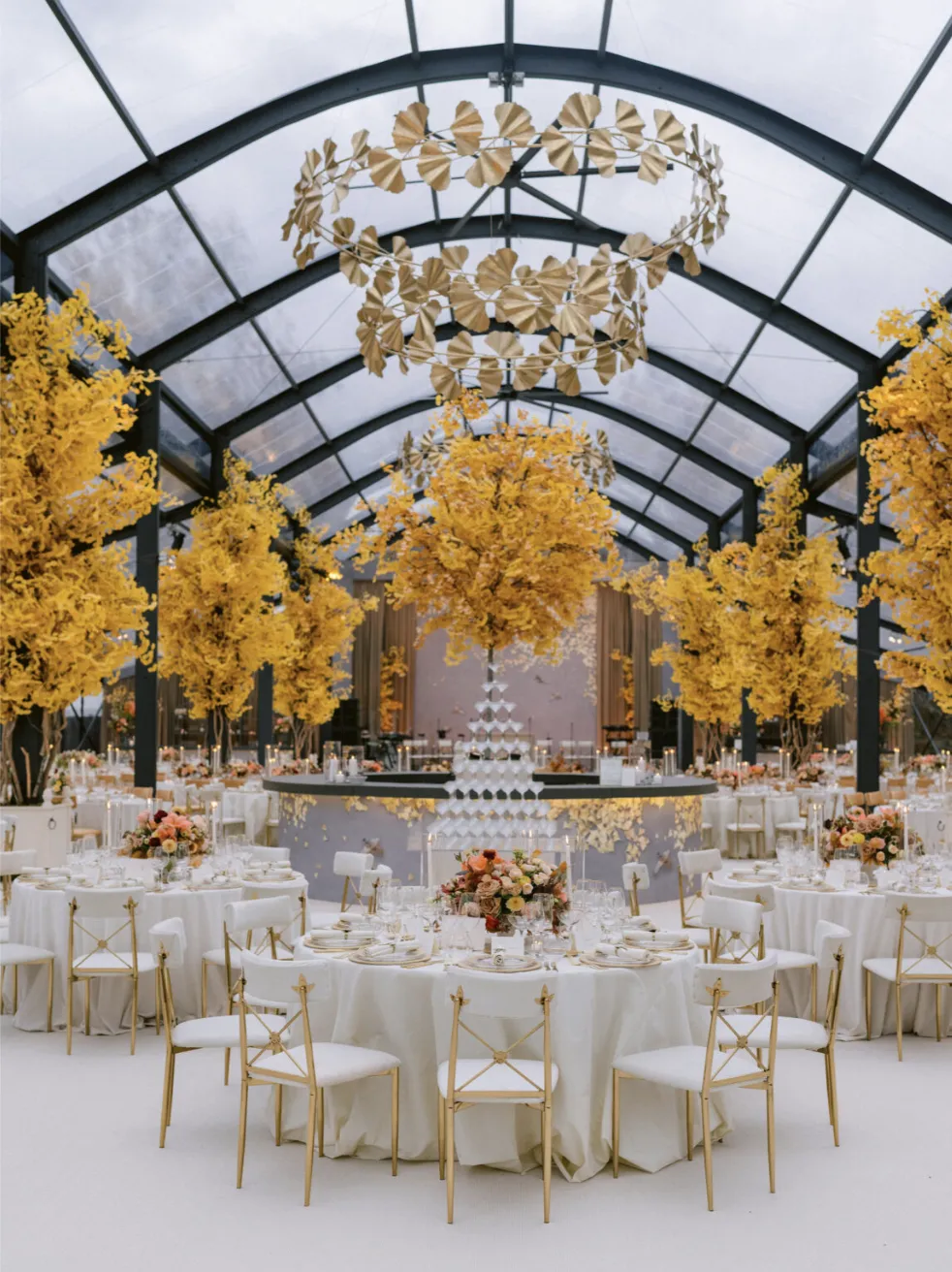
Temporary outdoor structures are particularly valuable when a venue’s additional capacity requirements change throughout the year. Seasonal festivals, corporate retreats, community gatherings, weddings, and other special events may not justify constructing a permanent building that remains underused outside peak periods.
Temporary structures can instead provide additional space when it is needed and allow planners to adapt layouts and décor according to each event.
Seasonal Events and Fluctuating Guest Counts
Events with changing guest counts are strong candidates for temporary venue expansion. A venue may need substantial additional capacity for a large fall wedding or corporate function while requiring significantly less space for another gathering.
Temporary structures allow planners to adjust the environment around those requirements. Tent dimensions, layouts, decorations, and supporting infrastructure can be selected according to the individual event rather than forcing every gathering into a fixed building footprint.
Modular Structures for Adaptable Venue Expansion
Modular temporary structures provide another approach by combining some of the flexibility associated with tents with characteristics that create a greater sense of permanence. They can be relocated, adapted, and customized according to changing event requirements.
This flexibility can be useful for planners managing events across multiple locations. Instead of committing to extensive permanent construction at every site, modular solutions can provide adaptable infrastructure that responds to different venue needs.
Temporary expansion is most successful when planners evaluate the complete operational environment rather than simply selecting a tent. Guest count, event duration, property conditions, weather, and the required level of customization should all influence the final decision.
Seasonal demand: Temporary structures can add capacity during high-demand periods.
Changing attendance: Different tent sizes and configurations can support fluctuating guest counts.
One-time events: Venues can create substantial additional space without constructing a permanent building.
Recurring events in different locations: Temporary structures can support companies operating across multiple sites.
Custom layouts: Interiors can be changed to accommodate dining, entertainment, exhibitions, or networking.
Venue adaptability: Suitable outdoor areas can become functional event environments when additional space is required.
These characteristics make temporary structures particularly useful when flexibility is more valuable than maintaining the same expanded footprint throughout the entire year.
Creating a Comfortable Temporary Venue with Flooring, Lighting, and HVAC
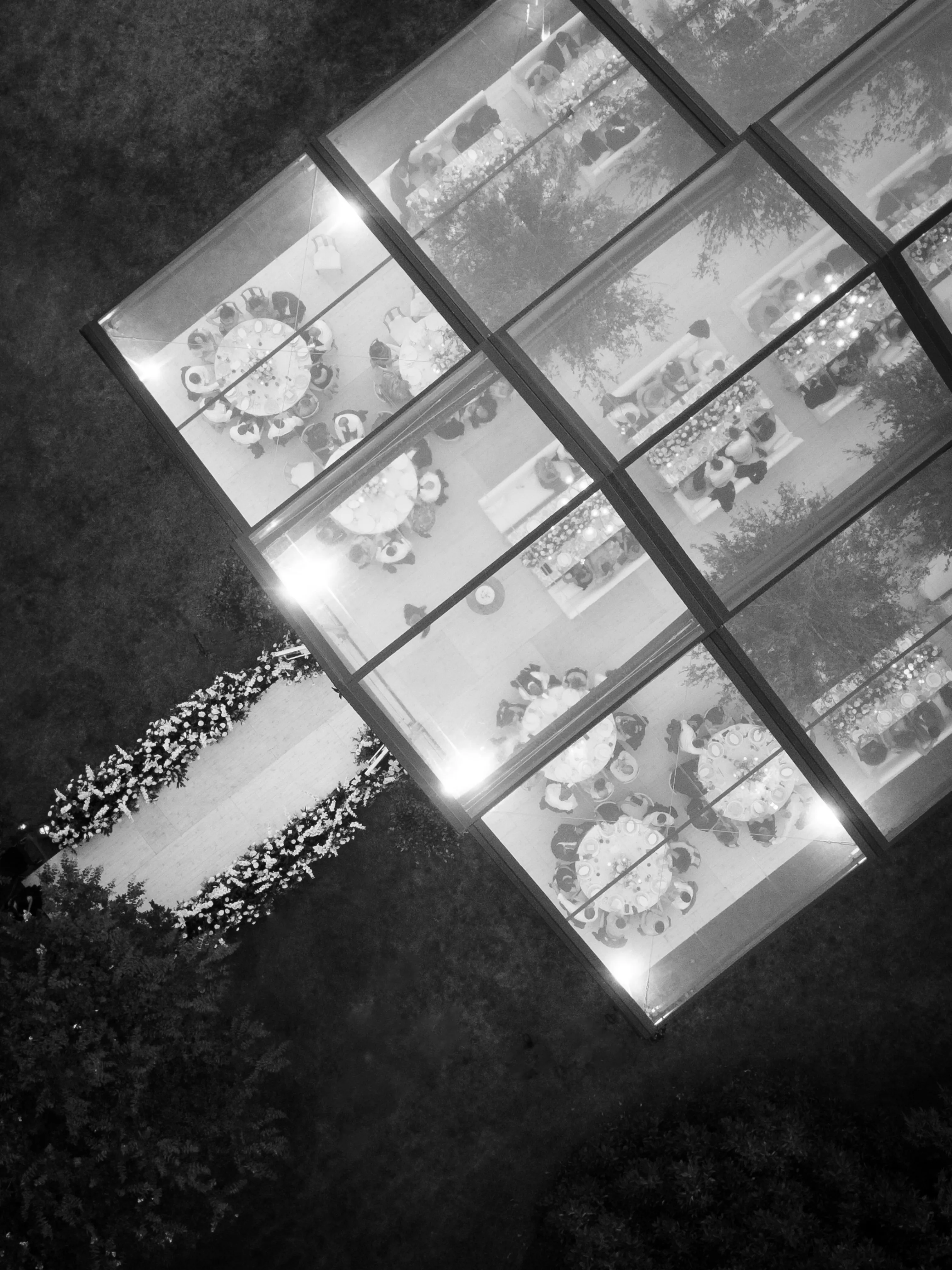
Temporary does not have to mean basic. Lighting, flooring, and climate control can significantly change the atmosphere and functionality of a temporary event structure, helping planners create an environment appropriate for sophisticated weddings, corporate gatherings, galas, and other events.
These systems should be planned as part of the overall venue design because they influence guest comfort, aesthetics, safety, photography, and the usability of the space during changing weather.
Event Lighting and Flooring for Temporary Structures
Lighting can establish the atmosphere while highlighting important architectural and decorative elements. LED uplighting, string lights, and spotlights are among the options identified in the original content. Quality lighting can also contribute to photography and the overall impression guests have of the event.
Flooring should be selected according to terrain, comfort, safety, and aesthetics. Hardwood, carpet, and specialized event flooring offer different characteristics and can turn an outdoor surface into a more finished event environment.
Climate Control for Changing Outdoor Conditions
HVAC equipment can help temporary structures remain comfortable when outdoor conditions fluctuate. Portable air-conditioning units and tent heating systems can be selected according to the season, structure, and expected event conditions.
Advanced HVAC solutions become particularly valuable in unpredictable climates. Appropriate temperature management helps maintain an inviting interior environment and supports guest comfort throughout the event.
Lighting, flooring, and climate systems work best when coordinated early. Waiting until after the structure is installed can complicate equipment placement, electrical planning, and interior layouts. Integrating these elements from the beginning creates a more cohesive temporary venue.
LED uplighting: Adds atmosphere and highlights architectural or decorative details.
String lighting: Creates softer illumination for weddings and social events.
Spotlights: Direct attention toward stages, décor, or other focal areas.
Hardwood flooring: Provides a refined finish and stable walking surface.
Carpet and event flooring: Offer alternative combinations of comfort, style, and functionality.
Heating and air conditioning: Help maintain comfortable temperatures as outdoor conditions change.
With the appropriate infrastructure, a temporary structure can deliver a sophisticated guest environment while retaining the adaptability that makes temporary expansion attractive.
Planning Site Logistics and Selecting the Right Temporary Structure
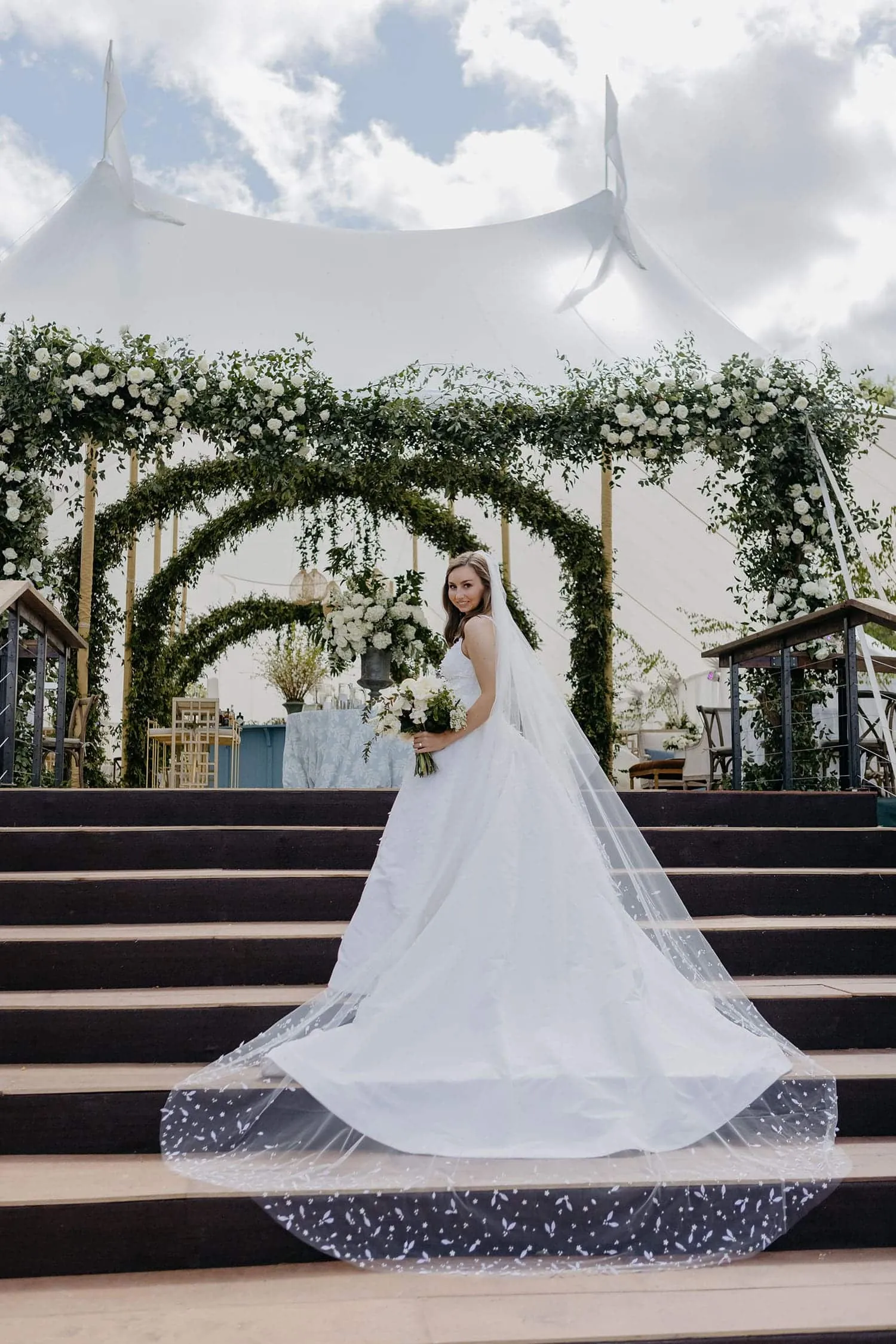
Temporary venue expansion requires careful logistical planning. Installation timelines, transportation, site accessibility, permits, and local regulations can all affect whether the structure can be established efficiently.
The number of guests and intended event layout should also guide structure selection. Tent size alone does not determine whether a temporary venue will function successfully; accessibility, aesthetics, circulation, and supporting infrastructure should be considered as part of the same plan.
Site Access, Installation, and Regulatory Requirements
Large vehicles and installation equipment need sufficient access to the event site. Understanding those requirements in advance can prevent delays and allow planners to establish realistic setup timelines.
Local permits and regulations should also be investigated before installation. Temporary structures can face jurisdiction-specific requirements, and additional support systems may be necessary when preparing for strong winds, heavy rain, or other adverse conditions.
Matching Temporary Structures to Guest Count and Venue Needs
Guest count should be evaluated alongside the desired layout. Seating, entertainment, circulation, accessibility, and aesthetic preferences all influence which temporary structure will work most effectively.
Experienced tent professionals can help venues evaluate these factors and select appropriate configurations. Skyline Tent Company provides clearspan tents, frame tents, sailcloth tents, and century pole tents for different temporary venue expansion requirements.
Before installation begins, planners should understand how the structure will interact with the entire site. Delivery access, guest movement, equipment requirements, and local compliance can all influence the final configuration. Early coordination makes it easier to identify potential complications.
Evaluate guest count: Match the structure’s dimensions to attendance and event activities.
Assess the site: Confirm that the proposed location can support the selected temporary structure.
Plan vehicle access: Ensure installation and delivery equipment can reach the site.
Review regulations: Identify relevant permits and local requirements before setup.
Consider weather: Determine whether additional support systems may be required.
Coordinate suppliers: Align tent installation with flooring, HVAC, lighting, and other event services.
Combining logistical preparation with accurate guest planning helps temporary venue expansion deliver the flexibility it is intended to provide.
Frequently Asked Questions
Is temporary venue expansion better than permanent construction?
Neither approach is universally better. Temporary structures are particularly useful for short-term, seasonal, or changing capacity requirements, while permanent construction can be more appropriate for venues requiring consistent long-term event space.
What events work well with temporary outdoor structures?
Seasonal festivals, corporate retreats, community gatherings, and events with fluctuating guest counts can benefit from temporary structures. Their customizable layouts also allow them to support many other event formats.
What are the disadvantages of temporary event structures?
Temporary structures may involve jurisdiction-specific regulatory requirements and can require additional stability measures during adverse weather. Rental replacements, upgrades, transportation, permits, and setup can also affect overall expenses.
Can temporary venues provide heating and air conditioning?
Yes. Temporary structures can use HVAC solutions ranging from portable air-conditioning equipment to tent heating systems, allowing planners to respond to changing weather conditions.
When does permanent construction make more sense?
Permanent construction can make more sense when consistent, long-term use is expected. Conference centers, sports facilities, cultural institutions, and organizations using the same venue continuously may be better positioned to justify the initial investment.
Expand Your Venue with Skyline Tent Company
Temporary venue expansion and permanent construction each provide valuable solutions, but they serve fundamentally different needs. Permanent construction offers longevity, integrated infrastructure, and a consistent dedicated venue, while temporary event structures prioritize flexibility, rapid deployment, customizable layouts, and adaptability to changing event requirements. For venues experiencing seasonal demand, fluctuating guest counts, or occasional large-scale events, temporary structures can provide sophisticated additional space without requiring the same long-term commitment as a permanent building.
The effectiveness of temporary expansion depends on more than the tent itself. Lighting, flooring, HVAC, guest capacity, site access, weather preparation, installation schedules, and regulatory requirements should all be coordinated to create a functional and comfortable event environment. Skyline Tent Company specializes in premium temporary event structures, including clearspan tents, frame tents, sailcloth tents, and century pole tents, with a consultative approach designed around different venue requirements.
Contact Skyline Tent Company today to discuss your venue, guest capacity, site conditions, event schedule, and expansion goals. Whether you need additional space for a seasonal event, a major celebration, or recurring outdoor gatherings, Skyline Tent Company can help you explore a customized temporary venue solution designed to deliver flexibility, quality, and an elevated guest experience.