
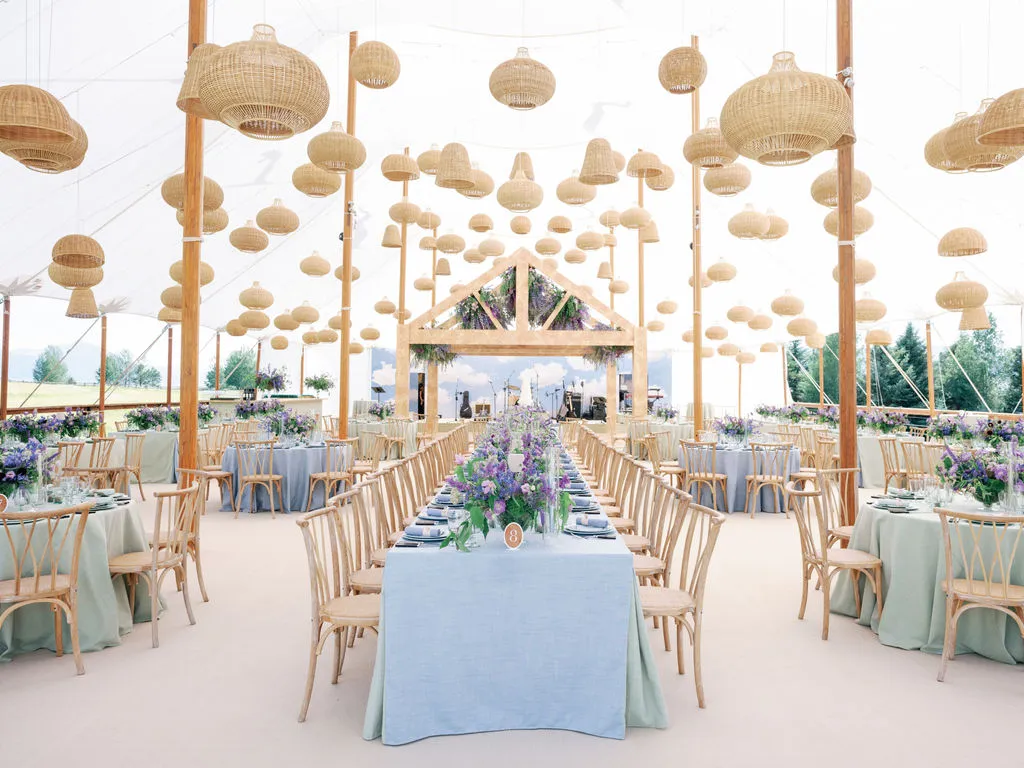
Managing a multi-week temporary venue installation requires more planning than a single-day event because the structure and supporting systems must remain functional, comfortable, and visually polished over an extended period. Festivals, fairs, corporate gatherings, weddings, and other long-duration events may rely on clearspan tents, frame tents, century pole tents, or sailcloth tents to create dependable temporary spaces. Beyond selecting the structure, organizers need to consider climate control, flooring, ground protection, lighting, permits, guest capacity, installation timelines, maintenance, and site logistics. A tent that performs well on the first day also needs to continue supporting guests, equipment, vendors, and changing weather throughout the installation period. Regular inspections and adjustments become increasingly important when infrastructure remains in place for weeks rather than hours. Working with an experienced rental partner can also simplify coordination between tent installation, flooring, HVAC, lighting, and other vendors. By treating the project as a long-term temporary venue rather than a short event setup, planners can create a safer, more reliable, and more comfortable environment from installation through final breakdown.
Choosing Tent Structures for Multi-Week Installations
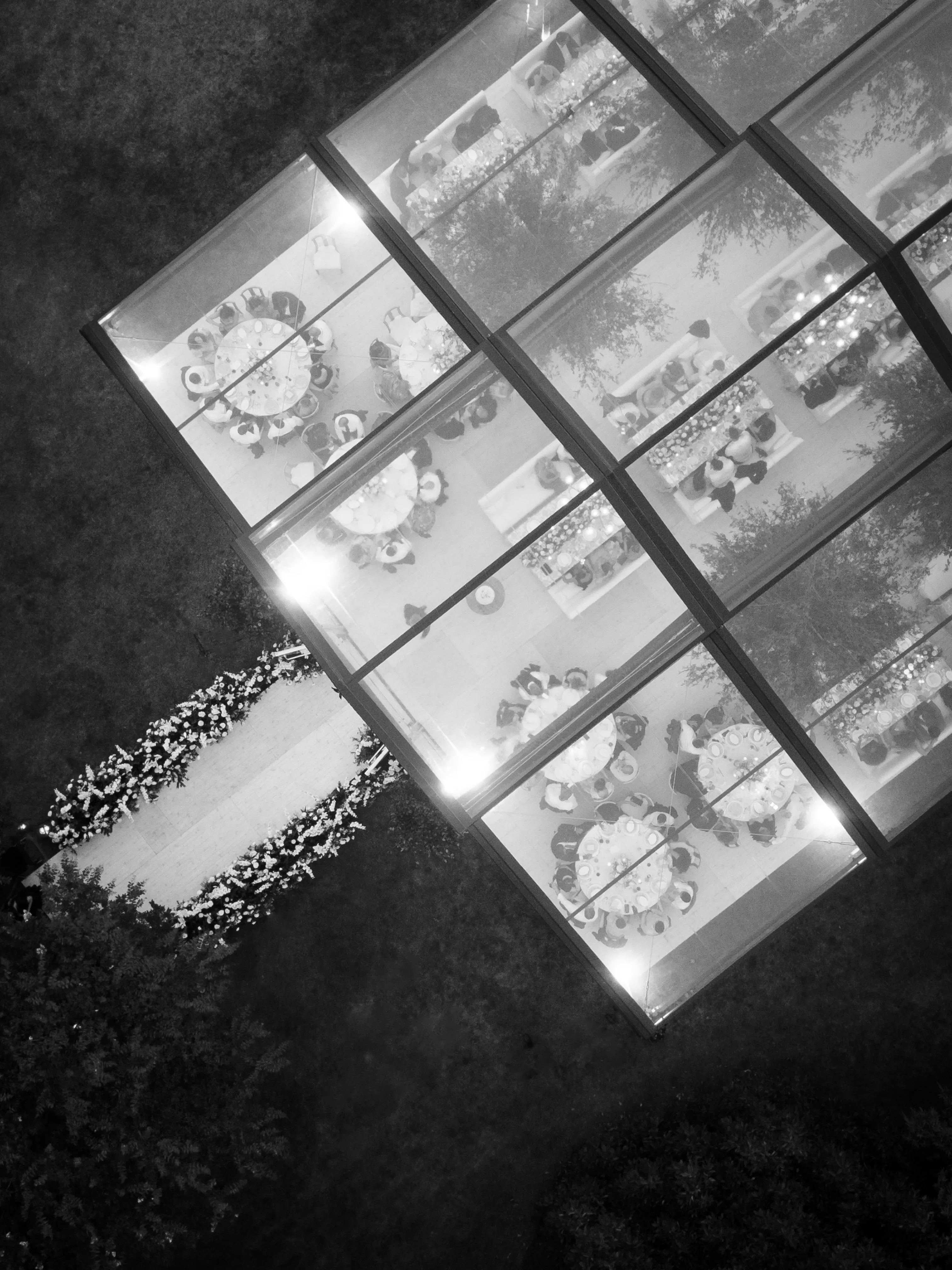
Tent selection is one of the first major decisions when planning an extended temporary venue. Different structures vary in usable interior space, installation requirements, appearance, maintenance needs, and suitability for prolonged use.
Clearspan, frame, century pole, and sailcloth tents each provide distinct advantages. The right structure should reflect the event schedule, expected guest count, site conditions, and desired aesthetic.
Clearspan Tents for Extended Outdoor Events
Clearspan tents provide large interiors without center poles, which allows planners to maximize usable floor space. This can be particularly valuable for multi-week events where layouts may change between activities or event days.
Open interiors can accommodate seating, stages, catering areas, exhibits, lounges, and other infrastructure without working around central supports. Their construction also makes them suitable for events that need reliable shelter and flexible configurations for an extended period.
Clearspan tents can therefore work especially well for corporate gatherings, large festivals, and other events where functionality may change throughout the installation.
Frame, Century Pole, and Sailcloth Tent Options
Frame tents offer flexibility in where they can be installed and can work across different surfaces. Their practical structure can make them a strong option when planners need an installation that remains functional and relatively easy to maintain over several weeks.
Century pole tents introduce high peaks and flowing lines that support a more traditional event aesthetic. Sailcloth tents use translucent material that allows natural light into the structure, creating an elegant atmosphere for upscale gatherings.
Each structure should be evaluated according to how long it will remain installed and how it will be used during that period. A tent that looks ideal for one evening may have different maintenance or site requirements when used for several weeks. Planners should therefore balance design goals with practical long-term demands.
Clearspan tents: Offer open interiors and flexible layouts for large events.
Frame tents: Provide practical installation options across varied surfaces.
Century pole tents: Create distinctive peaks and an elegant traditional appearance.
Sailcloth tents: Use translucent fabric to create a refined, naturally illuminated space.
Guest capacity: Match the structure to expected attendance and interior activities.
Installation duration: Consider how the tent will perform and be maintained over multiple weeks.
Maintaining Climate Control and Lighting Throughout the Event
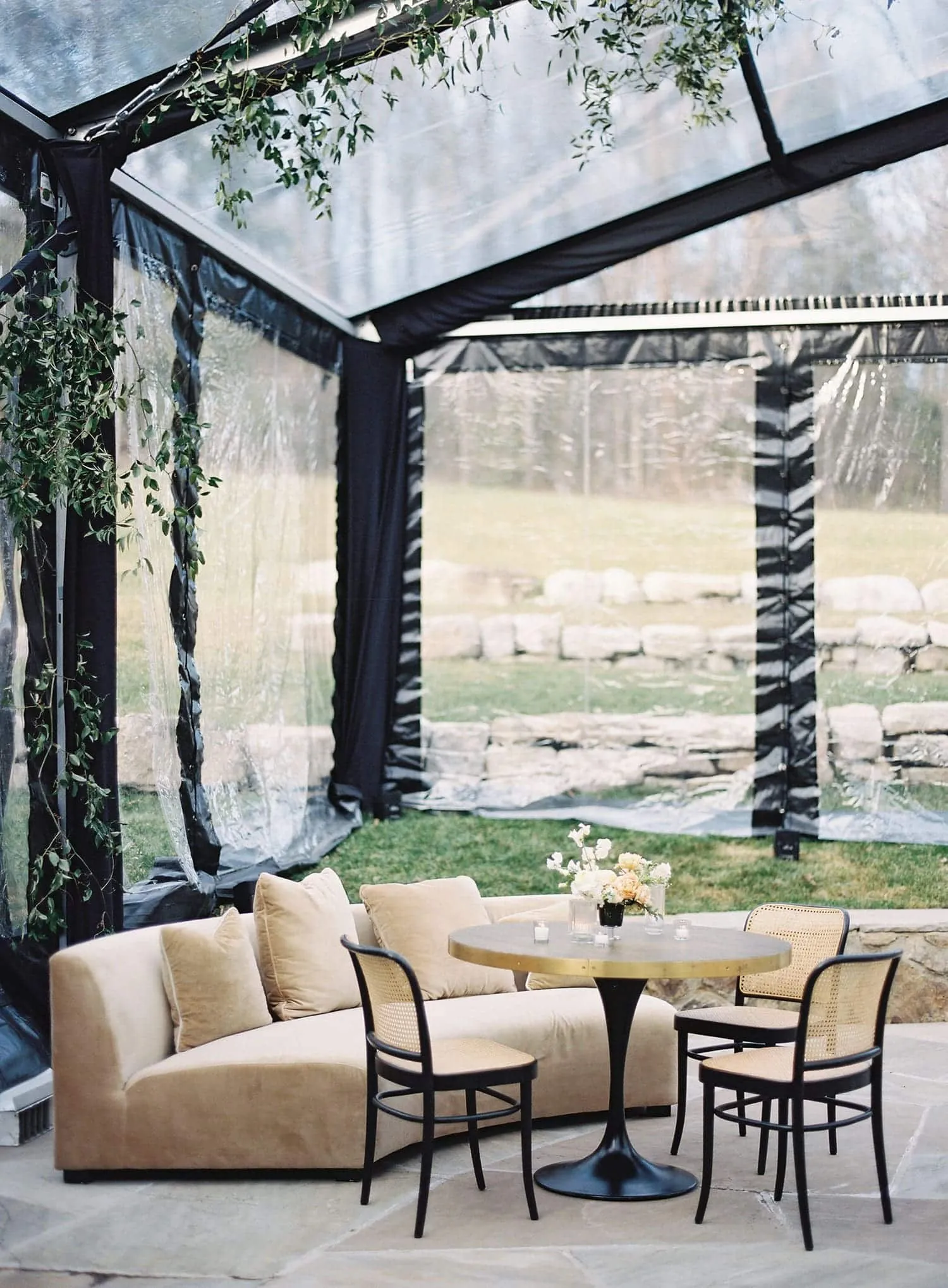
Guest comfort needs to remain consistent throughout a multi-week installation. Conditions may change significantly from one day to another, so climate and lighting systems should be designed for ongoing adjustment rather than a single forecast.
HVAC, portable cooling, humidity management, and layered lighting can help maintain a dependable interior environment throughout an extended event schedule.
Climate Control for Extended Tent Installations
HVAC systems can provide heating and cooling across larger temporary venues, while portable air-conditioning units may be placed strategically in specific zones. The appropriate solution depends on tent size, enclosure, attendance, weather, and planned activities.
Humidity management can also become important, particularly when tents remain installed during warmer or wetter periods. Conditions that are manageable for a single afternoon can become uncomfortable when the venue operates repeatedly over several weeks.
Climate systems should therefore be monitored and adjusted throughout the installation rather than configured once and left unchanged.
Layered Lighting for Function and Atmosphere
Lighting needs may change throughout the day and across different events. Layered lighting combines ambient, task, and decorative illumination so planners can adapt the temporary venue to different activities.
LED fixtures can provide an energy-efficient option for long-duration installations, especially when lighting systems are used repeatedly over several weeks. Functional lighting should support pathways, service areas, entrances, and work zones, while decorative fixtures can contribute to the event atmosphere.
A flexible lighting system gives organizers the ability to transition the same venue from daytime functions to evening gatherings without redesigning the entire installation.
Protecting Flooring and Outdoor Ground During Multi-Week Use
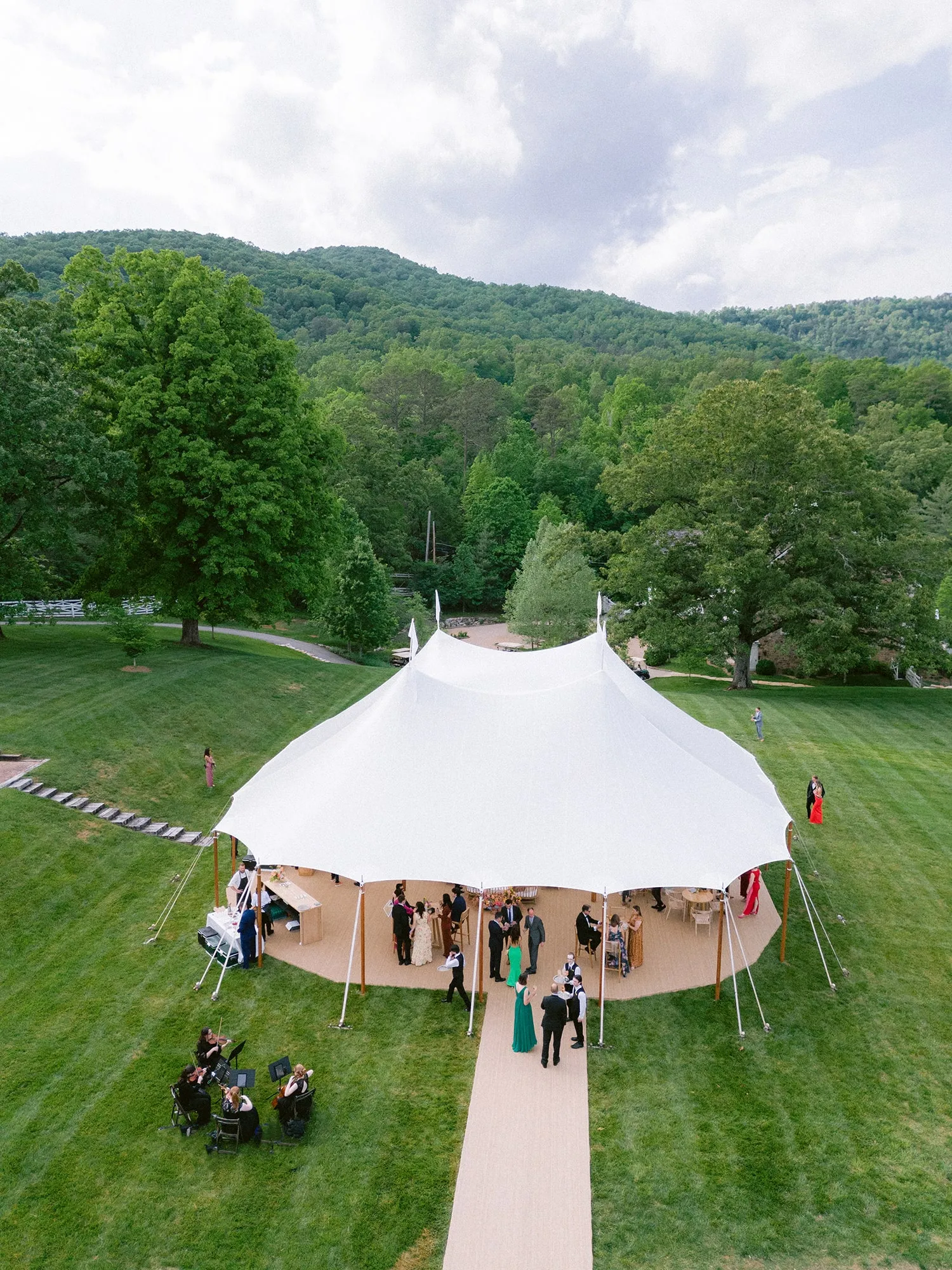
Flooring is especially important when a temporary venue remains active for several weeks. Repeated foot traffic, equipment movement, furniture, moisture, and changing weather can place greater stress on the surface than a short-term event would.
The original content identifies composite tiles, synthetic grass, wood, plastic flooring, mats, and protective boards as potential solutions depending on the site and event requirements.
Selecting Durable Flooring for Extended Events
Composite tiles and other durable materials can provide a clean, consistent surface for high-traffic event environments. Synthetic grass may create a softer outdoor appearance while still protecting the underlying surface.
Wood or plastic flooring can provide additional stability when heavy equipment, furniture, catering stations, or other infrastructure will remain in place. The final choice should consider guest volume, event type, terrain, and installation duration. For more detail, see our article How Professional Tent Installation Enhances Guest Experience.
Flooring should also be evaluated according to how easily it can be cleaned and maintained during the event. A system that remains visually attractive after repeated use can help preserve the professional appearance of the temporary venue.
Protecting the Site Beneath the Tent
Ground protection becomes increasingly important when infrastructure occupies the same outdoor location for several weeks. Mats or boards can help protect areas vulnerable to mud, erosion, or repeated equipment movement.
A site assessment should identify drainage concerns, soft areas, slopes, and other potential challenges before the flooring system is installed. Weather forecasts and seasonal patterns should also influence the amount of protection required.
Ground protection should support both the event and the property beneath it. Long-duration installations create more opportunity for wear, so preventive planning can help reduce unnecessary damage. The flooring and protective system should therefore be selected as part of the overall site strategy.
Composite flooring: Supports high-traffic areas with a durable temporary surface.
Synthetic grass: Creates an outdoor-inspired finish while protecting the ground.
Wood or plastic flooring: Provides stability for equipment and guest areas.
Ground mats: Protect vulnerable areas from repeated traffic.
Protective boards: Help reduce damage in service and equipment zones.
Site drainage planning: Helps manage weather-related issues during longer installations.
Planning Installation Timelines, Permits, and Guest Capacity
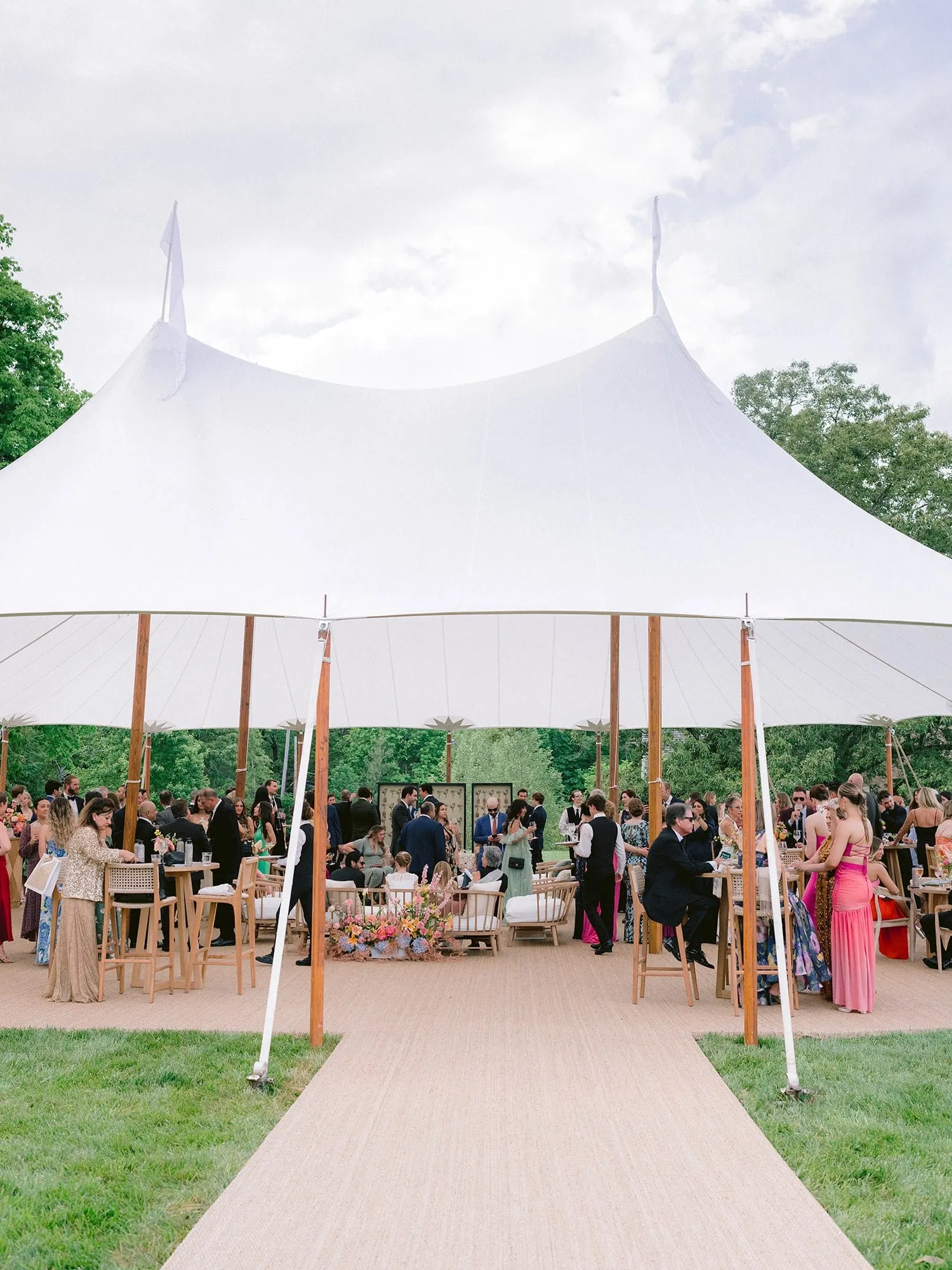
Multi-week installations require more advance coordination because the structure must often undergo site review, permitting, installation, inspection, and infrastructure setup before guests arrive. We cover this further in Choose The Right Location For A Wedding Tent Installation.
The original article recommends establishing a defined preparation period and adjusting the timeline according to the complexity of the structure and event.
Develop a Realistic Installation Timeline
The source suggests that preliminary site assessments, permit applications, and final installation may be spread across approximately 8 to 12 weeks, depending on the event and tent specifications.
That planning window gives organizers time to evaluate site conditions, coordinate contractors, confirm equipment, and complete any required inspections. Larger installations with flooring, climate control, lighting, staging, or extensive décor may require additional coordination.
The timeline should also consider teardown and site restoration. For a multi-week event, both installation and removal can involve several suppliers whose schedules need to remain coordinated. We cover this further in When Should a Venue Consider a Seasonal Tent Installation.
Match Tent Capacity to Event Objectives
Guest count alone does not determine the required tent size. Seating arrangements, stages, catering areas, open circulation zones, entertainment, and other infrastructure all contribute to the total space requirement.
Different tent designs can also use interior space differently. The source notes that some frame tent configurations may accommodate more guests than similarly sized century pole structures because of differences in design.
The final layout should therefore reflect the actual activities planned throughout the multi-week schedule rather than using one simple capacity figure.
Monitoring and Maintaining the Venue During Multi-Week Use
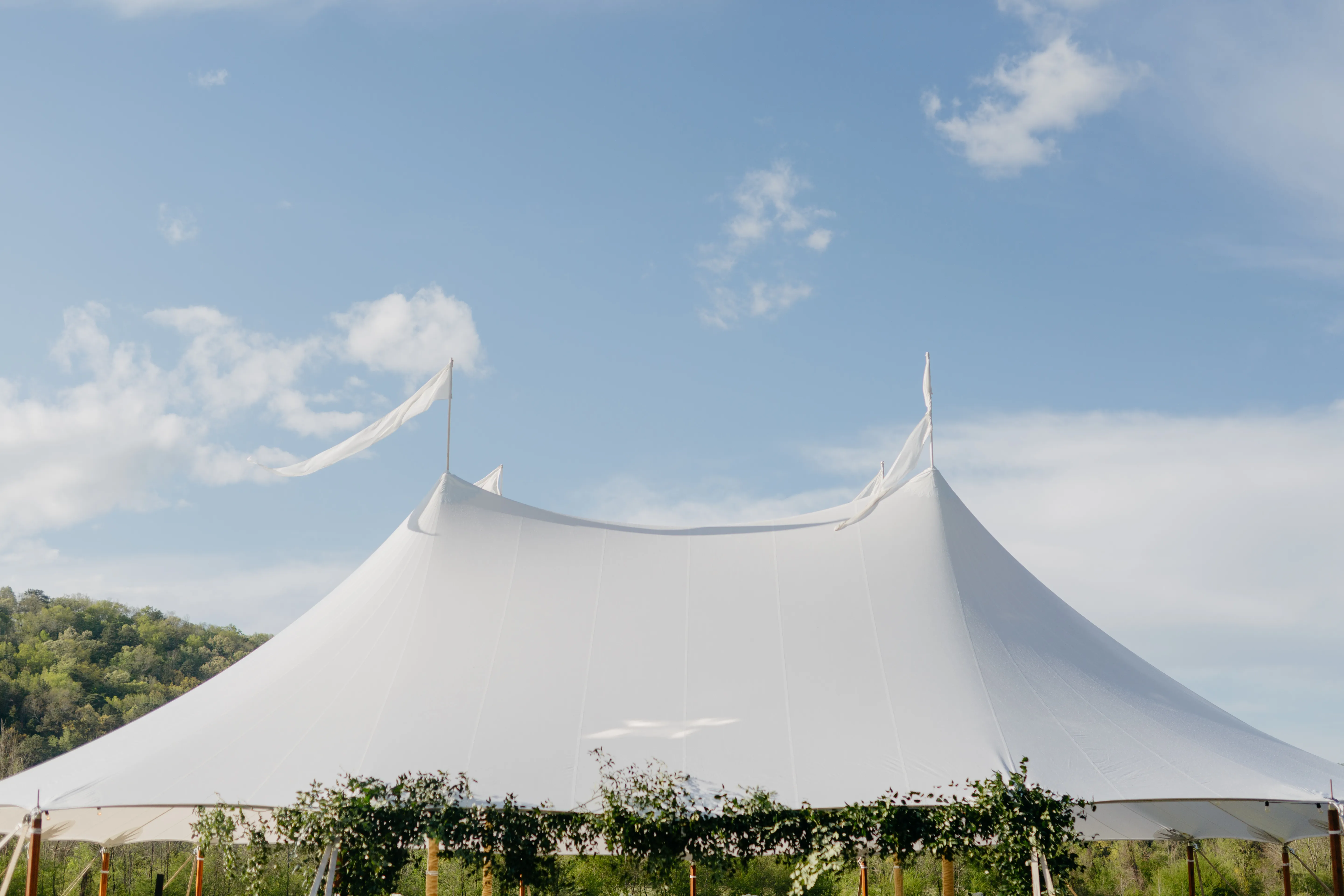
Installation is only the beginning of managing a temporary venue that will operate for several weeks. Structural components, climate systems, flooring, lighting, and surrounding grounds should continue to be monitored throughout the event period.
Regular inspections and digital management tools can help organizers identify issues early and coordinate adjustments efficiently.
Conduct Regular Tent and Infrastructure Inspections
Routine evaluations should include major structural components and the systems supporting guest comfort. Climate-control equipment may need adjustment as temperatures and occupancy levels change.
Flooring should also be reviewed for movement, wear, moisture, or areas affected by unusually heavy traffic. Lighting, entrances, pathways, and service areas may require similar checks throughout the installation.
Guest feedback can provide additional insight into temperature, circulation, and comfort. The source recommends using real-time feedback to help adjust systems and improve overall satisfaction.
Use Professional Support and Digital Management Tools
A full-service rental partner can simplify coordination by bringing experience with site evaluations, tent recommendations, and vendor communication. This can be particularly useful when several systems need to remain operational for weeks at a time.
Project management software and digital tools can also support scheduling, resource allocation, and communication between teams. Having centralized information makes it easier to track maintenance, inspections, deliveries, and operational changes.
Managing a long-term installation requires continuous attention rather than assuming the venue will remain unchanged after setup. A consistent monitoring routine can help teams identify small problems before they affect guests or event operations. Several areas should remain part of that ongoing process.
Structural inspections: Review tent components throughout the installation.
Climate adjustments: Respond to weather and changing guest occupancy.
Flooring checks: Monitor high-traffic areas and potential moisture issues.
Lighting reviews: Confirm functional and decorative systems continue operating properly.
Team communication: Keep vendors and event staff informed of operational changes.
Digital tracking: Use management tools to document schedules, resources, and maintenance needs.
Proactive monitoring can help the venue maintain the same level of functionality and presentation during its final week as it had when the installation first opened.
Frequently Asked Questions
Which tent is best for a multi-week event?
Clearspan tents are useful for large events requiring open interiors and flexible layouts, while frame tents can be practical for extended installations across varied surfaces. Century pole and sailcloth tents may be selected when their visual character better fits the event.
How far in advance should a multi-week tent installation be planned?
The source suggests an approximately 8 to 12 week period for site assessment, permitting, preparation, and installation, although the actual timeline should reflect project complexity and local requirements.
What flooring works for an extended temporary venue?
Composite tiles, synthetic grass, wood, plastic flooring, mats, and protective boards are among the options discussed in the source. The best system depends on traffic, terrain, equipment, weather, and event style.
Does a multi-week tent need ongoing maintenance?
Yes. Regular structural checks and climate-control adjustments are recommended throughout extended installations so the venue continues operating effectively.
How can technology help manage a long-term temporary venue?
Project management software can support scheduling, resource allocation, and communication between team members, making it easier to coordinate a complex multi-week installation.
Plan Your Multi-Week Venue Installation with Skyline Tent Company
A multi-week temporary venue requires infrastructure designed for more than a single successful event day. Tent structure, climate control, lighting, flooring, ground protection, capacity planning, permitting, logistics, and ongoing maintenance all need to work together throughout the installation.
Clearspan tents provide expansive and adaptable interiors, while frame, century pole, and sailcloth tents offer additional options for different locations and aesthetic goals. Durable flooring and ground protection can support repeated guest traffic, while HVAC and layered lighting systems help maintain comfort and functionality as conditions and activities change.
Ongoing monitoring is equally important. Regular inspections, climate adjustments, maintenance planning, and clear communication between event teams can help the venue remain dependable from the first week through final teardown. Our tent rental FAQs cover the questions hosts ask most.
Skyline Tent Company provides professional planning and site evaluation expertise that can help coordinate tent structures and the supporting requirements of an extended installation. The source emphasizes the value of experienced rental partners in developing tailored recommendations and coordinating with other vendors throughout complex temporary venue projects. Read more in Expert Tips for Professional Tent Installation for Events.
Contact Skyline Tent Company to discuss your multi-week event schedule, property conditions, expected guest capacity, and infrastructure requirements. With coordinated tent structures, flooring, lighting, climate control, ground protection, and ongoing support, Skyline Tent Company can help create a temporary venue designed to perform throughout the entire installation period. To talk through a tent for your date and site, contact our team.