
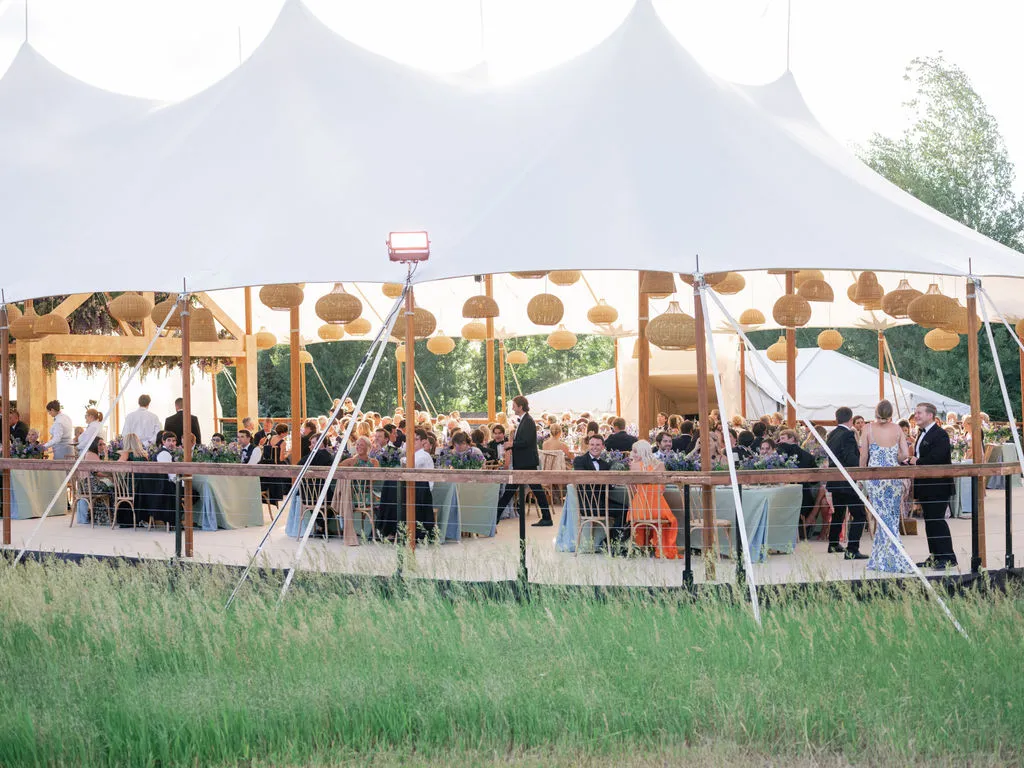
Chandeliers can transform a wedding tent from a simple covered structure into an elegant reception space. Whether suspended above a dance floor, positioned over dining tables, or arranged throughout a large tent, these lighting fixtures create visual interest and establish the atmosphere of the celebration. However, hanging chandeliers inside a wedding tent requires more than selecting a beautiful fixture. The tent’s structural design determines where lighting can be suspended, how loads must be supported, and which installation methods are appropriate.
Sailcloth, pole, and frame tents have different structural characteristics that influence chandelier placement and installation. Understanding these differences helps couples and event planners make informed decisions about their lighting arrangements. Skyline Tent Company offers luxury wedding tent rentals, chandeliers, and tent lighting solutions that can be coordinated to create sophisticated event environments.
How Are Chandeliers Suspended Inside Wedding Tents?
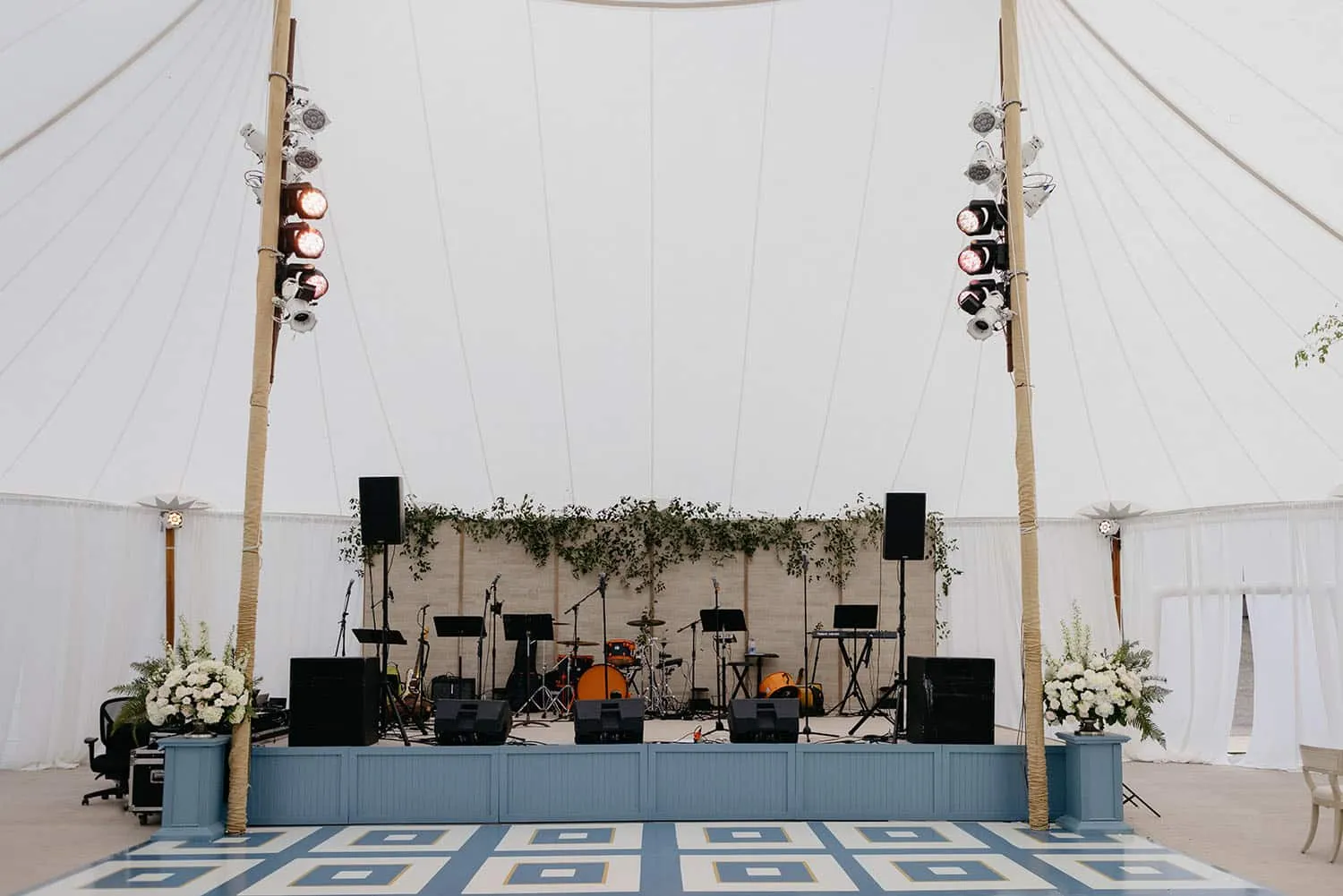
Unlike permanent indoor venues, wedding tents do not have conventional ceiling structures designed for decorative lighting. Chandeliers must be supported by appropriate structural components or a separately engineered suspension system.
Understanding Tent Structure and Load Support
Every chandelier has a weight that must be accounted for during installation. The total suspended load may also include mounting hardware, cables, and other components.
The ability to support that weight depends on the tent’s structural design, approved attachment locations, and the manufacturer’s requirements.
A tent’s fabric canopy should never be treated as a structural support for a chandelier. Instead, suspension must rely on properly rated components or an independently supported system designed for the intended load.
Before installation, the tent provider and qualified lighting professionals should confirm whether the proposed suspension arrangement is permitted and structurally appropriate.
Choosing the Right Suspension Hardware
Chandeliers may be suspended using rated hanging hardware, approved structural attachment points, or purpose-designed support systems.
The correct method depends on the fixture’s weight, the tent configuration, and the structural limitations of the installation.
Hardware should be compatible with both the chandelier and its supporting structure. Where required, secondary safety attachments provide additional protection against accidental fixture detachment.
Decorative ropes, ordinary hooks, and unverified attachment points should not be used as substitutes for approved suspension equipment.
Hanging Chandeliers in Sailcloth Wedding Tents
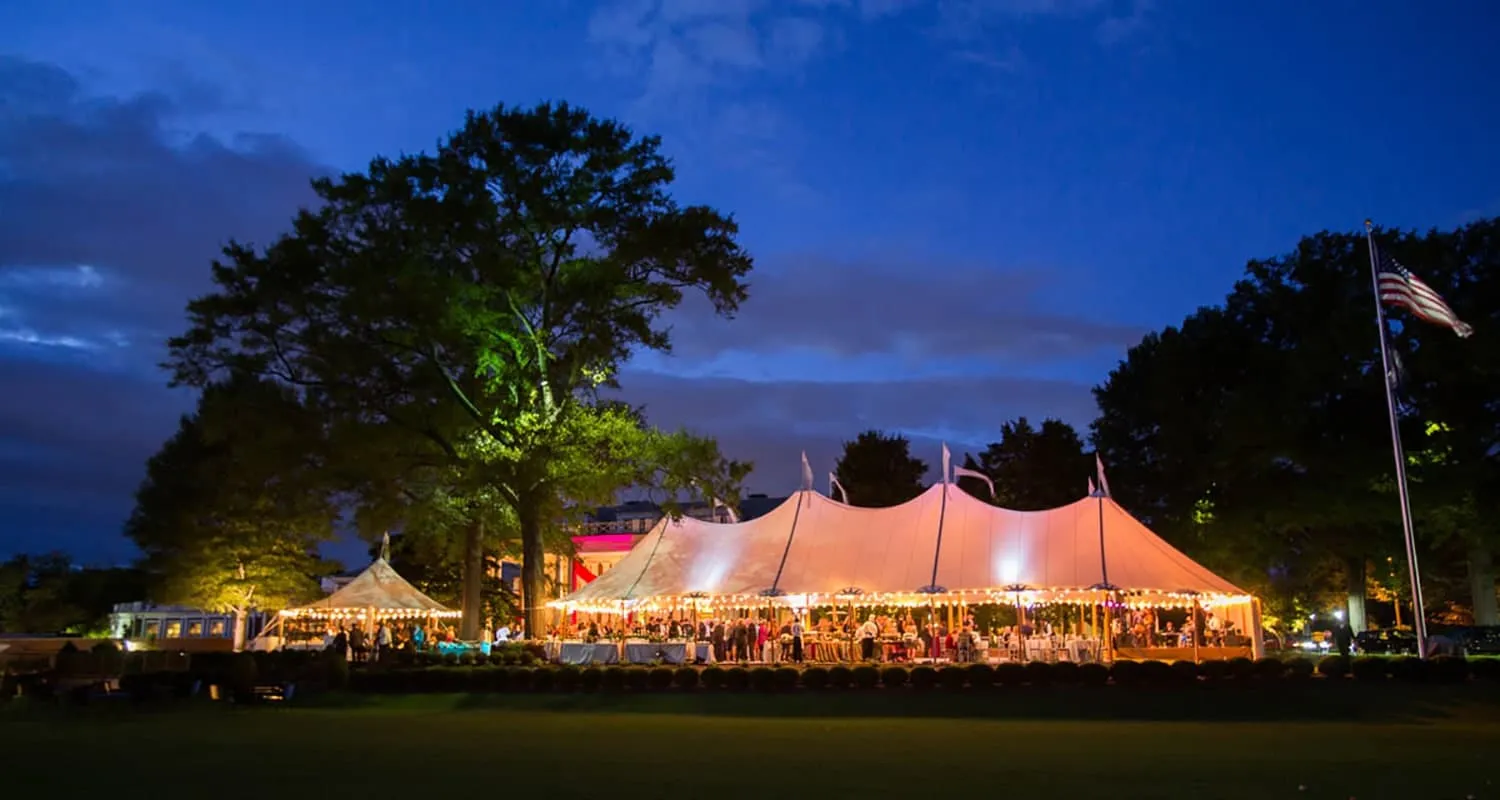
Sailcloth tents are popular for elegant outdoor weddings because of their flowing fabric canopies, graceful rooflines, and distinctive pole-supported appearance. Their design creates an inviting atmosphere, but chandelier installation requires careful consideration of the structural arrangement. For more detail, see our article Why Sailcloth Tents Are Ideal for Outdoor Weddings.
Using Approved Pole and Structural Support Locations
Sailcloth tents typically feature center poles and perimeter supports that contribute to the structure’s shape and stability.
These structural elements may influence where chandeliers can be positioned. However, the presence of a center pole does not automatically mean it is approved to carry additional suspended weight.
Any chandelier attachment must be evaluated against the specific tent’s design and allowable loads.
Where the structure permits it, an approved support arrangement may allow decorative lighting to be incorporated near a center pole or another suitable location. If the tent cannot support the intended fixture, an independently engineered suspension solution may be necessary.
Creating Elegant Lighting Around the Tent’s Roofline
The sweeping roofline of a sailcloth tent is one of its defining visual features. Chandelier placement should complement that shape rather than compete with it.
A chandelier positioned near the visual center of the tent can create a focal point, while smaller fixtures arranged in a coordinated pattern may distribute decorative lighting throughout the reception.
The layout should account for the center poles, dining tables, dance floor, and guest circulation.
Fixture height is particularly important because sailcloth tents have varying interior clearances. Chandeliers should be positioned to maintain appropriate clearance above occupied areas while preserving the intended visual effect.
Hanging Chandeliers in Traditional Pole Tents
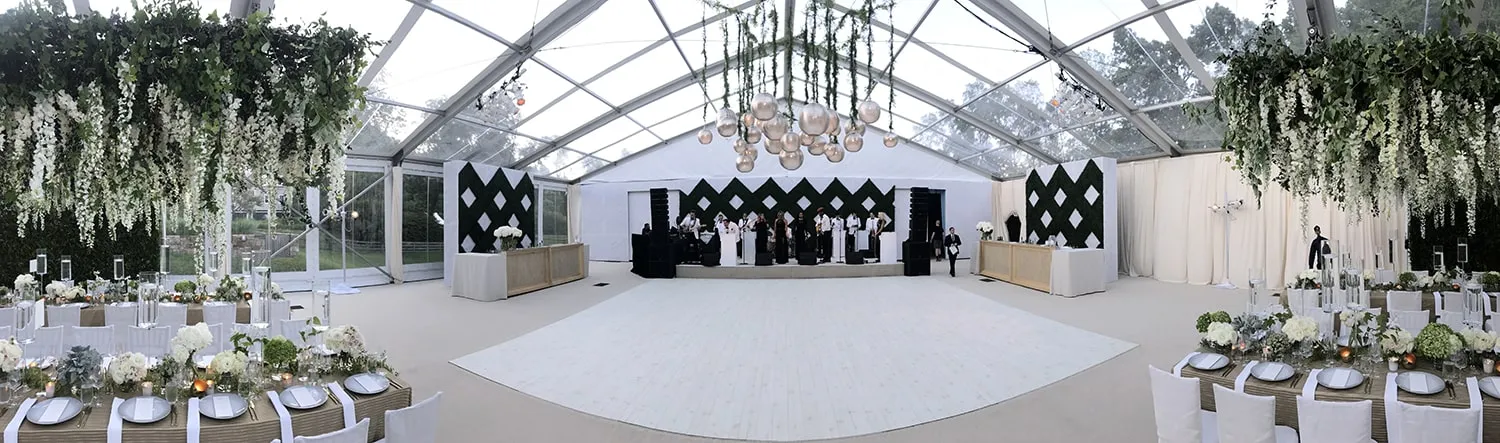
Pole tents use a system of center poles, perimeter poles, and tensioned fabric to create their distinctive peaked appearance. This arrangement influences the placement of decorative lighting and other suspended features.
Planning Chandelier Locations Around Center Poles
Center poles are important structural elements in traditional pole tents. They also influence the layout of tables, dance floors, and decorative installations. You may also find Sailcloth Tents: How They Perform in Adverse Weather helpful.
Chandeliers may be incorporated into the overall design near suitable structural locations, provided the proposed support method has been approved for the specific tent.
It is important not to assume that a pole, cable, or other visible component can safely carry a chandelier.
Structural approval should precede fixture selection and final placement decisions.
When chandelier placement is restricted by the tent’s configuration, alternative lighting arrangements can help achieve the desired appearance without adding unsupported loads.
Balancing Chandeliers with String Lighting
Chandeliers can serve as statement pieces inside pole tents, while string lighting can provide a softer layer of illumination.
Combining these lighting styles creates visual depth and helps define different areas of the reception.
For example, a chandelier may become the main decorative feature above a dance floor, while string lighting creates a warm atmosphere over dining areas.
The installation plan should distinguish between decorative placement and structural support. Both chandeliers and string lights must be attached using approved methods appropriate to the tent and their respective loads.
Skyline Tent Company offers chandeliers and string lighting that can be considered together when developing a coordinated wedding tent lighting design.
Hanging Chandeliers in Frame Tents
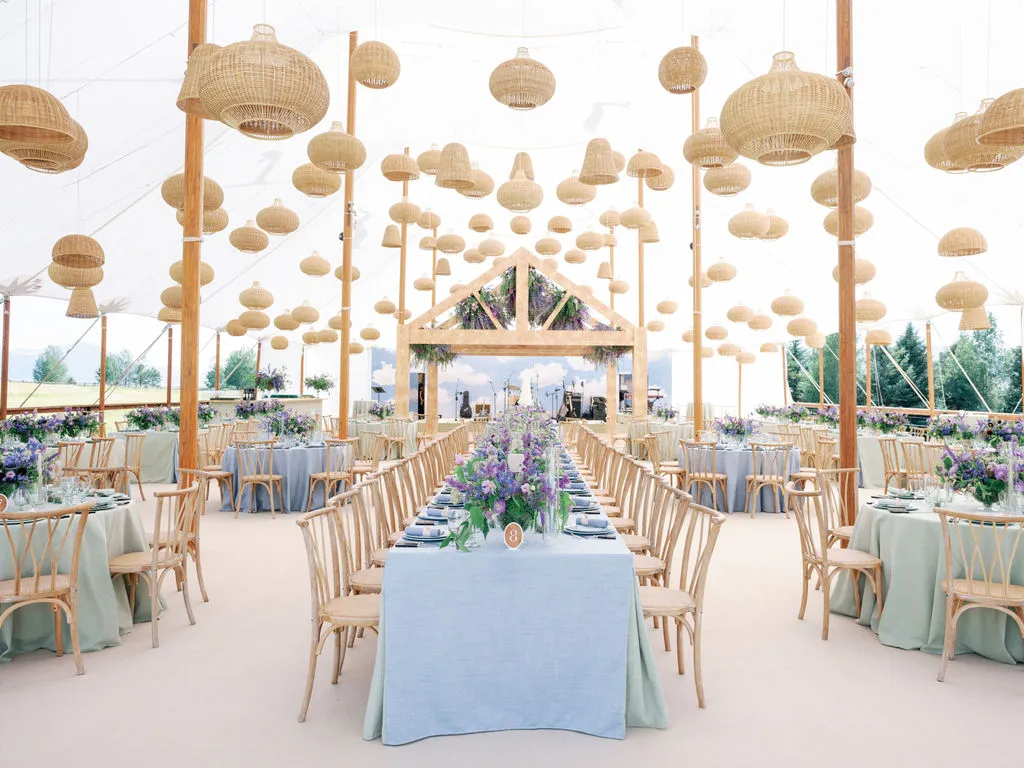
Frame tents use a supporting framework rather than relying on interior center poles. This can provide greater flexibility for reception layouts, although chandelier installation remains subject to structural limitations. You may also find 3D CAD Event Tent Layouts for Complex Sites helpful.
Understanding Frame Tent Attachment Points
The framework of a frame tent creates potential locations for integrating lighting systems, but not every beam or connection is designed to support suspended fixtures.
Approved attachment points and allowable loads depend on the particular tent model and its structural specifications.
A chandelier may be suspended from an appropriate structural location when the manufacturer or qualified structural professional permits the arrangement. Read more in Tent Rental Permits and Structural PE Stamp Requirements.
For heavier fixtures or installations that exceed the tent’s approved capacity, a separately engineered support system may be required.
Lighting plans should therefore be developed using the actual tent specifications rather than assuming that all frame tents offer identical suspension capabilities.
Using Open Interior Space for Chandelier Arrangements
One advantage of many frame tent designs is the absence of interior center poles, which can create more flexibility for dining and entertainment layouts.
This can make it easier to establish a symmetrical chandelier arrangement or position a decorative fixture above a central dance floor.
Multiple chandeliers may also be used to define separate reception zones, such as dining areas and lounge spaces.
The final arrangement should account for ceiling height, fixture dimensions, structural capacity, and guest clearance.
A well-planned installation allows chandeliers to complement the interior design without obstructing sightlines or interfering with other event infrastructure.
What Should Be Considered Before Installing Wedding Tent Chandeliers?
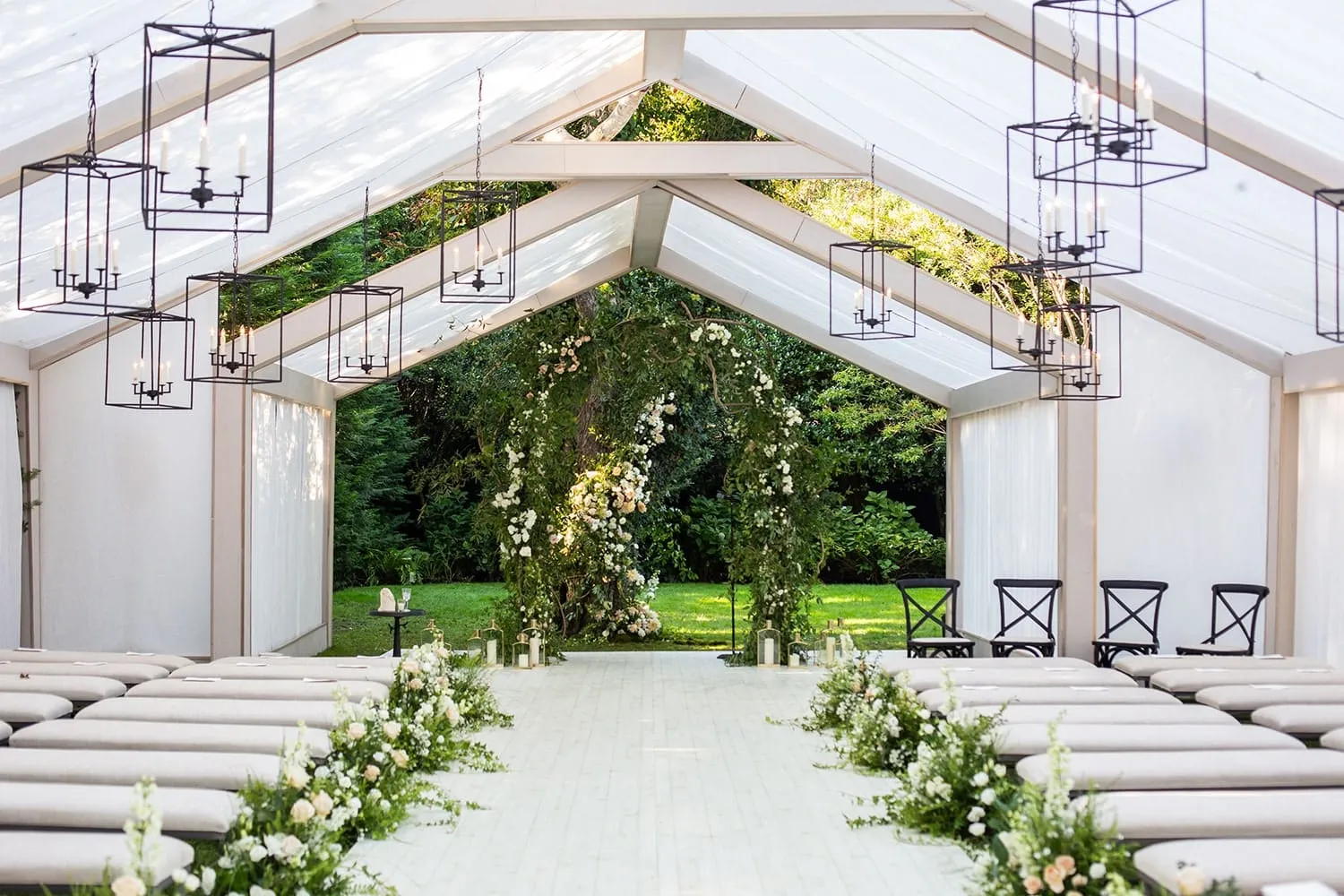
Successful chandelier installations require coordination between the tent structure, lighting equipment, electrical arrangements, and overall event layout.
Planning these details before the tent is installed can reduce conflicts between decorative elements and essential structural components.
Confirm Weight, Height, and Electrical Requirements
The chandelier’s weight and dimensions are among the first details to review.
A large statement chandelier may require a different support arrangement from several smaller fixtures. The combined load of multiple chandeliers must also be considered where they share structural support.
Important planning considerations include:
Chandelier weight and overall dimensions
Approved structural attachment locations
Rated suspension hardware and secondary safety provisions
Minimum clearance above guests and event activities
Electrical supply and cable routing
Compatibility with tent lighting and other suspended installations
Electrical work should be completed by appropriately qualified personnel using equipment suitable for the installation environment.
Cables should be routed and secured to avoid contact hazards, damage, or interference with guest circulation.
Coordinate Lighting Installation with the Tent Setup
Chandelier installation should be incorporated into the overall event installation schedule.
The tent must be properly erected and secured before lighting fixtures are suspended. The sequence should also account for flooring, staging, dance floors, and other event components.
For example, the planned location of a dance floor may determine where the main chandelier should hang. Similarly, dining arrangements can influence the spacing of multiple fixtures.
The installation team should confirm that lighting does not interfere with structural connections, tent fabric, sidewalls, or other equipment.
Outdoor conditions must also be considered. Wind and movement can affect suspended fixtures, so the support arrangement must be appropriate for the installation environment and the tent’s operating limitations.
Skyline Tent Company’s luxury tent structures and tent lighting offerings can be planned together to support a cohesive wedding reception design.
Frequently Asked Questions
Can chandeliers be hung from any wedding tent?
Not automatically. Chandelier installation depends on the tent’s structural design, approved attachment locations, and allowable suspended loads. Some installations may require independent support systems.
Can chandeliers hang from sailcloth tent center poles?
Only when the specific tent design and approved mounting arrangement permit it. A center pole should not be assumed capable of supporting additional weight without structural verification.
Are frame tents better for hanging chandeliers?
Frame tents can offer flexible interior layouts because they generally do not require center poles. However, chandelier suspension still depends on the structure’s approved attachment points and load limits.
How high should a chandelier hang inside a wedding tent?
The appropriate height depends on the fixture’s dimensions, the tent’s interior clearance, and the activities below it. Chandeliers must maintain safe clearance above guests, furniture, and event areas.
Can multiple chandeliers be installed inside one tent?
Yes, provided the tent or independent support system is approved for the total suspended loads. Multiple chandeliers should be planned around structural capacity, electrical requirements, and the reception layout.
Can chandeliers and string lights be used together?
Yes. Chandeliers can provide decorative focal points, while string lights add ambient illumination. Both systems should use appropriate mounting arrangements and be coordinated with the tent’s structural and electrical requirements.
Create an Elegant Wedding Tent Lighting Design with Skyline Tent Company
Chandeliers can bring elegance, warmth, and visual character to sailcloth, pole, and frame wedding tents. However, the installation method must reflect the structural characteristics of the selected tent. Approved attachment points, appropriate suspension hardware, fixture weight, electrical requirements, and safe clearances all play an important role in creating a successful lighting arrangement. When you are ready to plan your tent, request a quote from the Skyline team.
Skyline Tent Company offers luxury wedding tent rentals, sailcloth tents, pole-style tent options, frame tents, chandeliers, string lighting, and supporting event infrastructure for sophisticated outdoor celebrations. Coordinating these elements during the planning stage helps create a wedding environment that is both visually refined and thoughtfully designed.
Contact Skyline Tent Company to explore luxury wedding tent options and discuss chandelier lighting arrangements that complement your venue, reception layout, and overall event vision. For more detail, see our article Commercial Guide to Temporary Venue Expansion.