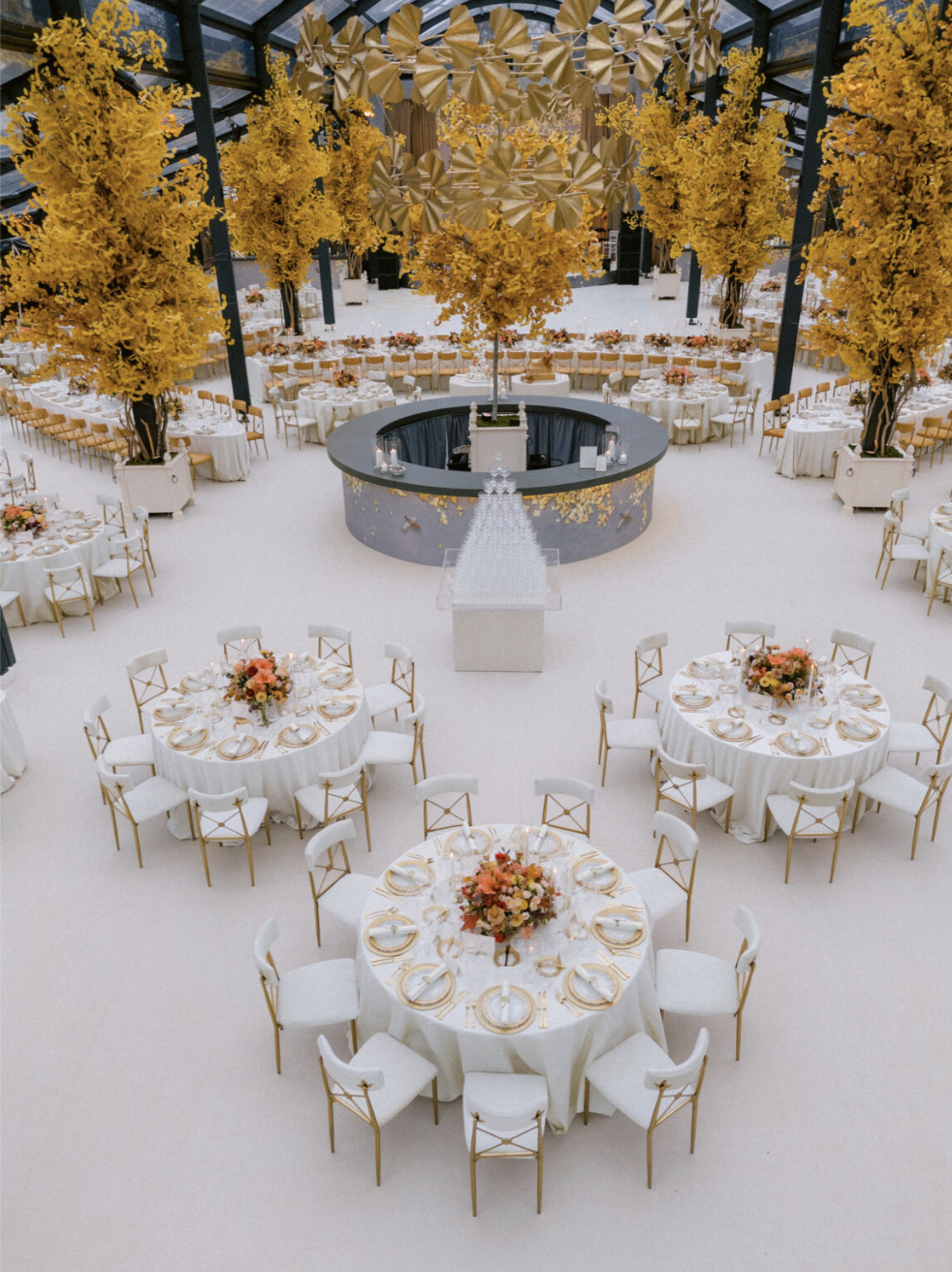
Summer corporate events are best executed in environments that balance flexibility, comfort, and structure, which is why many organizations invest in corporate tent rentals. Tent rentals provide that balance by transforming outdoor spaces into controlled, fully functional venues designed around the event itself. Instead of adapting to a fixed location, planners can define layout, flow, and experience from the ground up. This approach allows for customization that can accommodate unique themes, branding elements, and specific event requirements, making each event truly distinctive.
This level of control is essential for corporate events where presentation quality, guest comfort, and operational precision all matter. A well-planned tented environment supports everything from executive presentations to large-scale networking while maintaining consistency across every detail. The ability to integrate advanced audiovisual equipment, customized lighting, and climate control systems within the tent structure enhances the overall professionalism and impact of the event.
Choosing the Ideal Tent Structure for Your Summer Corporate Event
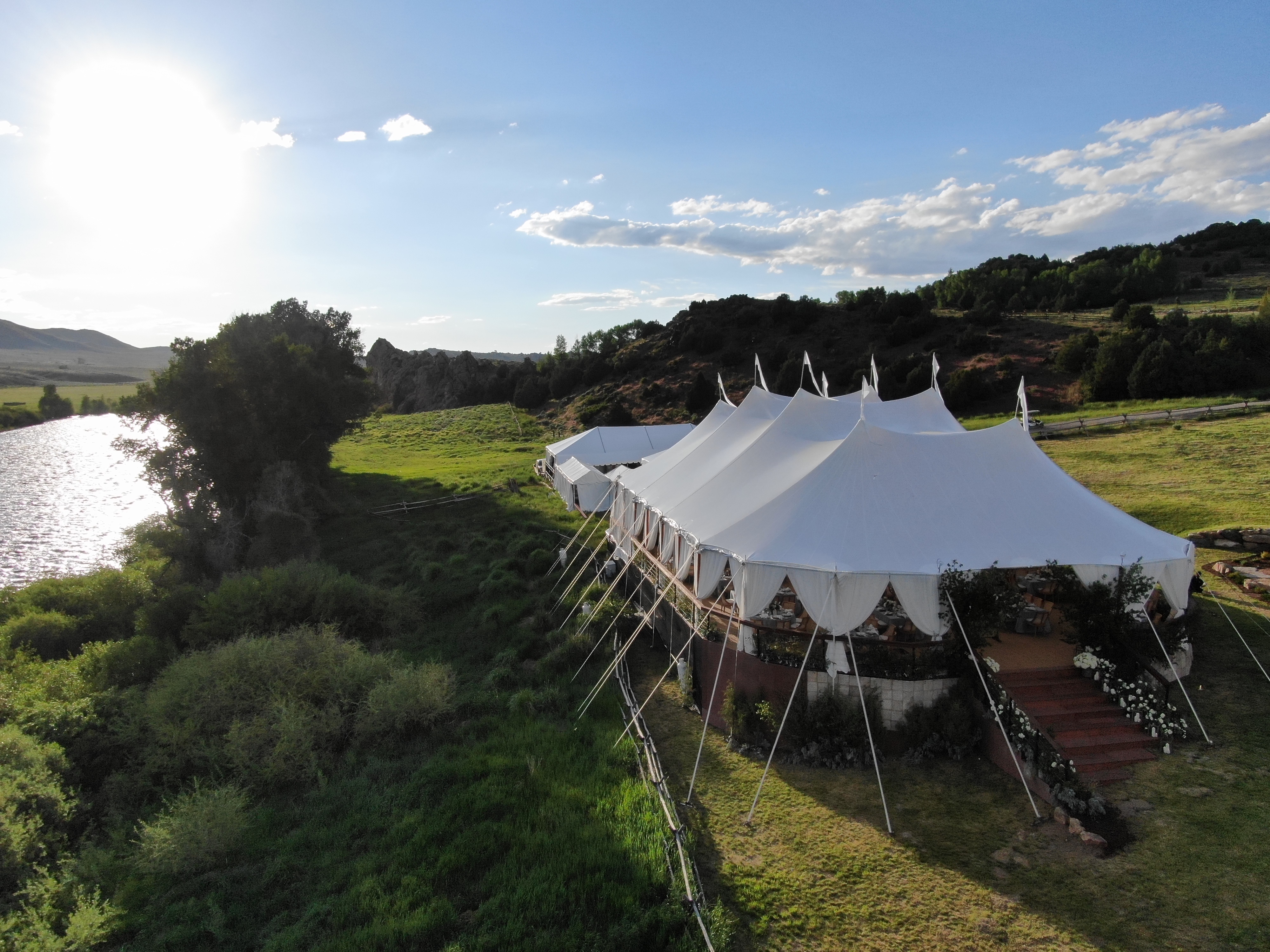
The tent structure defines the boundaries of the event. It determines how the space can be used, how it performs under summer conditions, and how well it supports technical requirements. Choosing the right structure also impacts the ease of installation and the potential for future modifications during the event.
Some structures are designed for scale, others for flexibility, and some for visual impact. The decision should always be based on how the event needs to function. Consideration of the surrounding environment, such as proximity to buildings or natural features, also influences the choice of tent type and placement.
Understanding Core Tent Options
Clearspan tents are often used for large corporate events because they provide unobstructed interiors. Without internal poles, planners have full freedom to design layouts that support staging, seating, and circulation. Their robust framework can withstand various weather conditions, making them reliable for summer events with unpredictable weather.
Frame tents are more adaptable and can be installed on a variety of surfaces. They work well for events where space is limited or site conditions require flexibility. Their modular design allows for easy expansion or reduction in size, accommodating fluctuating guest counts or last-minute changes.
Pole tents introduce a more traditional profile with high peaks. These are often selected when visual character is a priority, particularly in open outdoor settings. The elegant silhouette of pole tents can enhance the aesthetic appeal and create a memorable atmosphere for guests.
Aligning Tent Structure With Your Event Objectives
A corporate conference requires different conditions than a networking reception or gala. Understanding the event’s primary objectives helps determine the necessary features and layout considerations.
Important considerations include:
- Guest count and spatial requirements
- Type of programming such as presentations or open networking
- Technical needs including lighting and audiovisual systems
- Site limitations and environmental exposure
When structure and purpose are aligned early, the rest of the planning process becomes more efficient and predictable. This alignment also facilitates budgeting and resource allocation, ensuring that investments are targeted toward elements that enhance the event’s success.
Designing Tent Layouts to Optimize Flow, Function, and Guest Experience
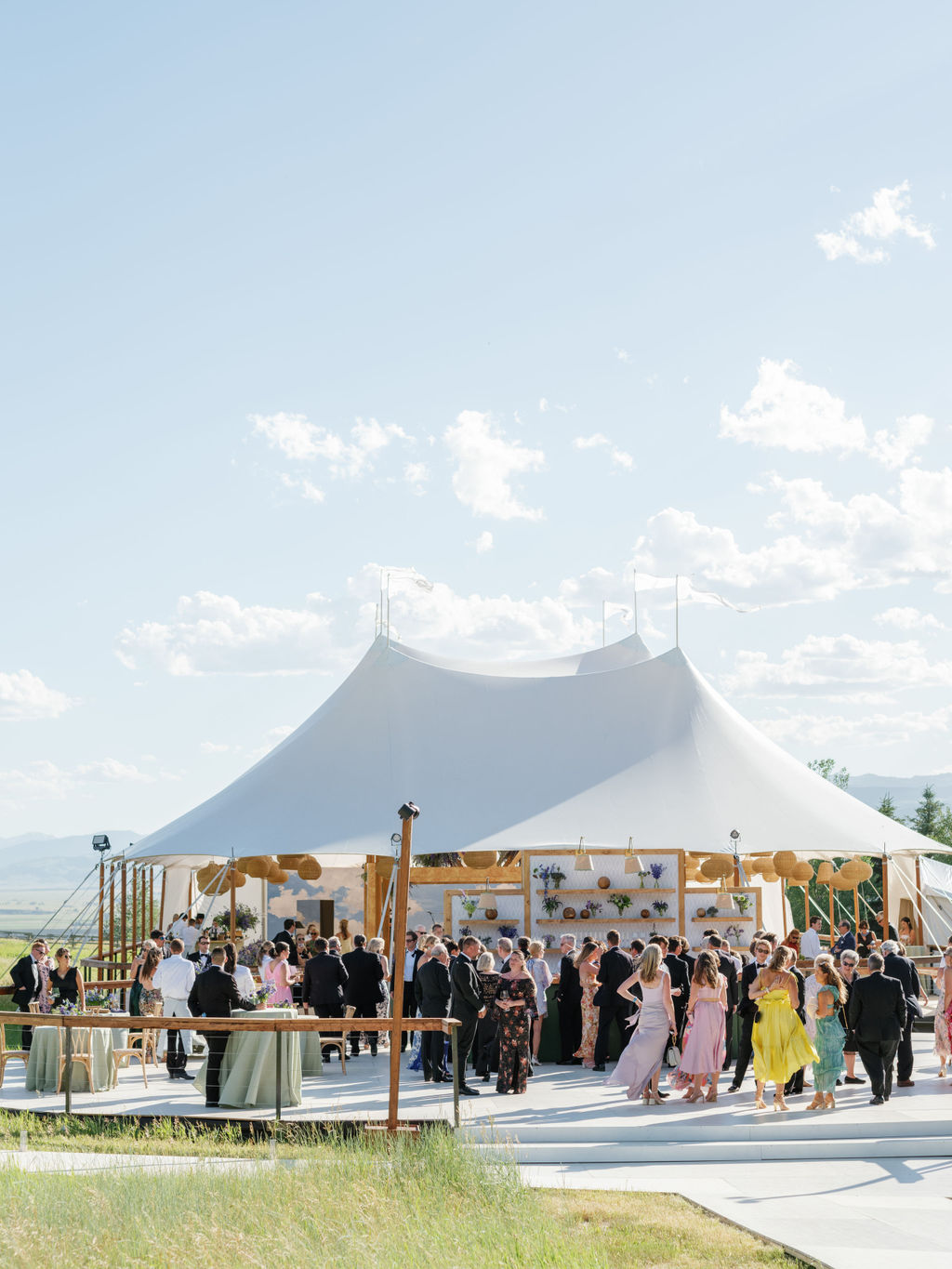
Once the structure is selected, layout becomes the most important factor in how the event performs. A well-designed layout ensures guests move naturally and interact comfortably within the space. It also supports operational needs such as catering, security, and emergency access.
Planning Guest Movement First
Many layout issues come from focusing too much on placement rather than movement. Prioritizing guest flow helps prevent congestion and enhances the overall experience.
Guests should be able to:
- Enter the space without bottlenecks
- Move between areas without confusion
- Access key features without disrupting others
Pathways should feel obvious, even in a large tent. High-traffic areas such as bars, entrances, and service stations should be positioned to distribute movement evenly. Incorporating clear signage and visual cues further supports intuitive navigation.
When flow is intuitive, the event feels organized without requiring direction. This natural movement encourages social interaction and engagement, which are often key goals for corporate events.
Creating Functional Zones That Enhance the Event Environment
Large tents need structure, but that structure should feel natural. The goal is to create distinct areas that serve different purposes while maintaining a cohesive environment.
Instead of dividing the space with rigid separations, effective layouts use subtle transitions to define zones. Lighting, furniture placement, and spacing can signal different areas without creating barriers. This approach fosters a sense of openness and inclusivity.
A balanced corporate event layout often includes: Read more in Elevate Corporate Holiday Galas with Luxury Tent Rentals.
- A central focal point such as a stage or presentation area
- Secondary zones for networking or informal interaction
- Dining or hospitality sections positioned for accessibility
These zones should feel connected. Guests should move between them without feeling like they are entering separate environments. Thoughtful integration of technology and décor elements can further unify the space.
Enhancing Tent Interiors With Lighting, Flooring, and Climate Control for Summer Events
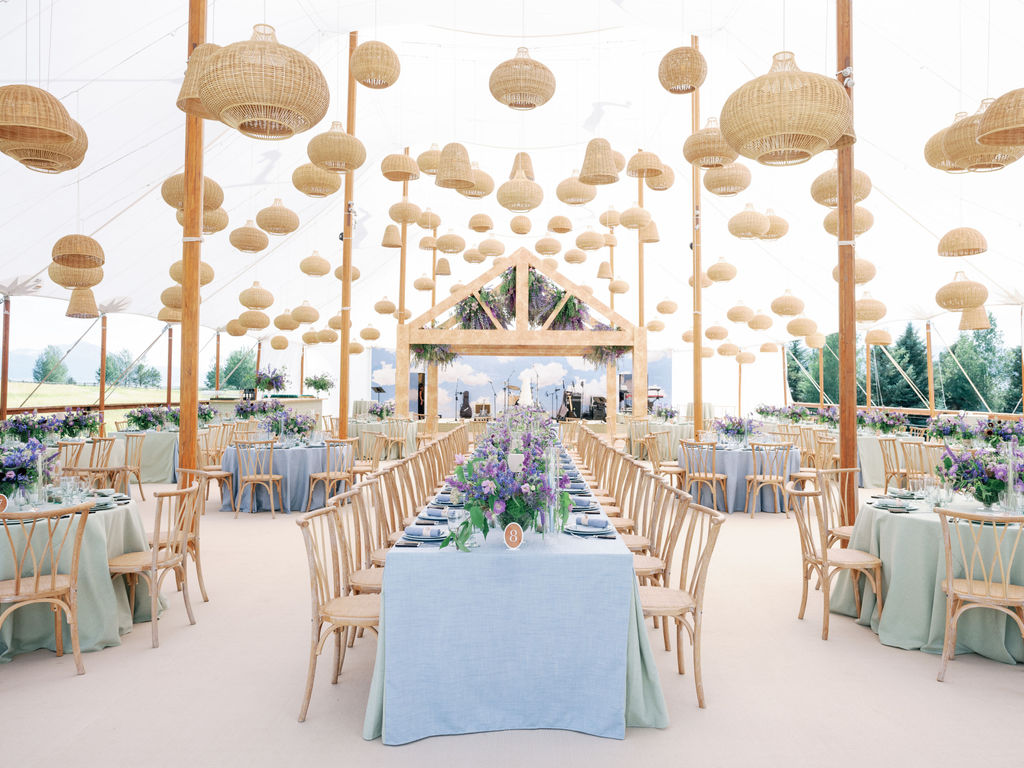
The interior elements of a tent determine how the space is experienced. Structure alone does not create a premium environment. It is the combination of lighting, flooring, and climate control that defines quality. These elements also contribute to safety and accessibility, which are critical for corporate events. For more detail, see our article Custom Tent Features That Elevate Corporate Events.
Lighting and Flooring as Experience Drivers
Lighting shapes both visibility and atmosphere. It highlights focal points, supports different phases of the event, and influences how the space feels overall. Dynamic lighting systems can be programmed to change throughout the event, enhancing mood and focus.
A thoughtful lighting plan typically includes:
- Ambient lighting for overall visibility
- Accent lighting to highlight stages or design features
- Functional lighting for service areas
Lighting should adapt throughout the event, shifting from brighter tones during presentations to softer settings during networking, a strategy commonly used in professional tent lighting. Incorporating energy-efficient LED fixtures also supports sustainability goals.
Flooring plays an equally important role. It provides stability, improves accessibility, and contributes to the visual consistency of the space. Options range from temporary carpet tiles to interlocking panels that protect the ground and create a polished look.
Different materials serve different purposes, but the goal remains the same: create a surface that feels secure and aligned with the event’s design. Proper flooring also reduces noise and enhances comfort for guests who may be standing for extended periods.
Managing Summer Climate and Comfort
Comfort directly impacts how guests experience the event, making effective climate control a critical part of summer event planning. Temperature, airflow, and spacing all play a role. Addressing these factors proactively helps prevent discomfort and maintains a positive atmosphere.
Effective climate strategies include:
- Cooling systems to maintain stable temperature
- Fans to improve air circulation
- Proper spacing to prevent overcrowding
Airflow is often overlooked but has a significant effect on comfort. Even a well-cooled space can feel uncomfortable if air is not circulating properly. Incorporating natural ventilation options, such as open sides or vents, can complement mechanical systems.
When environmental conditions are managed effectively, guests remain engaged longer and the event feels more polished. This attention to comfort also reflects the professionalism and care of the event organizers.
Executing a Seamless Summer Corporate Event: Logistics and Coordination
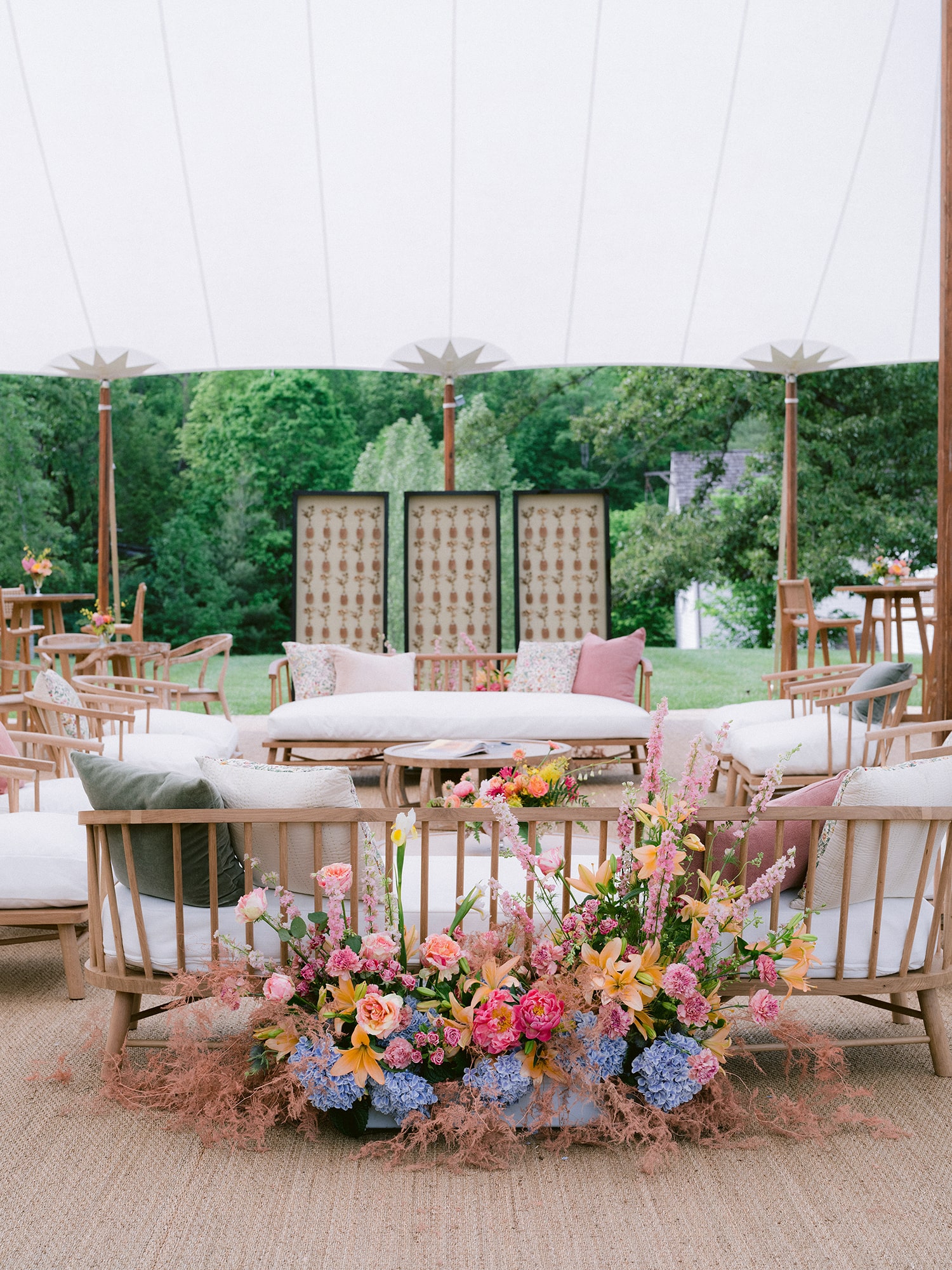
Execution is where planning is tested. Without coordination, even the best designs can fall apart. Detailed timelines and contingency plans are essential to handle unexpected challenges.
Preparing the Site and Installation Strategy
Every site introduces variables that must be addressed early. Ground conditions, access points, and surrounding structures all influence how the tent is installed. Early site visits and assessments help identify potential obstacles and opportunities.
Site preparation should include:
- Evaluating terrain and stability
- Identifying access routes for equipment
- Confirming any permitting or regulatory requirements
A clear installation sequence improves efficiency and prevents conflicts during setup. Coordination with local authorities and utility providers ensures compliance and safety.
Coordinating Vendors and Managing Timelines
Tented events involve multiple teams working in the same space. Without coordination, delays and inefficiencies are common. Establishing a single point of contact for vendor communication streamlines the process.
A structured setup sequence helps maintain control:
- Tent installation
- Infrastructure such as flooring and power
- Lighting, décor, and technical setup
Clear communication ensures each team understands their role and timing. This reduces overlap and keeps the process organized. Regular progress meetings and checklists help track milestones and address issues promptly.
Strong coordination allows the event to transition smoothly from setup to execution. This seamless flow minimizes stress for organizers and creates a positive impression for attendees from the moment they arrive.
Aligning Tent Design With Corporate Event Objectives
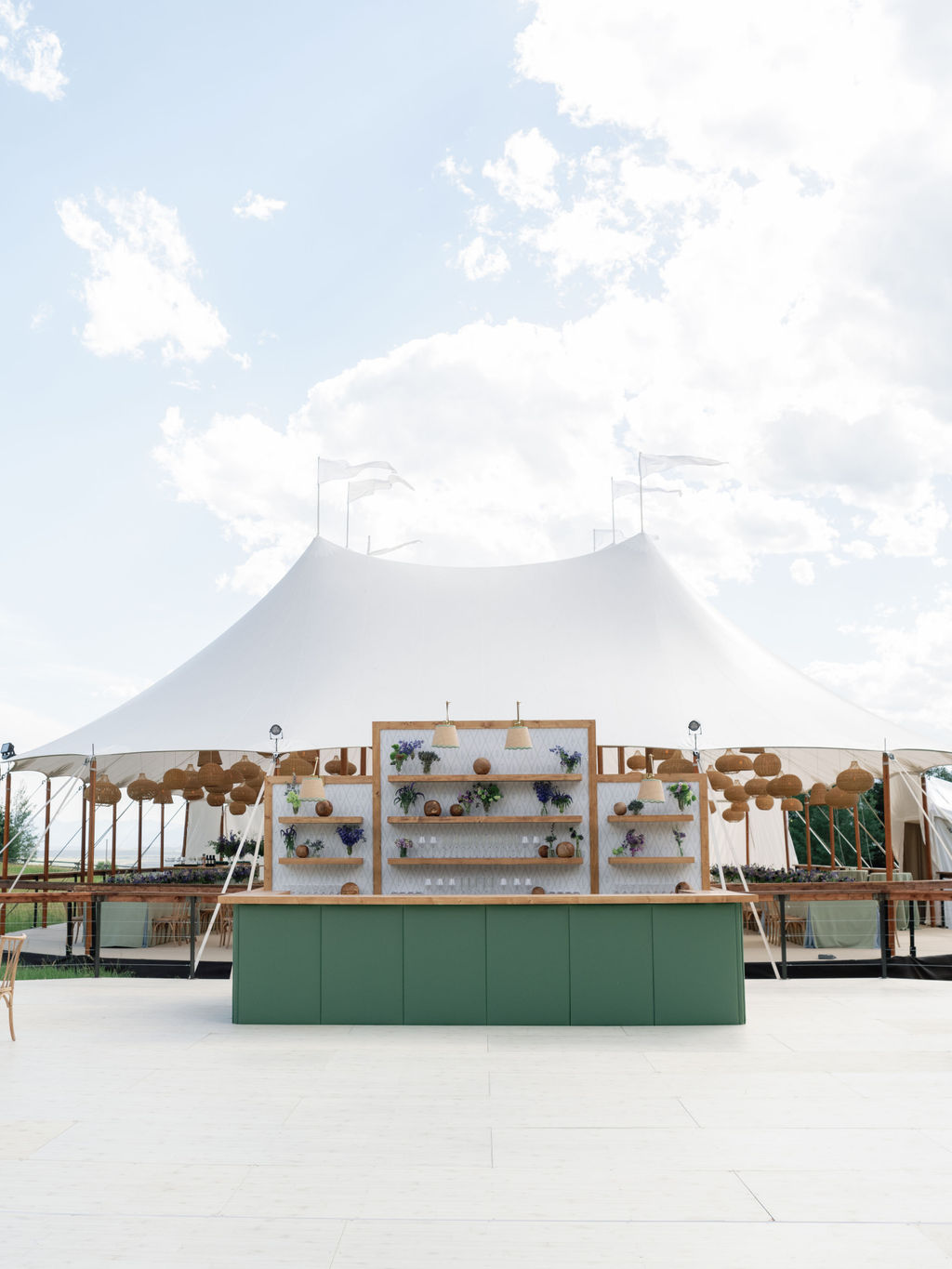
A corporate tent should reflect the purpose of the event and the identity of the organization hosting it. It should not feel generic or temporary. Thoughtful design reinforces messaging and supports the event’s strategic goals.
Translating Brand Into Physical Space
Branding goes beyond logos. It is reflected in layout, lighting, materials, and overall design consistency. Incorporating brand colors, textures, and motifs throughout the tent environment creates a cohesive and immersive experience.
Color choices, spatial arrangement, and visual balance all contribute to how the brand is perceived. Even small details such as symmetry and spacing can influence the overall impression. Custom signage, branded furniture, and interactive elements further enhance brand presence.
When design elements are aligned, the environment feels cohesive and intentional. This alignment supports attendee engagement and reinforces the organization’s professionalism and values.
Balancing Aesthetics With Performance
Visual appeal is important, but it must support functionality. A beautiful space that hinders movement or access undermines the event’s success.
A successful event balances:
- Clear visibility for presentations
- Comfortable movement for guests
- Efficient access for service teams
When design and performance are aligned, the space feels effortless. Guests can focus on the event rather than navigating the environment. This balance also facilitates smoother operations and enhances overall satisfaction.
Frequently Asked Questions
What is the best tent type for large corporate events?
Clearspan tents are often preferred because they provide open interiors and support large-scale layouts and technical setups.
How do I ensure good airflow in a summer tent event?
Use a combination of ventilation, fans, and strategic spacing to maintain consistent air circulation throughout the space.
What is the most important factor in a successful tented event?
Layout and execution are critical, as they directly affect guest flow, comfort, and overall experience. For inspiration from past installs, browse our tent gallery.
Conclusion
Premium tent rentals provide the flexibility and control needed to create high-performing summer corporate events. When structure, layout, and infrastructure are aligned, the result is a space that feels organized, comfortable, and visually refined. Investing in quality tents and thoughtful design elements elevates the event experience and leaves a lasting impression on attendees. We cover this further in Corporate Event Tents for Summer Retreats and Brand Activations.
Skyline Tent Company specializes in designing and executing elevated tent environments tailored to corporate events. From initial planning to final installation, every detail is managed with precision to ensure a seamless experience. Schedule your private consultation to explore customized solutions and create an event space that reflects your vision with clarity and confidence.