
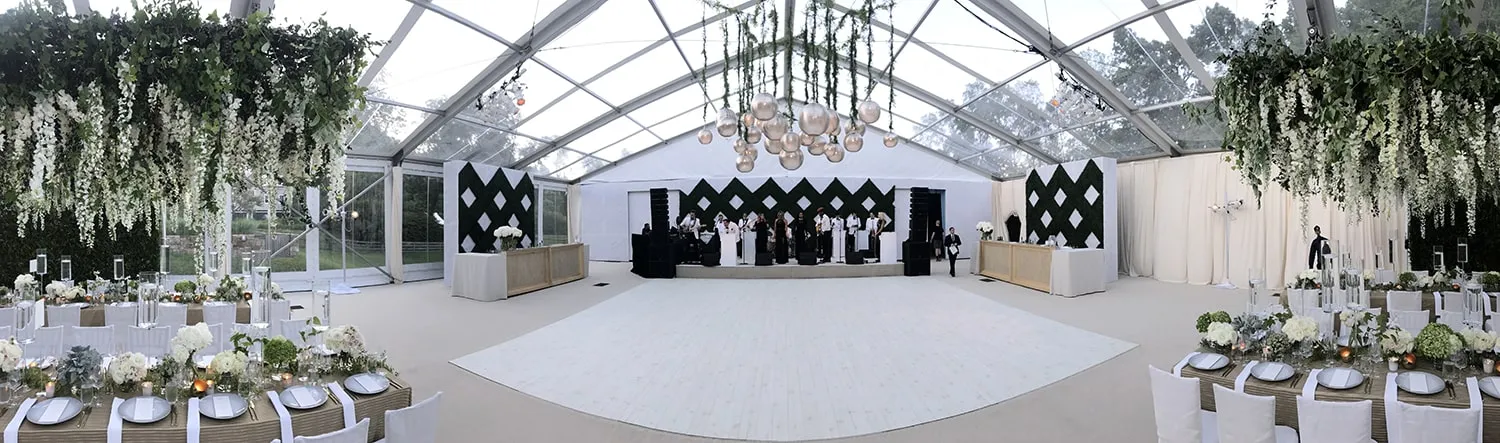
As temperatures cool and autumn moves toward its final weeks, outdoor venues can face the challenge of keeping weddings, corporate gatherings, private celebrations, and other events comfortable without giving up the atmosphere that makes an outdoor setting appealing. Luxury event tents can help venues extend their outdoor event season into late fall by creating protected, adaptable environments that support changing guest counts, venue layouts, and design requirements. Clearspan tents provide spacious, pillar-free interiors that make it easier to arrange dining, entertainment, and social areas, while frame tents offer installation flexibility across different surfaces and can incorporate sidewalls and heating systems for additional weather protection. The structure itself, however, is only one part of a successful late-fall event strategy. Heating equipment, insulation, ventilation, flooring, and carefully planned lighting all influence how comfortable and inviting the tent feels as temperatures decline. Venues should also work with experienced tent professionals who understand seasonal conditions and can coordinate structural, climate, safety, and layout requirements. By bringing these elements together, outdoor spaces can remain functional, polished, and welcoming later into the fall season instead of becoming unusable as soon as colder weather arrives.
Choosing Clearspan and Frame Tents for Late-Fall Events
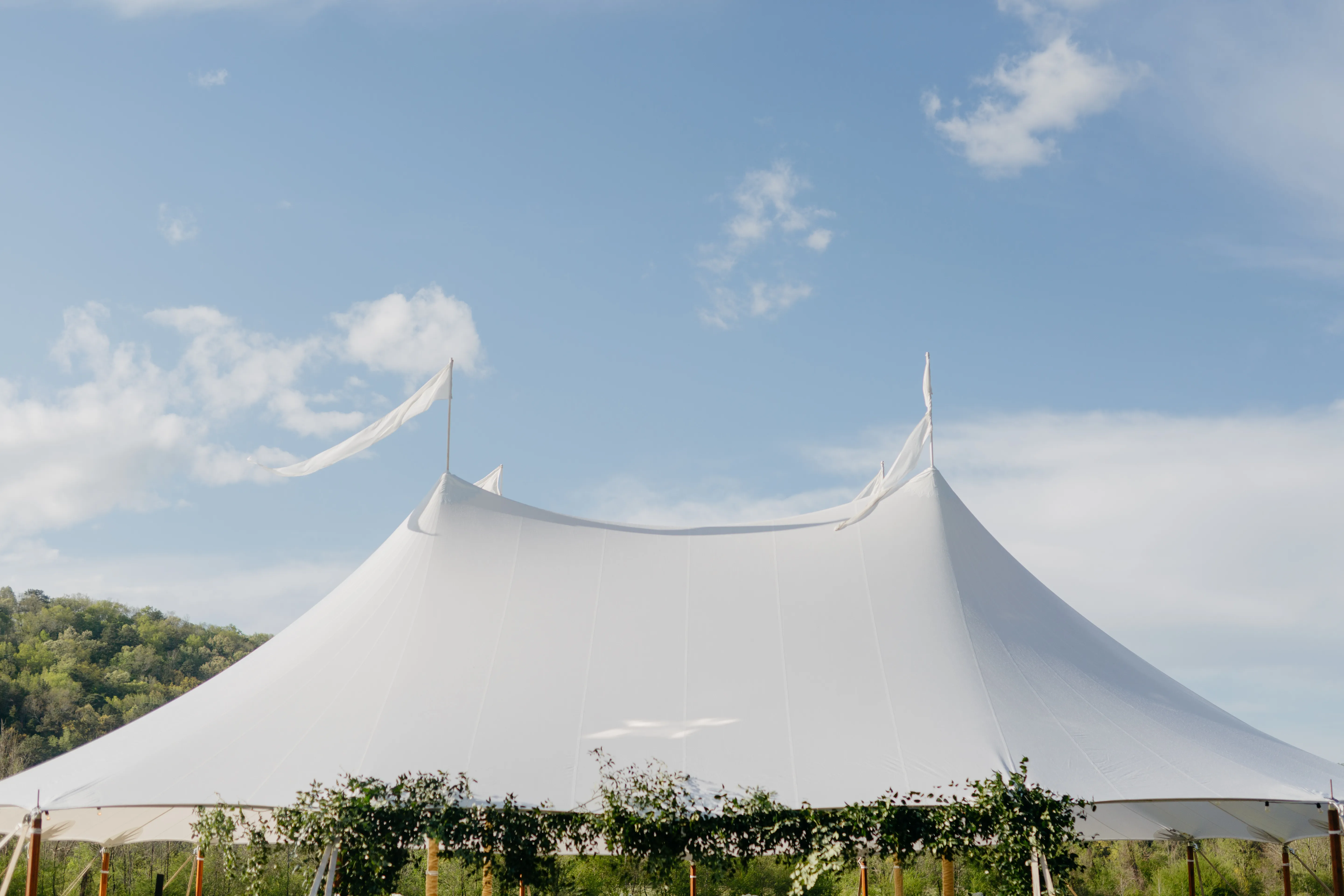
Clearspan and frame tents provide venues with two flexible approaches to extending outdoor event space into colder weather. Both can create protected environments, but their structural characteristics make them appropriate for different site conditions and event requirements.
The original source emphasizes their versatility and ability to accommodate different guest counts, venue specifications, and design goals. Selecting the right structure should therefore begin with the property itself and how the space will be used.
Clearspan Tents for Spacious Late-Fall Layouts
Clearspan tents feature a pillar-less design that creates large, unobstructed interiors. This is particularly useful for weddings and corporate gatherings where guests need space to move comfortably between seating, dining, entertainment, and social areas.
Their design can also support enhanced climate-control capabilities. Effective air circulation combined with reduced drafts can become particularly important when outdoor temperatures fall and the tent needs to provide a more controlled environment.
Frame Tents for Flexible Venue Surfaces
Frame tents provide valuable installation flexibility because they can work across different surfaces. The source specifically identifies concrete and asphalt as examples, making frame structures useful when a venue’s most suitable event location is not a traditional lawn.
These tents can also incorporate sidewalls and heating equipment for colder conditions. Their attractive appearance allows additional aesthetic enhancements, helping venues create a high-end event environment while addressing practical seasonal requirements.
Tent selection should consider both the physical site and the guest experience. A late-fall structure needs to support event activities while also creating an environment that can respond to cooler temperatures and changing weather. Reviewing these factors together can help venues choose a more appropriate configuration.
Available floor space: Determine how much unobstructed room is required for dining, dancing, entertainment, and circulation.
Surface conditions: Evaluate whether installation will occur on grass, concrete, asphalt, or another surface.
Guest count: Select tent dimensions that support attendance without creating an overcrowded environment.
Weather protection: Consider whether sidewalls and other protective features will be needed.
Climate control: Plan heating and airflow around the selected structure.
Event aesthetics: Choose a tent style that complements the venue and intended atmosphere.
Clearspan and frame tents can both help venues remain operational later into fall, but the strongest results come from matching the structure to the property’s specific conditions and event requirements.
Heating Late-Fall Event Tents for Guest Comfort
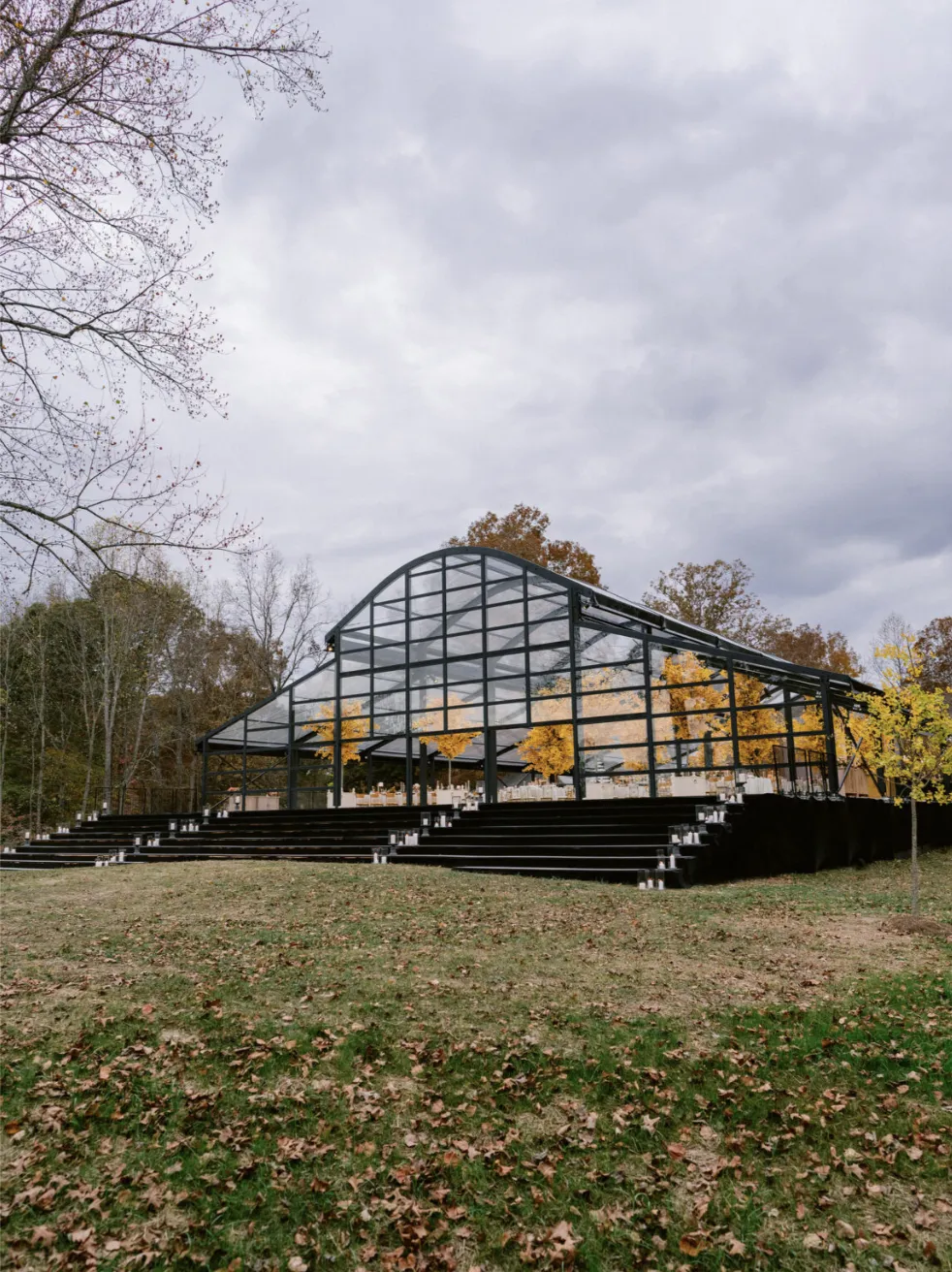
As temperatures drop, heating becomes essential to extending the outdoor event season. A tent may protect guests from direct exposure to colder weather, but the interior still needs an appropriate heating strategy to remain comfortable throughout an event.
The source identifies propane, electric, infrared, radiant, and integrated heating systems as potential options. Each approach provides different advantages depending on event size, tent configuration, and the areas requiring warmth.
Propane and Electric Heaters for Fall Events
Propane heaters are highlighted for their portability and high heating capacity. They can provide warmth relatively quickly, making them suitable for larger gatherings where significant areas need to be heated during cooler conditions.
Electric heaters may be better suited to smaller gatherings or situations where quieter operation is preferred. Their straightforward setup and consistent warmth can make them useful when the event configuration and available electrical infrastructure support their use.
Infrared, Radiant, and Integrated Heating Systems
Infrared heaters work by warming nearby people and objects rather than relying exclusively on heating the surrounding air. This can make them useful within outdoor structures where maintaining air temperature alone may be less efficient.
Radiant heaters provide more localized warmth and can be positioned around seating areas. The source also discusses custom heating systems integrated into the tent structure, creating a more seamless solution for maintaining comfortable conditions throughout an event.
Different events may require different combinations of heating equipment. A large formal reception has different needs from a smaller private gathering, so the heating strategy should reflect the tent’s dimensions, guest distribution, and expected temperatures. The following options from the original content provide a useful starting point.
Propane heaters: Portable units with strong heating capacity for larger gatherings.
Electric heaters: Provide quieter, consistent warmth and may work well for smaller events.
Infrared heaters: Warm nearby objects and people rather than focusing entirely on the surrounding air.
Radiant heaters: Deliver localized warmth and can be positioned near seating areas.
Integrated heating systems: Can be incorporated into tent structures for a more seamless climate solution.
Selecting and positioning heating equipment strategically can help venues create an environment where guests remain comfortable even when late-fall temperatures would otherwise limit outdoor event use.
Controlling Temperature with Tent Insulation and Ventilation
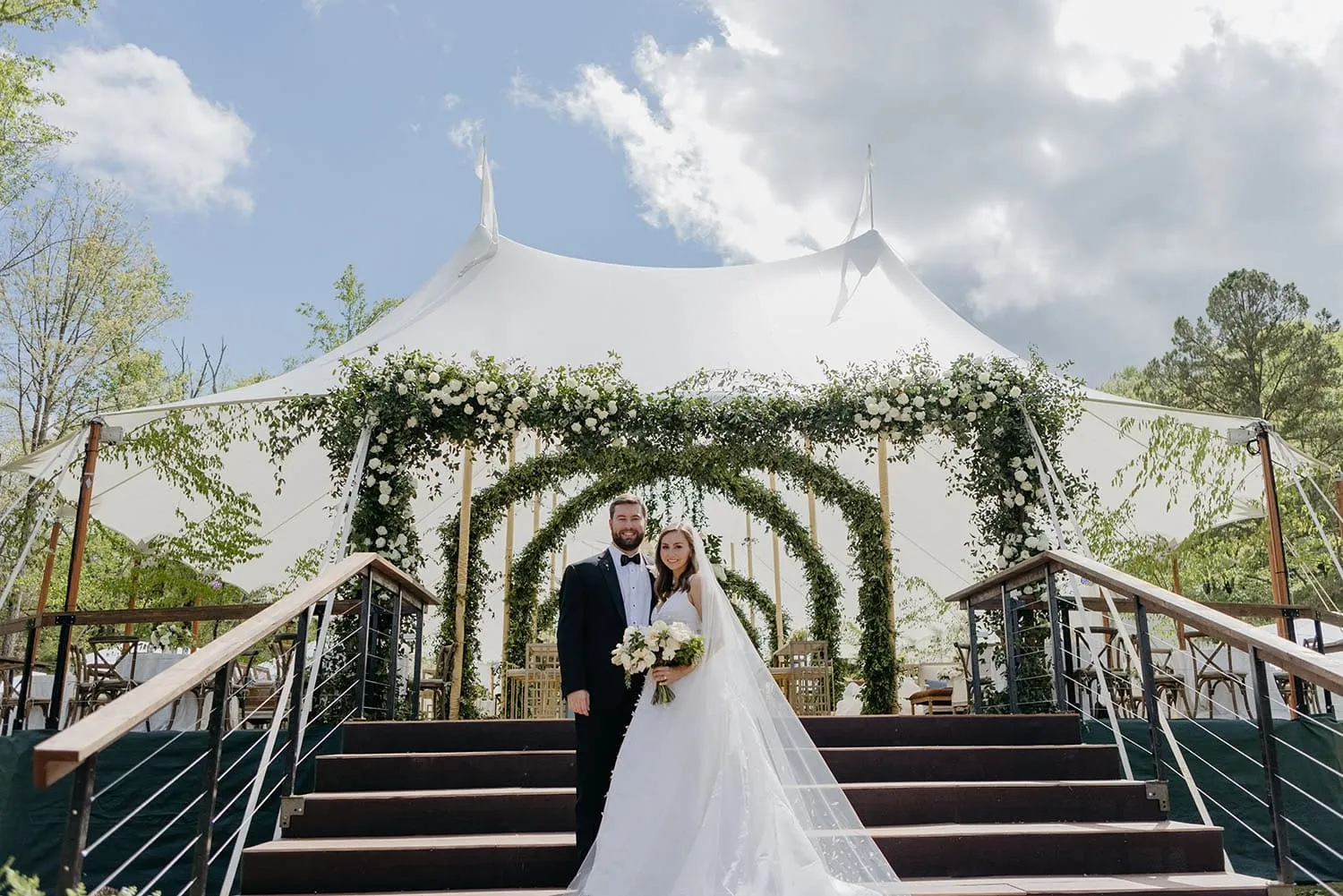
Heating equipment works most effectively as part of a broader climate-control plan. Insulation can help retain warmth, while ventilation supports air circulation and prevents the tent from becoming uncomfortable when enclosed.
Flooring also plays a role because cold ground can influence how comfortable the interior feels. Coordinating these elements can make a substantial difference during evening events when temperatures may decline quickly.
Insulated Sidewalls and Flooring for Colder Conditions
Insulated sidewalls help retain warmth while providing additional protection against colder weather. They can be particularly valuable for evening events, when the difference between daytime and nighttime temperatures becomes more noticeable.
Ground coverings provide another layer of thermal support. The original content identifies carpeting and specialized flooring as options that can help maintain a warmer environment while also creating a more finished event interior.
Maintaining Proper Air Circulation Inside the Tent
Closing a tent completely may help limit drafts, but appropriate ventilation remains important. Adequate airflow helps prevent a stuffy interior and contributes to more comfortable conditions for guests.
Strategically positioned vents or windows can provide adjustable airflow. They can be opened or closed according to temperature and conditions, giving event teams more flexibility as weather changes throughout the day or evening.
Late-fall climate control should therefore be approached as a combination of heat retention, air movement, and separation from colder ground conditions. Focusing on only one component may leave other comfort issues unresolved. Coordinating the complete tent environment produces a more balanced result.
Insulated sidewalls: Help retain interior warmth and provide protection from colder weather.
Adjustable ventilation: Supports airflow and helps prevent the enclosed structure from becoming stuffy.
Strategically positioned vents: Allow airflow to be adjusted according to changing conditions.
Insulated flooring: Creates separation between guests and colder ground surfaces.
Carpeting: Adds another layer of warmth while contributing to a more finished interior.
Climate coordination: Heating, insulation, ventilation, and flooring should function as one system.
Together, these practices allow venues to create a more inviting atmosphere as temperatures decline, helping outdoor event spaces remain useful deeper into the fall season.
Using Fall Tent Lighting to Create a Warm Event Atmosphere
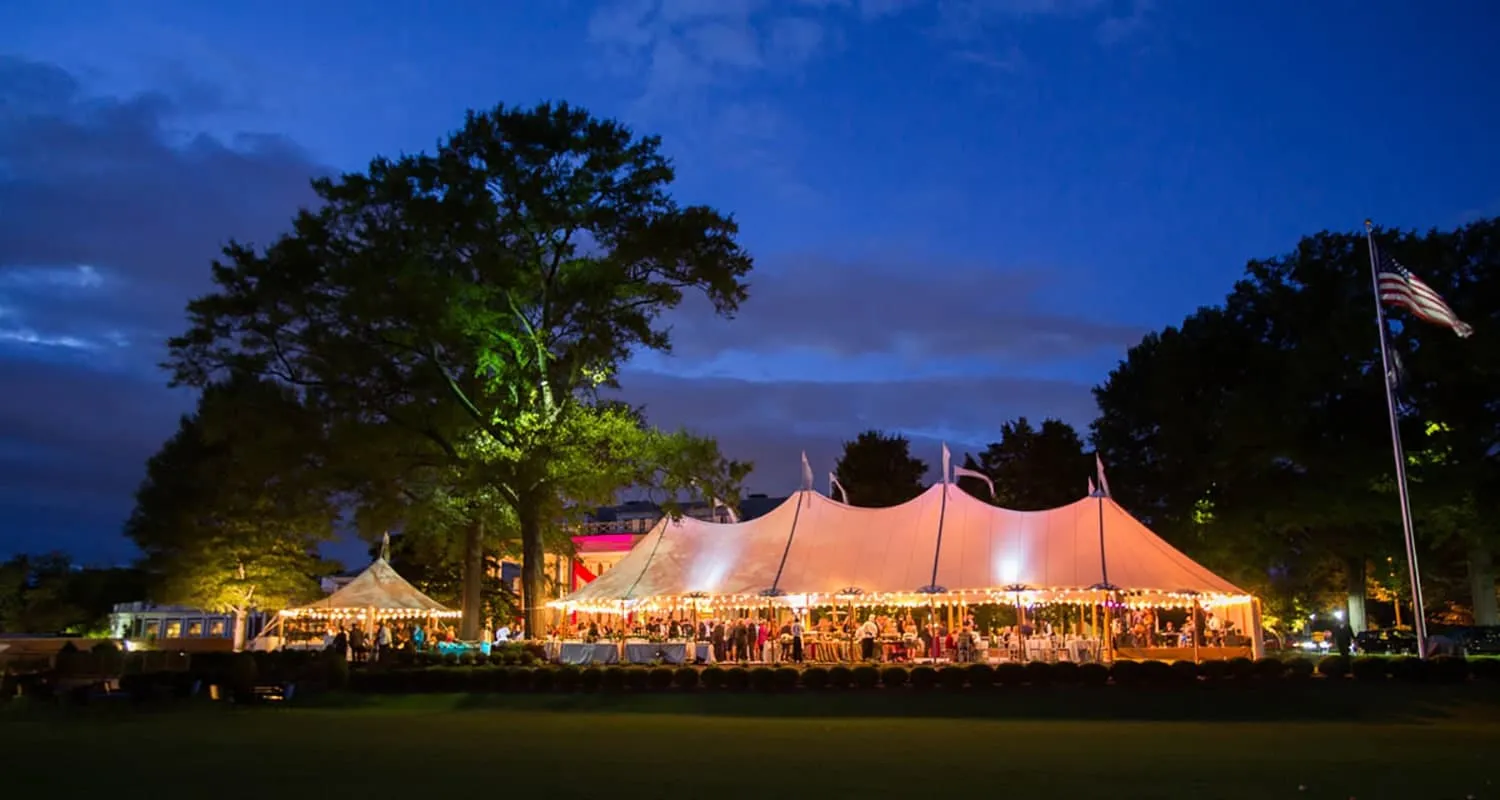
Late fall also means shorter daylight hours, making lighting increasingly important for outdoor events. Lighting should provide sufficient visibility for guest movement and event activities while supporting the atmosphere of the celebration.
The source identifies string lights, LED uplighting, chandeliers, sconces, and lanterns as options for improving both functionality and aesthetics. Different combinations can be selected according to the event style and venue setting.
String Lights and LED Uplighting for Fall Tent Design
String lights can be draped across a tent ceiling or incorporated around structural elements to create a warm glow. This type of illumination works particularly well for fall gatherings where planners want the interior to feel intimate and inviting.
LED uplighting offers a more modern approach. By washing tent walls in selected colors, planners can coordinate lighting with seasonal décor, event branding, or a specific design palette.
Chandeliers, Sconces, and Lanterns for Upscale Events
Chandeliers and sconces introduce a more formal decorative element while also providing practical illumination. They can be particularly effective for weddings, galas, and other events where lighting fixtures are expected to contribute to the overall design.
Lanterns can reinforce a festive fall atmosphere, especially at rustic or outdoor venues. Used throughout the tent, they provide another decorative layer while supporting the practical lighting requirements of the space.
Lighting should be designed around both visual impact and functionality. Guests need sufficient illumination to navigate the tent comfortably, while dining, entertainment, and decorative areas may each benefit from different lighting treatments. Layering several fixture types can create a more complete late-fall environment.
String lights: Add warm overhead illumination and create an intimate atmosphere.
LED uplighting: Introduces customizable color along tent walls and other surfaces.
Chandeliers: Provide an elegant focal point for formal late-fall events.
Wall sconces: Add decorative illumination and can complement upscale interior designs.
Lanterns: Reinforce rustic or seasonal themes while providing additional light.
Layered lighting: Combines practical visibility with atmosphere and decorative impact.
Thoughtful lighting helps temporary structures remain visually inviting after sunset and can reinforce the cozy atmosphere many guests associate with late-fall celebrations.
Choosing an Experienced Tent Partner for Late-Fall Events
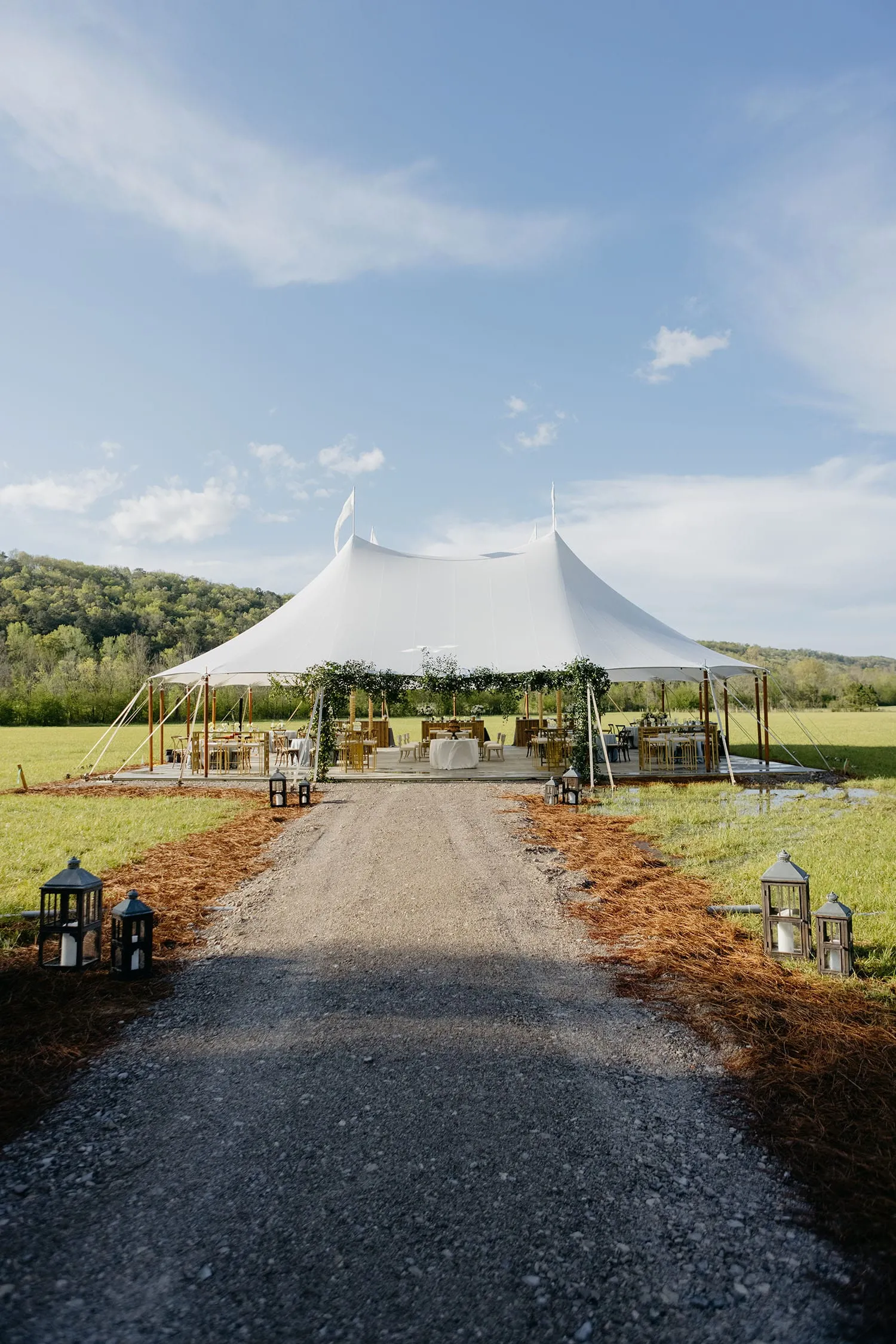
Extending an outdoor season into colder months introduces requirements that may not be as significant during mild-weather events. Tent type, heating, insulation, ventilation, structural performance, safety considerations, and setup efficiency all need to be coordinated.
The original source recommends working with luxury tent rental professionals who have experience addressing varying temperatures and weather conditions. This expertise can help venues develop solutions based on their specific property and event needs.
Why Climate-Resilient Tent Experience Matters
Experienced providers understand that different weather conditions can require different structures and supporting systems. Selecting an appropriate tent is only the first step; the complete environment needs to be planned around anticipated conditions.
Quality products and structurally sound tent systems also matter when outdoor events extend into more challenging seasonal weather. Professional planning can help coordinate these structural requirements with guest comfort and event design.
Custom Planning and Efficient Installation
Professional tent providers can develop customized solutions for unique layouts and other venue-specific requirements. The source also notes the importance of addressing considerations such as fire safety regulations as part of the planning process.
Experienced teams can streamline setup and take-down, helping reduce stress for organizers. This efficiency becomes particularly valuable when venues are hosting several events or working within tight seasonal schedules.
Choosing a tent partner should involve more than comparing structures by appearance. Late-fall events require coordination across several technical and operational areas, making relevant experience particularly valuable. Venues should consider how effectively a provider can address the entire seasonal event environment.
Climate knowledge: Understands how changing temperatures influence tent and heating requirements.
Structural quality: Provides tent systems designed to respond appropriately to outdoor conditions.
Custom solutions: Develops configurations around specific layouts and venue needs.
Safety planning: Can account for relevant considerations such as fire safety requirements.
Setup efficiency: Helps streamline installation and take-down schedules.
Design coordination: Brings structural, comfort, and aesthetic requirements together within one plan.
The original content specifically identifies Skyline Tent Company as a provider specializing in luxury event infrastructure and architectural tent solutions for venues extending outdoor events later into fall.
Frequently Asked Questions
Which tents are suitable for late-fall outdoor events?
Clearspan and frame tents are both highlighted in the source. Clearspan tents provide large, pillar-free interiors, while frame tents offer adaptable installation across different surfaces and can incorporate sidewalls and heating systems.
What heating options can be used inside fall event tents?
The source discusses propane, electric, infrared, radiant, and integrated heating systems. The appropriate choice depends on factors such as event size, desired heating method, and tent configuration.
How can venues retain heat inside an event tent?
Insulated sidewalls and ground coverings can help retain warmth, while appropriate ventilation allows air to circulate without creating an excessively stuffy environment.
What lighting works well for late-fall tent events?
String lights, LED uplighting, chandeliers, sconces, and lanterns are all identified as useful options. They can be combined to support both practical illumination and the desired seasonal atmosphere.
Why should venues work with an experienced luxury tent company?
Experienced providers can help select structures for specific conditions, supply quality products, develop custom solutions, address relevant safety requirements, and streamline setup and take-down.
Extend Your Late-Fall Event Season with Skyline Tent Company
Outdoor event season does not necessarily have to end when temperatures begin to fall. With the right luxury event tent, heating equipment, insulation, ventilation, flooring, and lighting, venues can create protected environments that remain inviting during colder autumn conditions. Clearspan tents provide expansive, unobstructed interiors, while frame tents offer valuable flexibility across different installation surfaces. Heating options ranging from propane and electric units to infrared, radiant, and integrated systems can further support guest comfort.
The strongest late-fall event spaces treat these features as one coordinated environment rather than separate additions. Insulated sidewalls can help retain warmth, appropriate ventilation supports air circulation, flooring can reduce the impact of cold ground, and layered lighting can transform shorter autumn evenings into part of the event experience.
Skyline Tent Company specializes in luxury event infrastructure and architectural tent solutions designed around individual venue requirements. Working with an experienced tent partner can help planners coordinate structure selection, climate considerations, custom layouts, safety needs, and efficient installation as they extend their event calendars deeper into the season.
Contact Skyline Tent Company today to discuss your venue, late-fall event calendar, guest requirements, site conditions, and design goals. With a professionally planned tent structure and coordinated heating, climate-control, flooring, and lighting solutions, your outdoor venue can continue delivering comfortable and elegant event experiences well into late fall.