
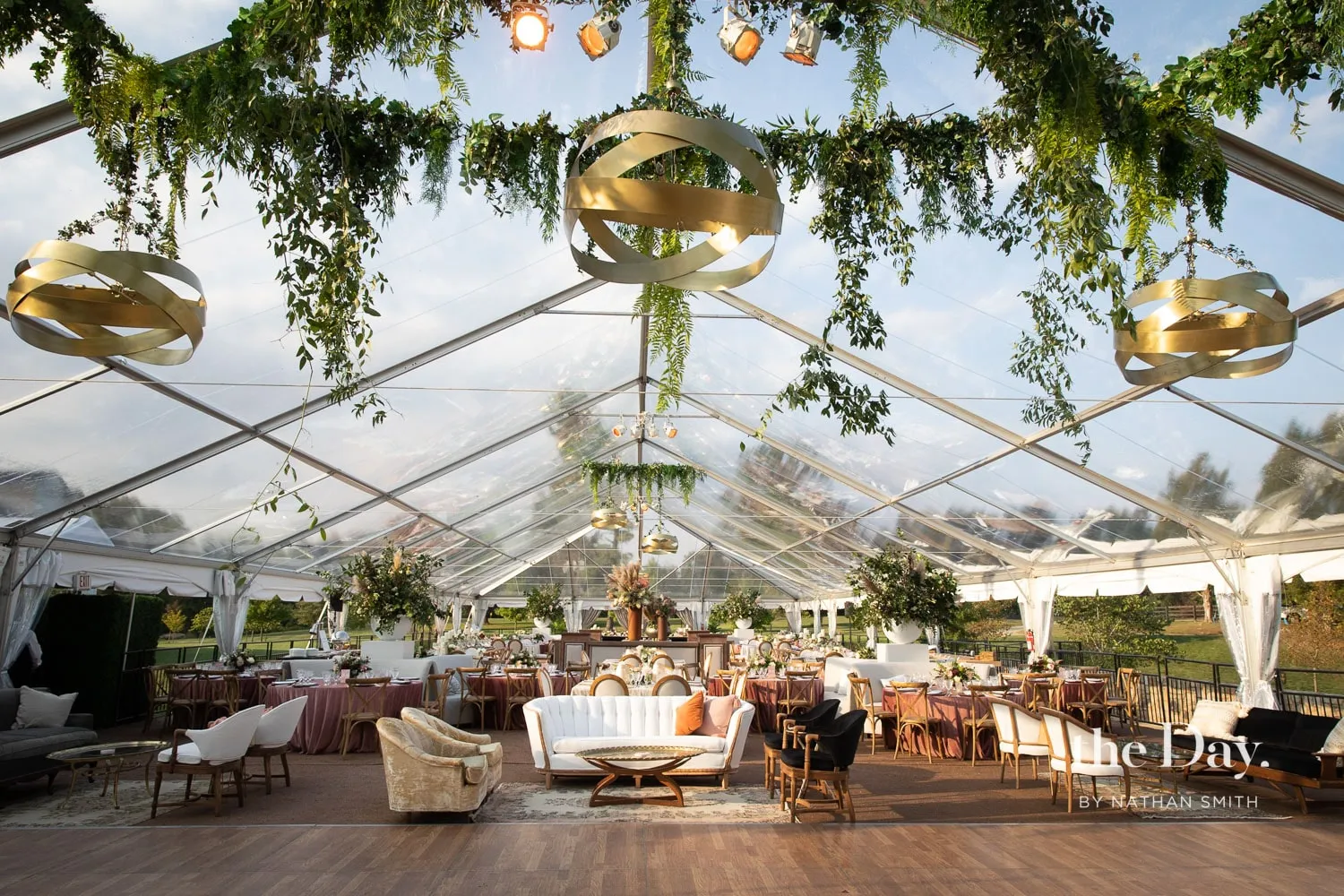
Peak seasons can bring increased demand for weddings, corporate gatherings, festivals, outdoor parties, galas, and other celebrations at resorts, creating a need for additional event space without permanent construction. Temporary event venues using outdoor event tent rentals give resorts the flexibility to increase capacity while adapting spaces to different guest counts, event formats, seasonal conditions, and luxury design requirements. Clearspan tents provide expansive interiors without internal supports, frame tents offer versatile installation across different surfaces, and sailcloth or century pole tents bring distinctive architectural character to upscale occasions. Creating a successful temporary resort venue, however, involves much more than selecting a tent. Resorts must consider guest capacity, seasonal weather, terrain, climate control, flooring, lighting, audiovisual systems, power distribution, vendor access, permits, and guest circulation. Early planning and professional installation can help these components work together effectively. By combining an appropriate architectural tent with carefully planned infrastructure and a flexible interior layout, resorts can create sophisticated temporary venues that support peak-season demand while maintaining the comfort, aesthetics, and service standards guests expect from a premium hospitality property.
Choosing Temporary Event Tents for Peak Resort Seasons
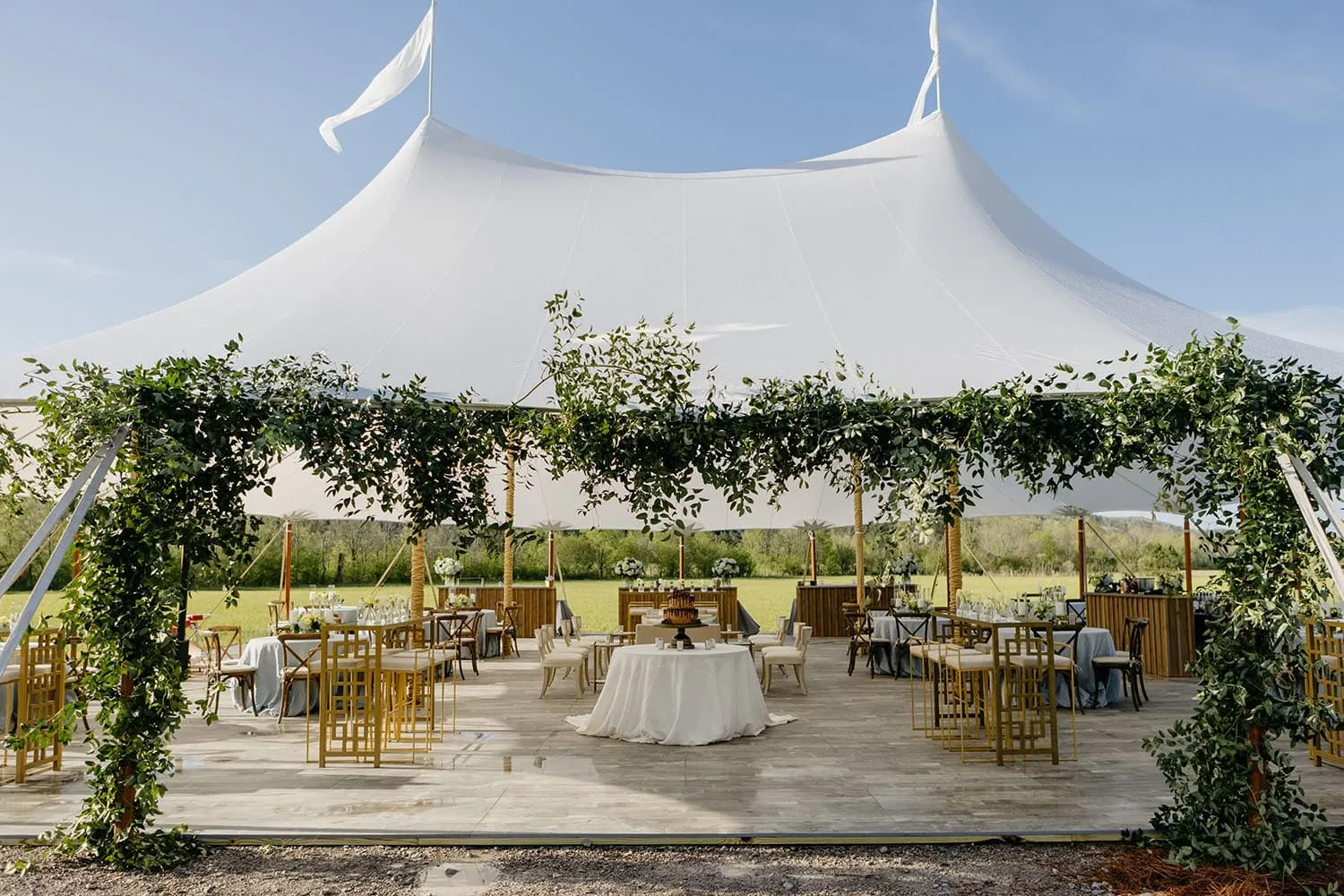
Tent selection should begin with the type and purpose of the events a resort expects to host. A wedding may prioritize atmosphere, dining, and dancing, while a corporate gathering may require presentation areas, networking zones, audiovisual infrastructure, and adaptable seating.
Guest count is equally important because it influences tent dimensions, accessibility, and interior configuration. Seasonal weather should also guide structural choices and determine which supporting amenities will be needed to maintain guest comfort.
Clearspan and Frame Tents for Flexible Resort Venues
Clearspan tents are particularly valuable for large-scale resort events because they eliminate internal support poles. Their expansive interiors allow planners to create fluid layouts for dining, presentations, entertainment, lounges, and other activities without structural obstacles interfering with usable floor space. Understanding how event tents increase venue guest capacity can help resorts plan layouts around their expected attendance.
Their modular design can also support scalability when attendance changes. Frame tents offer similar versatility and can be installed on different surfaces, including grass, pavement, and challenging terrain, making them useful for resort properties with varied outdoor areas.
Sailcloth, Century Pole, and Clear-Top Tents for Luxury Events
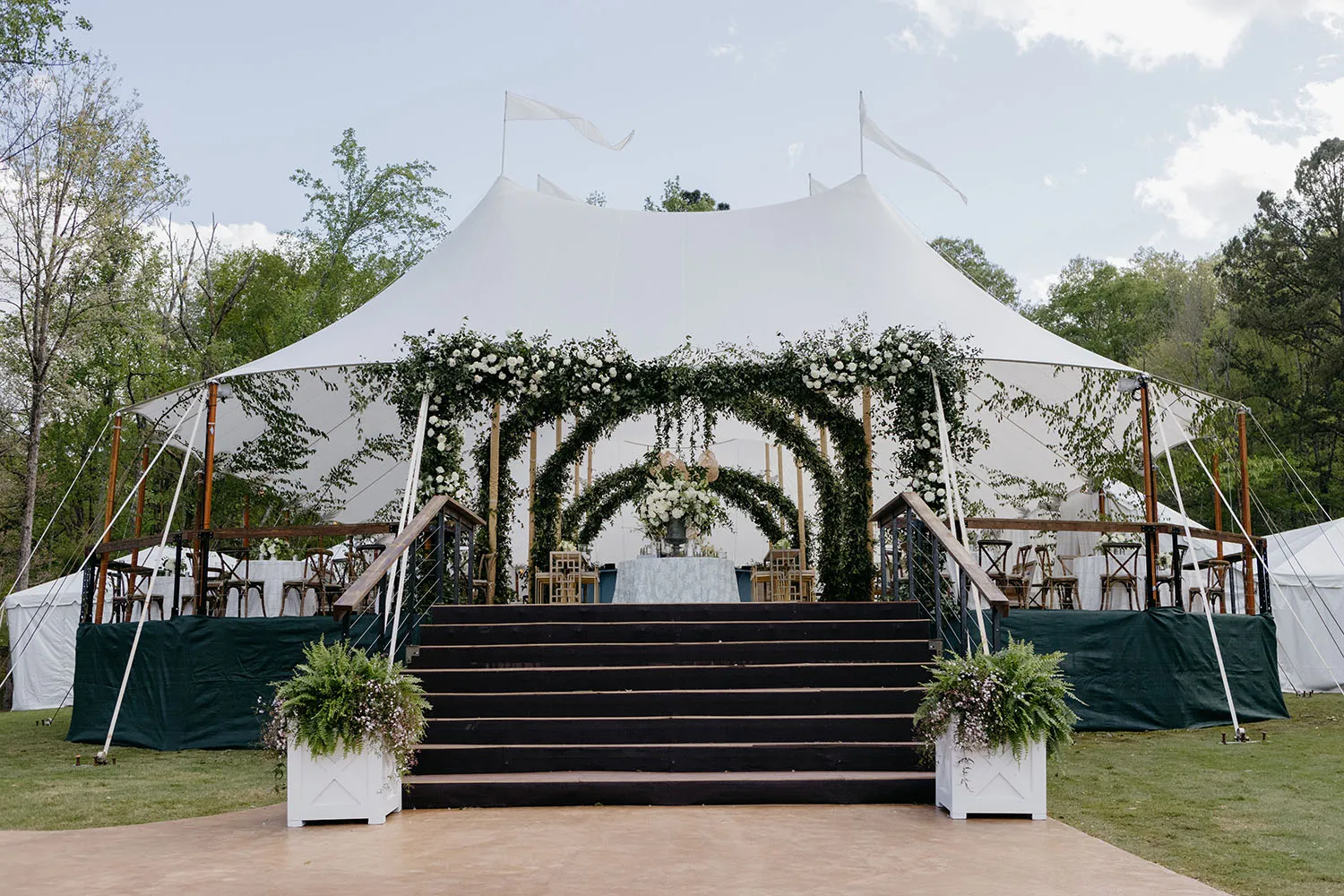
When visual atmosphere is a major priority, sailcloth tents provide soft curves and billowing fabric that add sophistication to upscale gatherings. Century pole tents offer timeless character through dramatic peaks and flowing fabric, making the tent itself an important element of the event design.
Clear-top tents create a different experience by allowing natural light into the venue and maintaining a stronger visual connection with the surrounding environment. With appropriate climate control and customized décor, these structures can combine outdoor scenery with the comfort expected at a luxury resort event.
Before selecting a structure, resorts should evaluate how it will serve the complete peak-season event calendar rather than a single gathering. Different events may require different layouts even when they use the same temporary venue. Planning around these variables makes it easier to create an adaptable event environment.
Event purpose: Determine whether the space will primarily host weddings, galas, corporate meetings, festivals, or mixed events.
Guest count: Match tent dimensions to anticipated attendance and accessibility requirements.
Seasonal conditions: Consider rain, heat, cold, wind, and other weather factors.
Available terrain: Evaluate whether the installation area includes grass, pavement, slopes, or other challenging surfaces.
Interior activities: Account for dining, entertainment, presentations, networking, and social areas.
Desired aesthetic: Choose architecture that complements the resort and the type of events being hosted.
Considering these factors together helps resorts select temporary structures that balance operational requirements with the premium appearance expected during peak season.
Planning Resort Tent Layouts for Guest Capacity and Event Flow
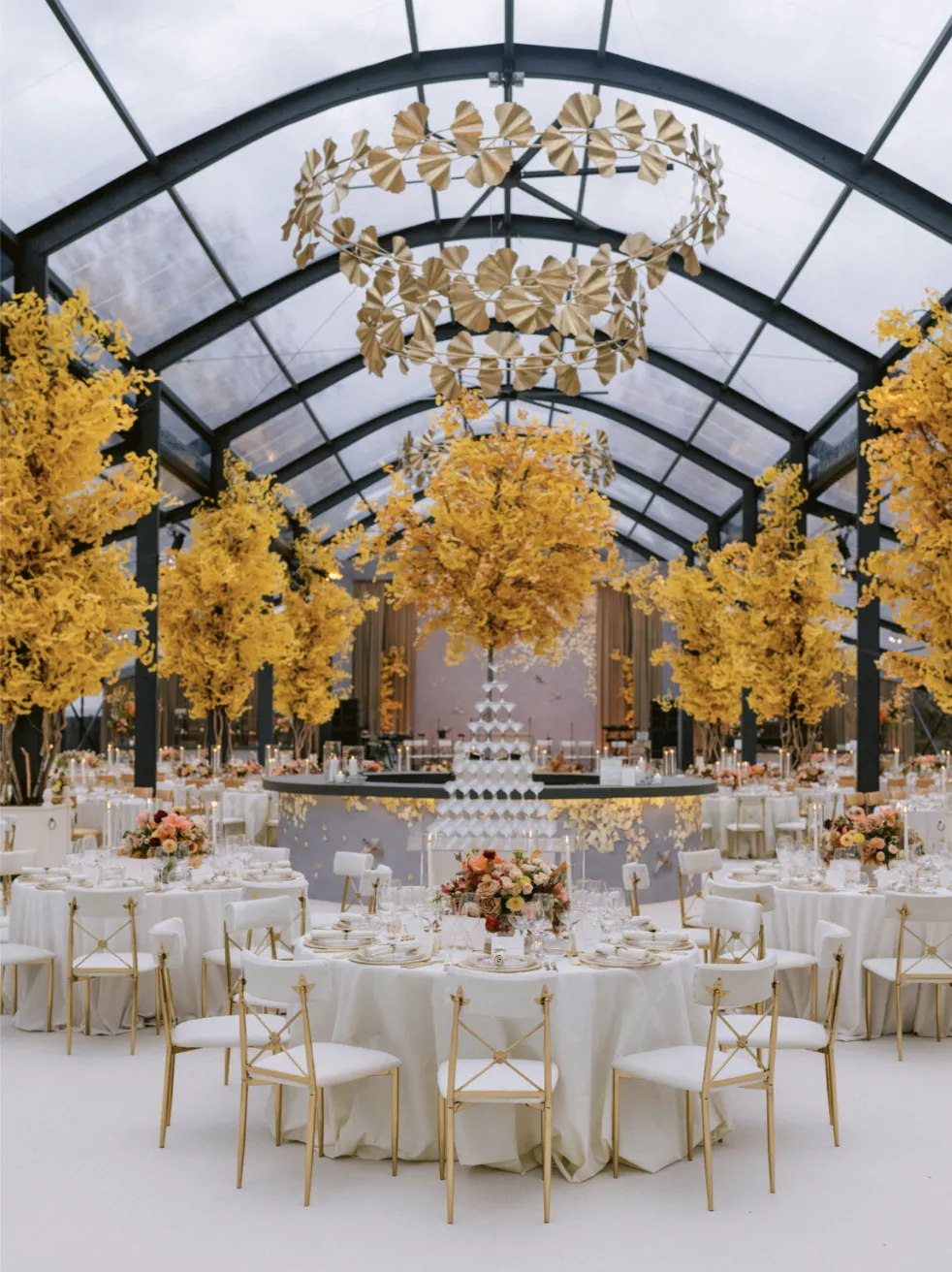
A temporary event venue should be designed around the way guests and staff will actually use the space. Simply increasing covered square footage does not guarantee a successful event if entrances become congested or important functions compete for the same areas.
The source emphasizes adaptable layouts, functional area division, accessible pathways, and flexible seating as important strategies. These elements allow temporary resort venues to accommodate events of different sizes while maintaining comfortable circulation.
Creating Functional Areas for Different Resort Events
Dividing the interior according to specific functions can improve both organization and guest experience. Dining, networking, presentations, entertainment, and social areas can each receive appropriate space while still feeling connected to the larger event.
Clearspan tents are particularly helpful for this approach because their pole-free interiors allow planners to reposition functional zones as attendance or event requirements change. Flexible seating arrangements can provide additional adaptability when the same venue hosts multiple event formats during a busy season.
Designing Accessible Guest Pathways and Emergency Routes
Accessible pathways should be wide enough for comfortable movement and designed to reduce bottlenecks. Guests should be able to transition intuitively between activities without navigating confusing or obstructed routes.
Emergency exits must also be incorporated into the layout. Clearly planned exit routes contribute to safety while ensuring the temporary venue remains functional during normal operations.
Adding Climate Control, Flooring, and Lighting to Temporary Resort Venues
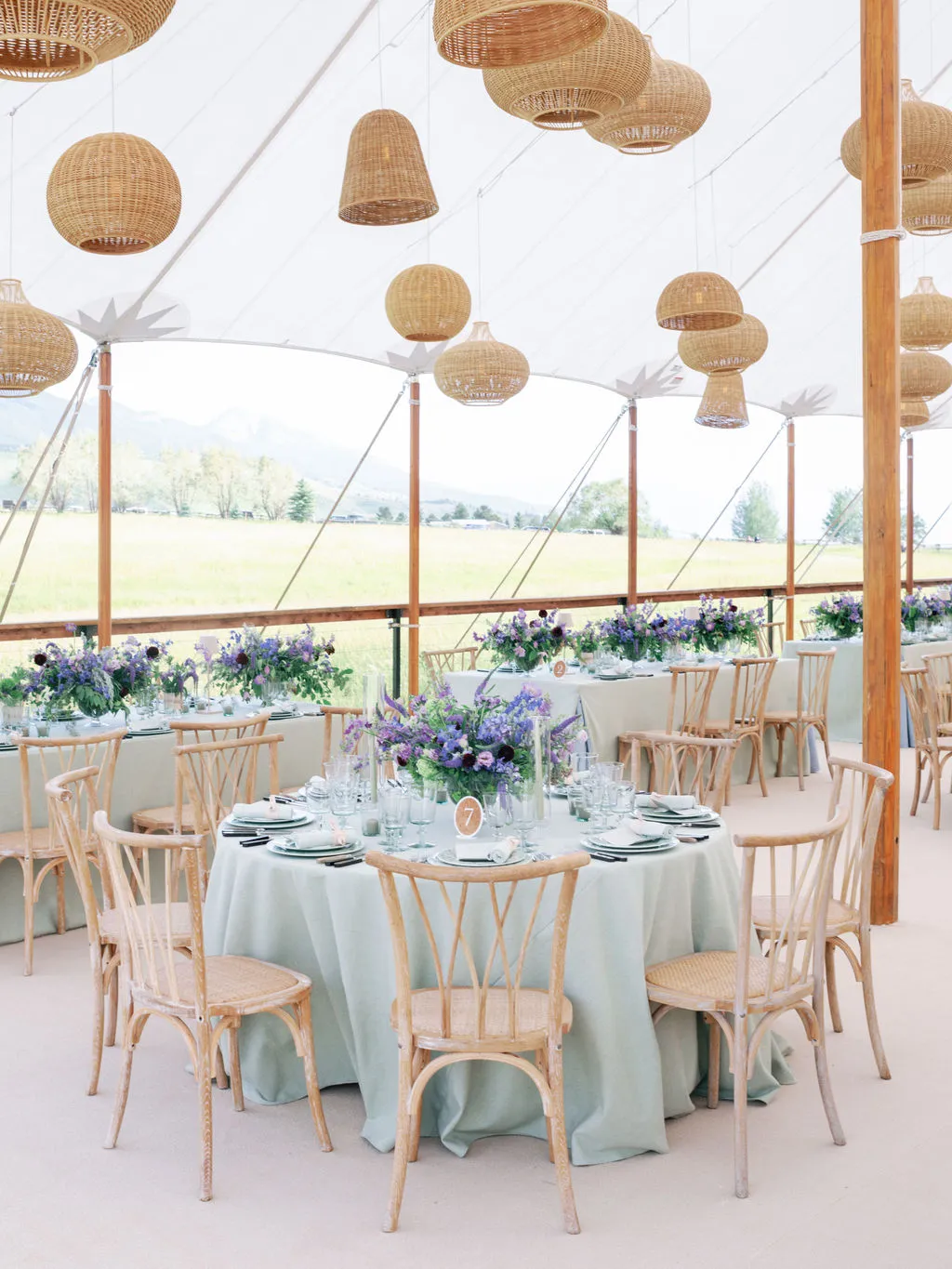
The tent establishes the structure, but supporting infrastructure determines whether the space feels like a complete resort venue. Climate control, flooring, and lighting can transform a basic covered area into an environment suitable for high-end hospitality events.
These elements should be selected according to the season, terrain, event format, and desired atmosphere. Planning them together can also improve operational efficiency because power, equipment placement, and interior layouts often overlap.
Climate Control and Flooring for Seasonal Guest Comfort
Portable HVAC systems can respond to changing weather conditions and help maintain comfortable interior temperatures. Heating solutions provide additional warmth during colder periods, while fans, misters, or other cooling systems can offer relief during hotter events.
Flooring provides another layer of comfort and functionality. Wooden decking creates an elegant solid surface, interlocking tiles offer adaptable installation and stability, and carpeted flooring can add warmth and acoustical benefits for more formal resort gatherings. For more detail, see our article Engineered Event Flooring for Luxury Tented Venues.
Layered Lighting for Luxury Resort Events
Lighting influences both functionality and atmosphere. A layered design combines ambient, task, and accent lighting so different portions of the temporary venue can receive illumination appropriate to their purpose.
Lighting can also be coordinated with an event theme, while adjustable systems allow the atmosphere to change as the event progresses. A temporary tent might therefore transition from bright functional lighting during arrivals to a more intimate environment for dinner or evening entertainment.
These infrastructure choices should be addressed early because they affect both the guest experience and the technical requirements of the temporary venue. Resorts can use different combinations according to the season and type of gathering. The goal is to make the temporary environment perform at the same level guests expect from permanent resort spaces.
Portable HVAC systems: Adapt interior temperatures as outdoor conditions change.
Heating equipment: Maintains warmth during colder evenings and seasonal events.
Cooling systems: Fans, misters, and other solutions can provide relief during hotter conditions.
Wooden decking: Creates a solid, polished floor appropriate for luxury gatherings.
Interlocking tiles or carpet: Provide alternative combinations of stability, warmth, comfort, and aesthetics.
Layered lighting: Combines ambient, task, and accent illumination to support different activities.
Integrating these features can make a temporary structure feel like an intentionally designed extension of the resort rather than simply additional covered space.
Managing Site Logistics and Infrastructure for Peak-Season Events
Temporary event venues involve complex logistics, particularly during busy resort seasons when multiple vendors, staff members, and event teams may be operating simultaneously. Weather preparation, installation, transportation, power, restrooms, and audiovisual systems all need to be coordinated. You may also find Elevate Your Celebration with New Year’s Event Tent Rentals helpful.
The original content emphasizes anticipating logistical challenges before installation begins. Contingency planning can help resorts reduce disruption and maintain smooth operations when unexpected conditions arise.
Site Assessment, Permits, and Vendor Coordination
A site assessment should evaluate terrain stability before a temporary structure is installed. Local permits and safety requirements also need to be understood because regulations for temporary structures can vary between locations. Read more in Is Your Property Ready for a Temporary Event Structure.
Vendor coordination ensures tents and associated services arrive and are installed according to schedule. Working with experienced professionals can help manage setup and teardown while reducing the complications associated with challenging terrain or complex installations.
Power, Restrooms, and Audiovisual Infrastructure
Guest-facing infrastructure is equally important. Adequate restroom facilities contribute directly to the quality of the experience, while audiovisual capabilities may be essential for corporate presentations, performances, speeches, and entertainment.
Reliable power distribution supports lighting, HVAC, audiovisual systems, catering equipment, and other event functions. Planning electrical access in advance reduces the risk of interruptions during the gathering.
Peak-season resort events can involve several interconnected operational systems, so logistical planning should begin before the structure arrives. Early booking also gives resorts more opportunity to secure suitable tent designs and configurations. Experienced event and installation professionals can then coordinate supporting systems, including the temporary infrastructure for fall events, around the selected structure.
Book tents early: Secure preferred designs and configurations before peak-season availability becomes limited.
Complete a terrain assessment: Confirm that the selected site can support the structure safely.
Review permits: Understand local regulations and temporary structure requirements before installation.
Coordinate transportation: Plan delivery of tents, materials, equipment, and staff.
Establish power distribution: Provide reliable electricity for HVAC, lighting, audiovisual equipment, and event operations.
Plan essential amenities: Ensure restrooms and other guest services are conveniently available.
Anticipating these requirements helps resorts manage temporary venues more efficiently while protecting the quality of the guest experience.
Customizing Temporary Resort Venues for Different Peak-Season Events
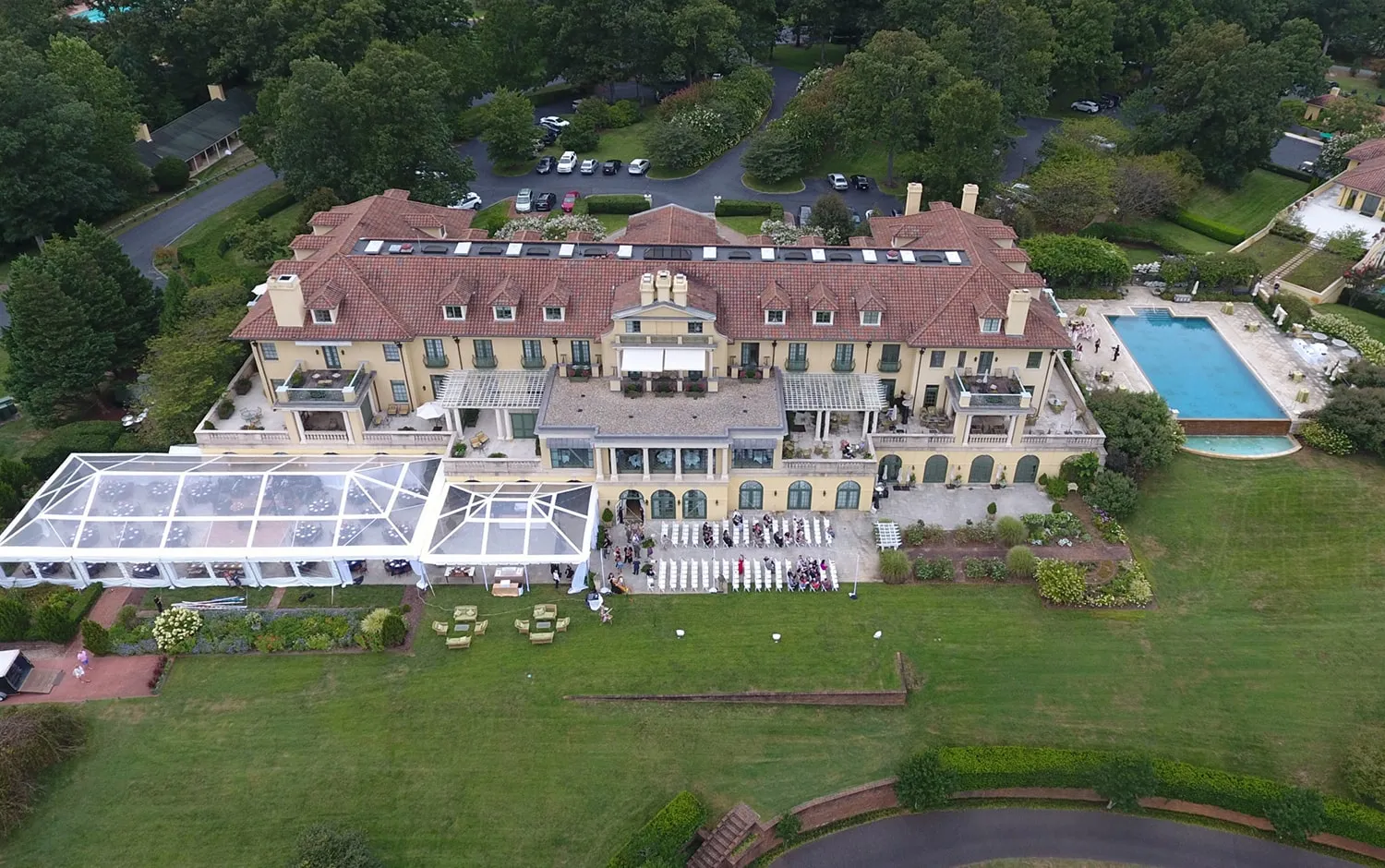
A major advantage of temporary architecture is the ability to customize the same basic environment around different events. Resorts can alter layouts, seating, lighting, flooring, and décor to create distinct experiences without building a permanent venue for every function.
Seasonal conditions should influence these design decisions. Materials, color palettes, and functional décor can be selected according to weather patterns and the atmosphere associated with each season.
Changing Layouts and Décor Between Resort Events
Flexible seating allows the venue to transition between weddings, networking events, corporate presentations, dinners, and other functions. Functional areas can also be divided differently according to guest count and the schedule of activities.
Décor can reinforce the event’s identity and the resort’s brand. Sailcloth and century pole tents can accommodate decorative elements that create distinctive settings, while clearspan structures provide open interiors suitable for extensive flooring, lighting, and customized installations.
Adapting Temporary Venues to Seasonal Conditions
Weather should influence both exterior materials and interior design. Durable fabrics can provide greater resistance to rain, while décor colors can complement the season and surrounding resort landscape.
Functional seasonal décor can further strengthen the atmosphere while supporting the event’s practical needs. By aligning temporary venue design with seasonal characteristics, resorts can create gatherings that feel connected to the destination rather than isolated from it.
A temporary venue that will host multiple peak-season events should be designed for change. Maintaining a flexible foundation allows resorts to personalize each gathering without rebuilding the entire environment. This approach can support both guest experience and operational efficiency.
Flexible seating: Adjust configurations according to guest attendance and event purpose.
Functional zoning: Change dining, networking, presentation, and entertainment areas as needed.
Customized décor: Coordinate design elements with individual event themes and resort branding.
Seasonal materials: Select tent and decorative materials suited to expected weather.
Seasonal color palettes: Use design choices that complement the time of year and surrounding landscape.
Integrated technology: Coordinate lighting, audiovisual equipment, and climate systems with changing layouts.
This adaptability allows resorts to create distinct experiences throughout peak season while continuing to use the same professionally planned temporary event infrastructure.
Frequently Asked Questions
Which tent is best for large resort events?
Clearspan tents are particularly suitable for large-scale events because their interiors do not contain support poles. Their modular designs can also be scaled according to attendance requirements and different event configurations.
Are frame tents suitable for challenging resort terrain?
The source identifies frame tents as an adaptable choice for varied surfaces, including grass, pavement, and hilly landscapes. Their versatility can make them useful when resorts have challenging outdoor installation areas.
How can resorts keep temporary venues comfortable?
Portable HVAC systems, heaters, fans, misters, appropriate flooring, and other climate-control measures can be incorporated according to seasonal conditions.
What infrastructure does a temporary resort venue need?
Important infrastructure can include restrooms, audiovisual capabilities, dependable power distribution, flooring, lighting, climate control, and accessible guest pathways.
Why should resorts book event tents early?
Early booking provides more opportunity to secure optimal tent designs and configurations before peak-season demand limits availability. It also creates additional time to coordinate installation and supporting infrastructure.
Create a Luxury Peak-Season Resort Venue with Skyline Tent Company
Temporary event venues allow resorts to respond to peak-season demand without sacrificing the sophisticated environment guests expect from a luxury property. Clearspan tents can maximize unobstructed event space, frame tents can accommodate varied site conditions, and sailcloth, clear-top, and century pole tents can provide distinctive architectural settings for weddings, corporate gatherings, galas, festivals, and private celebrations. You may also find How Event Venues Can Prepare Now for Next Year’s Peak Season helpful.
The most successful temporary resort venues combine architecture with complete event infrastructure. Climate control keeps guests comfortable, selecting premium tent flooring materials and finishes helps create stable and polished interiors, layered lighting establishes atmosphere, and reliable power and audiovisual systems support event operations. Site assessments, permits, transportation, vendor coordination, guest flow, and seasonal weather considerations should all be addressed before installation.
Skyline Tent Company specializes in high-end tent rental solutions tailored to sophisticated resort events and their unique infrastructure requirements. Working with experienced professionals can help resorts coordinate the structure, installation, supporting systems, and guest experience as one complete temporary venue plan. To talk through a tent for your date and site, contact our team.
Contact Skyline Tent Company today to discuss your resort’s peak-season calendar, expected guest capacity, available outdoor space, terrain, and event requirements. With a customized architectural tent solution and professionally coordinated infrastructure, your resort can create an elegant temporary venue that expands event possibilities while maintaining the premium experience your guests expect. For inspiration from past installs, browse our tent gallery.