

Transforming a winery lawn into a temporary fall event venue can create an elegant seasonal setting while allowing the property to accommodate weddings, corporate gatherings, wine dinners, and other celebrations without permanent construction. The process requires more than simply placing a tent on the lawn. Event planners need to evaluate terrain, drainage, guest capacity, access routes, flooring, lighting, climate control, permitting, and vendor logistics before installation begins. Clearspan tents, frame tents, sailcloth tents, century pole tents, and clear-top structures each provide different advantages depending on the winery’s landscape and event requirements.
During fall, temperature fluctuations also make heating, ventilation, and other climate-control solutions particularly important. Flooring can improve stability and comfort while protecting guests from uneven or cool ground, and professional lighting can enhance both the vineyard atmosphere and nighttime visibility. By combining an appropriate architectural tent with careful site planning and coordinated event infrastructure, wineries can turn underused lawn space into a sophisticated temporary venue that complements the natural beauty of the property.
Choosing the Right Tent for a Winery Lawn Event
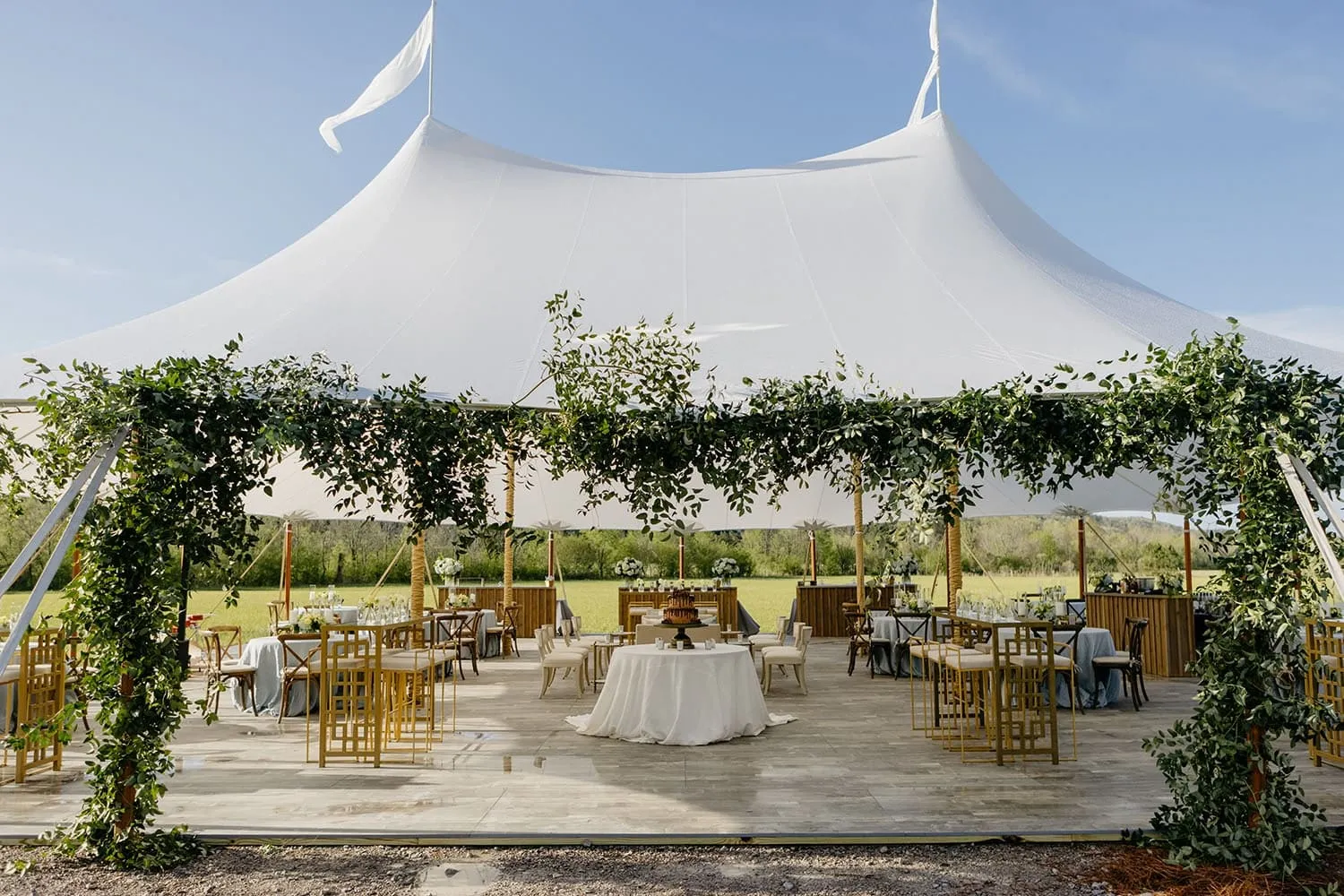
Tent selection influences almost every other part of a temporary winery venue, including guest capacity, layout, aesthetics, flooring, lighting, and climate-control requirements. The structure should complement the landscape rather than visually compete with the surrounding vineyard.
The original content identifies clearspan, frame, sailcloth, century pole, and clear-top tents as suitable options for winery events, with each offering different structural and aesthetic benefits.
Clearspan and Frame Tents for Flexible Layouts
Clearspan tents use an engineered framework to create large interiors without center columns. This open floor plan provides significant flexibility for dining tables, bars, lounge areas, dance floors, stages, and other event features.
Frame tents can provide another adaptable option, particularly for smaller spaces or more compact configurations. Their framework supports the tent fabric without requiring the same interior pole arrangement found in some traditional tent styles, giving planners flexibility when working around the unique dimensions of a winery lawn.
Sailcloth, Century Pole, and Clear-Top Tents
Sailcloth tents provide flowing fabric and an elegant appearance that can blend naturally with vineyard landscapes. Century pole tents offer traditional peaks and visual character, although their footprint and staking requirements should be considered during site planning.
Clear-top tents allow natural light to enter during the day and provide views of the sky after sunset. Because transparent roof materials can influence interior temperatures, climate-control planning should be considered alongside the aesthetic benefits.
Choosing among these structures requires balancing appearance, guest count, property conditions, and the event’s planned activities. A winery wedding may prioritize romantic aesthetics, while a large corporate dinner may require maximum usable interior space. Evaluating these requirements together helps planners narrow the options.
Clearspan tents: Provide large, column-free interiors for flexible event layouts.
Frame tents: Work well for smaller footprints and varied configurations.
Sailcloth tents: Offer elegant fabric and a softer appearance suited to vineyard settings.
Century pole tents: Create dramatic peaks and a traditional upscale look.
Clear-top tents: Preserve outdoor views and bring natural light into the temporary venue.
Event requirements: Guest capacity, layout, aesthetics, and site conditions should guide the final selection.
The best temporary winery venue is created when the structure appears intentionally integrated with the property rather than added as an afterthought.
Preparing the Winery Lawn for Tent Installation
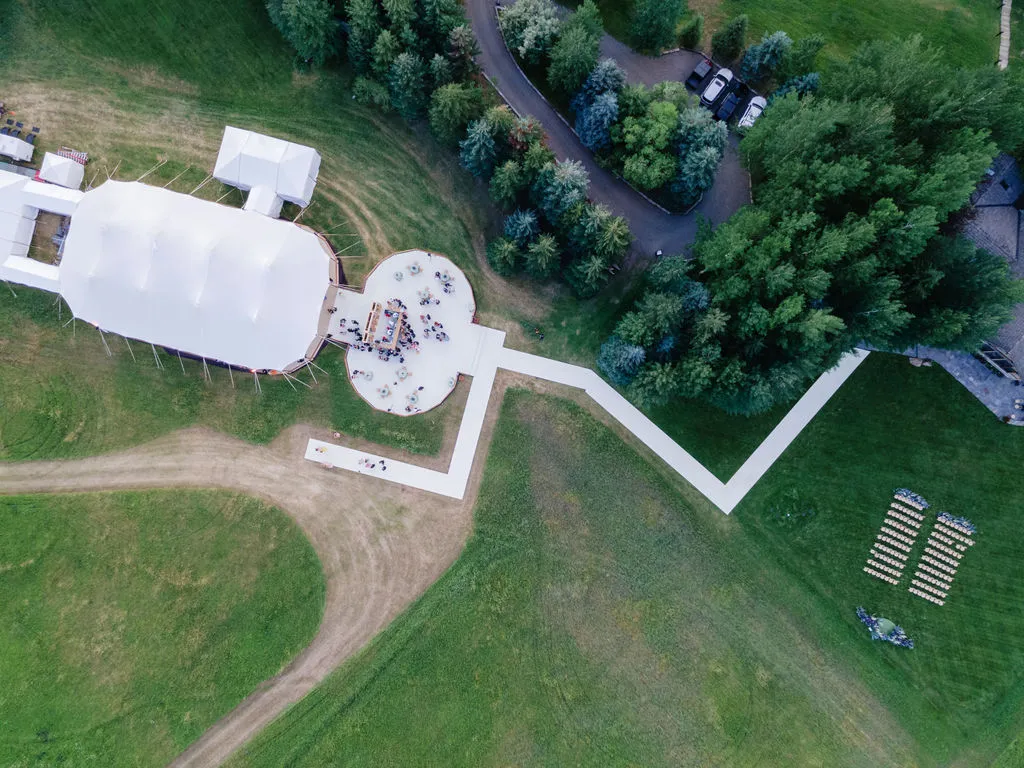
A beautiful lawn does not automatically mean the site is ready for a large temporary structure. Before installation, planners should understand the terrain, soil stability, drainage, usable footprint, and access for delivery vehicles and setup crews.
These considerations are particularly important on vineyard properties, where landscaped grounds, slopes, planted areas, and limited access routes may influence where the event infrastructure can be positioned.
Assessing Soil, Drainage, and Accessibility
A detailed site assessment should evaluate the stability of the ground beneath the proposed structure. Soil conditions can influence installation methods, while uneven surfaces may require additional preparation or flooring systems.
Drainage should also be reviewed because fall weather can bring rain and moisture that affect both the lawn and event operations. Water should not accumulate around tent bases, guest entrances, service areas, or heavily traveled pathways.
Access is another important consideration. Delivery vehicles and installation crews need routes that allow equipment to reach the site without creating unnecessary disruption around the winery property.
Coordinating Setup, Permits, and Vendors
Temporary winery venues typically involve several teams working within a relatively small installation window. Tent providers, caterers, event coordinators, lighting professionals, flooring crews, and other vendors should have clearly defined schedules.
Permitting requirements should also be addressed before installation. Local rules may cover temporary structures, noise, environmental impact, occupancy, or operating hours, making early review important for reducing last-minute complications.
Professional coordination helps ensure that infrastructure arrives in the right sequence. Flooring, lighting, climate equipment, catering installations, and décor should be scheduled around the main structure rather than competing for access at the same time.
Creating Stable and Comfortable Flooring for Winery Events
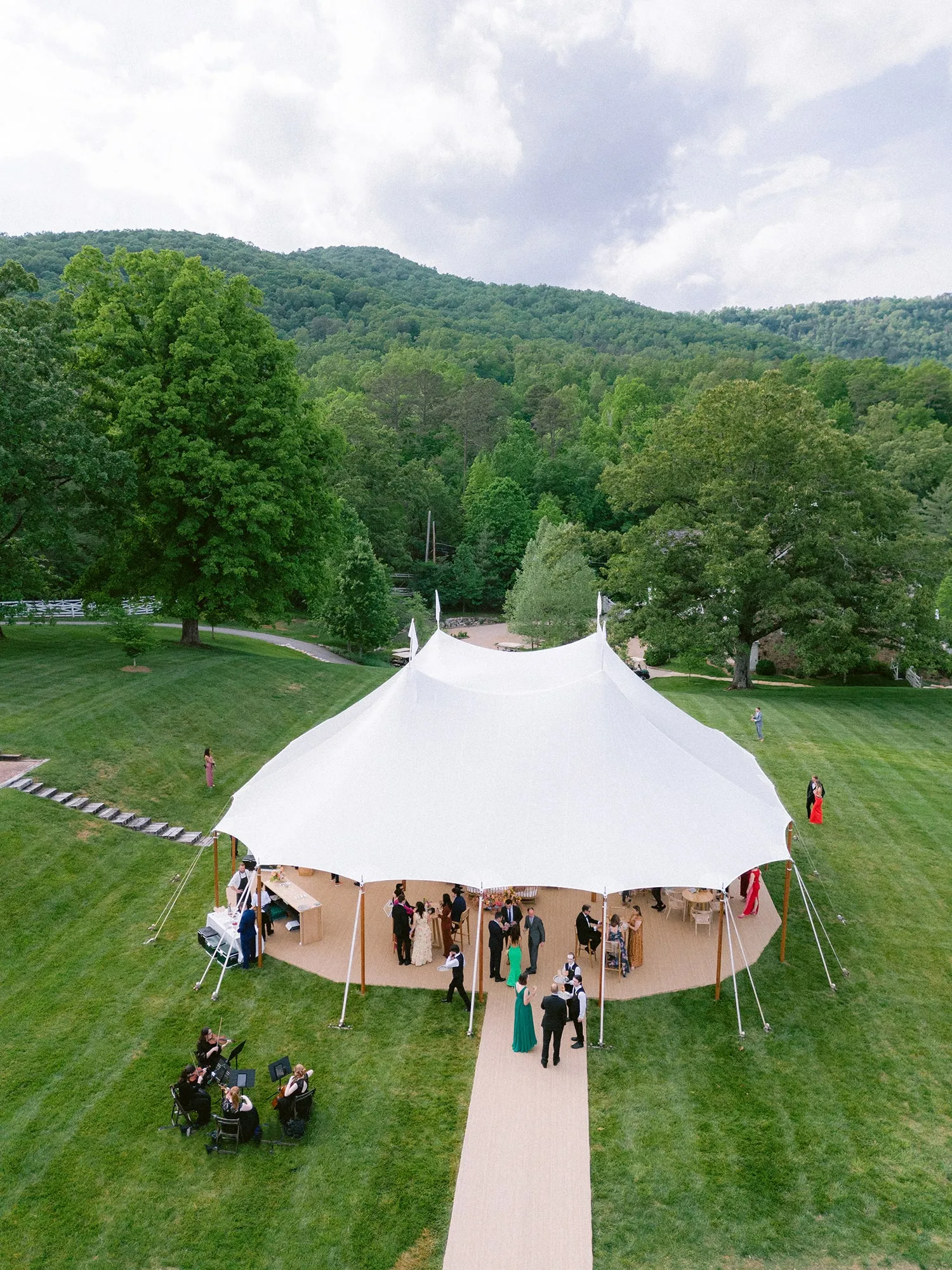
A winery lawn can provide a beautiful setting, but natural ground may not offer the stability expected at a luxury event. Temporary flooring creates a more dependable surface for guests, furniture, catering equipment, and entertainment areas.
The original source identifies elevated tent flooring, carpet, natural wood, composite materials, and interlocking vinyl tiles among the flooring possibilities for temporary winery venues.
Flooring Options for Winery Lawn Tents
Elevated platform flooring can provide separation from uneven ground and create a more consistent interior surface. This can be valuable when the lawn contains slopes or irregular sections that would otherwise affect furniture placement.
Natural wood can reinforce the warm, rustic qualities associated with winery environments, while carpet can create a softer, more formal interior. Composite materials and interlocking vinyl tiles provide additional options where durability and maintenance are important.
Improving Guest Safety and Comfort
A stable floor can reduce awkward movement across irregular ground and provide a more reliable foundation for tables, chairs, bars, and entertainment areas. Flooring also contributes directly to the visual design of the temporary venue.
Insulation from the ground can become particularly valuable during fall events when lawns and soil cool after sunset. Appropriate flooring can make the interior feel more complete while supporting guest comfort throughout the evening. Read more in How to Prepare Event Spaces for Consecutive Fall Events.
Flooring should be selected according to the condition of the lawn and the visual direction of the event. Durability is important because the surface needs to accommodate substantial foot traffic throughout setup, the event itself, and breakdown. Materials should also coordinate with the tent and surrounding vineyard. For more detail, see our article Elevate Your Celebration with New Year’s Event Tent Rentals.
Elevated tent flooring: Helps create a stable surface over uneven areas.
Natural wood: Offers a warm aesthetic that can complement winery landscapes.
Carpet: Adds softness and comfort for formal or luxury events.
Composite flooring: Provides durability for demanding outdoor installations.
Interlocking tiles: Offer a versatile temporary surface that can accommodate high traffic.
Proper surface planning: Helps reduce slips, unstable furniture, and difficult guest movement.
Choosing flooring early in the planning process also allows the tent layout, entrances, dance floor, and service areas to be designed around a consistent finished surface.
Managing Fall Weather with Climate Control and Lighting
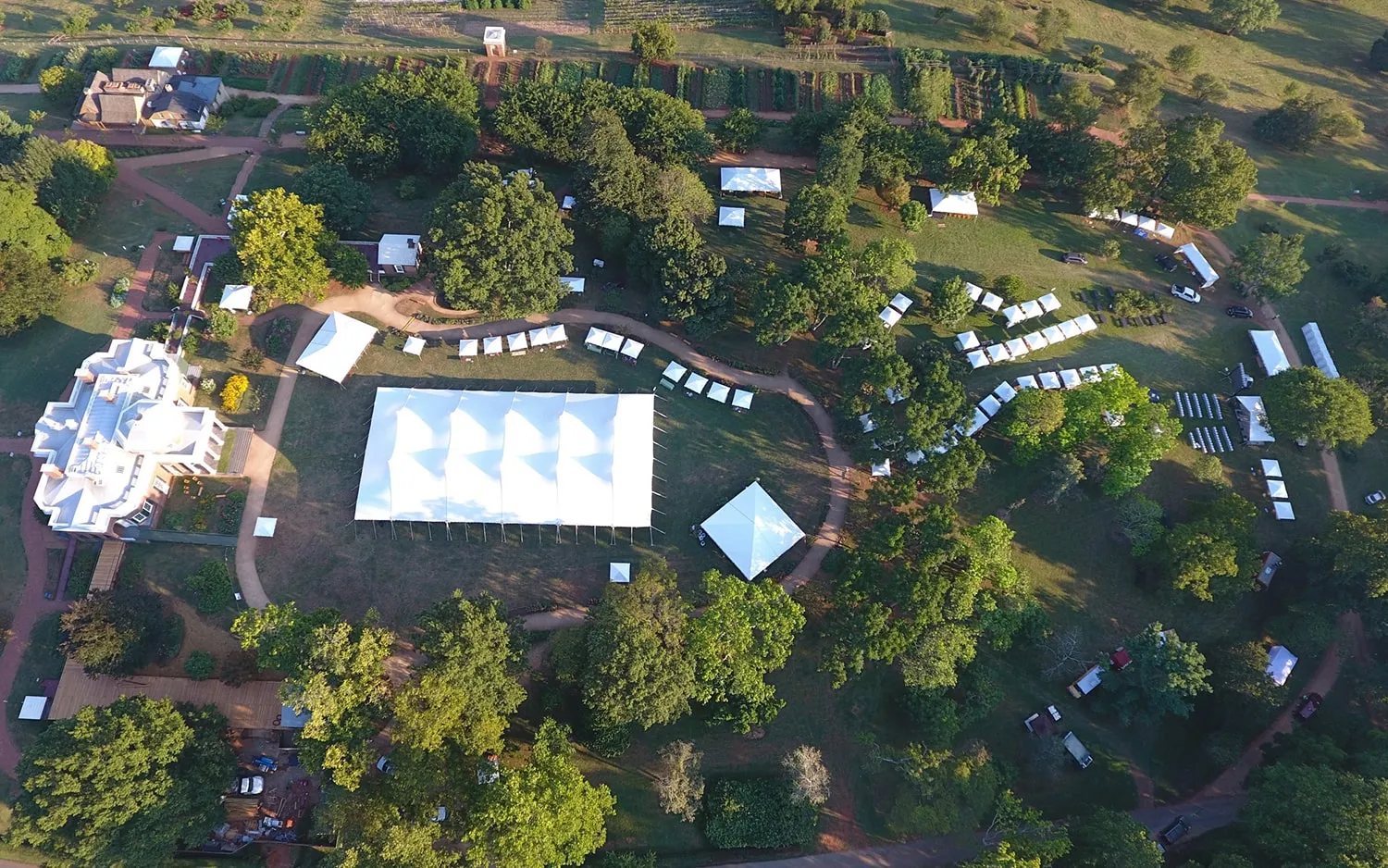
Autumn can provide some of the most visually appealing conditions for winery events, but temperatures may change significantly between afternoon and evening. A temporary venue should therefore be designed to respond to weather rather than assuming comfortable outdoor conditions will continue throughout the event.
Heating, ventilation, mobile HVAC, and professional lighting can extend the usability of the winery lawn and help maintain guest comfort after sunset. We cover this further in How Venues Can Extend Outdoor Events Into Late Fall.
Heating and Ventilation for Cooler Fall Events
Portable heating systems and infrared solutions can provide warmth when evening temperatures fall. Ventilation remains important as well, especially if sidewalls are installed and the structure becomes more enclosed.
Mobile HVAC systems offer additional flexibility because they can be deployed according to changing conditions. The original content also notes the usefulness of temperature monitoring and energy-efficient systems when adjusting the interior environment throughout an event.
Climate-control equipment should be integrated discreetly into the layout so it supports comfort without becoming a visual distraction. Strategic placement can distribute heating or cooling more evenly while maintaining the refined appearance expected at winery events.
Lighting the Tent and Surrounding Winery Lawn
Professional lighting can dramatically change how a winery lawn feels after sunset. Layered lighting combining ambient, task, and accent illumination can add depth and warmth while making dining and entertainment areas more functional.
String lights create soft overhead illumination, while uplighting can highlight trees, landscape features, or winery architecture. Pathway lighting is particularly useful outside the tent because it guides guests between the temporary venue and other parts of the property.
Lighting should also support safety. Entrances, pathways, exits, and transitions between flooring and lawn areas should remain clearly visible throughout the evening.
Coordinating Guest Capacity and Winery Event Logistics
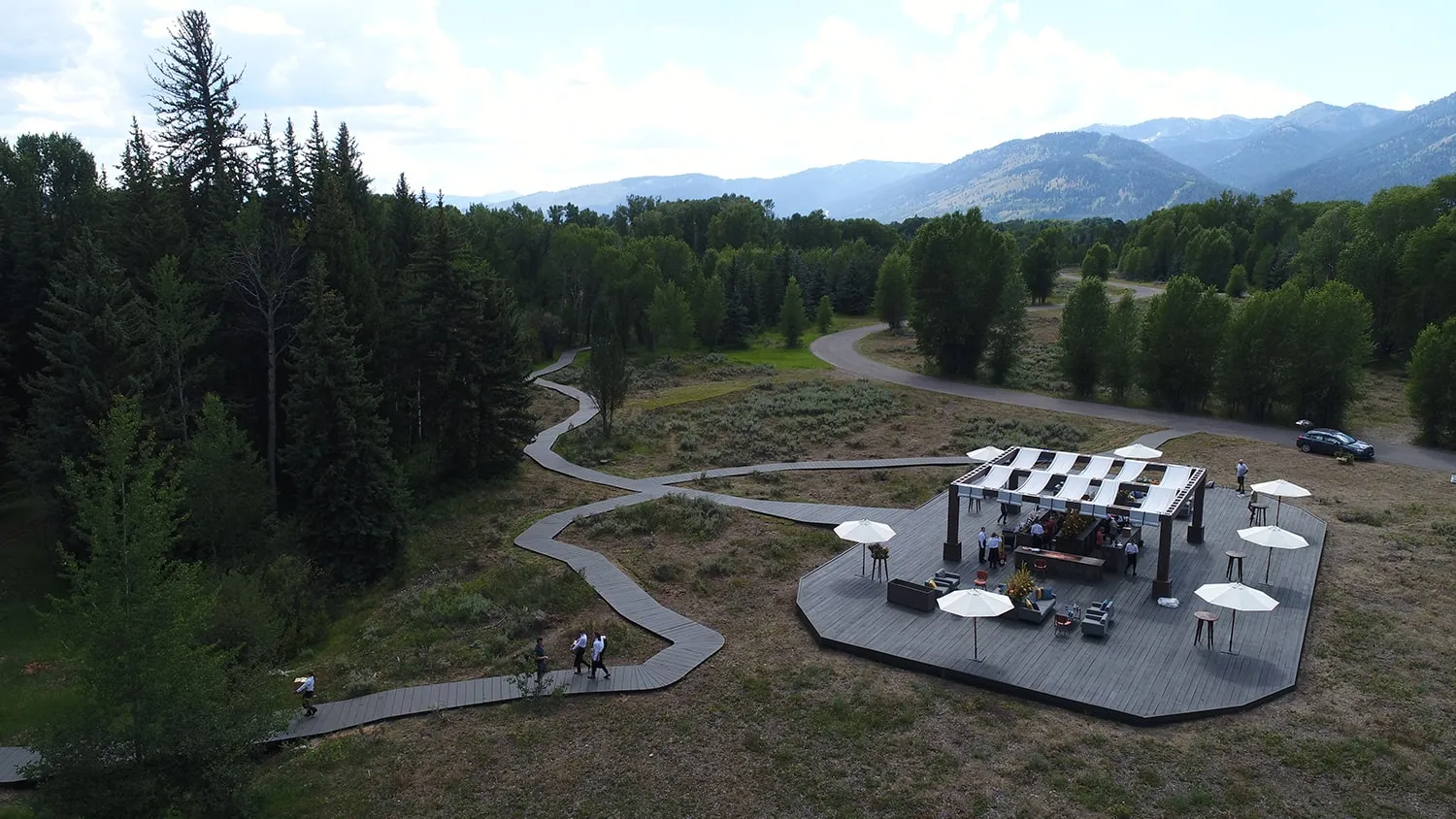
Once the site and tent style have been evaluated, planners need to determine how the temporary venue will function during the event. Accurate capacity planning affects tent dimensions, flooring coverage, furniture layouts, catering areas, entertainment space, and guest circulation.
Vendor coordination is equally important because temporary winery venues require several independent services to work within the same installation schedule.
Planning Tent Size Around Guest Capacity
The source recommends beginning with the projected number of attendees and adjusting as RSVPs become available. It also references approximately 10 square feet per guest as a general starting point for seated events, with additional room required depending on the activities taking place.
Dining areas are only one element of the overall footprint. Dance floors, stages, bars, lounges, catering areas, and circulation routes all require additional space and should be included when determining the final tent dimensions. We cover this further in How Hospitality Properties Can Extend Outdoor Dining and Event Space Into Fall.
Managing Vendors and the Event Timeline
Tent providers, catering teams, lighting professionals, event coordinators, and other partners need a coordinated setup schedule. Clear timelines help prevent multiple vendors from attempting to use the same access routes or installation areas simultaneously.
Regular communication also allows teams to respond when weather or property conditions require adjustments. A detailed logistics plan can improve installation efficiency while reducing stress for winery staff and event planners.
Several components should be confirmed before installation begins. Each one affects the temporary venue differently, so leaving major decisions until setup day can create delays. A coordinated plan gives every vendor a clearer understanding of the final event environment.
Confirm guest count: Use attendance projections to determine overall space requirements.
Finalize the layout: Include dining, dancing, entertainment, bars, and circulation.
Develop an installation timeline: Establish when each vendor can access the winery lawn.
Coordinate vendor communication: Keep tent, catering, lighting, and event teams aligned.
Review permits: Complete necessary approvals before the installation window begins.
Prepare weather contingencies: Plan for fall temperature changes and unexpected rain.
Strong coordination allows the temporary venue to function as a complete event space rather than a collection of separate rental components.
Frequently Asked Questions
What tent type is best for a winery lawn event?
The appropriate tent depends on guest count, available space, design goals, and property conditions. Clearspan tents provide spacious column-free interiors, while sailcloth, frame, century pole, and clear-top tents offer different aesthetic and structural advantages.
Are clearspan tents suitable for large winery events?
Yes. Clearspan tents provide large interiors without center columns, making them well suited to larger guest counts and layouts that include dining, entertainment, dance floors, and other event features.
What flooring works best on a winery lawn?
Options described in the source include elevated tent flooring, natural wood, carpet, composite materials, and interlocking vinyl tiles. The best choice depends on terrain, aesthetics, traffic, and the required level of stability.
How can guests stay comfortable during a fall winery event?
Portable heaters, infrared heating, ventilation systems, and mobile HVAC equipment can help planners respond to changing fall temperatures while maintaining a comfortable tent environment.
What should be assessed before installing a tent on a winery lawn?
Site evaluation should include soil stability, drainage, available space, vehicle access, weather considerations, vendor logistics, guest capacity, and applicable permitting requirements.
Transform Your Winery Lawn Into a Fall Event Venue with Skyline Tent Company
A winery lawn can become much more than open outdoor space during the fall event season. With the right architectural tent, flooring, climate control, lighting, site preparation, and logistical planning, the property can support weddings, private dinners, corporate gatherings, and seasonal celebrations while maintaining the character that attracts guests to the winery in the first place. For more detail, see our article Temporary Event Spaces for Private Estates Hosting Multiple Fall Events.
Clearspan tents can provide expansive interiors for larger gatherings, while frame, sailcloth, century pole, and clear-top tents offer alternative configurations for different landscapes and event styles. Temporary flooring creates a stable foundation, climate-control systems help respond to changing autumn temperatures, and professional lighting can highlight both the tent and the winery surroundings.
The strongest results come from planning these systems together. Site conditions should inform tent selection, guest count should determine capacity, and installation schedules should account for every vendor involved in transforming the lawn.
Contact Skyline Tent Company to discuss your winery property, fall event schedule, guest capacity, and temporary venue requirements. With professional tent planning and coordinated event infrastructure, Skyline Tent Company can help transform your winery lawn into an elegant, comfortable, and memorable seasonal event space. For inspiration from past installs, browse our tent gallery.