

Multi-day luxury tent installations can transform estates, gardens, private residences, and other outdoor properties into fully developed event environments, but they also place unusual stress on the lawn beneath them. Installation crews, guests, catering carts, equipment, flooring systems, and repeated foot traffic can tear grass blades, compact soil, and leave visible wear long after the event ends. Effective turf protection therefore needs to begin during site planning, not after equipment reaches the property. Temporary coverings can substantially reduce tearing and abrasion, although they do not eliminate soil compaction completely. Event layouts should also avoid concentrating people and equipment in the same areas whenever possible. Skyline Tent Company combines professional setup and takedown, engineered flooring, elevated platforms, site planning, and project management to help protect lawn during tent installation while supporting the needs of extended events. By coordinating traffic routes, flooring, equipment staging, and removal from the beginning, planners can reduce unnecessary stress on valuable landscapes throughout a multi-day installation. You may also find Evaluate Site Logistics for a Flawless Outdoor Event Setup helpful.
Plan Turf Protection Before Installation Begins
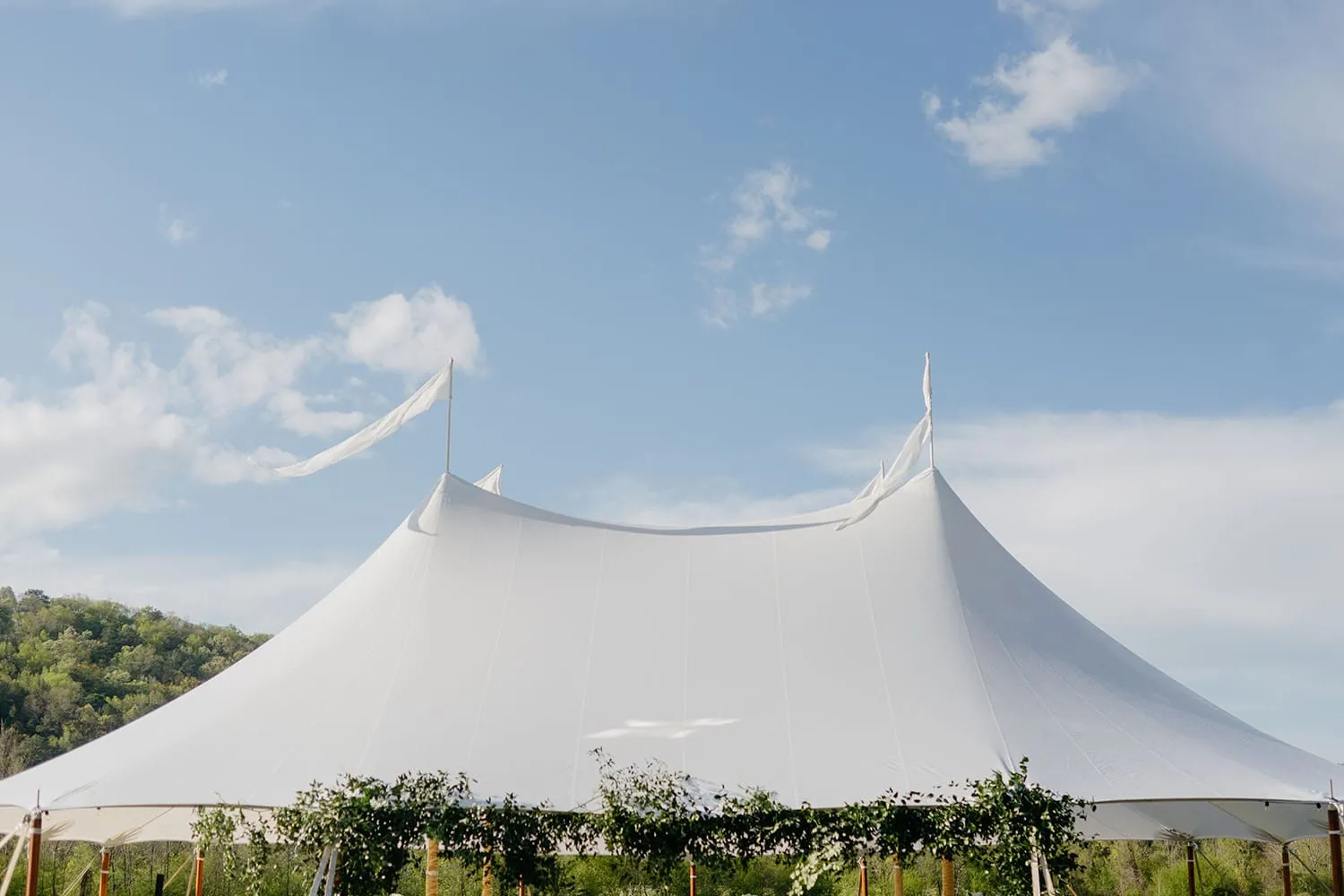
The best time to protect a lawn is before trucks, flooring, and tent components begin moving across it. Multi-day installations create repeated pressure on the same areas, making thoughtful site planning especially important.
A property assessment can identify vulnerable turf, existing hardscape, vehicle access, slopes, drainage conditions, and areas where traffic is likely to concentrate.
Identify High-Traffic Areas Early
Guest entrances, catering routes, installation paths, loading zones, and service areas usually experience the greatest amount of repeated movement.
Routing some of this activity onto existing driveways, patios, gravel paths, or other durable surfaces can reduce the amount of grass requiring temporary protection.
The National Park Service guidance referenced in the planning material recommends configuring events to avoid concentrating traffic whenever possible.
Understand What Temporary Coverings Can and Cannot Do
Protective decking creates a barrier between grass and repeated traffic, helping reduce tearing and abrasion.
It also spreads weight across a larger surface area instead of concentrating pressure on individual grass plants. However, temporary covering does not eliminate soil compaction entirely, particularly during longer installations or where heavy loads repeatedly cross the same area.
The strongest lawn-protection plan combines physical protection with smart traffic management. Equipment should follow predetermined routes instead of moving randomly across the site. High-traffic areas should also be identified before the tent footprint is finalized.
Route crews and vendors across less vulnerable areas
Use existing hardscape whenever practical
Protect repeated pedestrian routes with temporary decking
Avoid funneling all service traffic through one lawn area
Use the Right Decking and Flooring for the Property
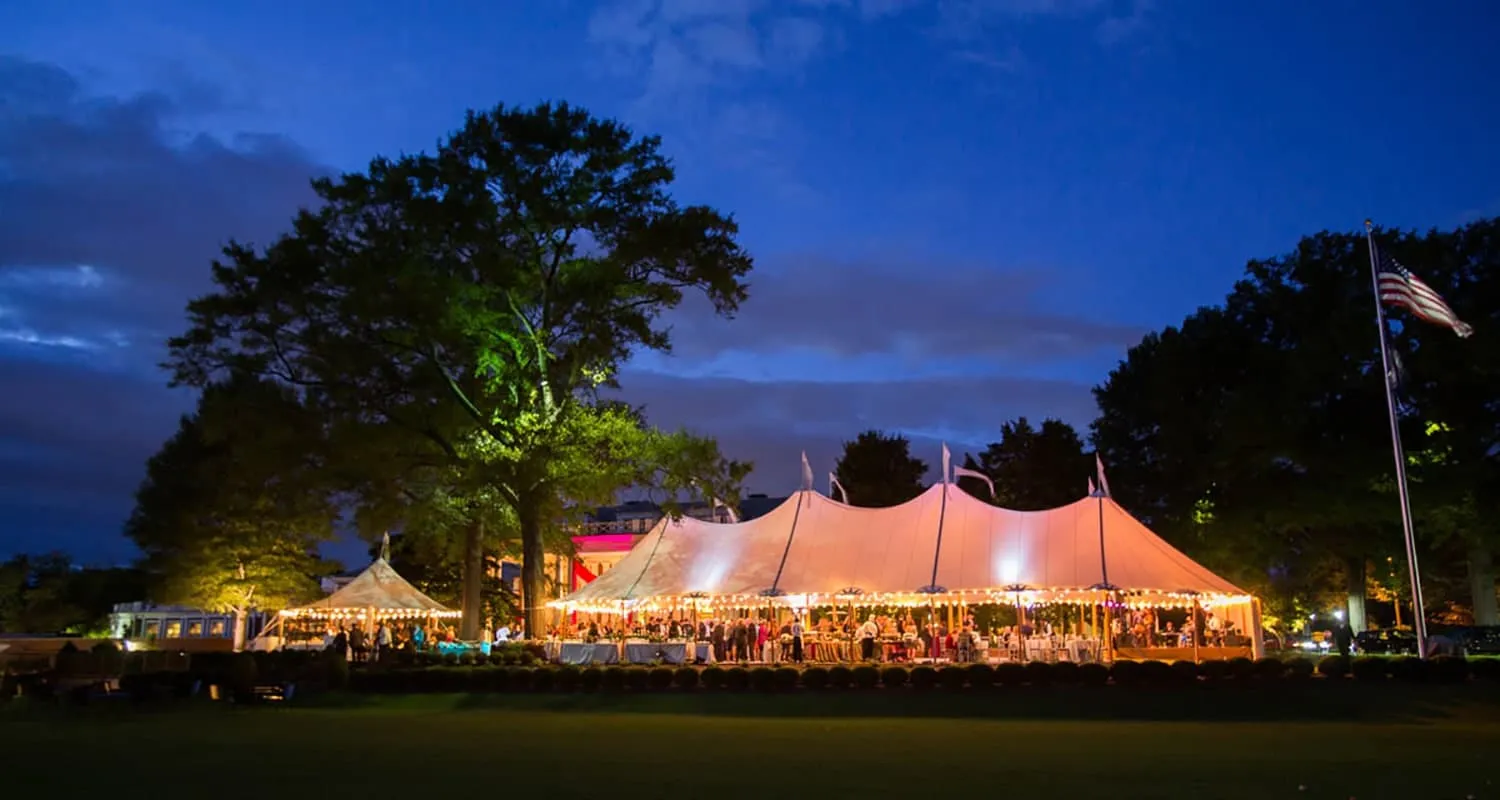
Not every temporary surface performs the same job. Pedestrian decking, engineered event flooring, elevated platforms, and heavy-load mats address different parts of an event installation.
The correct system depends on whether the surface will carry guests, service staff, furnishings, tent infrastructure, or installation equipment.
Use Cavity-Back Decking for Pedestrian Traffic
The planning material identifies Terraplas, Supa Trac Translucent, Clear Road, Groundshield, RGT Panel Pedestrian, and Matrax LD as pedestrian cavity-back systems referenced under National Park Service Level 1 turf-protection guidance.
These systems use interlocking panels designed to distribute pedestrian loads while creating separation between the walking surface and the grass below.
Translucent systems can also allow light to reach the turf during extended installations, an important consideration when flooring remains in place for several days.
Create a Stable Event Interior with Engineered Flooring
Inside the main tent, the flooring system serves a different purpose.
Skyline Tent Company works with Biljax TF2100 engineered flooring to create level surfaces capable of supporting furnishings, dance floors, catering equipment, and repeated guest traffic. Elevated platforms can also help address slopes or challenging ground conditions.
A properly designed flooring system can distribute loads across a larger area while giving the event a more finished interior. It can also support climate-control infrastructure and reduce the impact of uneven natural ground on guest circulation.
Before flooring is selected, planners should understand both the event’s operational loads and the sensitivity of the landscape. A walkway designed for pedestrians should not automatically be used for heavy equipment. Likewise, the main event floor should be evaluated as part of the complete tent and site plan.
Pedestrian decking for guest and staff walkways
Engineered flooring for primary tent interiors
Elevated platforms for slopes or drainage challenges
Heavy-duty surface protection for equipment routes
Manage Equipment and Service Traffic Carefully
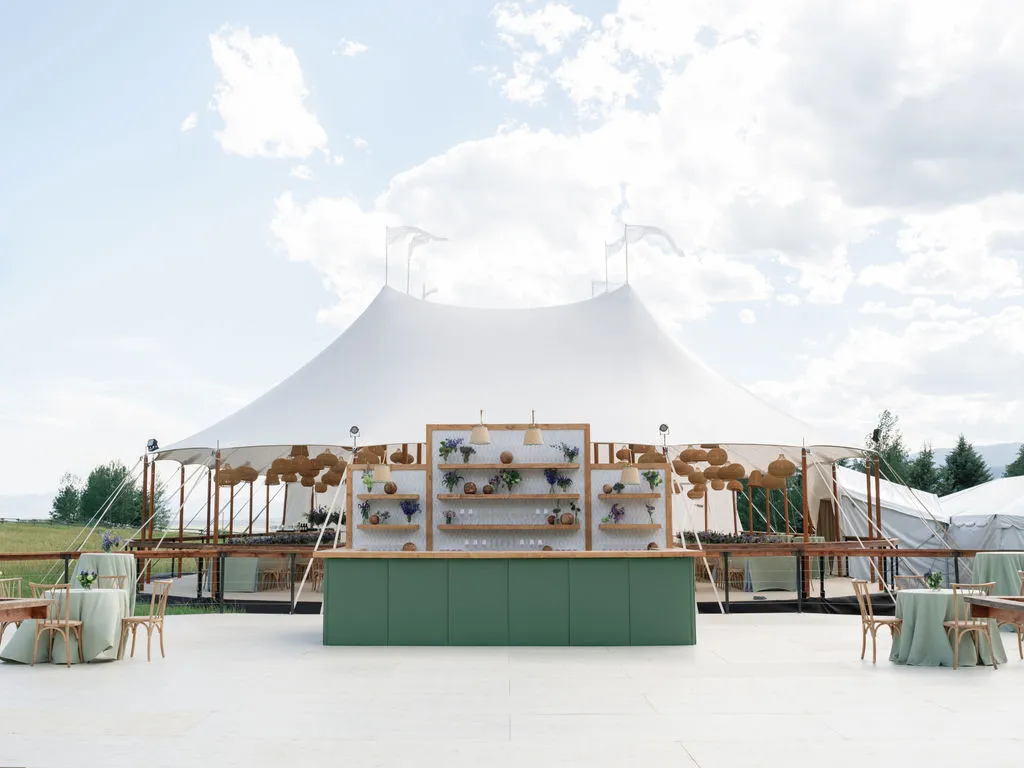
A lawn can be protected beneath the main event tent and still suffer damage during installation if forklifts, carts, vendor vehicles, and heavy components travel across unprotected areas. Read more in How to Expand Event Space Without Lawn Damage.
Load-in and load-out therefore need their own turf-protection strategy.
Use Timber Mats for Heavier Loads
The planning material describes timber mats as a way to distribute heavy equipment loads across a broader surface area.
Unlike pedestrian decking, which is intended primarily for foot traffic, timber mats can provide a more substantial temporary surface for heavier equipment and vehicles used during setup.
They can help reduce tearing and abrasion by creating a rigid barrier between equipment and living turf. Soil compaction may still occur beneath the mats, so their use should be combined with careful routing rather than treated as complete protection.
Separate Pedestrian and Equipment Routes
Installation crews and service staff do not always need to use the same path.
A clearly defined equipment corridor can keep heavier loads away from areas reserved for guest walkways and delicate landscaping. We cover this further in Multi-Zone Event Tents for Seamless Guest Flow.
Likewise, catering and production teams can use dedicated access routes so repeated service movement does not create worn paths across the lawn.
Traffic should be distributed rather than concentrated whenever the property allows it. Materials should also be staged near their installation locations to reduce unnecessary movement. Heavy equipment should remain on protected routes from load-in through final removal.
Assign specific routes for vehicles and equipment
Keep pedestrian traffic separate from heavy-load areas
Stage materials close to their final installation locations
Limit unnecessary trips across protected turf
Protect the Lawn Throughout the Multi-Day Event
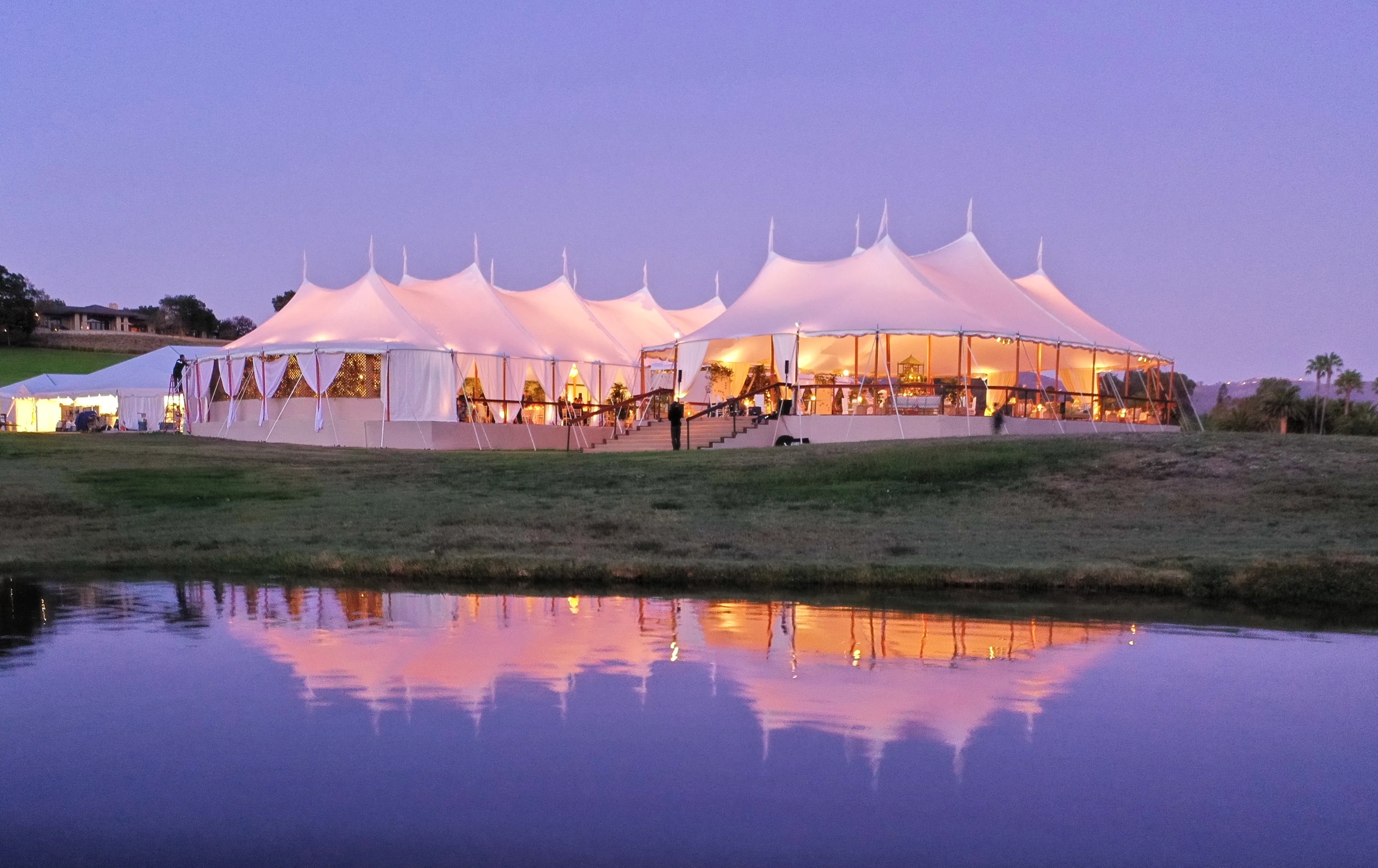
Turf protection does not end when installation crews leave the property. Multi-day events continue placing pressure on the site through guest circulation, catering operations, vendor access, weather, and the weight of temporary infrastructure. Read more in Multi-Room Tent Layouts for Weddings: Dining, Dancing, and Lounge Spaces.
Longer installations require greater attention because the effects of repeated use accumulate over time.
Reduce Concentrated Traffic During the Event
One of the simplest ways to limit lawn wear is to distribute activity.
Guest entrances, bar areas, service paths, and vendor corridors should be positioned so that the same small area is not supporting every movement throughout the event.
This is particularly important for events lasting several days because worn areas can become increasingly vulnerable as the celebration continues.
Coordinate Flooring with Climate and Drainage
Engineered flooring can support guest comfort while also responding to difficult site conditions.
Elevated platforms can help create a level surface where slopes or moisture would otherwise interfere with the event layout. The material also notes that flooring can work with power generation and climate-control infrastructure, allowing utilities to be integrated into the temporary environment.
Multi-day installations may also require more monitoring than a one-night event. Changes in weather, ground moisture, or repeated traffic can affect how both the turf and temporary structure perform over time.
Plan Takedown as Carefully as Installation

A protected lawn can still be damaged during removal if flooring, frames, mats, or other components are dragged across the grass.
The takedown sequence should therefore preserve the same traffic controls used during setup.
Remove Equipment in a Controlled Sequence
The planning material recommends reversing the installation sequence during takedown.
Interior elements and flooring are removed first, creating clear routes for the larger structural components that follow. Crews can then lift hardware and frame sections rather than sliding them across vulnerable grass.
Stakes should also be removed carefully to avoid unnecessary disturbance around the surrounding turf.
Give Turf Time to Recover After Extended Installations
Longer installations may require a more gradual removal process.
The material recommends lifting flooring in sections during extended deployments so turf can begin receiving light and airflow again. Protective materials should be lifted or rolled appropriately rather than dragged across the ground.
A final site walkthrough should inspect the lawn after the structure and protection systems are removed.
Crews should look for debris, hardware, compacted areas, and portions of the site that may require additional attention. Prompt removal of temporary coverings is also important because extended covering can continue limiting sunlight and airflow.
Frequently Asked Questions
Can temporary decking completely prevent soil compaction?
No. Temporary coverings can reduce wear, tearing, and some compaction, but the planning guidance specifically notes that soil compaction is not eliminated completely.
What type of decking is used to protect pedestrian areas?
The material references pedestrian cavity-back systems such as Terraplas, Supa Trac Translucent, Clear Road, Groundshield, RGT Panel Pedestrian, and Matrax LD for sensitive turf applications.
Why is translucent decking useful for multi-day events?
Translucent decking allows light to reach the grass beneath the temporary surface. This becomes more important during extended installations because opaque coverings can limit photosynthesis for longer periods.
Can engineered flooring help on sloped lawns?
Yes. Skyline Tent Company uses engineered flooring and elevated platforms that can create more stable, level event surfaces on challenging terrain.
How should turf be protected during tent removal?
Crews should use planned exit routes, lift rather than drag structural components, remove flooring carefully, and avoid concentrating takedown traffic in a single area.
Protect the Property from Installation Through Final Takedown
Protecting a lawn during a multi-day luxury tent installation requires more than placing temporary flooring beneath the main structure. The entire event footprint needs to be considered, including installation routes, pedestrian walkways, catering access, heavy equipment, flooring, drainage, and the final removal sequence.
Skyline Tent Company supports multi-day tent installations through professional setup and takedown, project management, engineered flooring, elevated platforms, climate control, and long-term or seasonal rental options. For inspiration from past installs, browse our tent gallery.
When turf protection is integrated into the site plan from the beginning, planners can reduce unnecessary wear while maintaining the refined temporary venue their event requires.
Contact Skyline Tent Company to discuss your event site, installation duration, lawn conditions, flooring requirements, equipment access, and takedown plan. Their team can help develop a multi-day tent installation strategy that supports the event while treating the surrounding property as an essential part of the venue. To talk through a tent for your date and site, contact our team.