
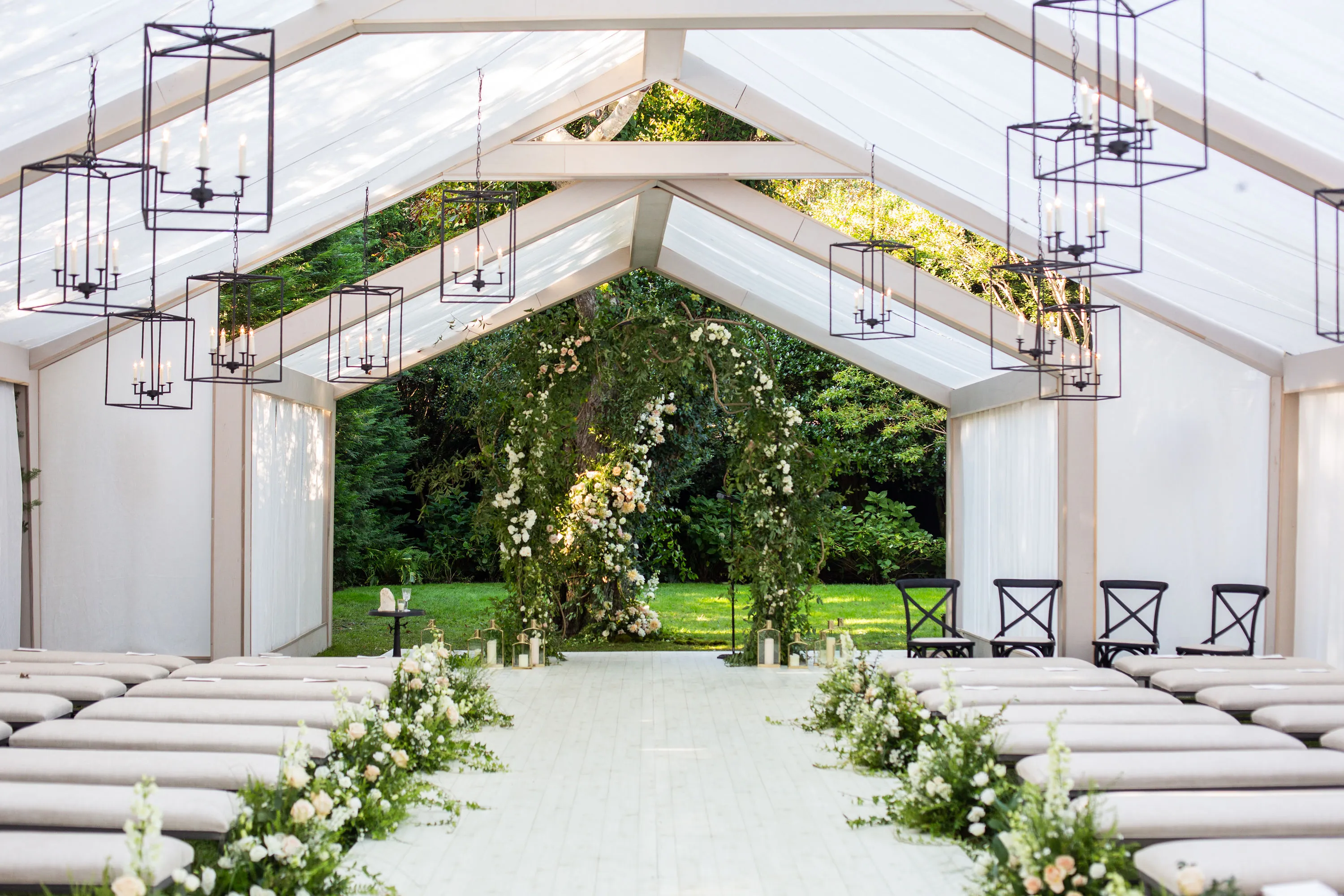
Patios, parking areas, concrete courtyards, and other hard surfaces can become valuable event spaces when the right temporary infrastructure is used. Unlike lawn installations, these sites require careful consideration of tent structure, anchoring, flooring, guest circulation, climate control, lighting, and safety because conventional ground staking may not always be appropriate. Clearspan and frame tents are especially useful for temporary events on hard surfaces, providing flexible interiors that can accommodate weddings, corporate functions, private celebrations, and larger gatherings. Sailcloth and pole tents can provide additional aesthetic options when site conditions support their installation requirements. Flooring can transform exposed concrete or asphalt into a comfortable and polished event surface, while HVAC systems and insulated sidewalls help manage changing temperatures. Lighting, accessibility, permits, weather planning, and clearly defined entrance and exit routes should also be incorporated into the design. With detailed site planning, an ordinary patio or parking area can be transformed into a sophisticated temporary venue without requiring permanent construction.
Choosing Tent Structures for Patios and Hard Surfaces
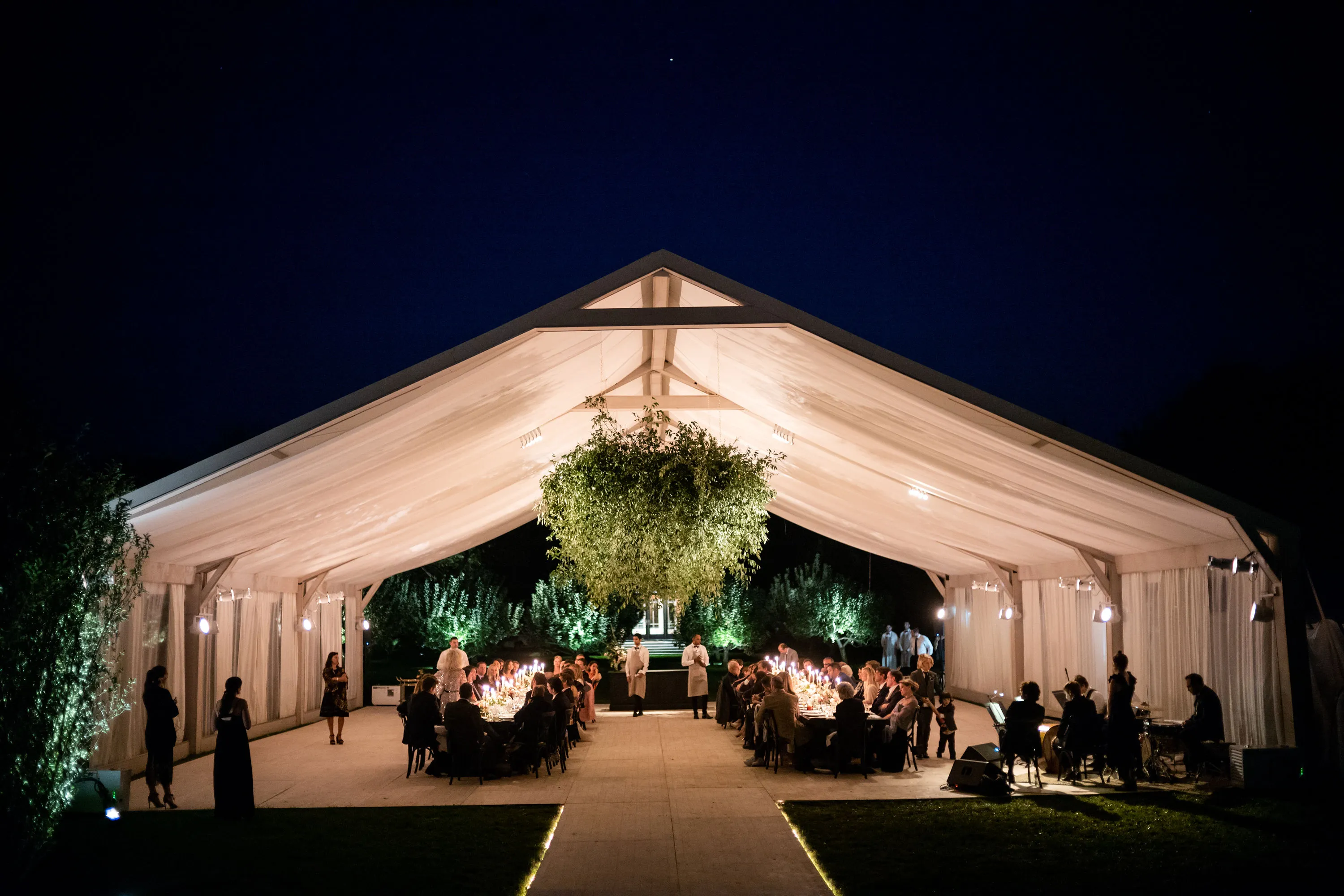
Selecting the correct tent is one of the most important decisions when converting a hard surface into an event venue. The structure must fit the available footprint while supporting the capacity, design, weather protection, and infrastructure required by the event.
Clearspan and frame tents are particularly adaptable to patios and parking areas, while sailcloth and pole tents may suit properties where their specific installation requirements can be accommodated.
Clearspan Tents for Large Hard-Surface Events
Clearspan tents provide expansive interiors without center poles, which gives planners substantial flexibility when arranging seating, stages, dance floors, dining areas, bars, and lighting systems. This feature makes them particularly effective for larger gatherings where maximizing usable floor area is important.
Their sturdy construction also supports use during different weather conditions, while the structure can accommodate additional infrastructure such as flooring and climate-control systems. When installed over a large parking area or patio, a clearspan structure can create an environment that feels much closer to a temporary ballroom than a basic outdoor shelter.
Frame, Sailcloth, and Pole Tent Options
Frame tents provide considerable installation flexibility and can work effectively on patios, concrete, and other hard surfaces. Their structural framework allows them to be configured around different venue dimensions, making them useful when the available footprint is restricted or irregular.
Sailcloth tents provide translucent fabric, high peaks, and an elegant appearance that works well for upscale events. Pole tents offer a more traditional aesthetic, although their guy lines and installation requirements mean additional surrounding space may be necessary.
Hard-surface venues can vary considerably in dimensions and accessibility, so tent selection should be based on more than aesthetics. The structure needs to match the space, expected attendance, event activities, weather requirements, and installation method. Reviewing these factors before design work begins can help prevent conflicts later.
Clearspan tents: Provide large, open interiors without center poles.
Frame tents: Offer flexible configurations for patios and constrained hard-surface locations.
Sailcloth tents: Provide a softer, elegant appearance for upscale gatherings.
Pole tents: Create traditional high peaks but may require additional installation space.
Event capacity: Determine how much usable interior area guests and activities require.
Site restrictions: Consider surrounding buildings, access routes, utilities, and anchoring conditions.
Choosing the structure around the actual property helps create a temporary venue that performs efficiently without forcing the event into an unsuitable layout.
Creating Comfortable Flooring Over Concrete and Asphalt
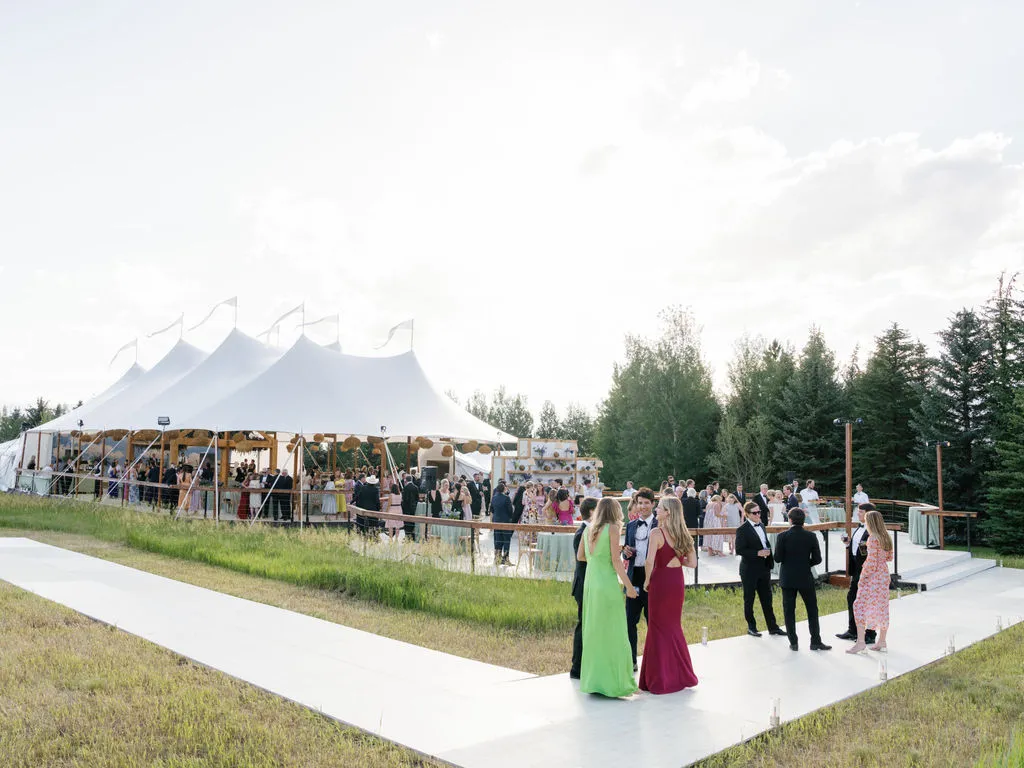
A tent may provide shelter, but exposed asphalt or concrete can still make a temporary venue feel unfinished. Flooring improves appearance while providing a more comfortable and consistent surface for guests, furniture, catering equipment, and entertainment.
Wood, composite flooring, carpet, artificial turf, interlocking tiles, and other temporary surfaces can be selected according to the style and function of the event.
Selecting Flooring for Style and Stability
Wooden or composite flooring can create a polished event environment and provide a durable foundation for formal gatherings. These materials can visually separate the temporary venue from the parking lot or patio beneath it, helping the interior feel more intentional.
Heavy-duty carpet can add softness and help reduce noise, making it particularly useful for formal or luxury gatherings. Artificial turf provides another option when planners want to introduce an outdoor-inspired visual element over a hard surface.
Interlocking tiles can adapt to different layouts and provide a finished temporary surface without requiring permanent changes to the property.
Supporting Accessibility and Guest Safety
Temporary flooring should provide a stable walking surface and support accessibility throughout the event. The source specifically notes the importance of stable, non-slip materials when planning for guests with different mobility needs.
Rubber flooring can provide additional grip, while composite wood can offer a rigid and comfortable surface. Flooring transitions should also be planned carefully so guests can move between exterior areas and the tent without unexpected height changes or unstable sections.
Quality installation matters as much as the material itself. Uneven flooring can create safety concerns, while a properly installed surface can improve movement, furniture stability, and the overall presentation of the venue.
Managing Climate and Weather in Temporary Hard-Surface Venues
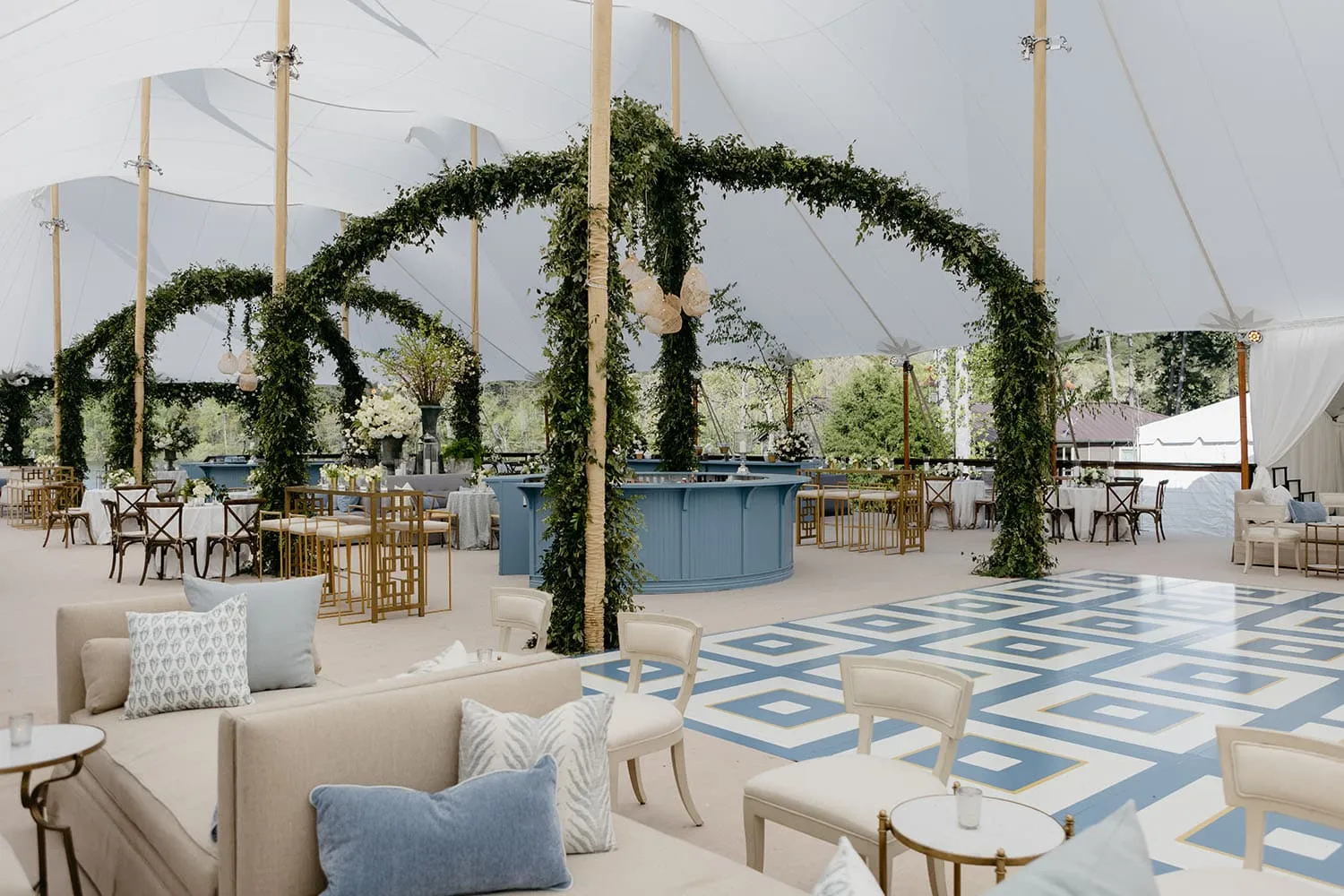
Hard surfaces can influence how an outdoor event feels, especially during periods of intense heat or cooler weather. Concrete and asphalt can absorb and release heat differently from grass, making temperature planning an important component of temporary venue design.
Air conditioning, fans, misting systems, insulated sidewalls, and other climate-control solutions can help maintain more comfortable conditions inside the tent.
Cooling and Ventilating Clearspan and Frame Tents
Portable air-conditioning units can provide targeted cooling in temporary spaces, while fans improve air circulation throughout larger interiors. Depending on climate and event conditions, misting systems may also be used as part of an outdoor cooling strategy.
The size of the tent should influence equipment selection. A system designed for a small gathering may not provide sufficient coverage for a large clearspan structure filled with guests, lighting, catering equipment, and other heat-generating elements.
Energy demand should therefore be assessed alongside the total area requiring climate control.
Using Sidewalls and Insulation for Changing Weather
Insulated sidewalls can help manage temperature changes by reducing unwanted heat transfer between the temporary interior and outside conditions. They may be particularly valuable during colder events or when air conditioning is being used during warmer periods.
Weather preparedness should also include rain and wind planning. Temporary structures should be installed and managed according to the conditions of the site, while drainage and surrounding hard surfaces should be evaluated before guests arrive.
Climate control, weather planning, and tent enclosure choices should be considered together. Each component influences how the temporary environment performs throughout the event.
Designing Lighting and Guest Flow for Hard-Surface Events
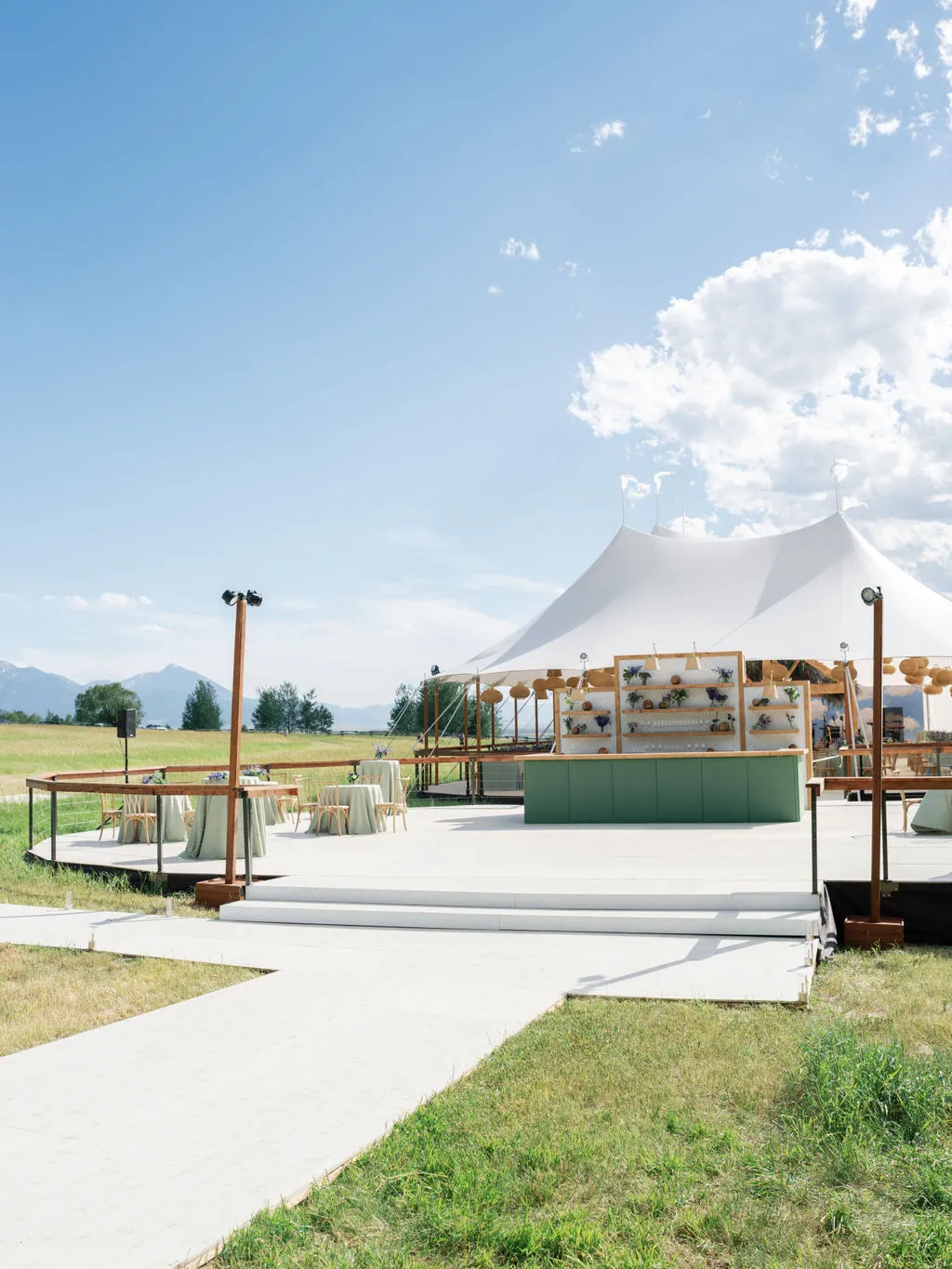
A parking area may be highly functional during normal operations, but transforming it into an event venue requires a completely different approach to lighting and circulation. Guests should feel like they are entering a planned event environment rather than navigating a repurposed parking facility.
Lighting can define the atmosphere while pathways, signage, entrances, and exits help organize movement throughout the temporary venue. We cover this further in Temporary Power Solutions for Unforgettable Outdoor Events.
Layering Decorative and Functional Tent Lighting
Fairy lights can create a softer, more romantic atmosphere when suspended overhead or incorporated into structural elements. Lanterns provide warm decorative illumination, particularly during evening gatherings.
LED spotlights offer more focused lighting and can highlight stages, dining areas, registration points, or architectural features. Combining decorative and functional lighting gives planners greater control over both atmosphere and visibility.
The lighting plan should also account for areas immediately outside the tent. Parking surfaces, temporary walkways, entrances, and transitions need adequate illumination so guests can move comfortably after dark.
Organizing Entrances, Exits, and Guest Movement
Traffic flow should be established before furniture and décor are placed. Clear entry and exit points help reduce congestion and allow guests to understand the event layout immediately upon arrival.
Pathways should connect important zones such as dining areas, bars, stages, restrooms, and exits. Signage and event staff can provide additional guidance for larger gatherings or more complicated temporary layouts.
Hard-surface event sites often provide a large open footprint, but that space still needs structure. Strategic planning can divide it into logical guest and service areas without creating unnecessary obstacles. Read more in Creating an Effective Tent Rental Event Timeline: Key Steps.
Several elements should be coordinated when planning movement across the venue. The layout should remain intuitive from arrival through departure, while service operations should function without interfering with primary guest routes. Careful zoning can make a temporary parking-area venue feel substantially more refined.
Clearly marked entrances: Give guests an obvious arrival point.
Defined exit routes: Maintain accessible and visible departure paths.
Guest pathways: Connect dining, entertainment, and service areas logically.
Vendor routes: Provide practical access for catering and event staff.
Directional signage: Help guests navigate larger or divided spaces.
Functional lighting: Illuminate entrances, pathways, and high-traffic zones.
Treating circulation as part of the design can make the temporary venue easier to navigate while improving both safety and guest experience.
Planning Safety, Installation, and Site Logistics
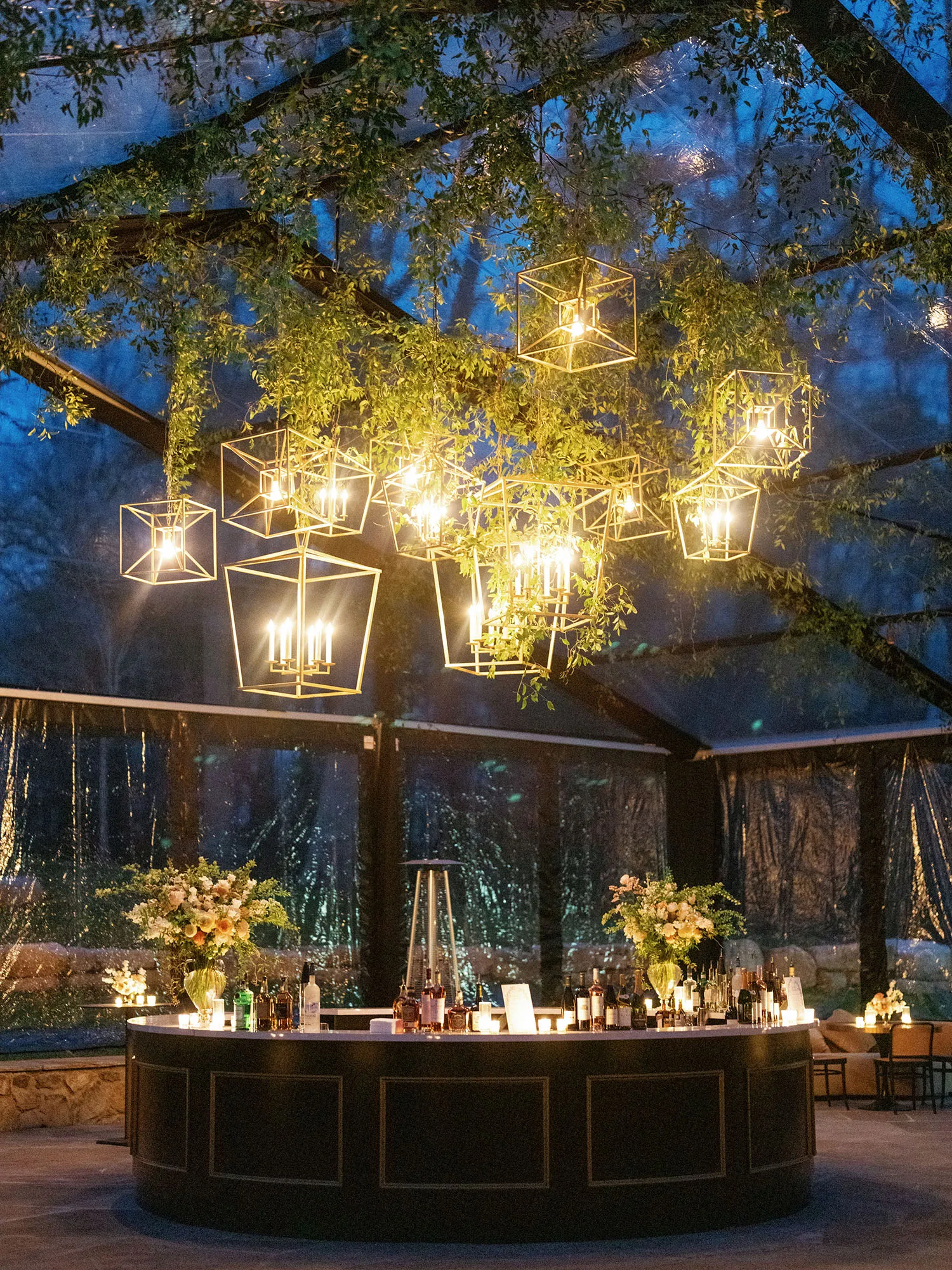
Hard-surface events require detailed logistical planning because the structure, flooring, climate equipment, lighting, and guest facilities all have to be coordinated within the same temporary footprint.
Site inspections, weather preparedness, local regulations, installation methods, and vendor access should therefore be confirmed before setup begins. You may also find Backyard Event Tent Setup Checklist for Perfect Parties helpful.
Conducting Site Inspections and Reviewing Regulations
A detailed site inspection should identify potential hazards and confirm that the available area can support the selected temporary structure. Planners should consider surrounding buildings, utilities, traffic areas, drainage, accessibility, and other property features.
Local regulations regarding temporary structures should also be reviewed before installation. Required approvals can vary by location and event, so they should be addressed early rather than immediately before setup.
Weather planning is equally important. The source recommends preparing for adverse conditions and considering how the structure and surrounding site will respond if rain or other changing conditions occur.
Coordinating Anchoring, Setup, and Event Infrastructure
The installation method should reflect both the tent and the hard surface beneath it. Frame and clearspan structures can be useful in these environments because their configurations can accommodate installation approaches appropriate to hard surfaces.
Flooring, HVAC equipment, lighting, furniture, catering equipment, and entertainment infrastructure should then be coordinated around the tent installation schedule. Vendor access needs to remain available while major components are being assembled.
The physical footprint should also provide sufficient space for guest movement and service operations after setup is complete.
Site logistics work best when they are documented before equipment arrives. Once large structures and flooring are positioned, making major changes becomes significantly more difficult. A pre-event plan can help every vendor understand how their portion of the installation fits into the complete temporary venue.
Inspect the site: Identify obstacles, utilities, drainage, and available installation space.
Review permits: Confirm applicable requirements for temporary structures.
Plan weather contingencies: Prepare for rain, wind, and changing temperatures.
Coordinate installation: Schedule tent, flooring, HVAC, and lighting crews logically.
Manage vendor access: Maintain workable delivery and service routes.
Complete safety checks: Inspect the temporary venue before guests arrive.
A coordinated installation process can transform a hard surface efficiently while maintaining the safety, functionality, and appearance expected from a professional event venue.
Frequently Asked Questions
Can an event tent be installed on concrete or a parking lot?
Yes. Temporary structures such as clearspan and frame tents can be suitable for patios, parking areas, and other hard surfaces when the installation method is planned around the specific site and structure.
What tent works best on a hard surface?
Clearspan and frame tents are highlighted in the source as strong options because of their adaptable structures and flexible interiors. The final choice should depend on capacity, available space, event design, and site conditions.
What flooring can cover concrete for an event?
Wood flooring, composite flooring, heavy-duty carpet, interlocking tiles, rubber flooring, and artificial turf are among the temporary options discussed in the source.
Can a temporary tent on a parking area be climate controlled?
Yes. Portable air conditioning, fans, misting systems, and insulated sidewalls can be incorporated depending on the structure and weather conditions.
What should be checked before creating a temporary event space on concrete?
Site conditions, tent installation requirements, flooring, accessibility, local regulations, weather, drainage, entrances and exits, vendor access, lighting, and climate-control requirements should all be evaluated before setup.
Transform Your Hard Surface Into an Event Venue with Skyline Tent Company
A patio, parking area, or concrete surface can become far more than an overflow space. With the right combination of architectural tents, temporary flooring, climate control, lighting, accessibility planning, and site logistics, an ordinary hard surface can be converted into a polished environment for weddings, corporate functions, private celebrations, and other events.
Clearspan tents offer large, unobstructed interiors that can support complex event layouts, while frame tents provide additional flexibility for constrained or unusual footprints. Sailcloth and pole tents offer different visual styles when site conditions allow their installation. Flooring can conceal the existing hard surface and provide a more comfortable guest environment, while lighting and climate-control systems help create the atmosphere expected from a professionally designed venue.
The transformation should begin with the site itself. Dimensions, surrounding structures, access, regulations, installation requirements, guest movement, and expected weather should determine the infrastructure rather than being addressed after equipment has already arrived. Our tent rental FAQs cover the questions hosts ask most.
Contact Skyline Tent Company to discuss your patio, parking area, concrete venue, guest count, and event requirements. With a professionally coordinated tent, flooring, lighting, climate-control, and site plan, Skyline Tent Company can help transform underused hard surfaces into comfortable, functional, and sophisticated temporary event spaces. For a tent layout sized to your guest list, request a quote.