
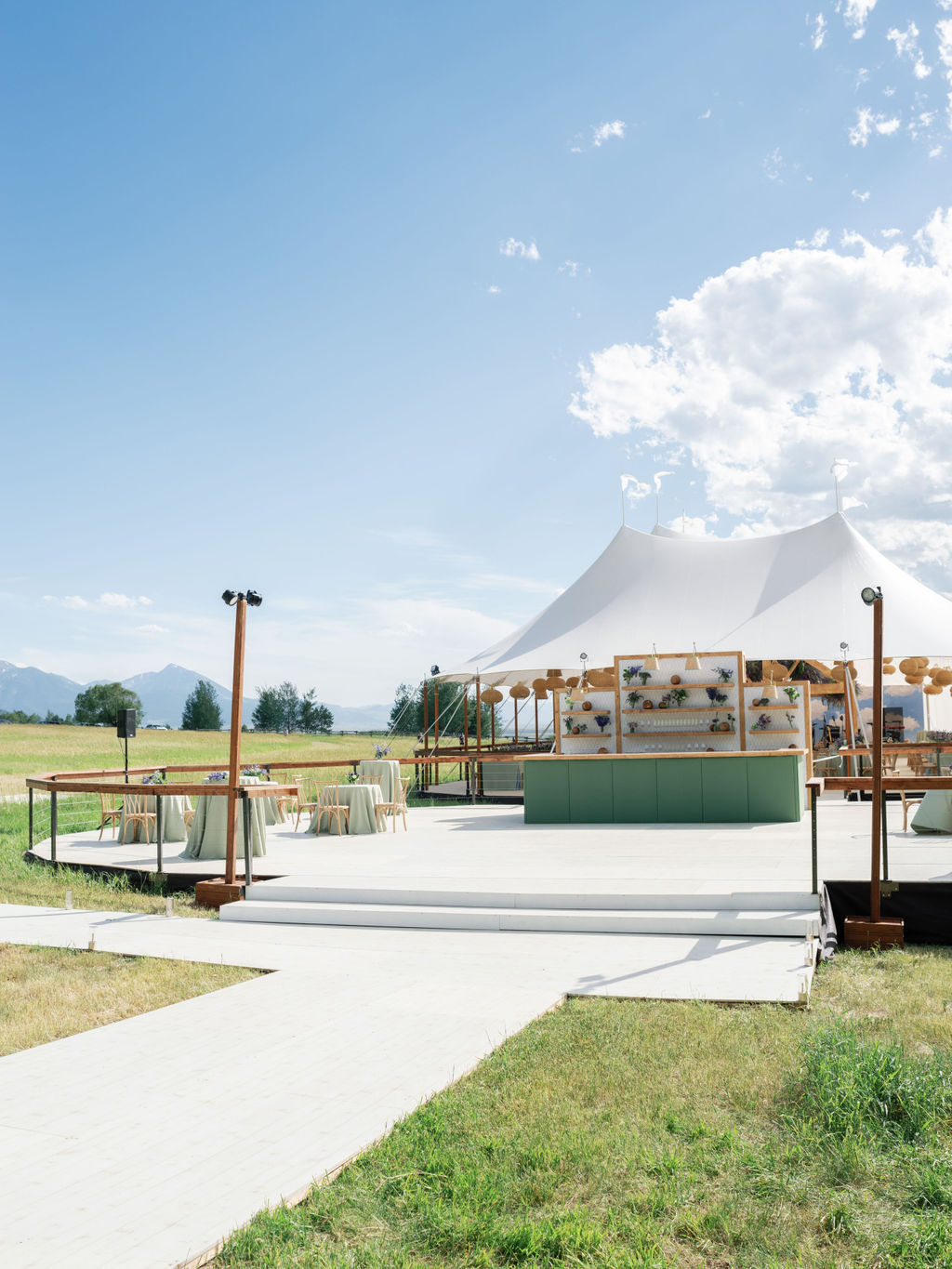
Festival tent rentals are one of the most important components of large-scale summer music and arts events. These structures provide shelter, improve crowd organization, support production infrastructure, and create immersive environments that enhance the overall guest experience. Modern festival tents are designed to do far more than protect attendees from weather conditions. They now function as fully integrated event environments capable of supporting staging, lighting, vendor operations, climate control, hospitality areas, and large audience capacities.
Outdoor festivals often involve thousands of attendees, multiple operational zones, and unpredictable environmental conditions. Choosing the right tent systems is essential for maintaining safety, improving event flow, and ensuring that guests remain comfortable throughout the experience. Clearspan tents, frame tents, sailcloth structures, engineered systems, and high-peak tents each serve unique purposes depending on the event’s scale and operational goals.
Beyond the structures themselves, successful festival planning also depends on logistics coordination, flooring systems, lighting design, ventilation, power infrastructure, and weather contingency planning. Organizers must carefully evaluate venue conditions, guest capacity, accessibility, and vendor requirements long before installation begins.
Understanding Festival Tent Types for Large-Scale Outdoor Events
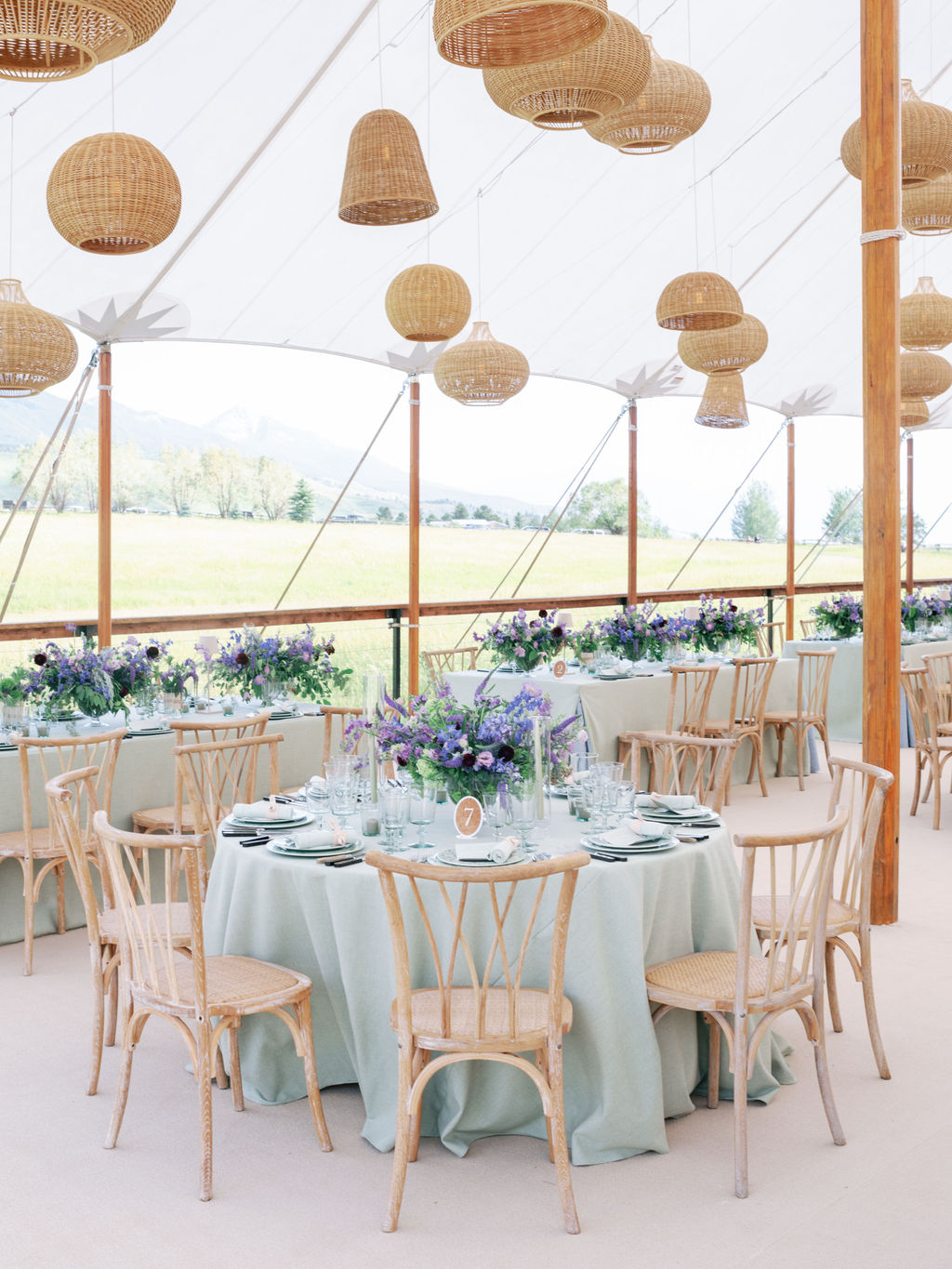
Different festival environments require different structural solutions. The type of tent selected directly affects guest comfort, operational efficiency, visual presentation, and infrastructure flexibility.
Understanding how each tent style performs allows planners to create environments tailored to the specific needs of music festivals, arts events, and large outdoor gatherings.
Clearspan and Engineered Structures for Maximum Flexibility
Clearspan tents are among the most popular options for large festivals because they eliminate interior support poles, creating expansive open layouts for crowds, stages, vendors, and seating arrangements.
These structures provide several operational advantages:
- Open interiors that maximize usable space
- Better flexibility for stage and vendor layouts
- Strong resistance to wind and adverse weather conditions
Engineered structures expand on these benefits by offering reinforced framing systems capable of supporting larger crowds and long-term installations. Their durable construction makes them ideal for multi-day festivals and high-traffic outdoor environments.
Clearspan and engineered tents also integrate efficiently with lighting rigs, audiovisual systems, suspended décor, and climate-control infrastructure, making them highly adaptable for complex event production requirements.
Frame, Pole, and Sailcloth Tents for Specialized Event Areas
Frame tents remain highly versatile because they can be installed on a wide range of surfaces including asphalt, concrete, and uneven outdoor terrain. Their modular layouts allow planners to create ticketing zones, lounge areas, food courts, and vendor pavilions with greater flexibility.
Additional festival tent options include:
- Pole tents with classic high-peak aesthetics
- Sailcloth tents that create elegant atmospheric environments
- High-peak tents for premium hospitality and VIP spaces
Pole tents are often selected for open grassy venues because of their visual impact and lower structural complexity. Sailcloth tents, by contrast, create softer lighting and upscale aesthetics ideal for luxury hospitality areas or executive lounges.
Using different tent styles across multiple festival zones helps create visual diversity while supporting operational functionality, especially with dedicated festival VIP tents for premium guest areas.
Planning Festival Tent Layouts for Guest Flow and Event Functionality
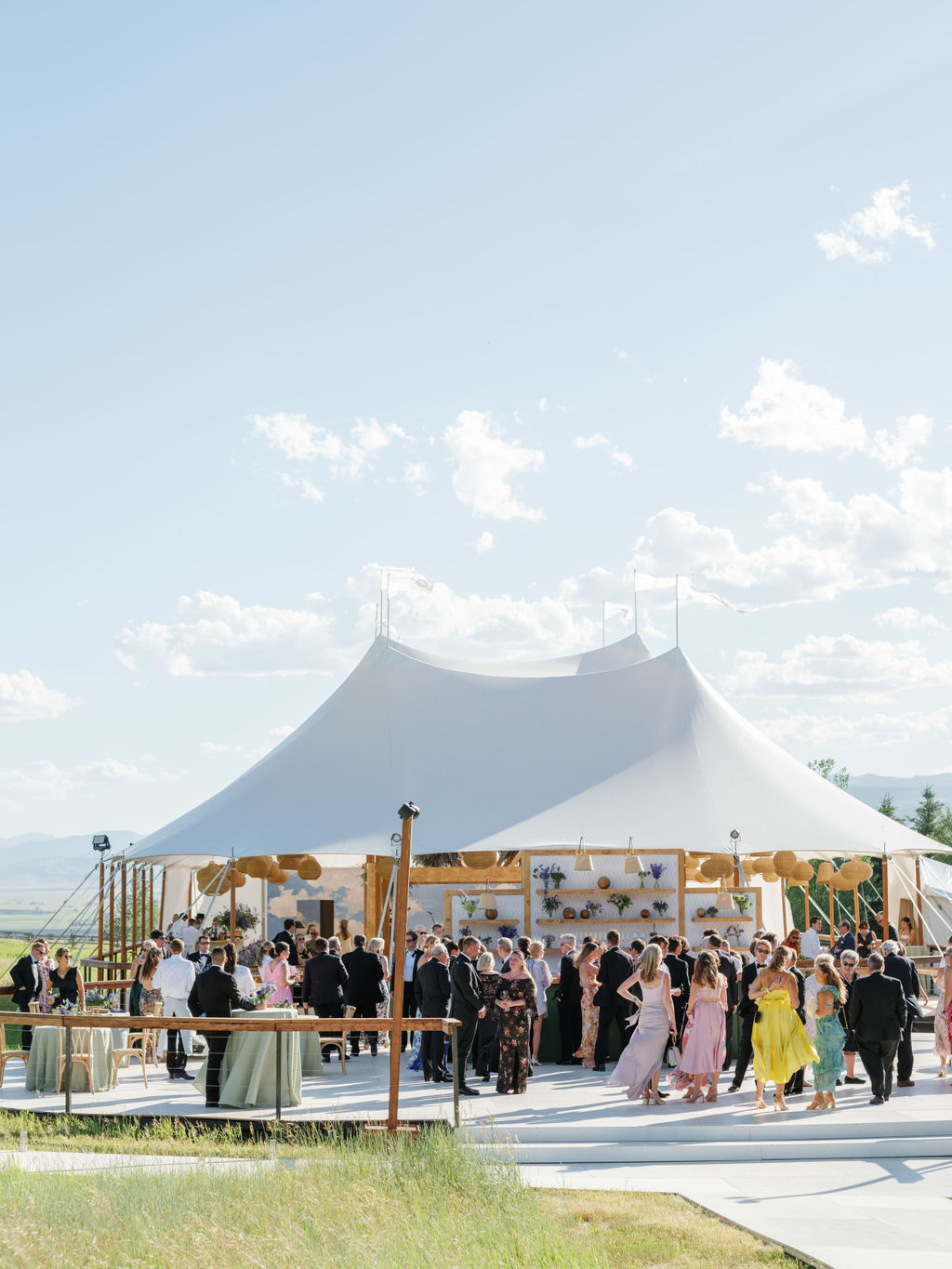
Tent layouts significantly influence how guests experience the event. Poorly planned environments can create congestion, operational confusion, and uncomfortable crowd conditions.
Strategic layout planning improves circulation, visibility, safety, and overall attendee satisfaction by choosing the right venue tent pairing for each festival space.
Organizing Functional Festival Zones
Large-scale festivals often require multiple operational areas that serve different purposes throughout the event. Tent systems help define these zones while improving organization and crowd management. For more detail, see our article Ultimate Guide to Large Scale Outdoor Events.
Important event zones may include:
- Main performance and entertainment areas
- Food-service and hospitality sections
- Vendor booths and merchandise pavilions
Separating these areas strategically improves traffic flow while reducing overcrowding near entrances, service stations, and stage environments.
Planners should also create dedicated service corridors for vendors, production crews, and emergency access to maintain efficient operations behind the scenes.
Guest Capacity and Space Optimization Strategies
Festival layouts should prioritize both capacity and comfort. Overcrowded environments negatively affect guest experience, while oversized spaces may feel disconnected and inefficient.
Effective layout planning improves:
- Audience movement and emergency accessibility
- Visibility for performances and installations
- Comfort within high-traffic gathering zones
Clearspan tents are especially valuable because their unobstructed interiors allow more flexible seating, standing-room, and circulation arrangements.
Detailed crowd-flow analysis also helps planners position entrances, exits, restrooms, and vendor areas more efficiently across the venue.
Climate Control, Flooring, and Infrastructure for Summer Festivals
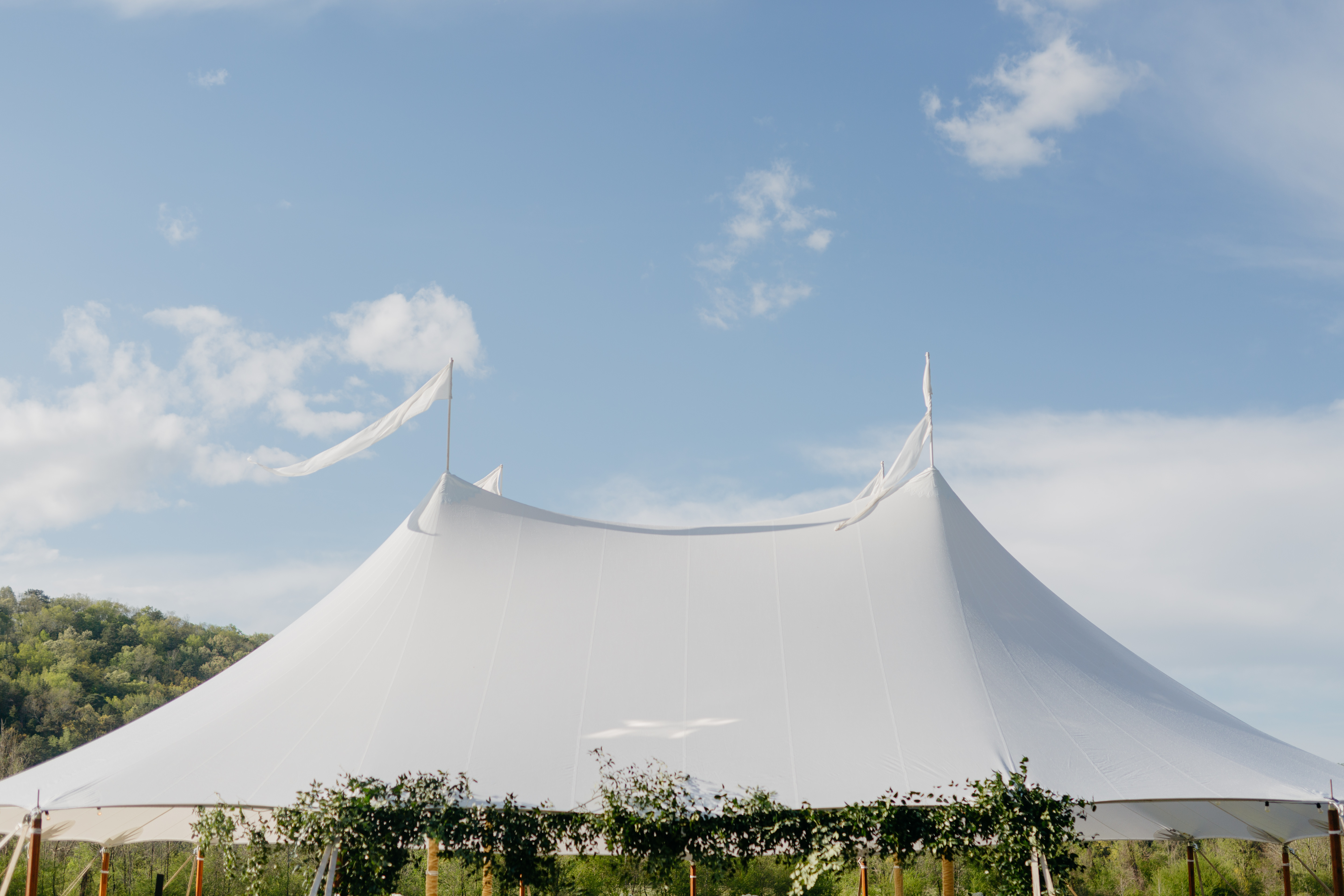
Summer festivals present unique environmental challenges including heat exposure, humidity, dust, and sudden weather changes. Supporting infrastructure systems are essential for maintaining guest comfort and operational stability throughout the event.
Climate control, flooring, and power systems should be integrated into the planning process from the earliest stages.
Climate-Control Systems for Outdoor Tent Environments
Large festival tents can become extremely warm during summer events, especially when crowds, lighting systems, and enclosed structures increase interior temperatures. For more detail, see our article Summer Corporate Tent Rentals: Guide for Commercial Events.
Effective climate-control strategies may include:
- Portable air-conditioning systems for enclosed tents
- Industrial ventilation systems and airflow management
- Misting systems and shaded lounge areas
Proper ventilation improves air circulation while helping reduce heat buildup during daytime performances and crowded event periods.
Cooling systems are especially important for VIP areas, artist lounges, medical stations, and enclosed hospitality environments where guest comfort expectations are higher.
Flooring and Temporary Infrastructure Solutions
Flooring systems improve safety, comfort, and operational efficiency throughout festival environments. Uneven terrain, mud, and dust can quickly affect guest mobility and overall presentation without proper surface preparation.
Temporary flooring systems help:
- Stabilize high-traffic walkways and vendor areas
- Improve accessibility for guests and equipment
- Protect the ground from weather-related damage
Interlocking flooring, modular subfloors, turf systems, and heavy-duty temporary surfaces are commonly used throughout festival venues depending on the expected traffic levels and environmental conditions.
Infrastructure planning should also include temporary power distribution, lighting systems, and cable management while considering event power options for reliable festival operations.
Site Logistics and Operational Planning for Festival Tent Installations
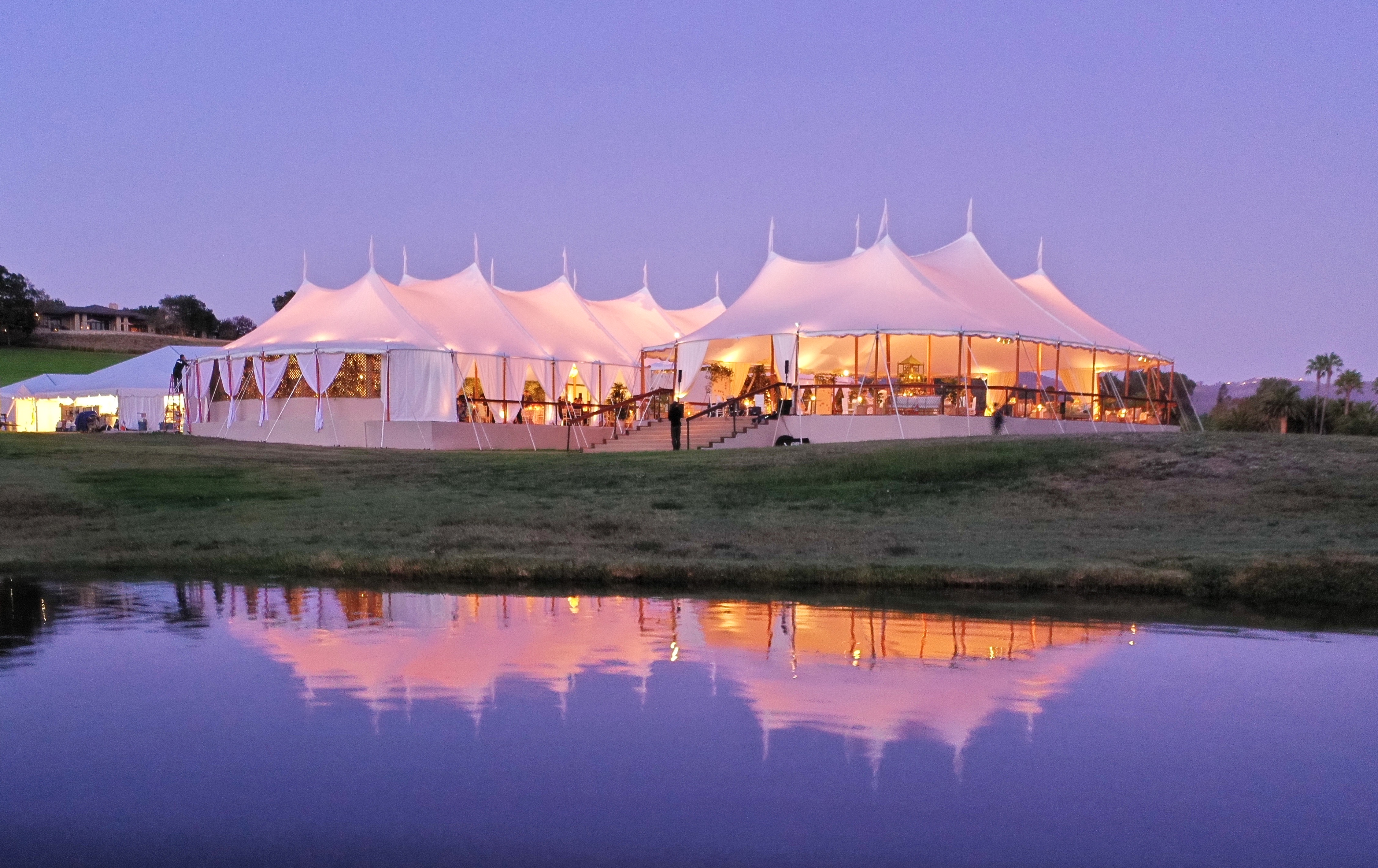
Large festival environments require careful logistical coordination because multiple vendors, crews, and operational teams often work simultaneously across the site. We cover this further in Best Practices for Choosing a Large Festival Tent.
Strong operational planning reduces delays, improves safety, and helps maintain efficient installation schedules.
Site Assessments and Venue Preparation
Every outdoor venue presents unique logistical conditions that influence tent placement, accessibility, and infrastructure requirements. Site evaluations help planners identify challenges before installation begins.
Important site-planning considerations include:
- Ground stability and drainage conditions
- Vehicle access for equipment delivery and setup
- Utility availability and temporary power requirements
Uneven terrain may require additional stabilization systems, while environmentally sensitive sites may restrict anchoring methods or heavy equipment use.
Detailed venue maps also help organize emergency routes, production zones, and vendor access points more effectively during installation and live event operation.
Vendor Coordination and Safety Compliance
Festival events involve extensive coordination between production teams, caterers, electricians, tent installers, entertainers, and local authorities.
Strong operational coordination improves:
- Setup efficiency and scheduling accuracy
- Communication between technical and logistics teams
- Compliance with local safety regulations and permits
Emergency weather procedures should also be documented in advance, especially for multi-day outdoor festivals where changing conditions can affect operations quickly.
Regular inspections throughout setup and operation help ensure that structural systems, electrical infrastructure, and crowd-management measures remain compliant and fully operational.
Modern Innovations and Trends in Festival Tent Rentals
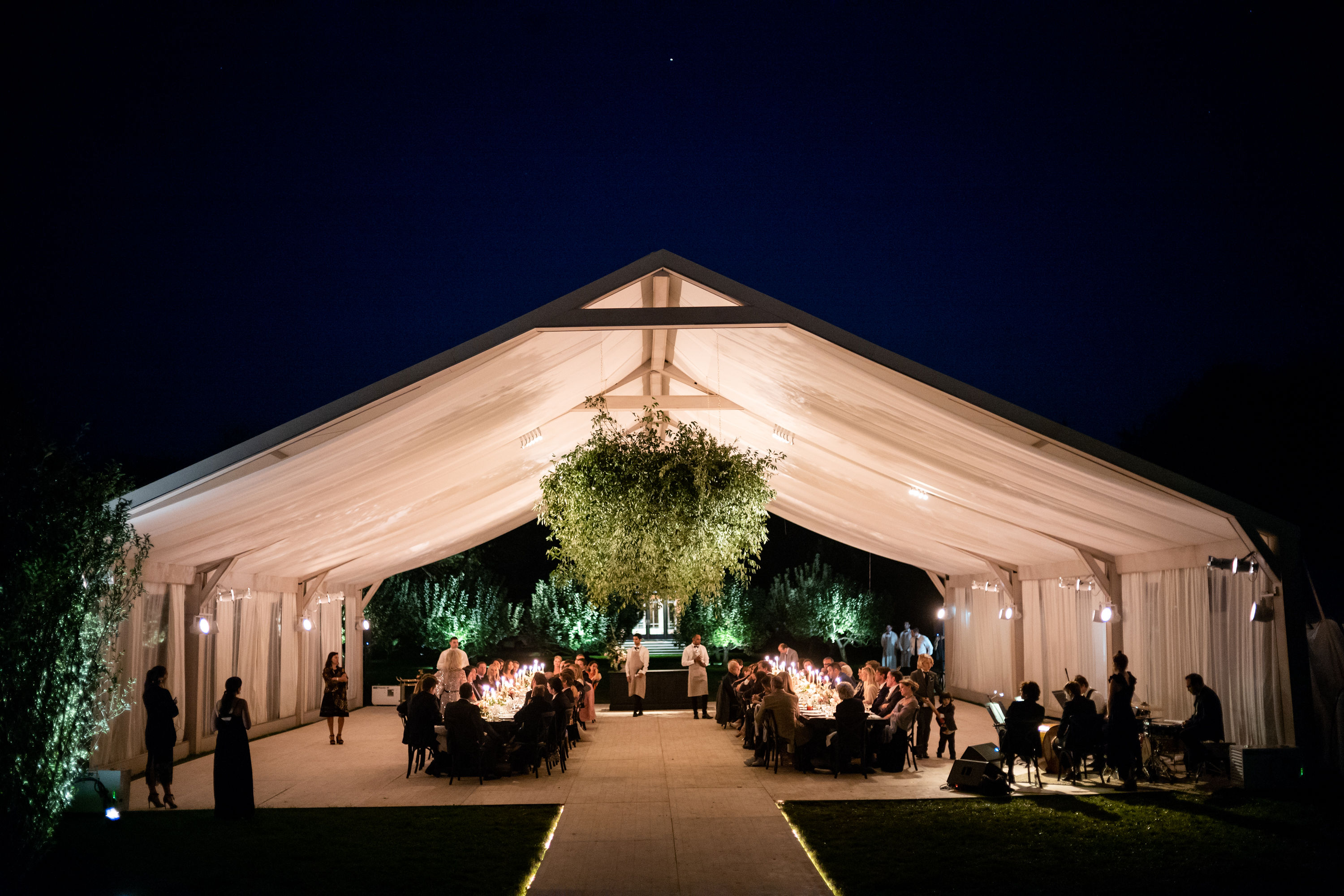
Festival tent infrastructure continues evolving to meet changing expectations related to sustainability, guest experience, and operational efficiency. Modern event environments increasingly prioritize adaptable layouts, advanced climate-control systems, and environmentally conscious solutions.
These innovations help festivals become more flexible, comfortable, and visually engaging.
Sustainable Materials and Modular Tent Designs
Many event organizers now prioritize sustainable infrastructure solutions that reduce environmental impact while maintaining structural performance.
Modern tent innovations include:
- Recyclable and eco-friendly tent materials
- Modular systems that reduce installation waste
- Energy-efficient lighting and HVAC equipment
Modular tent systems also improve flexibility because planners can expand or reconfigure structures depending on crowd size and operational needs.
These systems help reduce transportation costs and simplify installation logistics for large-scale outdoor events. We cover this further in Why Choose Custom Large-Scale Tent Rentals for Your Event.
Smart Technology and Enhanced Guest Experiences
Technology integration is becoming increasingly important in modern festival planning. Smart systems improve operational oversight while enhancing comfort and attendee engagement.
Advanced event technologies improve:
- Real-time climate and lighting management
- Energy monitoring and power efficiency
- Crowd-flow analysis and operational coordination
Interactive lighting, smart HVAC controls, and digitally integrated infrastructure systems are increasingly used in premium festival environments to create more immersive guest experiences.
As festival expectations continue evolving, technology-driven tent environments are becoming a major part of large-scale outdoor event strategy.
Frequently Asked Questions
What tent type is best for large music festivals?
Clearspan and engineered tents are often the best choices because they provide large unobstructed interiors, strong weather resistance, and flexibility for staging and crowd management.
Why are frame tents popular at outdoor festivals?
Frame tents are highly adaptable and can be installed on different surfaces, making them ideal for vendor booths, hospitality zones, and operational areas.
How do climate-control systems improve festival environments?
Climate-control systems help regulate temperatures, improve airflow, and maintain guest comfort during hot summer conditions and crowded event periods.
What flooring systems work best for festival tents?
Interlocking flooring, modular subfloors, turf systems, and heavy-duty temporary surfaces are commonly used depending on traffic levels and terrain conditions.
Conclusion
Festival tent rentals play a central role in creating safe, functional, and visually engaging environments for large-scale summer music and arts events. From clearspan structures and engineered systems to climate-control solutions, flooring infrastructure, and operational logistics, every component contributes to the success of the overall festival experience.
Careful planning allows organizers to optimize guest flow, improve comfort, enhance safety, and create immersive event atmospheres that support both entertainment and operational performance. Modern tent systems now function as complete outdoor venues capable of accommodating complex production requirements while maintaining flexibility and aesthetic appeal.
Skyline Tent Company understands the unique challenges associated with large-scale outdoor festivals and provides customized tent solutions designed to support comfort, durability, and operational efficiency. Their expertise in structural planning, logistics coordination, and premium event infrastructure helps organizers create festival environments that remain organized, memorable, and adaptable under changing event conditions. You may also find Large-Scale Tent Rentals for Memorable Events helpful.
With strategic preparation, innovative infrastructure, and experienced coordination, festival tent environments can successfully transform outdoor spaces into dynamic event destinations that leave lasting impressions on performers, vendors, and attendees alike. To talk through a tent for your date and site, contact our team.