
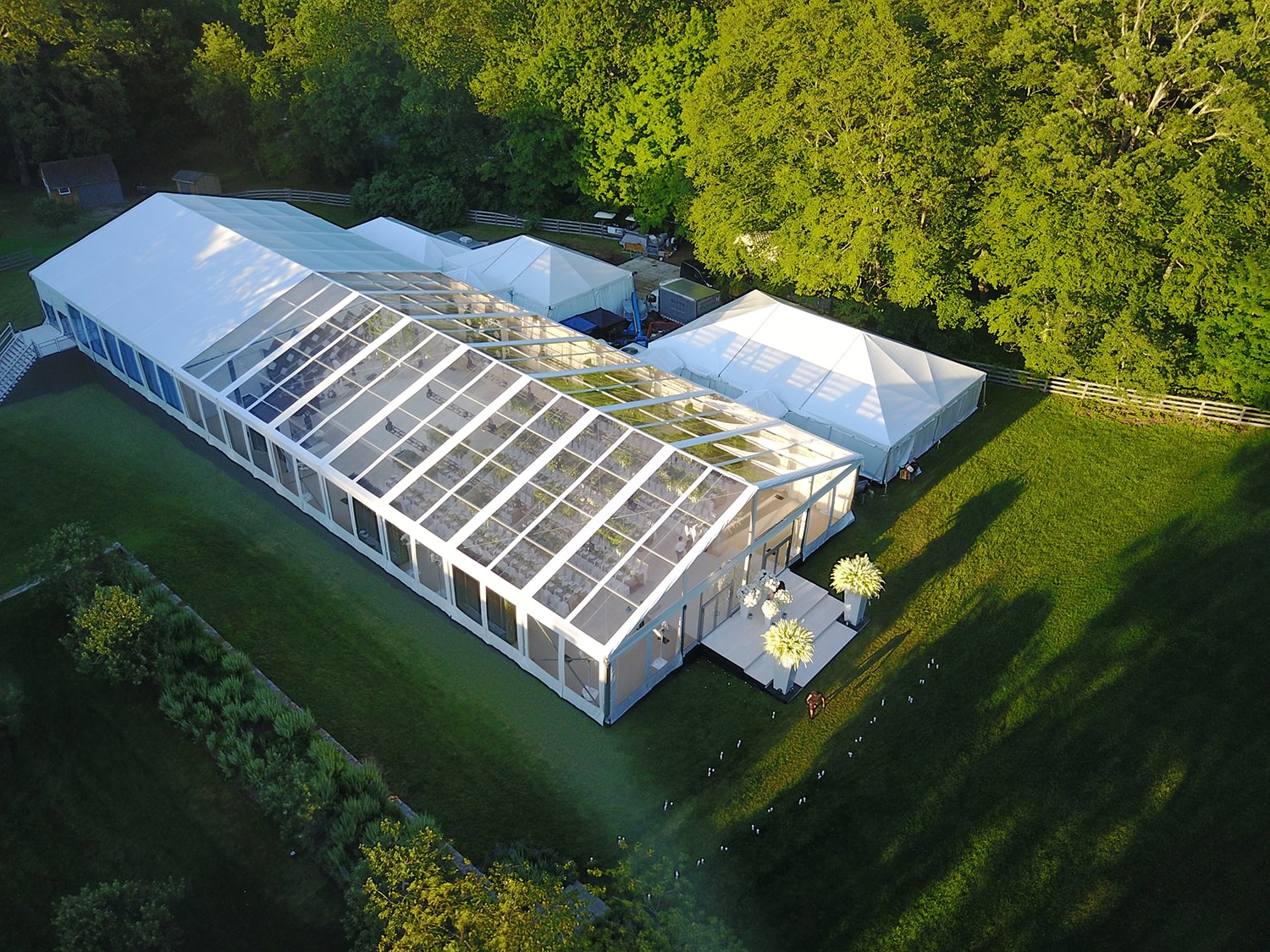
Power is one of the most important yet often overlooked components of a successful outdoor event. Whether planning a corporate function, wedding, festival, gala, trade show, or private celebration, reliable electrical infrastructure supports nearly every aspect of the guest experience. Lighting, climate control, audiovisual systems, catering equipment, charging stations, and entertainment technology all depend on a properly designed power distribution system. Without careful planning, power shortages, overloaded circuits, and equipment failures can disrupt operations and negatively impact the event. Understanding power supply needs for event tents helps organizers create safe, efficient, and reliable environments that support seamless event execution.
Modern event tents often function as fully equipped temporary venues. Today’s structures can accommodate advanced lighting systems, large HVAC units, kitchens, staging areas, and digital technology. As a result, electrical planning has become increasingly sophisticated and requires coordination among tent providers, electricians, AV professionals, HVAC contractors, and event planners. Every event has unique requirements based on guest count, tent size, equipment demands, and venue conditions.
Power Requirements for Different Event Tent Types
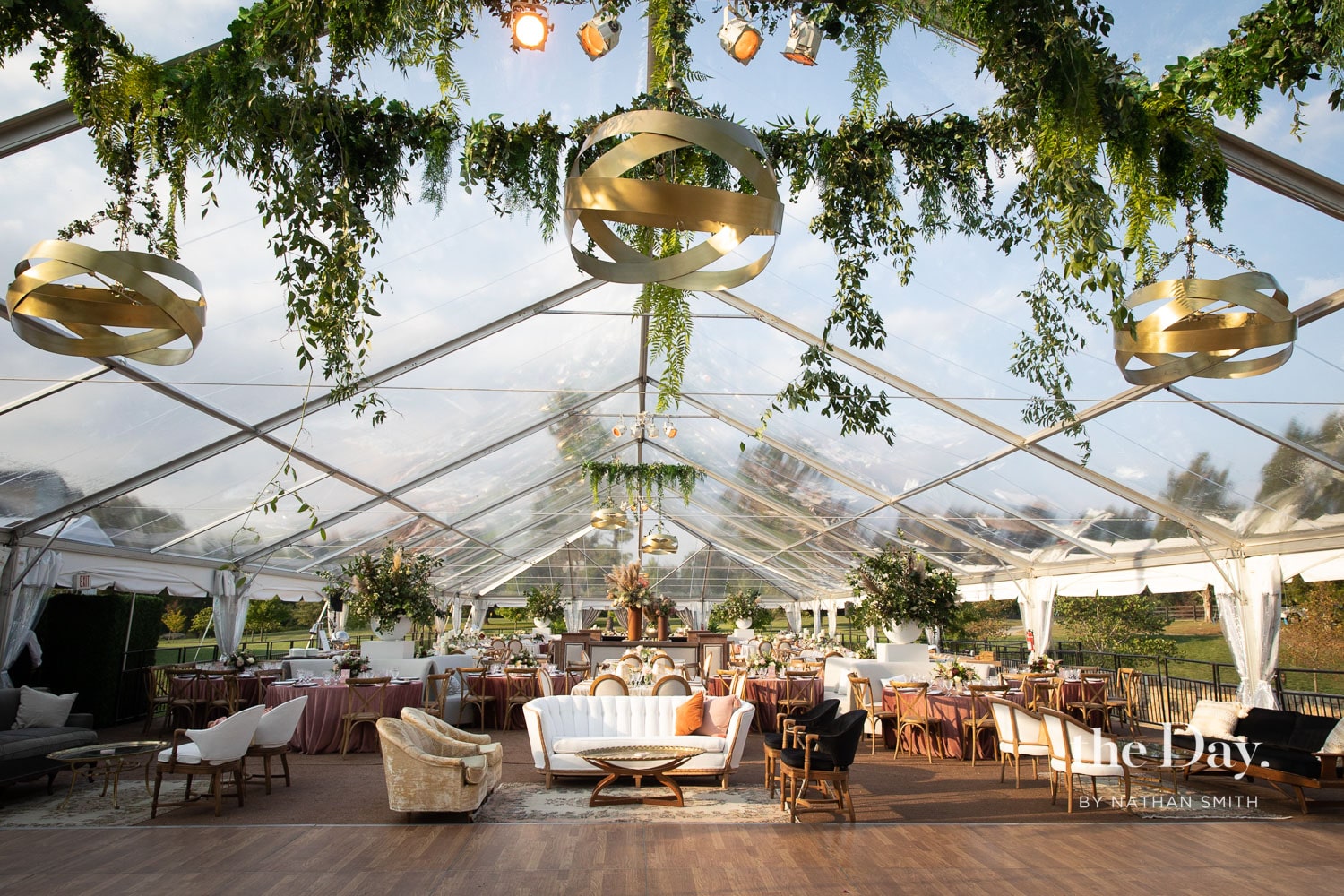
Accurate load calculations form the foundation of every successful event power plan. Understanding how much electricity the event requires helps planners select the appropriate generators, distribution equipment, and safety systems.
Power requirements vary significantly depending on tent size, event activities, and installed equipment. Careful planning ensures sufficient capacity while minimizing unnecessary expenses.
Understanding Power Profiles for Different Tent Structures
Different tent styles create different electrical demands. Clearspan tents often require larger electrical systems because they accommodate more guests and frequently support extensive lighting, climate control, and audiovisual installations.
Frame tents typically have moderate power requirements that scale according to size and equipment. Sailcloth tents may require specialized lighting systems that enhance their visual appeal but can increase electrical demand.
Before determining generator sizes or distribution plans, organizers should evaluate how the tent structure fits the overall venue tent strategy.
Key planning considerations include:
- Tent size and guest capacity
- Lighting and décor requirements
- Climate-control equipment needs
- Entertainment and audiovisual systems
Evaluating these factors early helps create a more accurate power projection and reduces the likelihood of unexpected electrical issues.
How Event Size Influences Electrical Demand
Guest count directly affects power consumption because larger events typically require more lighting, cooling, catering equipment, and entertainment infrastructure.
Corporate conferences, luxury weddings, and large festivals often have significantly different power profiles despite similar attendance numbers. The nature of the activities taking place inside the tent plays an equally important role.
Creating a comprehensive equipment inventory helps planners identify both continuous and intermittent electrical loads. This approach improves budgeting accuracy while ensuring adequate electrical capacity throughout the event.
Lighting Power Requirements for Event Tents
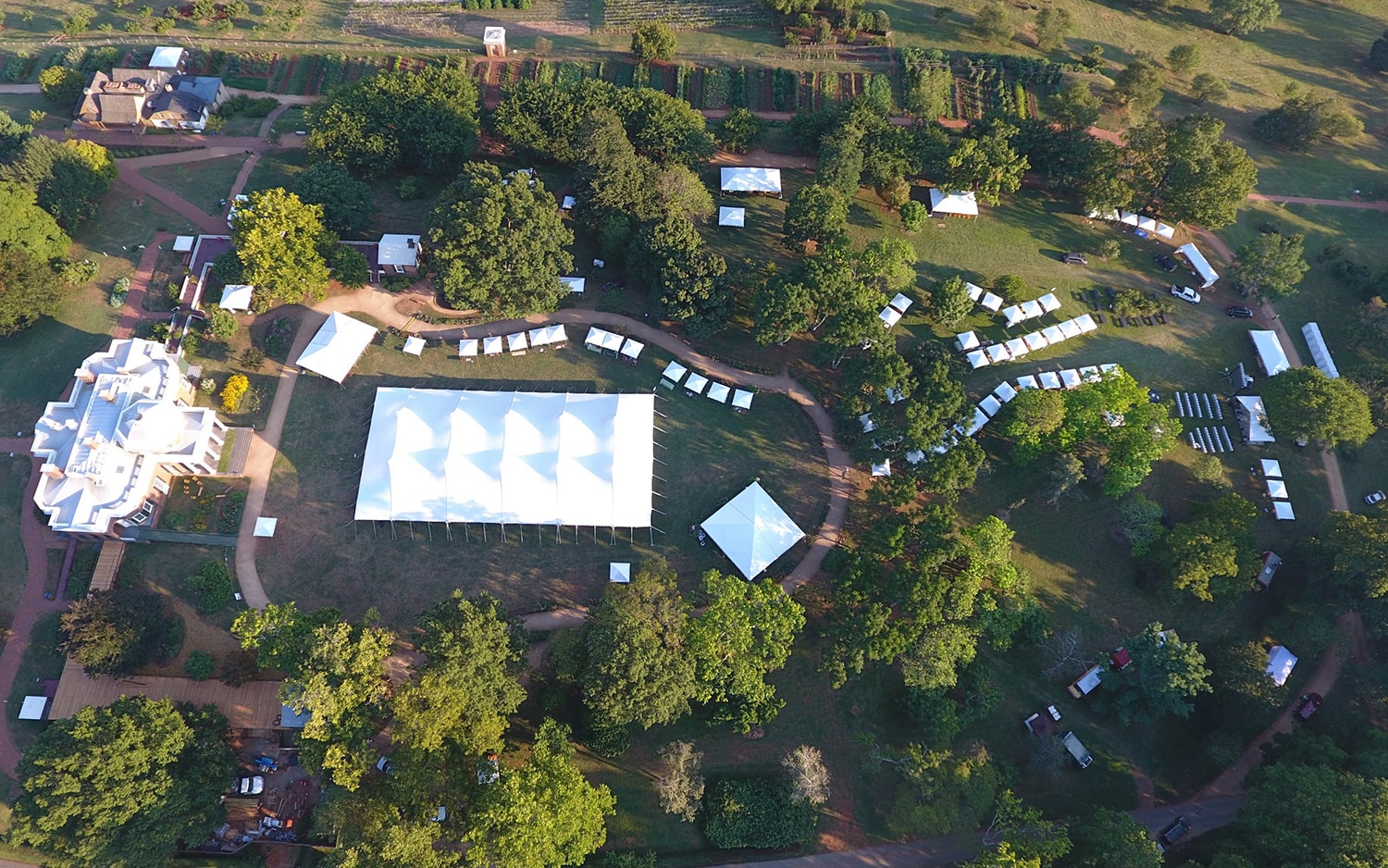
Lighting is often one of the most visible and impactful elements of an event. It shapes the atmosphere, improves visibility, and highlights architectural features within the venue.
Because lighting systems can represent a significant portion of the total electrical load, careful planning is essential for both performance and efficiency.
Choosing Energy-Efficient Lighting Solutions
Modern event lighting technology has evolved considerably, with LED fixtures becoming the preferred choice for many outdoor events. LED systems consume significantly less electricity than traditional lighting while delivering excellent brightness and color quality.
Beyond energy savings, LED fixtures generate less heat, reducing the overall burden on climate control systems. This creates additional operational benefits during warm-weather events.
Well-designed lighting systems should balance aesthetics, functionality, and efficiency to create visually impressive environments without excessive power consumption.
Integrating Lighting Into the Power Distribution Plan
Lighting systems should never be planned independently of the broader electrical infrastructure. Coordinating lighting requirements with the overall distribution strategy ensures balanced loads and reliable operation.
Proper integration begins by identifying the primary functional areas within the venue. Dining spaces, stages, lounge areas, entrances, and pathways may each require dedicated lighting circuits.
Before installation begins, planners should carefully evaluate the electrical needs of each zone.
Important lighting-planning considerations include:
- Dedicated circuits for decorative fixtures
- Balanced distribution of lighting loads
- Proper cable routing and management
- Emergency and safety lighting requirements
A coordinated approach helps reduce overload risks while supporting a more professional installation.
Planning Climate-Control Power Requirements for Event Tents
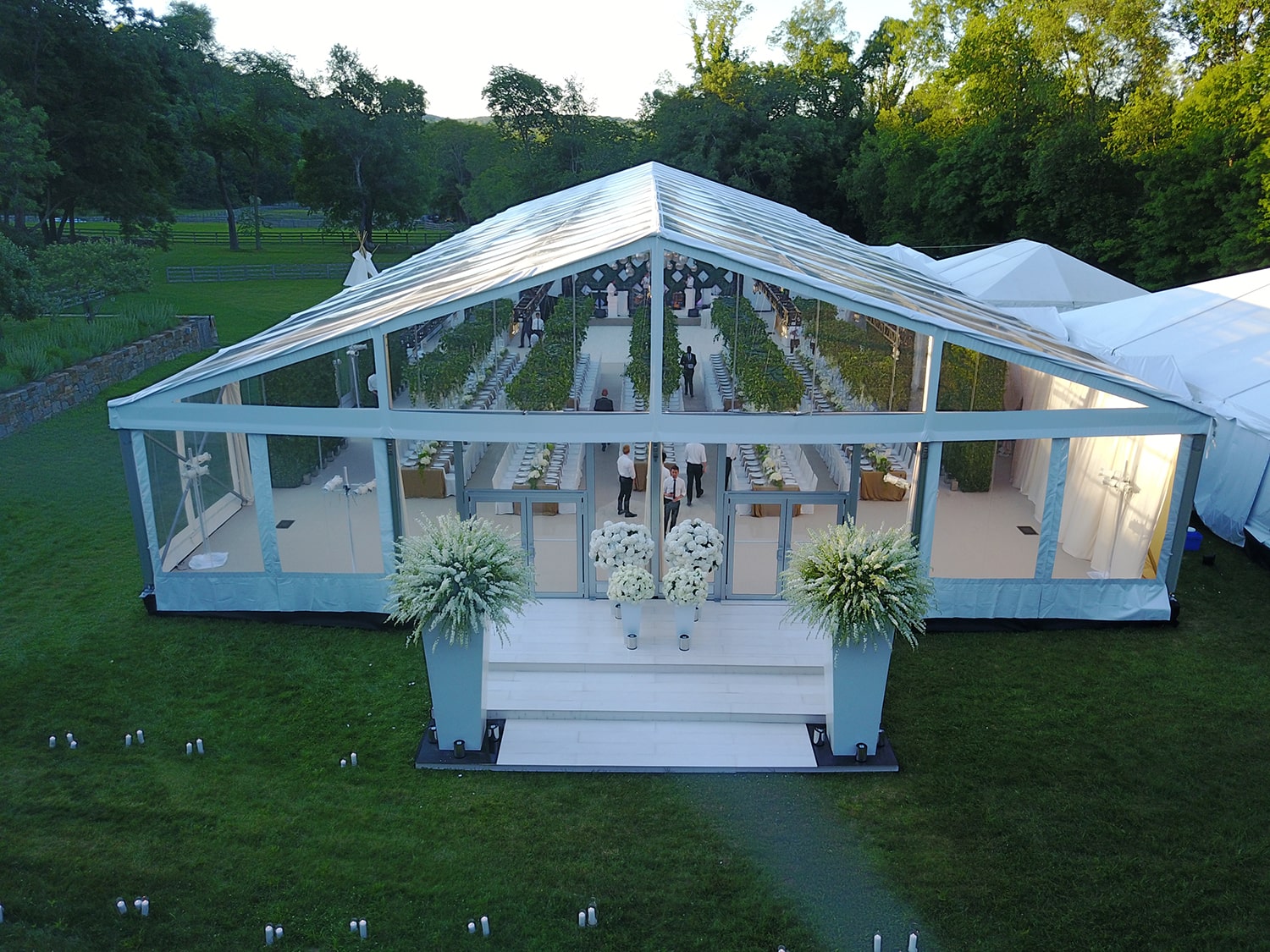
Climate control is one of the largest contributors to event power consumption. Maintaining comfortable temperatures requires substantial electrical capacity, particularly during summer or winter events.
Understanding HVAC power needs helps planners avoid system failures and maintain a comfortable guest environment. Read more in Selecting the Ideal Event Tent Vendor for Your Needs.
HVAC Systems and Tent Power Consumption
Air-conditioning units, heaters, ventilation systems, and dehumidifiers all require significant electrical resources. Larger tents generally demand more powerful HVAC equipment because of their increased volume and occupancy levels.
Clearspan tents often require more robust climate-control systems than smaller structures because they accommodate larger crowds and greater amounts of heat-generating equipment.
Before selecting HVAC equipment, planners should evaluate occupancy levels, weather forecasts, tent dimensions, and insulation characteristics. For more detail, see our article Evaluate Site Logistics for a Flawless Outdoor Event Setup.
Accurate sizing helps ensure consistent comfort while avoiding unnecessary energy consumption.
Integrating HVAC Into Overall Power Planning
Climate-control equipment should be incorporated into the electrical design from the earliest planning stages. Waiting until later in the process often leads to distribution challenges and capacity limitations.
Coordinating HVAC requirements with lighting, audiovisual equipment, and catering operations helps create a balanced electrical system that performs reliably throughout the event.
Factors that affect HVAC power planning include:
- Tent volume and occupancy
- Seasonal weather conditions
- Lighting-generated heat loads
- Equipment startup requirements
Accounting for these variables improves reliability and reduces the likelihood of power interruptions during critical event periods.
Electrical Safety and Flooring Considerations
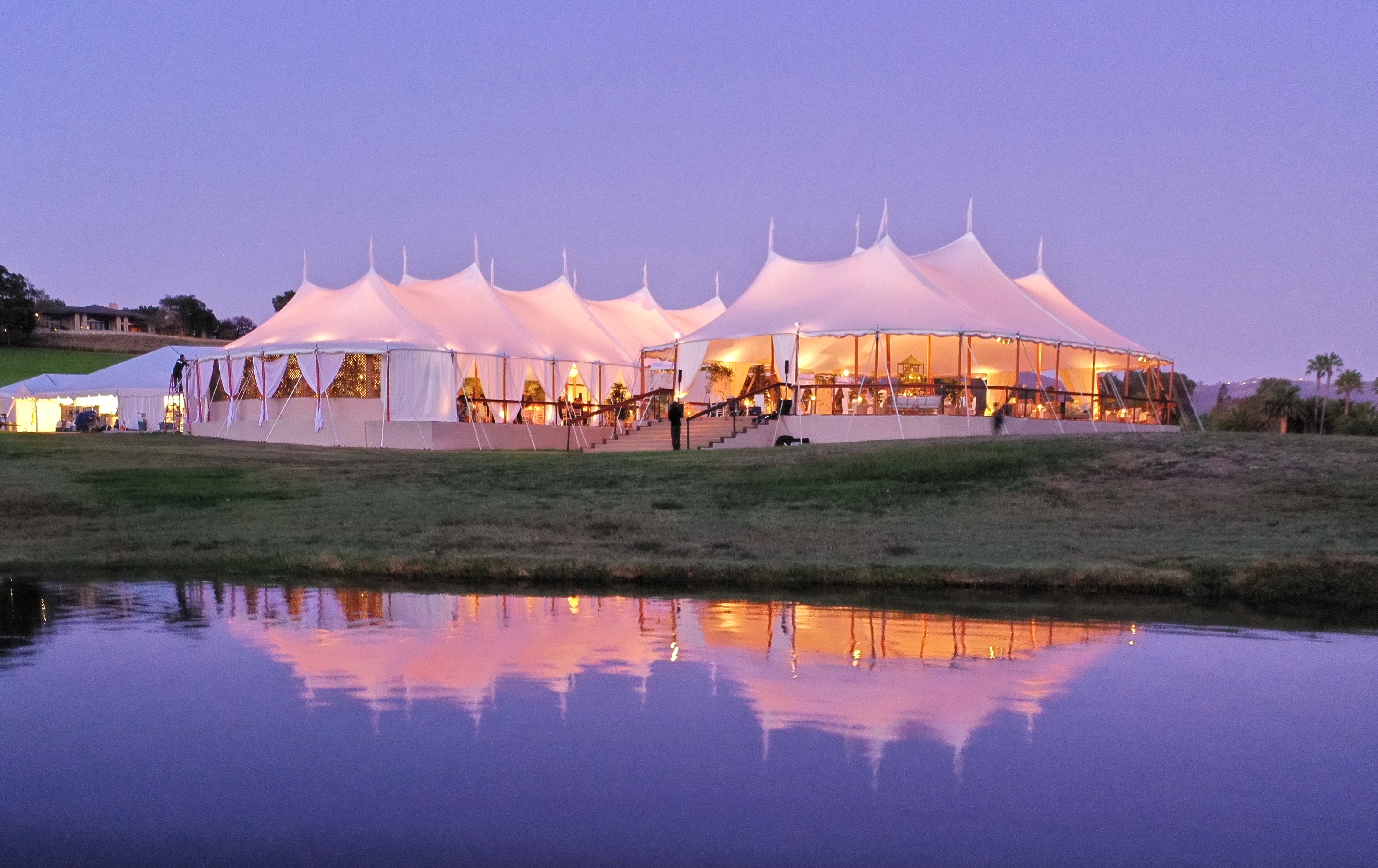
Safety is one of the most important aspects of event power planning. Outdoor environments introduce unique challenges that require specialized installation techniques and careful oversight.
Proper flooring and cable management systems help protect both guests and equipment.
Safe Cable Routing and Floor Protection
Event flooring systems influence how electrical infrastructure is installed and protected. Different surfaces require different cable-routing strategies to maintain safety and compliance.
Wood flooring, temporary platforms, grass, and concrete surfaces all present unique installation considerations. Protecting cables from physical damage and moisture exposure is essential.
Before installation begins, planners should evaluate how the flooring system will interact with electrical distribution components.
Critical safety measures include:
- Using cable ramps in pedestrian areas
- Protecting exposed connections from moisture
- Securing cables to prevent movement
- Installing ground-fault protection where required
These practices reduce trip hazards and help maintain reliable system performance.
Compliance With Electrical Safety Standards
Outdoor events must comply with applicable electrical codes and safety regulations. Compliance helps reduce risk while protecting event organizers, vendors, and attendees.
Working with licensed electricians and qualified contractors ensures that installations meet local requirements and industry best practices.
Regular inspections should be conducted before and during the event to identify potential issues and maintain ongoing safety throughout operations.
Designing Efficient Power Distribution Systems
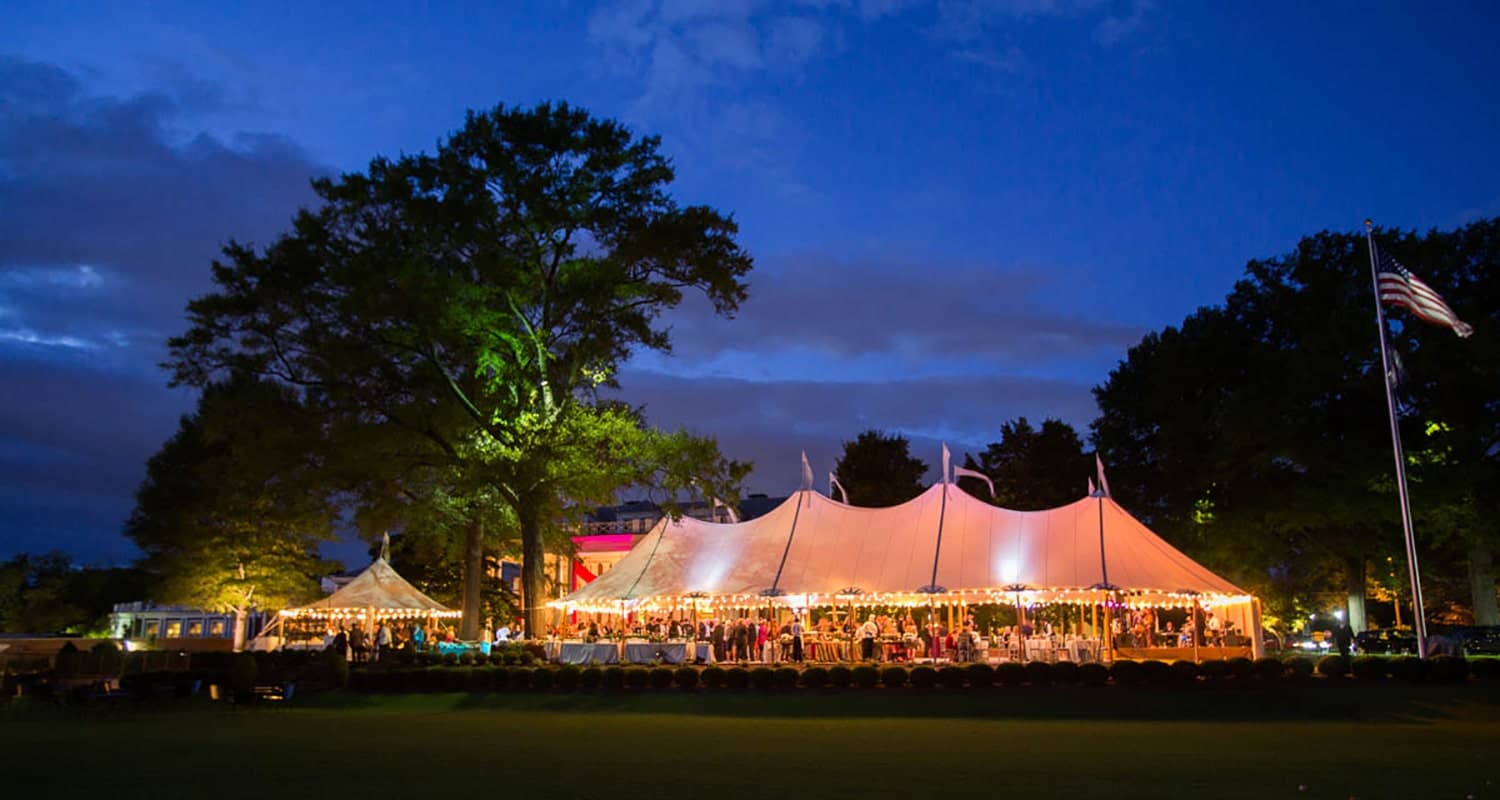
A well-designed power distribution network ensures that electricity reaches every area of the event safely and efficiently. Strategic planning improves reliability while simplifying installation and maintenance.
Distribution planning should be approached as a critical component of overall event logistics.
Generator Placement and Cable Management
Generator location significantly affects system efficiency and operational convenience, especially when planning temporary event power for outdoor venues. Equipment should be positioned to minimize cable lengths while maintaining accessibility for service and refueling.
Long cable runs increase installation complexity and can introduce voltage-drop concerns. Strategic placement helps reduce these challenges while improving system performance.
Proper cable management also contributes to safety and creates a cleaner, more professional event environment.
Backup Power and Redundancy Planning
Reliable events require contingency planning. Even well-designed electrical systems can experience unexpected issues, making backup power an essential component of risk management.
Power redundancy becomes especially important for mission-critical systems such as lighting, HVAC, and audiovisual equipment.
Before finalizing the power plan, organizers should consider how backup systems will support event continuity.
Effective backup strategies include:
- Secondary generators for critical loads
- Battery backup systems for sensitive equipment
- Documented emergency procedures
- Redundant distribution pathways
These measures help minimize disruptions and maintain operations during unexpected power events.
Sustainable and Energy-Efficient Event Power Solutions
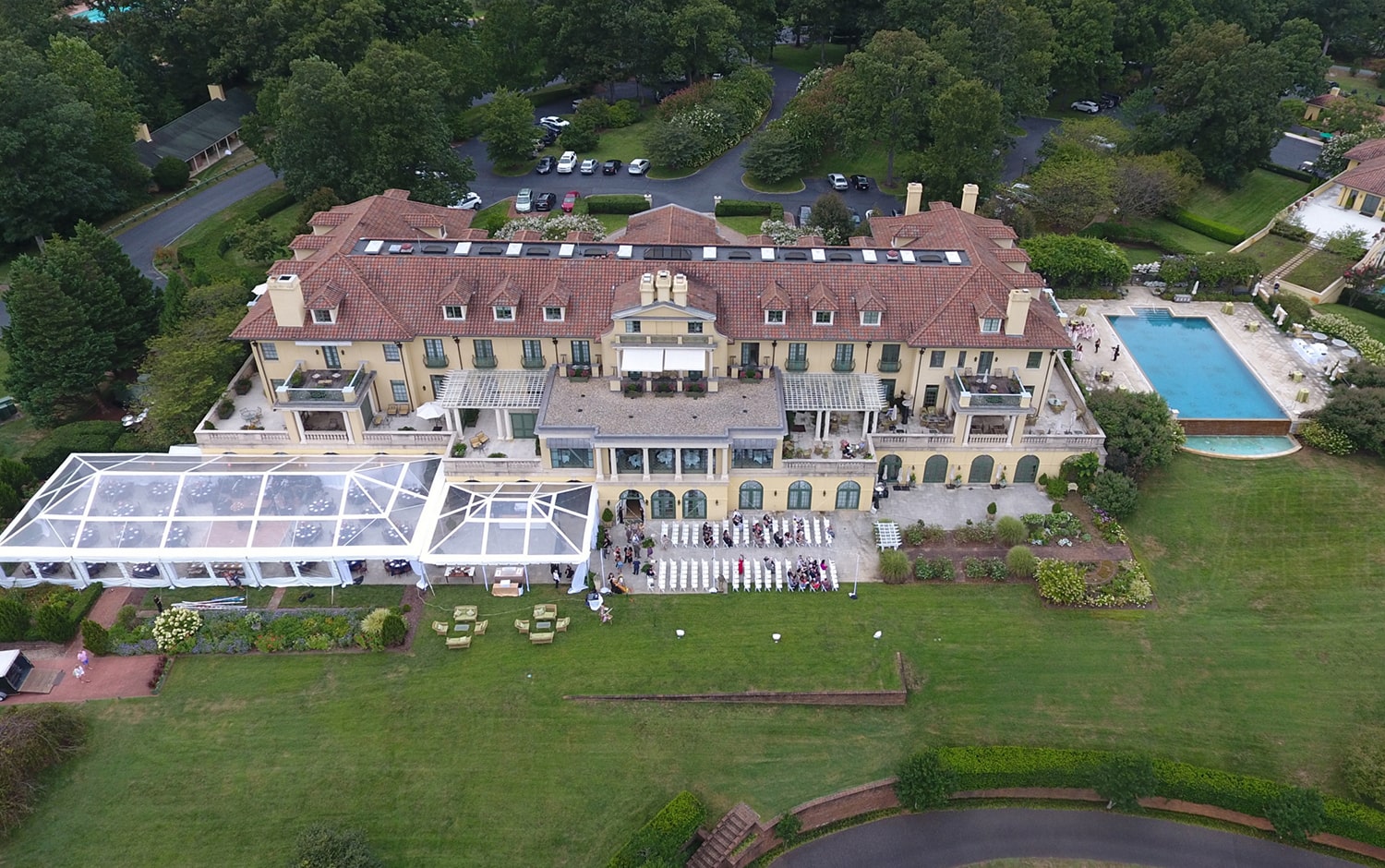
Sustainability has become an increasingly important consideration in event planning. Modern power technologies allow organizers to reduce energy consumption while maintaining high levels of performance.
Environmentally responsible solutions can improve operational efficiency and support sustainability objectives.
Smart Energy Management Technologies
Advanced monitoring and control systems help optimize energy usage throughout an event. Smart climate-control systems, automated lighting controls, and occupancy-based energy management technologies improve efficiency while maintaining guest comfort.
These systems allow planners to reduce consumption in low-demand areas while allocating resources where they are needed most.
As technology continues to evolve, smart energy solutions are becoming increasingly accessible for temporary event installations.
Renewable Energy and Hybrid Power Systems
Renewable energy technologies are gaining popularity within the event industry. Solar-powered generators, battery storage systems, and hybrid energy solutions offer environmentally friendly alternatives to traditional power generation.
These technologies can reduce fuel consumption, lower emissions, and support sustainability initiatives alongside dependable remote power systems for challenging event locations.
For environmentally conscious organizations, renewable power solutions provide an opportunity to align event operations with broader sustainability goals.
Frequently Asked Questions
How do I calculate power requirements for an event tent?
Create a complete equipment inventory, determine wattage requirements for each item, and calculate both continuous and peak electrical loads.
What type of generator is best for event tents?
The best generator depends on the total electrical demand, event duration, and equipment requirements. Professional load calculations help determine the appropriate size.
Why is climate control one of the largest power consumers?
HVAC systems require significant electrical capacity to regulate temperature, humidity, and airflow, especially in large event tents.
Are LED lights better for outdoor events?
Yes. LED fixtures consume less power, generate less heat, and provide excellent illumination while supporting sustainability objectives.
Conclusion
Reliable electrical infrastructure is the backbone of every successful outdoor event. From lighting and climate control to audiovisual systems and catering operations, nearly every aspect of the guest experience depends on a properly designed power supply. Understanding power supply needs for event tents allows organizers to create safer, more efficient, and more dependable event environments. You may also find Power Supply Options for Your Event Tent helpful.
Careful planning begins with accurate load calculations and continues through generator selection, distribution design, safety compliance, and contingency planning. By integrating these components into a comprehensive strategy, event planners can reduce risk while improving operational performance.
Skyline Tent Company understands the critical role that power planning plays in successful outdoor events. Their expertise in tent infrastructure, climate-control integration, power distribution planning, and event logistics helps clients create reliable and comfortable event environments that support exceptional guest experiences. Answers to common rental questions are in our tent rental FAQs.
When you are ready to plan your tent, request a quote from the Skyline team.