
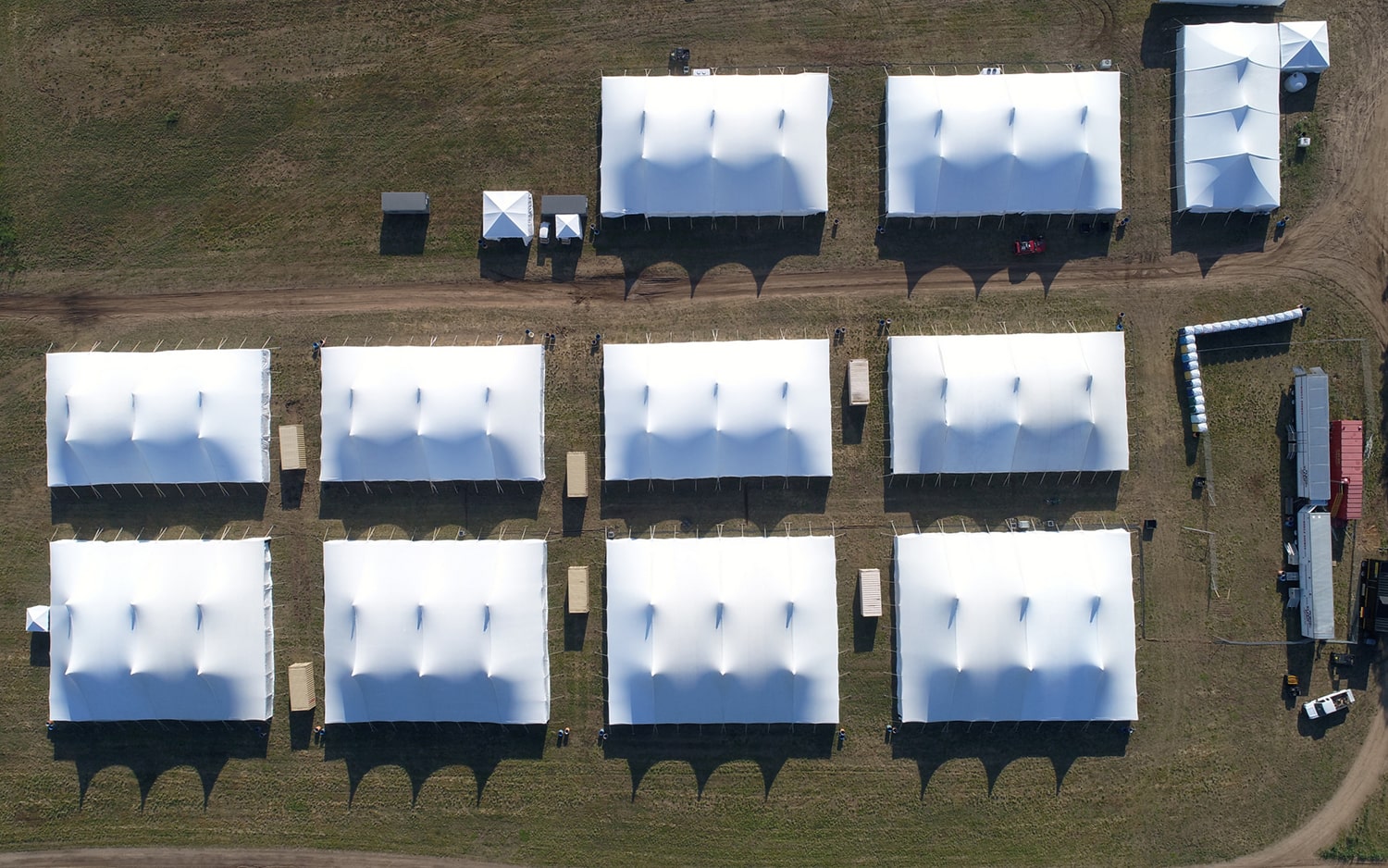
Choosing the right event tent setup is one of the most important decisions in outdoor event planning, especially when organizing summer corporate tent rentals that require both functionality and visual impact. The tent does far more than provide shelter. It influences guest comfort, traffic flow, atmosphere, staging capabilities, lighting integration, and overall event functionality. Whether planning a wedding, corporate event, gala, or private celebration, selecting the correct tent structure directly affects the success of the experience.
Different tent styles serve different operational and visual purposes. Some are designed for maximum flexibility and scale, while others prioritize elegance, quick installation, or compatibility with complex venues. Understanding how clearspan tents, frame tents, and luxury structures perform in real-world event environments helps planners make informed decisions based on layout requirements, site conditions, and guest expectations.
Beyond aesthetics, event tent planning also involves logistics, environmental preparation, safety compliance, and infrastructure coordination. A well-planned tent environment creates a seamless experience where every element supports the event’s purpose while maintaining comfort and visual consistency.
Choosing the Right Tent Structure: Clearspan, Frame, and Luxury Tents
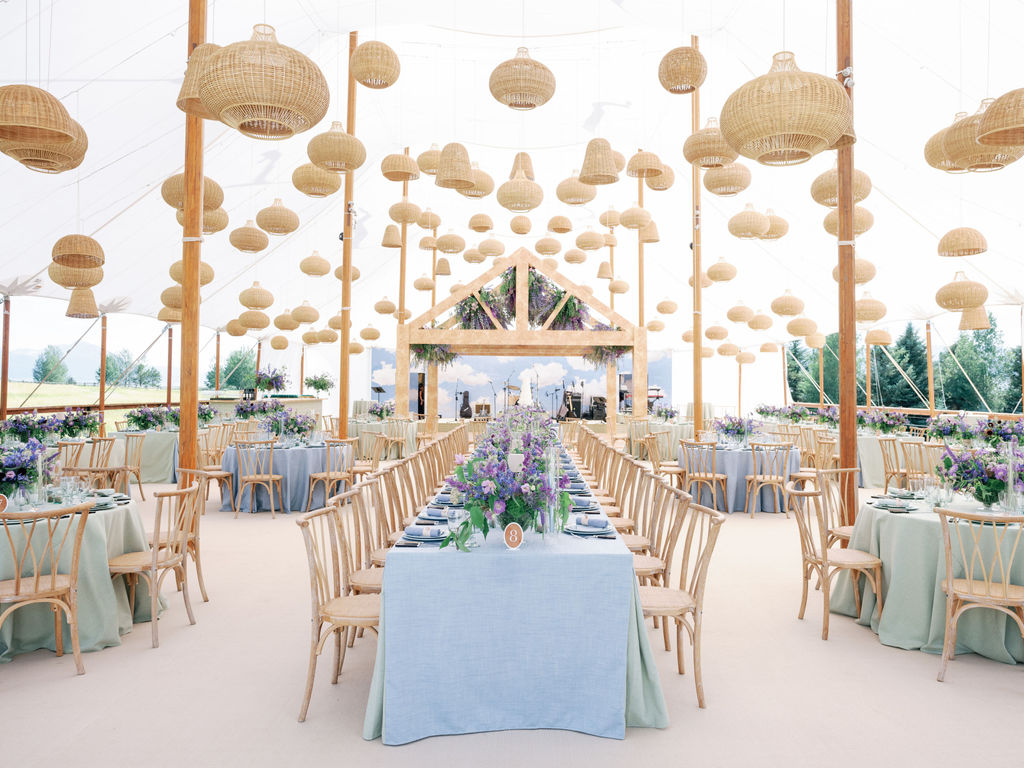
Every tent type offers unique structural and operational advantages. Selecting the right option begins with understanding how different tent systems perform under varying event conditions.
The size of the event, expected guest count, weather exposure, and venue layout all influence which tent style will provide the best balance between functionality and design.
Advantages of Clearspan Tents for Large Outdoor Events
Clearspan tents are one of the most versatile solutions for weddings, corporate functions, and upscale outdoor gatherings. Their engineered design eliminates internal support poles, creating open interiors that maximize usable floor space.
This open structure improves:
- Guest circulation and seating flexibility
- Visibility for presentations and entertainment
- Integration of staging, lighting, and suspended décor
Because clearspan tents support large unobstructed layouts, they are ideal for events requiring modular seating arrangements, production equipment, or multiple activity zones within a single structure.
Their strong framing systems also allow climate-control integration, making them suitable for year-round use across changing weather conditions.
Frame and Luxury Tents: Supporting Different Event Styles
Frame tents provide a practical and flexible solution for smaller or irregular spaces where installation limitations exist. Their modular components allow installers to adapt layouts around patios, landscaping, or restricted-access venues.
Luxury tents, on the other hand, focus heavily on aesthetics and guest experience. These structures often combine premium fabrics, advanced lighting systems, upgraded flooring, and refined interior finishes to create immersive environments.
Luxury tent installations typically include:
- Coordinated lighting and décor systems
- High-end flooring and lounge layouts
- Integrated climate-control solutions
These tents are commonly used for executive retreats, upscale weddings, and branded corporate experiences where visual presentation is a major priority.
Aligning Tent Types with Event Requirements and Guest Experience
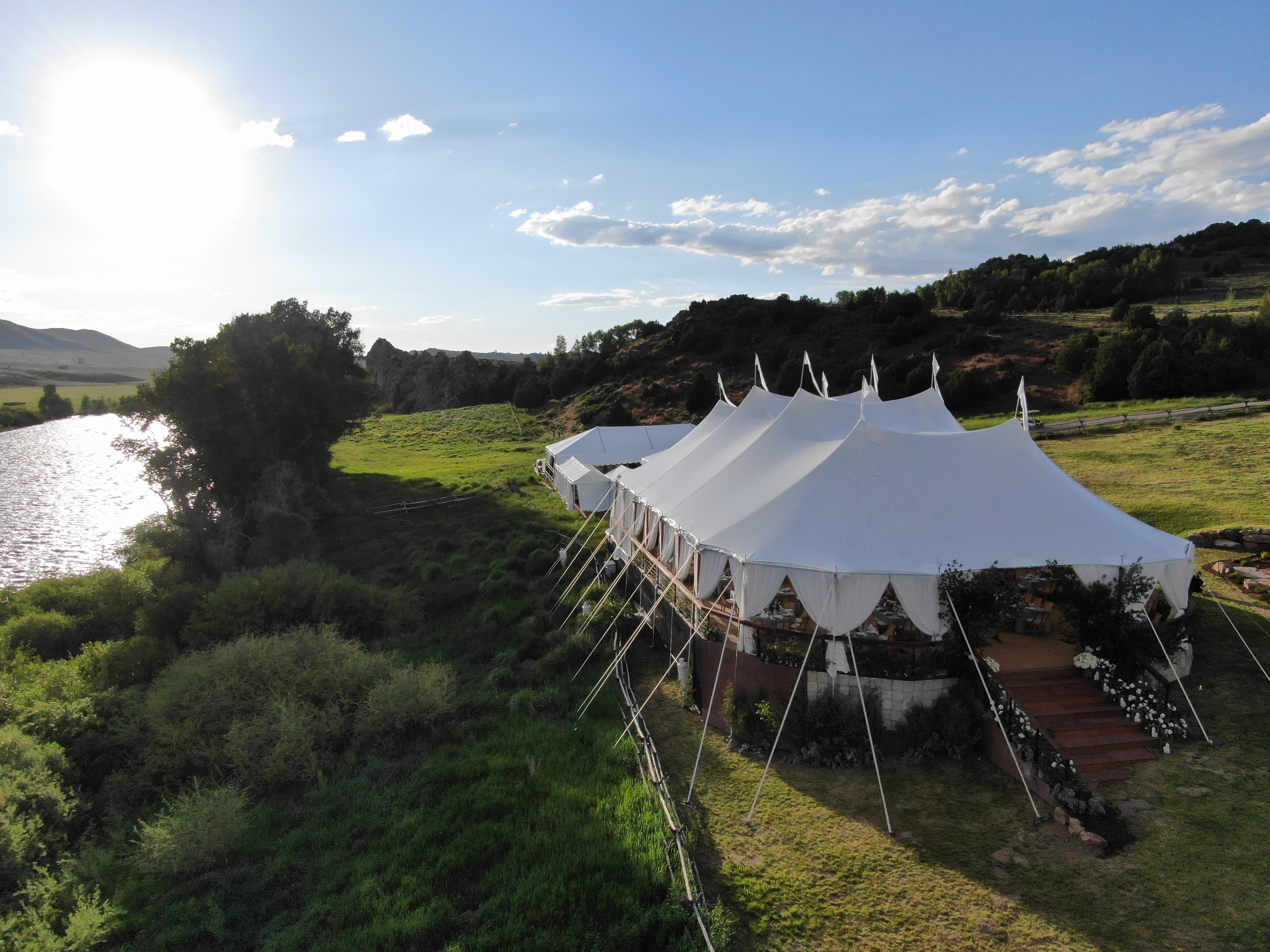
The most successful tent installations are those that align directly with the event’s operational goals. A tent should support the intended atmosphere while also accommodating guest movement, entertainment, catering, and technical requirements.
Careful planning ensures the environment feels organized, comfortable, and visually cohesive throughout the event.
Choosing Tents Based on Event Format and Functionality
Different events require different structural priorities. Weddings often prioritize elegance and spacious dining layouts, while corporate events may focus on branding, staging, and networking flow.
When evaluating tent suitability, consider:
- Seating configurations and guest capacity
- Entertainment or presentation requirements
- Catering, service, and vendor operations
For example, a formal gala may benefit from a luxury clearspan setup with suspended lighting, while a smaller networking reception may function more effectively inside a flexible frame tent layout.
Creating a clear list of essential operational needs helps simplify vendor discussions and tent comparisons. You may also find Essential Tips for Party Tent Setup in Charlottesville helpful.
Enhancing Guest Comfort and Event Flow Through Tent Design
Guest experience depends heavily on how the internal space is organized. Poor layouts create congestion, blocked sightlines, and inefficient service movement.
A successful tent setup should prioritize: You may also find Discover Tent Setup Secrets for Upscale Events with Ease helpful.
- Clear circulation paths between activity areas
- Comfortable spacing between tables and lounges
- Unobstructed views for presentations or performances
Entrance placement also affects traffic flow. Well-positioned vestibules and entryways reduce bottlenecks and create smoother transitions into the event environment.
When circulation, seating, and operational zones are balanced properly, the entire event feels more polished and professionally managed.
Environmental and Site Logistics Considerations for Tent Installations
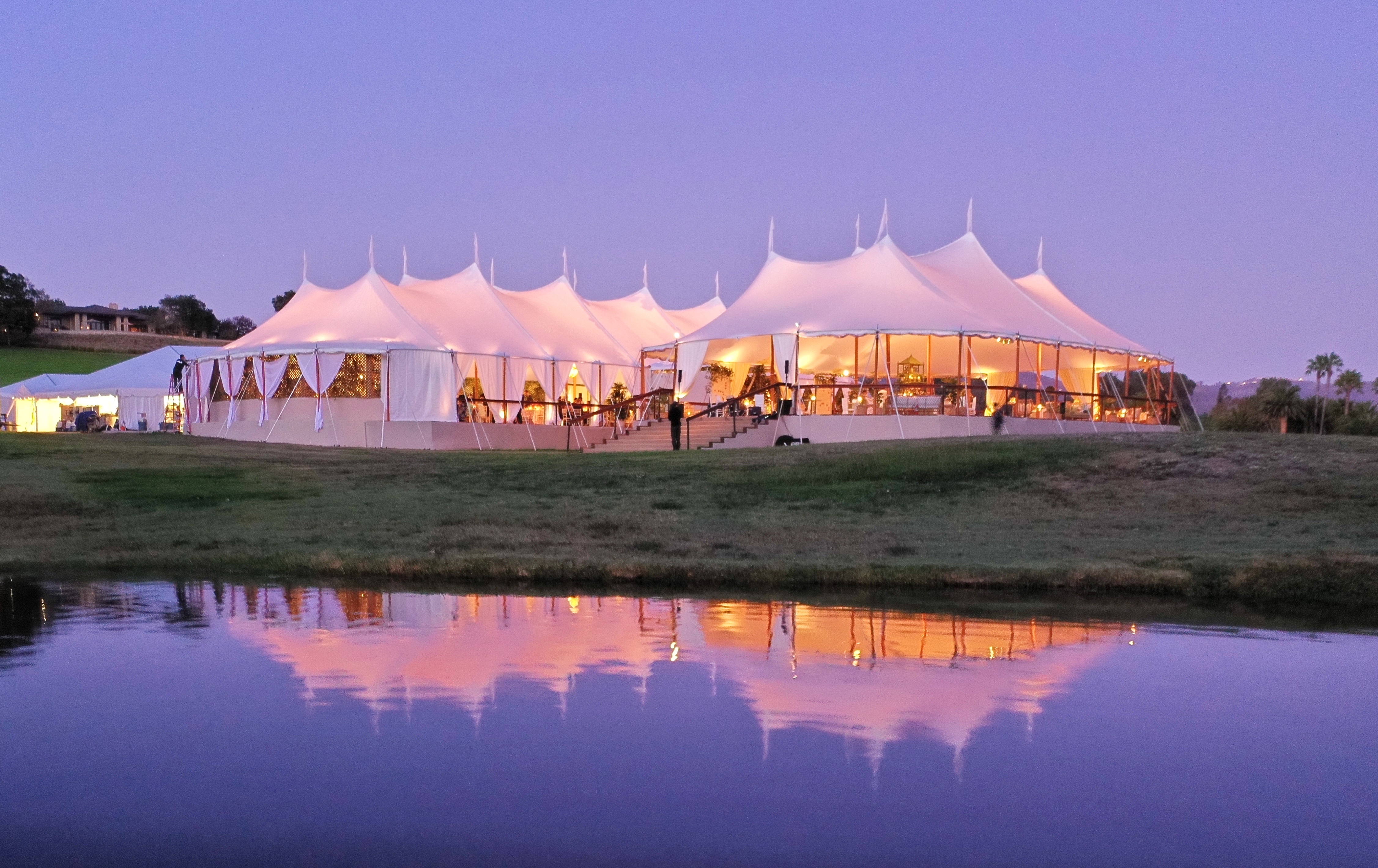
Outdoor events are heavily influenced by environmental conditions and site logistics. Weather exposure, terrain quality, accessibility, and local regulations all affect tent selection and installation planning.
Ignoring these factors often leads to operational delays, safety risks, or costly last-minute adjustments.
Evaluating Site Conditions and Preparing for Installation
Every successful installation begins with a thorough site assessment. Event planners should evaluate the venue early to identify structural, environmental, and logistical challenges.
Important site-planning considerations include:
- Ground stability and drainage conditions
- Vehicle access for installation equipment
- Power and utility availability for vendors
Uneven terrain may require additional flooring systems or stabilization measures. Venues with limited access may also affect installation timelines and equipment choices.
Environmental exposure is another critical factor. Wind direction, sun orientation, nearby trees, and water sources all influence comfort and tent performance during the event.
Permits, Safety Planning, and Vendor Coordination for Tent Events
Large tent installations often require permits, inspections, and coordination with local authorities. These processes should begin well before the installation date to avoid delays. You may also find Choose The Right Location For A Wedding Tent Installation helpful.
Proper logistics planning should include:
- Designated emergency exits and service corridors
- Clear vendor load-in and staging areas
- Fire safety and crowd-management procedures
Site maps help vendors understand where equipment, storage, catering, and technical infrastructure will be located. Clear communication between planners and vendors reduces confusion during setup and breakdown operations. You may also find Local vs. National Tent Vendors: Making the Right Choice helpful.
Coordinated timelines are especially important when multiple trades are working simultaneously inside the same structure.
Incorporating Luxury Design Features Into Event Tent Setups
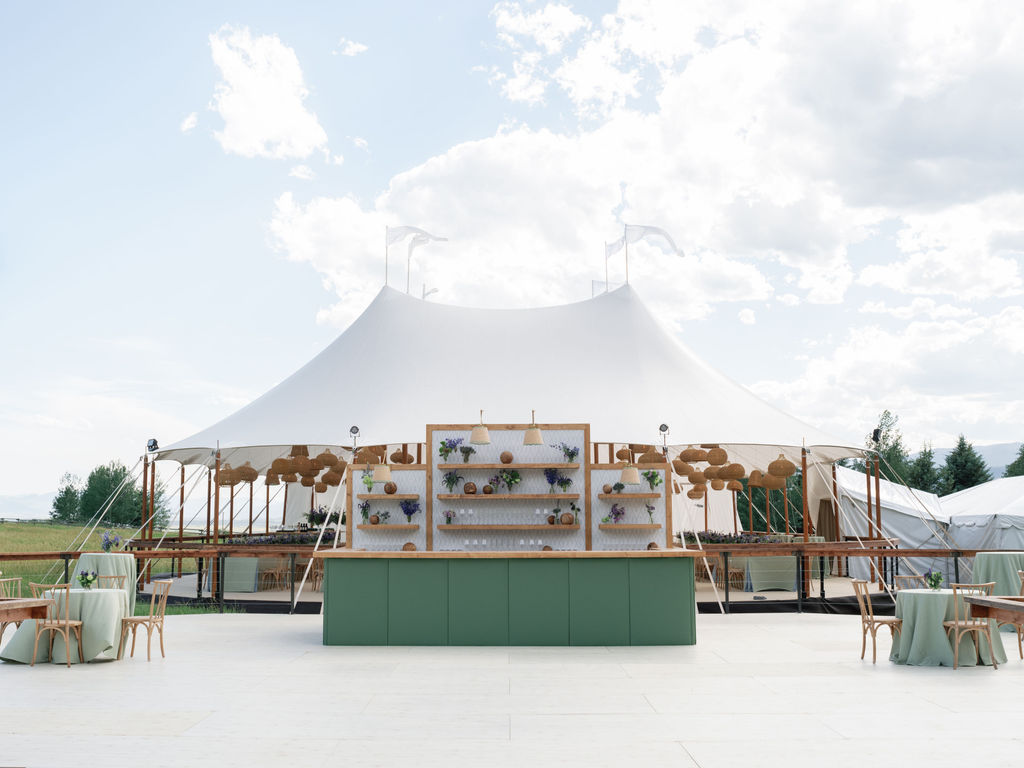
Luxury event tents combine architecture, interior design, lighting, and operational planning to create immersive guest experiences while reflecting current tent interior design trends. These structures function as complete event environments rather than temporary shelters.
Design consistency plays a major role in how guests perceive the overall quality of the event.
Flooring, Lighting, and Premium Interior Finishes in Luxury Tents
Flooring systems significantly influence comfort, acoustics, and visual presentation. Premium flooring creates a stable surface while helping define different activity zones inside the venue.
High-end tent interiors often incorporate:
- Wood-look flooring or premium carpeting
- Chandeliers and layered lighting systems
- Drapery, lounge furniture, and custom décor
Lighting is especially important because it shapes the atmosphere throughout different stages of the event, which is why many planners incorporate creative event lighting ideas to enhance the guest experience. Ambient lighting creates warmth, while accent lighting highlights focal points such as stages, floral arrangements, or branded installations.
Layered lighting also improves transitions between dining, entertainment, and networking spaces.
Coordinating Design With Event Themes and Branding
Luxury tents should support the event’s overall identity rather than functioning as isolated structures. Coordinated design elements create a cohesive environment that feels intentional and immersive.
To maintain visual consistency:
- Match lighting temperatures with décor palettes
- Align furniture selections with event tone
- Integrate branding subtly throughout the venue
Mood boards and material samples often help clients visualize how fabrics, textures, and finishes will work together before installation begins.
Design coordination also extends into service areas, ensuring that operational spaces remain visually polished without disrupting guest-facing environments.
Benefits of Professional Tent Planning Services for Event Success
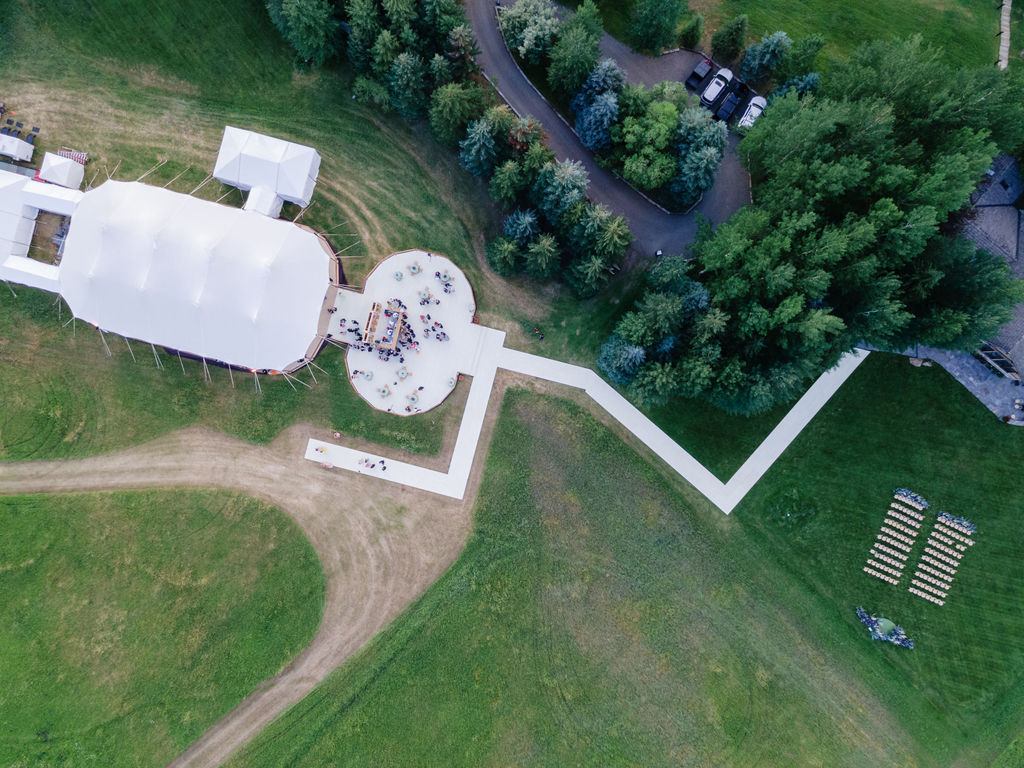
Professional tent providers bring technical expertise, operational experience, and logistical coordination that significantly improve event outcomes. Large tent installations involve complex planning that extends beyond selecting a structure.
Working with experienced professionals helps reduce risk while improving efficiency and guest comfort.
Advantages of Working With Experienced Tent Specialists
Professional tent planners understand how different structures perform under varying environmental and operational conditions. Their experience allows them to anticipate challenges before installation begins.
Professional planning services typically improve:
- Tent sizing and layout efficiency
- Safety compliance and permit coordination
- Infrastructure integration for HVAC and lighting
Many providers also offer CAD-based layouts and on-site supervision to ensure installations remain aligned with the approved design plan.
Experienced suppliers help minimize last-minute changes that often increase costs or compromise functionality.
Requesting Consultations and Comparing Tent Proposals
Before selecting a provider, event planners should request detailed consultations and itemized proposals. Clear documentation makes it easier to compare structures, pricing, and included services. For a tent layout sized to your guest list, request a quote.
Important questions to ask include:
- What equipment and services are included in the quote?
- Who manages permits and inspections?
- How are weather-related contingencies handled?
Requesting visual layouts and sample configurations also helps align expectations between clients, planners, and vendors.
Well-documented planning reduces misunderstandings and creates a smoother installation process from setup through event completion.
Frequently Asked Questions
What is the best tent type for large outdoor weddings?
Clearspan and luxury tents are often the best choices for large weddings because they provide open interiors, elegant finishes, and flexibility for staging, dining, and entertainment layouts.
How do I determine the right tent size for my event?
Tent size depends on guest count, seating style, entertainment requirements, and service areas. Events with dance floors, staging, or lounge zones require additional square footage beyond basic seating calculations.
Why are clearspan tents popular for corporate events?
Clearspan tents provide unobstructed interiors that improve sightlines, circulation, and flexibility for presentations, networking, exhibitions, and branding installations.
What environmental factors affect tent selection?
Weather exposure, ground stability, drainage, wind direction, and sun orientation all affect how a tent performs during an event. These conditions influence tent type, anchoring methods, and climate-control planning.
How important is flooring in a tented event setup?
Flooring improves guest comfort, accessibility, and overall presentation. It also stabilizes uneven terrain and supports furniture, staging, and high-traffic areas.
Should I hire a professional tent-planning company?
Yes. Professional providers help manage permits, logistics, layout planning, safety compliance, and infrastructure integration, significantly improving overall event execution.
How early should tent planning begin?
Tent planning should begin as early as possible, especially for weddings or corporate events during peak seasons. Early planning improves availability, customization options, and logistical coordination.
Conclusion
Choosing the right event tent setup requires balancing aesthetics, functionality, guest comfort, and operational efficiency. Clearspan tents, frame tents, and luxury structures each offer distinct advantages depending on the event’s size, environment, and design goals.
Successful tent planning goes beyond selecting a structure. It involves evaluating site conditions, coordinating logistics, integrating infrastructure systems, and creating layouts that support both guest experience and event operations. Working with experienced tent specialists like Skyline Tent Company and carefully aligning structural decisions with event objectives, planners can create outdoor environments that feel refined, organized, and visually impactful. With thoughtful preparation and professional coordination, tented events can deliver seamless experiences that combine comfort, elegance, and operational reliability. Answers to common rental questions are in our tent rental FAQs.