
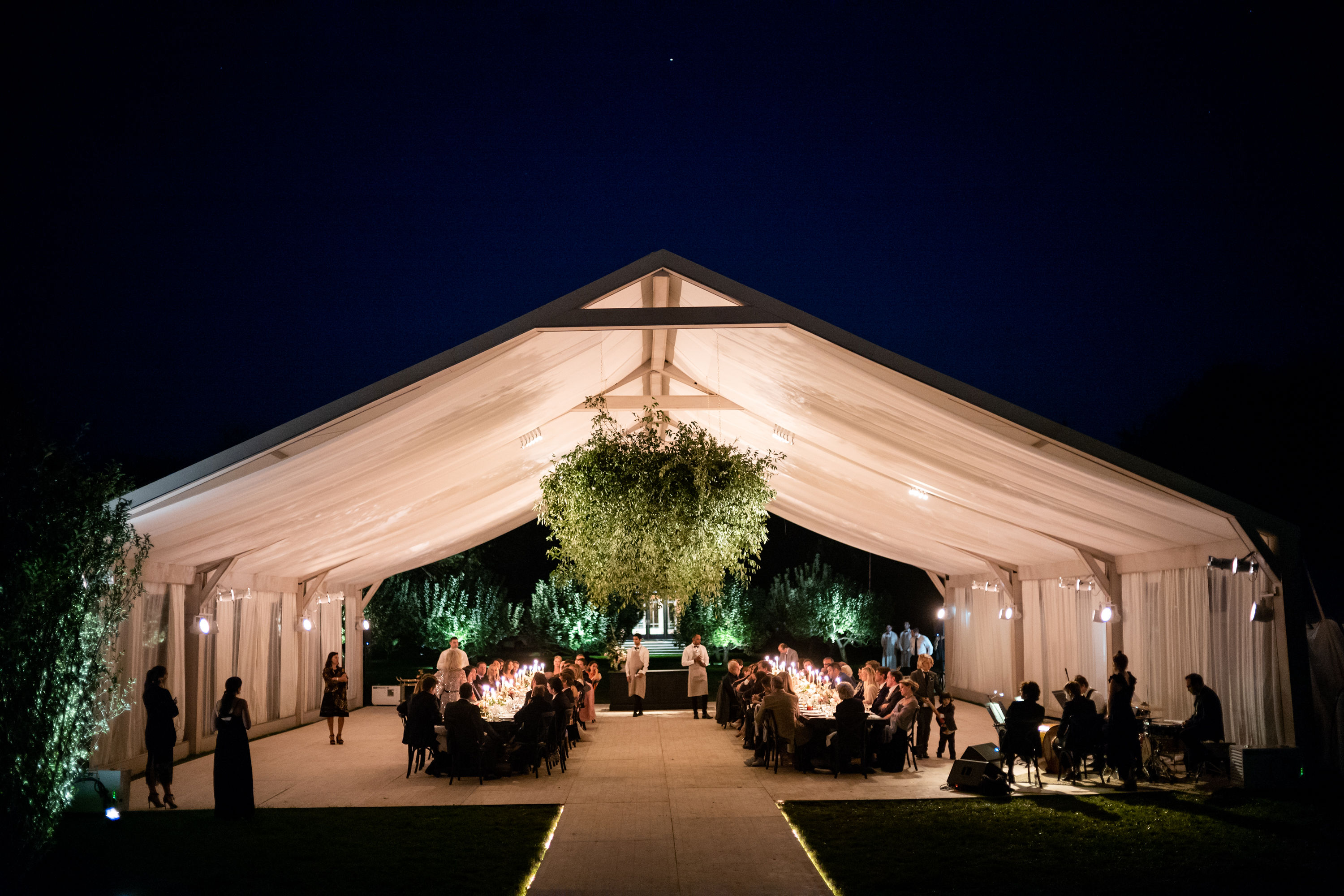
Keeping event tents cool during summer requires more than placing a few fans around the space. Outdoor events are heavily affected by heat buildup, humidity, sunlight exposure, and airflow limitations, all of which can quickly reduce guest comfort if not properly managed. Whether hosting a wedding, corporate function, festival, or private gathering, temperature control plays a major role in the overall event experience.
Summer heat not only affects guests but also impacts catering operations, equipment performance, and event flow. High internal temperatures can create discomfort, reduce engagement, and place additional strain on cooling systems if the tent environment is not designed strategically.
Effective cooling combines ventilation, shading, tent selection, and mechanical climate-control systems, making climate planning a key component of successful summer corporate tent rentals. When these elements are integrated properly, outdoor tents can maintain comfortable conditions even during extreme summer temperatures.
Ventilation Strategies for Cooler Tent Environments
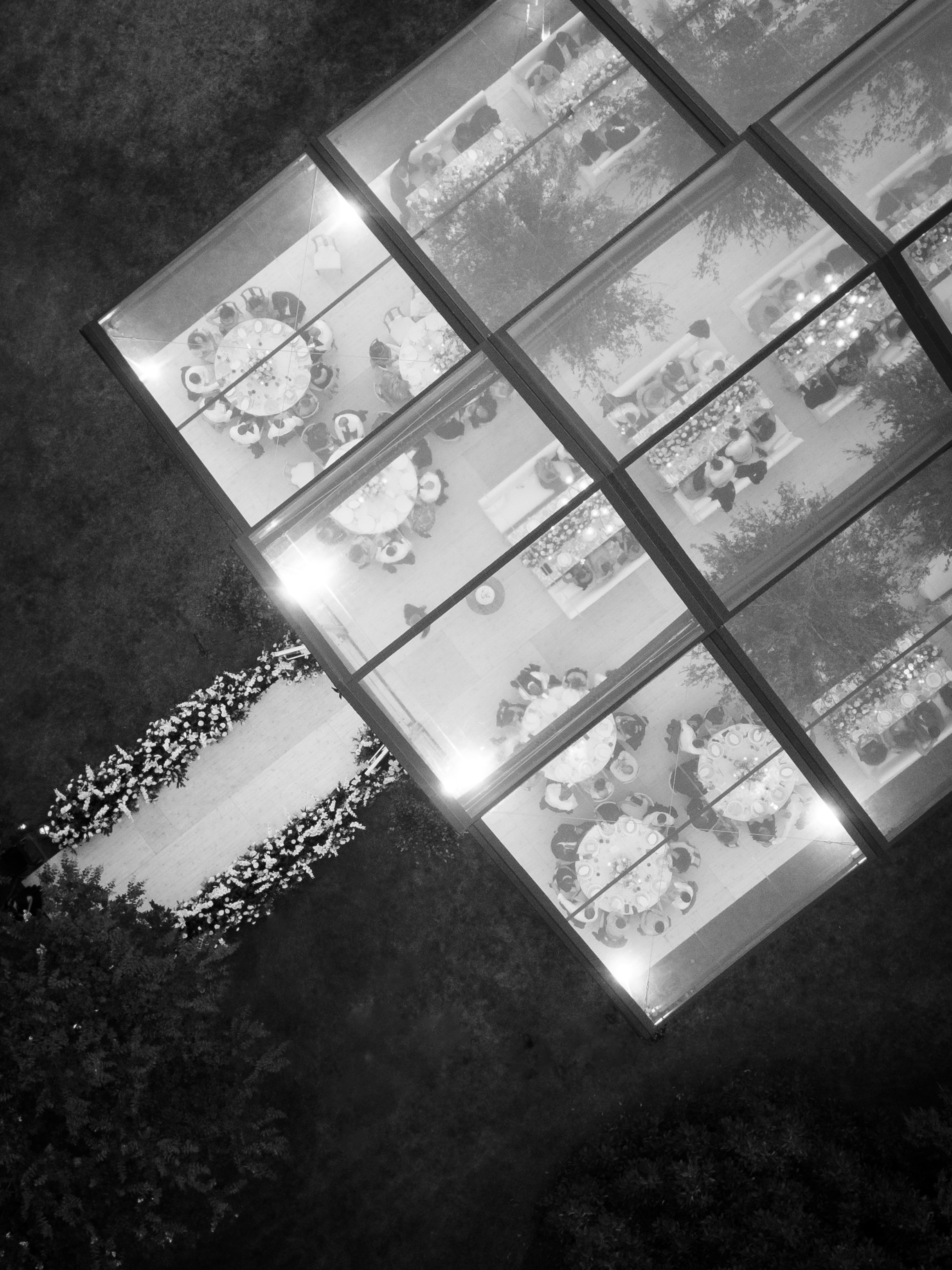
Ventilation is one of the most effective ways to reduce trapped heat inside event tents. Proper airflow allows warm air to escape while bringing cooler air into the structure. Without ventilation, tents can quickly become several degrees hotter than the surrounding outdoor environment.
Natural and mechanical ventilation systems work best when combined with strategic tent orientation and interior layout planning. Together, these measures improve circulation and reduce stagnant hot zones throughout the tent.
Natural Airflow and Tent Openings
Natural ventilation helps maintain cooler conditions without relying entirely on mechanical systems. Open sidewalls and high-peak structures encourage heat to rise and escape while allowing cooler air to circulate through the space.
Well-designed airflow systems improve:
- Guest comfort during peak heat hours
- Air circulation throughout high-occupancy areas
- Cooling efficiency when paired with fans or AC systems
Positioning the tent to align with prevailing winds also enhances passive cooling performance throughout the event.
Fan Placement and Ventilation Design
Fans support airflow by moving cool air evenly across the tent interior. Strategic placement prevents stagnant air pockets and improves perceived comfort levels for guests.
Large circulation fans should be positioned near gathering zones, dining areas, and entrances where airflow demand is highest. Ridge vents and elevated openings also improve heat release by allowing warm air to escape naturally.
When ventilation systems are designed together rather than independently, tents remain noticeably cooler and more comfortable throughout the day.
Mechanical Cooling Systems for Summer Tent Events
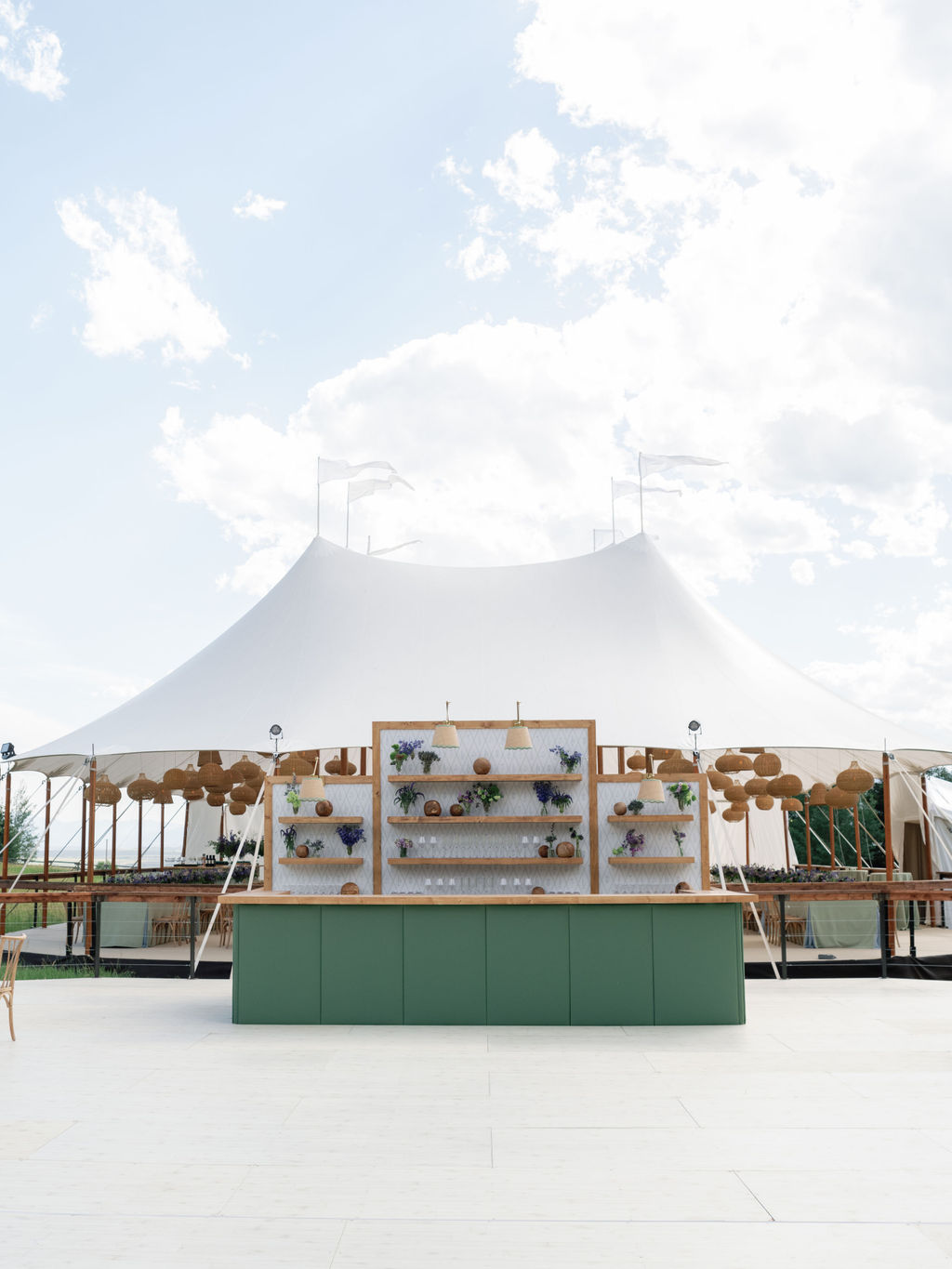
Passive ventilation alone may not be enough during extreme summer conditions or for enclosed tents with high guest counts. Mechanical cooling systems provide controlled temperature management and allow operators to maintain stable conditions regardless of outside temperatures. Read more in Enhance Your Summer Event with Climate Controlled Tents.
Cooling systems should be selected based on tent size, occupancy levels, weather exposure, and event duration.
Portable Air Conditioning and Evaporative Cooling
Portable air conditioning units are commonly used for weddings, corporate events, and enclosed tent environments where precise cooling is required. These systems lower interior temperatures while controlling humidity levels.
Evaporative coolers provide another effective solution, particularly in drier climates. These systems cool the air through water evaporation while consuming less energy than traditional AC systems.
Important cooling considerations include:
- Proper sizing based on occupancy and tent volume
- Efficient duct placement for even air distribution
- Clear airflow pathways that prevent blocked circulation
Correct equipment sizing is essential because undersized systems struggle to maintain comfort while oversized systems waste energy.
Managing Cooling Efficiency During Events
Cooling performance depends on more than equipment alone. Tent layout, occupancy density, and operational planning all influence how efficiently systems perform.
To maintain stable cooling,
- Keep tent entrances controlled during peak heat
- Position cooling systems away from direct sunlight
- Reduce heat-producing equipment where possible
Continuous adjustments throughout the event help maintain consistent comfort as weather conditions and occupancy levels change.
Shading Techniques That Reduce Heat Buildup
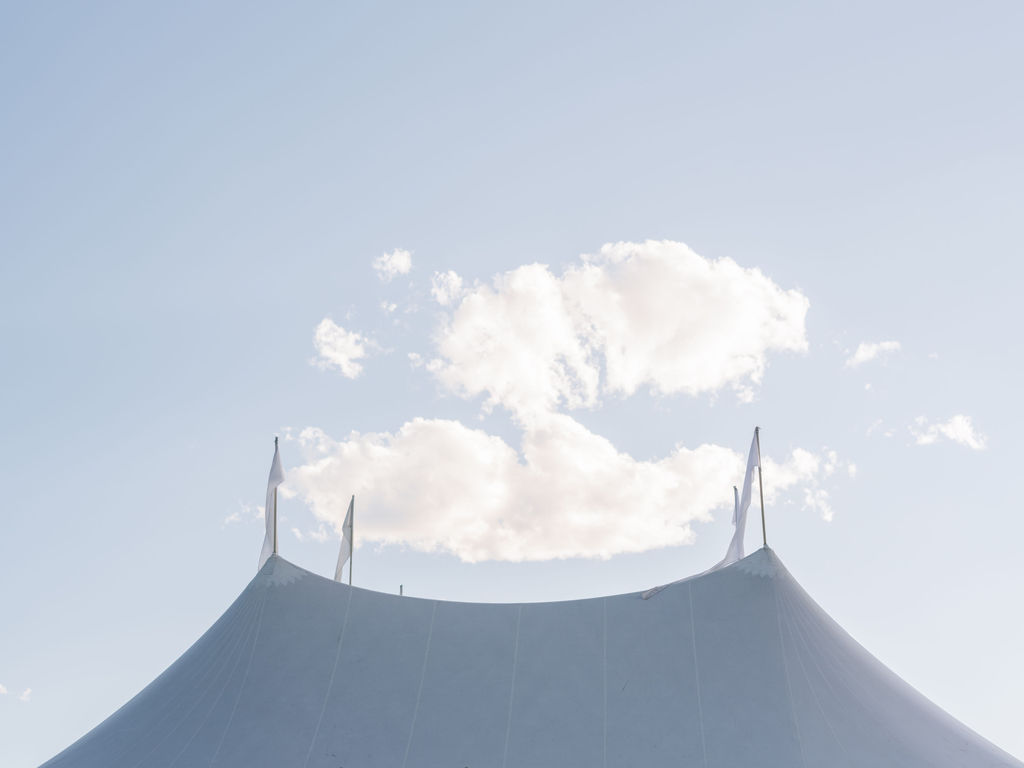
Shading is one of the simplest and most effective ways to lower temperatures inside event tents. Preventing direct solar exposure reduces radiant heat gain and eases the burden on cooling equipment.
When shading strategies are implemented early in the planning process, overall cooling requirements decrease significantly.
Reflective Materials and External Shade Structures
Reflective tent fabrics reduce heat absorption by deflecting sunlight away from the structure. These materials help maintain lower interior temperatures during the hottest parts of the day.
Additional shade structures such as awnings, canopies, or nearby natural barriers create another layer of protection from direct sunlight.
Effective shading solutions include:
- Reflective tent roofing materials
- External shade canopies around entrances and lounges
- Strategic positioning away from prolonged sun exposure
Combining reflective materials with airflow systems creates a more balanced cooling environment. For more detail, see our article The Best Tent Materials for Ultimate Weather Protection.
Tent Orientation and Sun Exposure Planning
Tent orientation directly impacts interior heat levels, which is why proper event tent setup should account for sun exposure, airflow, and site conditions. Positioning the tent incorrectly can expose the structure to prolonged direct sunlight during peak afternoon hours.
Whenever possible, tents should be placed to,
- Take advantage of natural shade sources
- Reduce exposure during peak sunlight periods
- Maximize access to natural airflow
Thoughtful positioning reduces overall cooling demand and improves comfort consistency throughout the event.
Tent Layout and Cooling Optimization Strategies
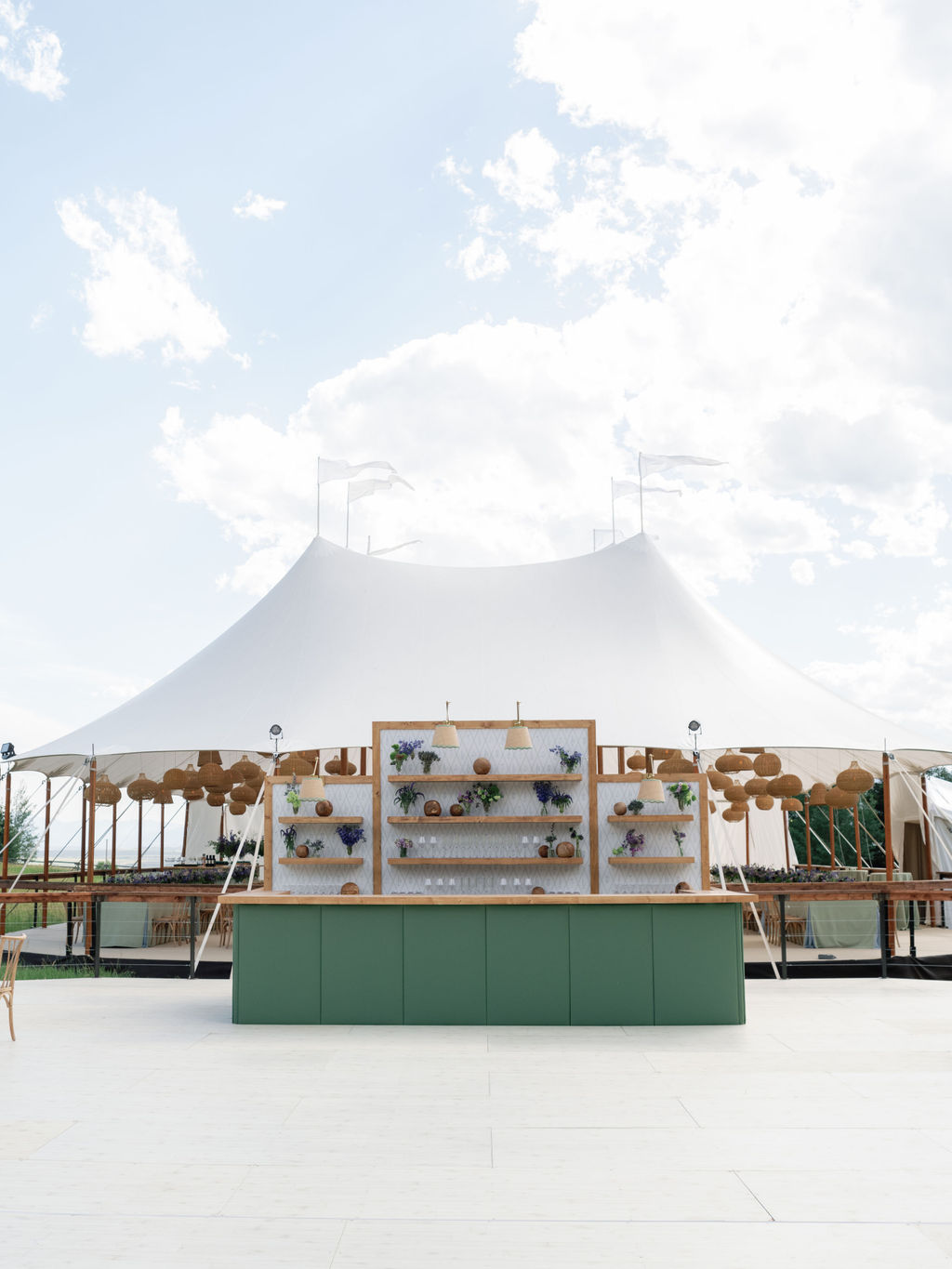
Tent layout affects airflow, temperature distribution, and overall cooling efficiency. Poorly arranged furniture, staging, or equipment can obstruct circulation and trap heat within certain sections of the tent.
A cooling-focused layout improves airflow while supporting guest comfort and operational efficiency.
Designing Layouts That Support Airflow
Interior layouts should encourage air movement rather than restrict it. Large furniture clusters, closed partitions, and overcrowded seating areas often create stagnant zones where heat accumulates.
Well-planned layouts improve:
- Air circulation between guest areas
- Cooling coverage across the tent interior
- Guest movement without congestion
Maintaining open pathways also helps cooling systems distribute conditioned air more evenly throughout the structure. Read more in Air Conditioned Tent Rentals for Backyard Summer Parties.
High-Traffic Areas and Guest Comfort Zones
Certain areas generate more heat because of crowd density and activity levels. Bars, dance floors, catering stations, and entrances typically require additional airflow support.
Portable cooling accessories such as fans and misting systems work especially well in these zones. Cooling stations can also be incorporated into lounge areas to provide temporary relief during extreme heat conditions.
By identifying heat-prone areas in advance, planners can position cooling equipment more effectively and maintain consistent comfort across the entire event.
Smart Climate Control and Summer Event Preparedness
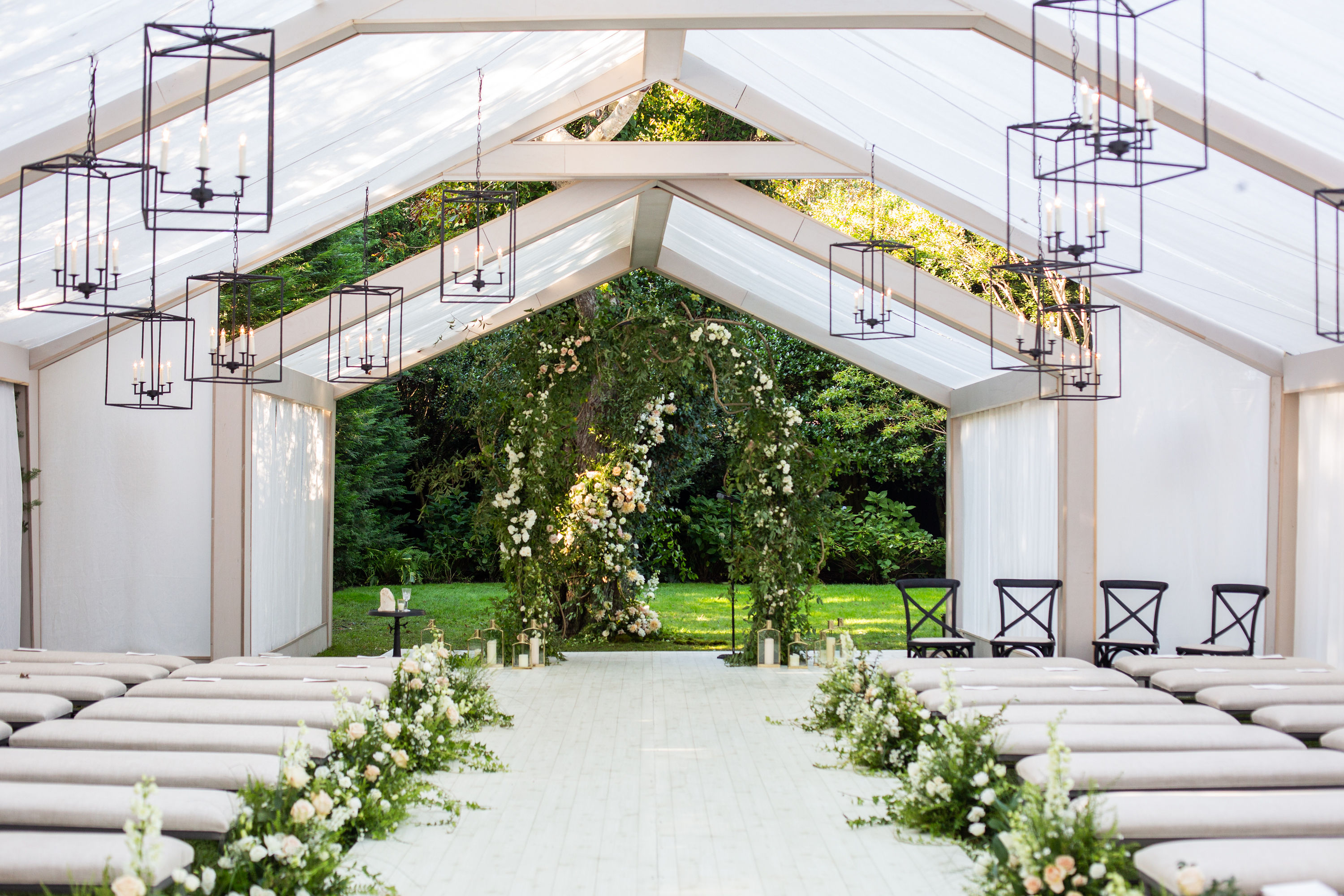
Modern event cooling systems increasingly rely on smart technology and proactive monitoring to maintain stable conditions. Automated systems improve efficiency while reducing the need for constant manual adjustments.
Preparing for changing weather conditions is equally important, especially during long outdoor events.
Real-Time Monitoring and Smart Cooling Systems
Smart climate-control systems use sensors to monitor temperature, humidity, and airflow throughout the event. These systems automatically adjust cooling output to maintain target conditions.
Smart climate-control advantages include:
- Real-time temperature monitoring
- Automated cooling adjustments based on occupancy
- Improved energy efficiency and system performance
Data-driven systems also allow operators to identify hotspots quickly and respond before guest comfort is affected.
Backup Cooling Plans and Equipment Maintenance
Summer weather conditions can change rapidly, making backup planning essential. Cooling equipment failures or unexpected heat waves can disrupt events if contingency measures are not in place.
Preparation strategies should include:
- Backup fans and portable cooling units
- Equipment inspections before installation
- Emergency response procedures for heat spikes
Routine cleaning and maintenance also improve cooling performance by preventing blocked airflow and reducing system strain.
Well-maintained equipment operates more efficiently and reduces the likelihood of interruptions during critical event periods.
Frequently Asked Questions
What is the best way to cool an event tent during summer?
The most effective strategy combines ventilation, shading, and properly sized mechanical cooling systems. Air conditioning units, fans, and airflow-focused layouts work together to maintain comfortable temperatures inside the tent.
Do open-sided tents stay cooler than enclosed tents?
Yes, open-sided tents generally remain cooler because they allow natural airflow to circulate freely. Enclosed tents often require additional ventilation and cooling systems to maintain comfort during hot weather.
How important is tent orientation for temperature control?
Tent orientation is extremely important because it affects sun exposure and airflow access. Proper positioning reduces heat buildup and improves natural ventilation throughout the event.
Are evaporative coolers effective for event tents?
Evaporative coolers can be highly effective in dry climates. They cool the air using water evaporation and consume less energy than traditional air conditioning systems.
Why does tent layout affect cooling performance?
Layout influences how air moves throughout the space. Obstructed pathways and overcrowded areas reduce airflow and create heat pockets that make cooling systems less effective.
What tent type works best for summer cooling?
Open-sided, sailcloth, and clearspan tents often provide the best cooling performance because they support airflow and integrate well with ventilation and climate-control systems, highlighting the advantages of sailcloth tent designs for outdoor events.
How can I prepare for unexpected heat during an outdoor event?
Prepare by having backup cooling equipment available, monitoring weather forecasts, and implementing contingency plans for extreme temperatures. Real-time monitoring systems also help operators respond quickly to changing conditions.
Conclusion
Keeping event tents cool during summer requires a combination of ventilation, shading, climate-control systems, and operational planning. Every factor, from tent type and orientation to layout and equipment placement, contributes to overall comfort and cooling efficiency. Read more in How Do You Keep Guests Cool Inside A Summer Wedding Tent.
Skyline Tent Company plays a key role in providing expert tent solutions and climate control options that help ensure successful summer events.
When passive and mechanical cooling strategies are integrated properly, event tents can maintain stable, comfortable environments even during periods of intense summer heat. Proper airflow, strategic shading, and real-time monitoring all help reduce heat buildup and improve guest experience throughout the event.
Answers to common rental questions are in our tent rental FAQs.