
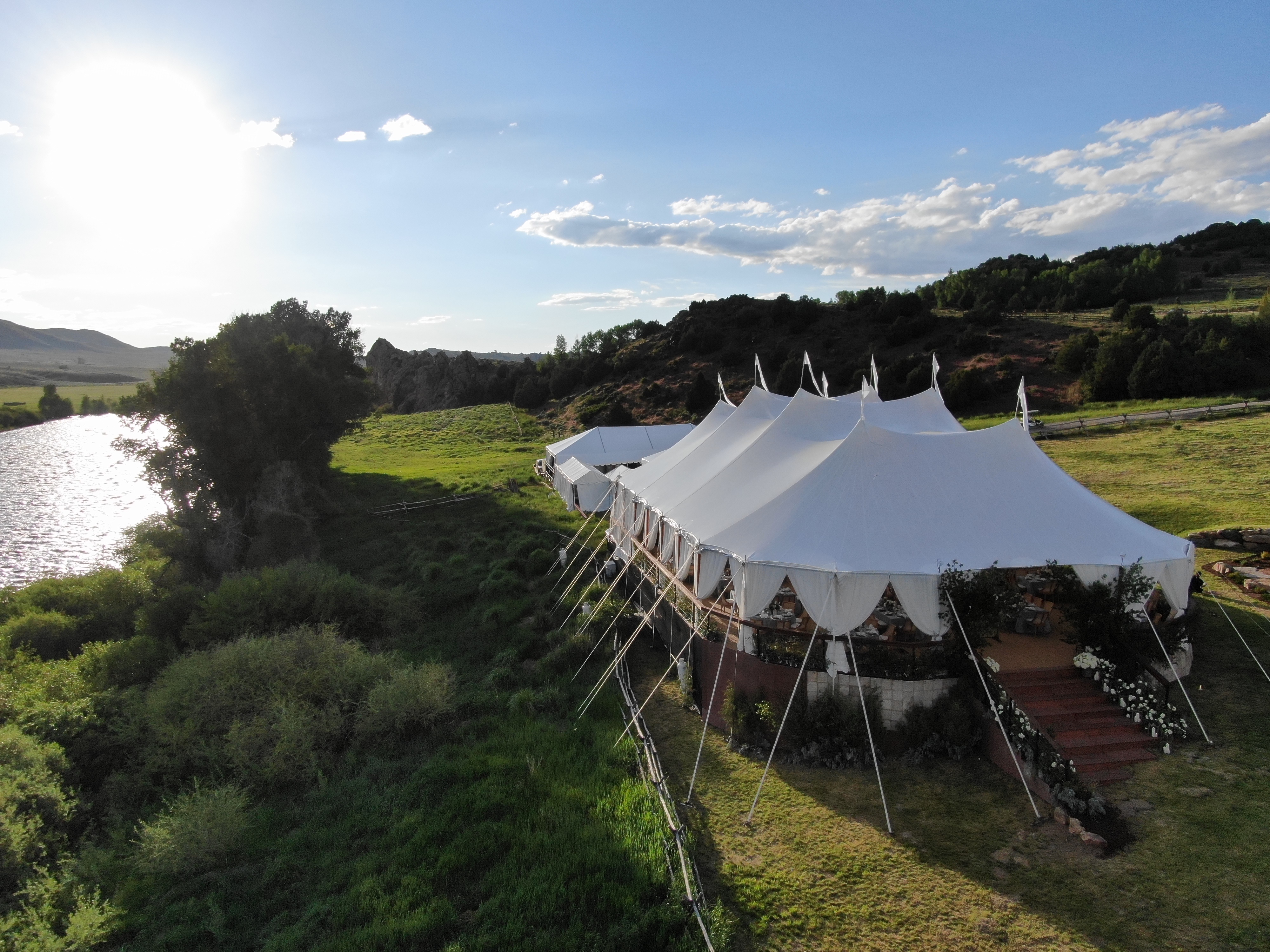
Mountain and alpine weddings create unforgettable experiences by combining breathtaking scenery with intimate outdoor celebrations. Snow-capped peaks, dramatic valleys, alpine forests, and panoramic landscapes provide a naturally romantic setting that many couples dream of for their wedding day. However, planning a wedding at high-altitude venues introduces unique logistical and environmental challenges that require careful preparation. Weather unpredictability, uneven terrain, wind exposure, temperature fluctuations, and accessibility issues all affect how outdoor wedding infrastructure should be designed and installed.
Selecting the right tent structure becomes one of the most important decisions in the planning process because the tent must provide both weather protection and an elegant event atmosphere. Clearspan tents offer strong structural performance and open interiors for luxury receptions, while frame and pole tents provide additional flexibility depending on the venue conditions and guest requirements. In mountain environments, the tent is more than a shelter, it becomes the central venue that supports guest comfort, climate control, lighting systems, dining layouts, and operational logistics.
High-altitude outdoor weddings also require strategic planning for flooring systems, heating solutions, ventilation, vendor coordination, and transportation logistics. Every detail must work together to ensure the event remains safe, visually refined, and operationally efficient regardless of changing weather conditions.
When the right tent systems, infrastructure solutions, and design strategies are combined thoughtfully, mountain and alpine weddings become extraordinary outdoor experiences that balance natural beauty, luxury presentation, and weather-ready performance.
Choosing the Best Weather-Ready Tent Structures for Mountain Weddings
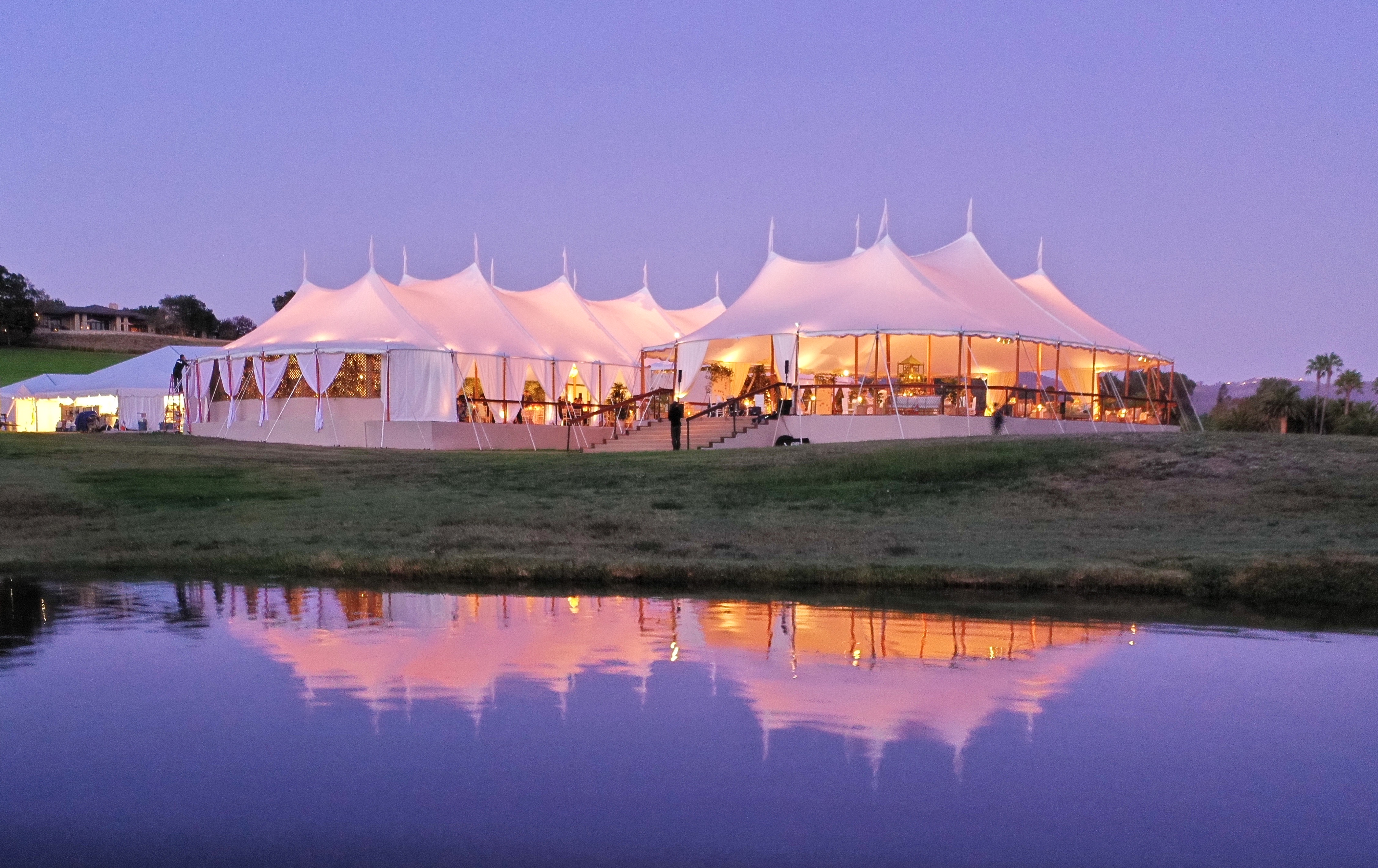
High-altitude wedding venues require tent systems capable of handling strong winds, temperature shifts, and changing weather patterns while maintaining an elegant appearance. The tent structure selected directly affects guest comfort, operational flexibility, and overall event reliability.
Understanding how different tent systems perform in alpine environments helps couples make better tent venue decisions for their wedding.
Clearspan Tents for Luxury Alpine Wedding Venues
Clearspan tents are among the most effective options for mountain weddings because they provide open interiors without center poles while delivering exceptional structural durability. Their engineered aluminum framework allows them to perform reliably in high-wind and challenging weather conditions.
Clearspan structures offer several major advantages:
- Open interiors with unobstructed sightlines
- Strong resistance to wind and heavy weather
- High ceilings for lighting and floral installations
These tents are ideal for luxury receptions because they support chandeliers, suspended décor, climate-control systems, and sophisticated lighting infrastructure without compromising layout flexibility.
Their modular design also allows planners to customize the space for dining, dancing, ceremonies, and lounge areas while maintaining a cohesive event environment.
Frame and Pole Tents for Alpine Wedding Flexibility
Frame tents remain popular for mountain weddings because they can be installed across varied terrain types including gravel, grass, and uneven alpine surfaces. Their adaptable framework allows installation in tighter or irregular outdoor spaces where larger engineered systems may be difficult to position.
Additional mountain wedding tent options include:
- Frame tents for adaptable venue layouts
- Pole tents for traditional alpine wedding aesthetics
- Sailcloth tents for softer luxury ambiance
Pole tents create dramatic peaks and classic visual appeal that complement natural mountain landscapes beautifully. Sailcloth tents introduce elegant architectural lines and translucent fabric that create warm daytime lighting effects.
Choosing the right structure depends on guest count, weather exposure, venue accessibility, and the desired wedding atmosphere.
Planning Guest Capacity and Tent Layouts for Alpine Venues
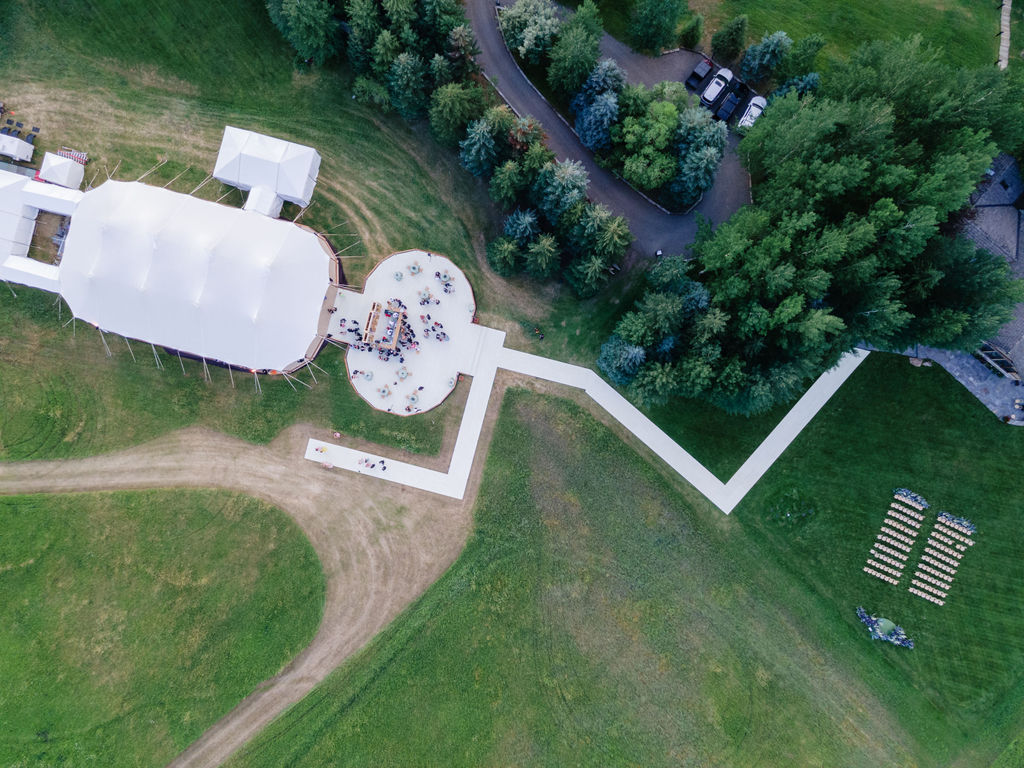
Mountain weddings require thoughtful layout planning because outdoor conditions, terrain limitations, and operational logistics all influence how event spaces function. Guest comfort and circulation should remain priorities throughout the design process.
Well-organized layouts help create wedding environments that feel spacious, comfortable, and visually connected to the surrounding scenery.
Determining Tent Size for Mountain Wedding Guest Counts
Tent sizing should account for more than basic seating capacity. Couples must also consider dance floors, catering operations, staging, lounge spaces, and climate-control infrastructure.
Several factors influence tent sizing decisions:
- Total guest count and seating arrangement style
- Space for entertainment and dining zones
- Additional room for heating or weather contingencies
Formal seated dinners typically require more square footage than cocktail-style receptions because tables, service aisles, and staging occupy significant space within the structure.
Mountain weddings may also require additional circulation space because guests often wear heavier seasonal attire or navigate more complex terrain conditions.
Designing Functional Layouts for Outdoor Wedding Flow
A successful alpine wedding layout balances aesthetics with operational functionality. Guests should be able to move comfortably between ceremony areas, reception spaces, dining zones, and outdoor scenic areas without congestion.
Effective layout planning improves:
- Guest circulation and accessibility pathways
- Visibility for speeches and entertainment
- Comfort within dining and lounge areas
Clearspan tents are particularly effective because their open interiors allow flexible arrangements without visual obstructions caused by center poles.
Carefully designed layouts also help planners create designated spaces for photography, cocktail hours, and scenic guest interaction zones throughout the venue.
Climate Control and Comfort Solutions for High-Altitude Wedding Tents
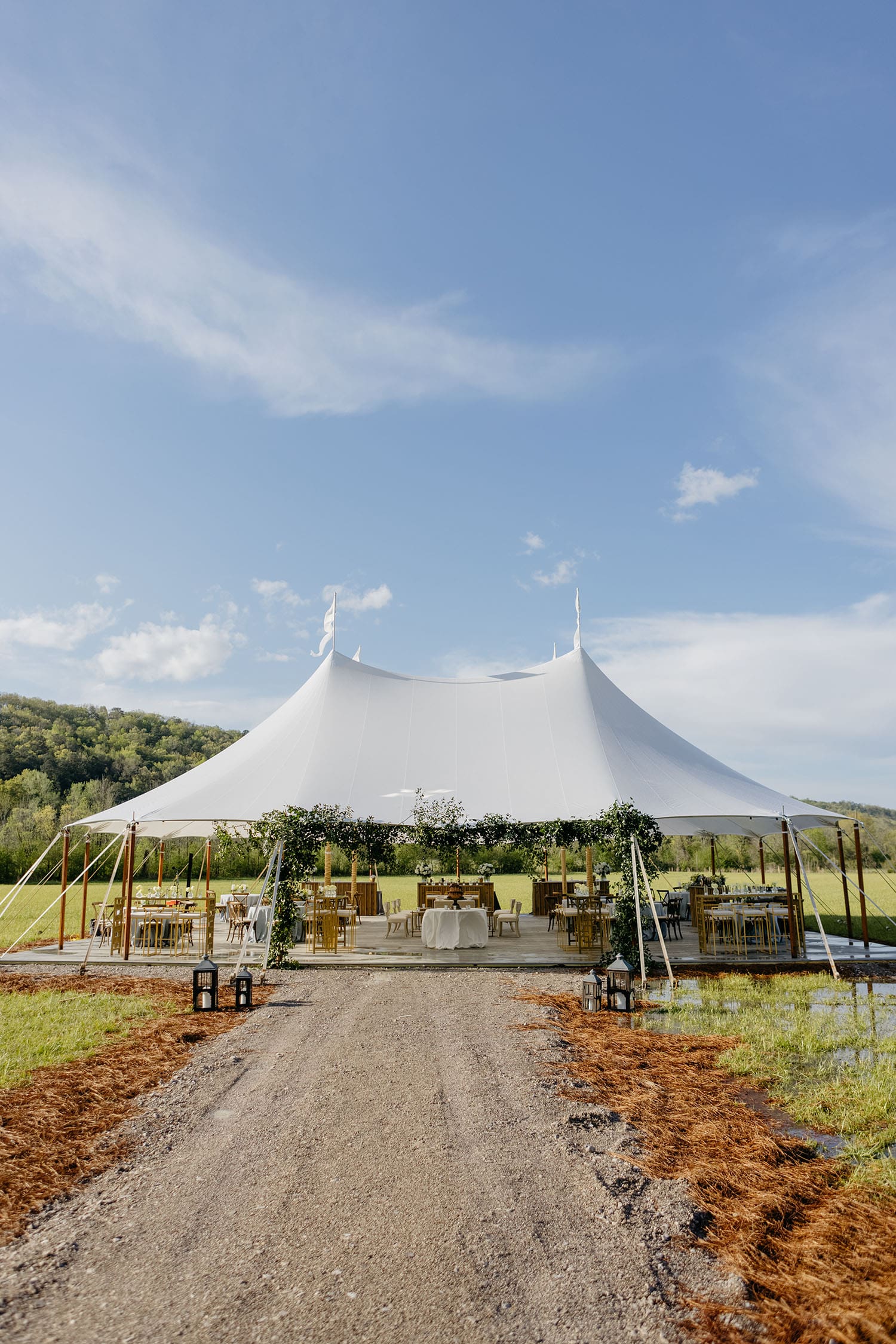
Mountain weather can change rapidly throughout the day, especially at higher elevations where temperatures often fluctuate significantly between daytime and evening hours. Climate-control systems are essential for maintaining guest comfort and operational stability.
Heating, ventilation, and airflow management should be integrated into the planning process from the beginning.
Heating Systems and Temperature Management
Cold evening temperatures are common in alpine environments, even during warmer months. Proper heating systems help maintain comfortable indoor conditions throughout the celebration.
Effective alpine wedding heating solutions may include:
- Portable heating systems for evening receptions
- Integrated HVAC systems for enclosed tents
- Ventilation setups that improve airflow circulation
Clearspan tents are particularly effective for enclosed climate-controlled environments because they support insulated sidewalls and integrated heating infrastructure more efficiently.
Maintaining stable temperatures improves guest comfort while protecting floral installations, catering operations, and technical equipment from weather-related complications.
Weatherproofing and Ventilation Strategies
Mountain weather often includes sudden rain, wind gusts, and humidity fluctuations that can affect both guests and tent performance. Proper ventilation and weatherproofing systems help maintain stable indoor conditions.
Important climate-management considerations include:
- Waterproof sidewalls and reinforced tent anchoring
- Ventilation systems that reduce condensation buildup
- Strategic airflow planning for guest comfort
Ventilation is especially important because enclosed tents can trap humidity and heat during crowded receptions without proper airflow management.
By combining weatherproofing systems with efficient ventilation, planners create safer and more comfortable environments using proven mountain weather solutions throughout the event.
Flooring, Lighting, and Luxury Design Elements for Alpine Weddings
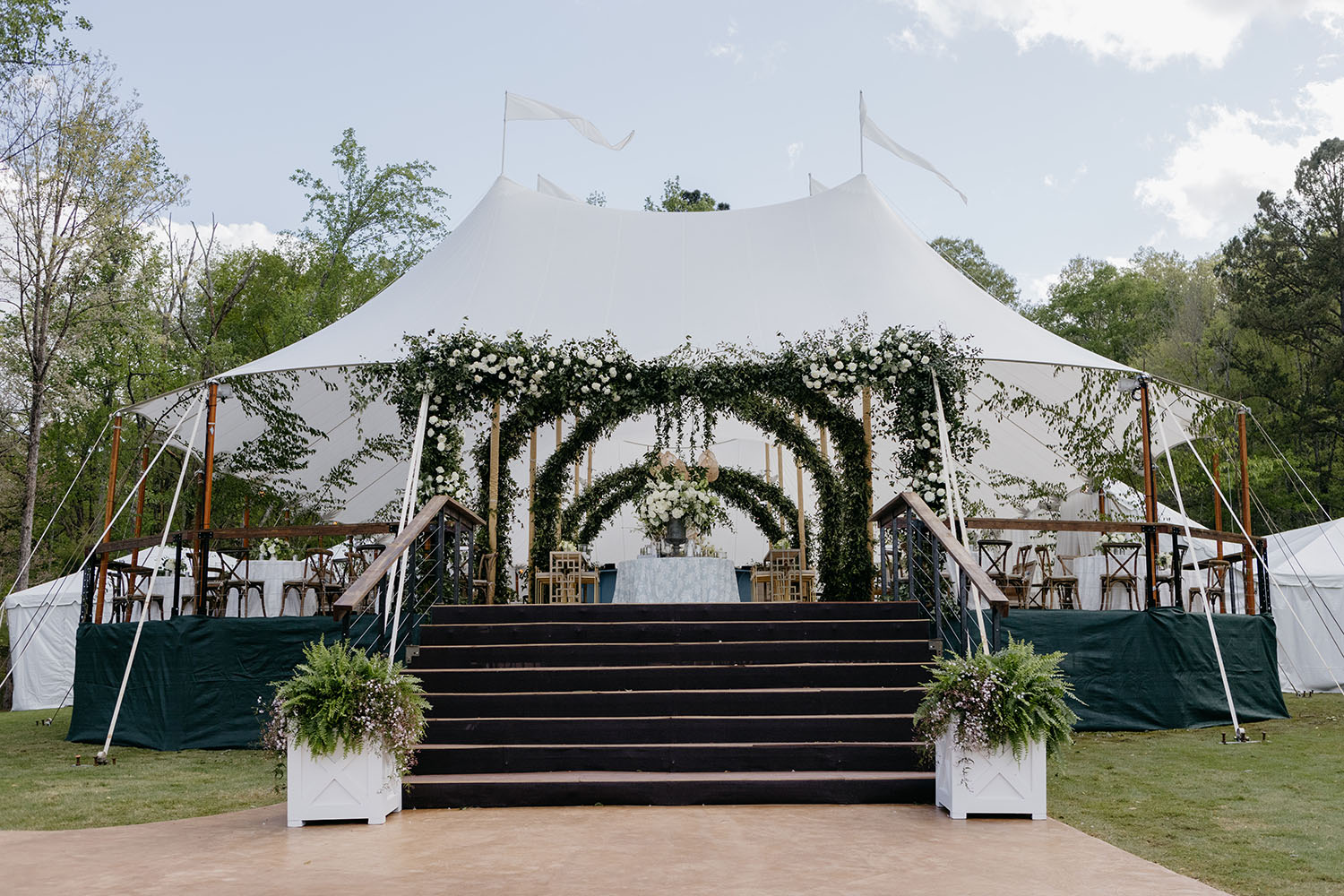
Luxury mountain weddings rely heavily on visual atmosphere and guest comfort. Flooring systems, lighting design, and décor elements help transform temporary tent structures into refined and immersive event environments.
These details should complement the natural alpine setting while enhancing operational functionality.
Flooring Systems for Uneven Mountain Terrain
Mountain venues often feature sloped or uneven terrain that requires stabilization before guests can comfortably move throughout the event space.
Popular alpine wedding flooring solutions include:
- Raised flooring systems for uneven ground stabilization
- Hardwood flooring for luxury reception aesthetics
- Carpet installations for warmth and comfort
Raised flooring systems are especially important in alpine environments because they create stable walking surfaces while protecting guests from moisture or irregular terrain conditions.
Flooring layouts also help organize movement between dining areas, dance floors, ceremony spaces, and lounge zones more effectively.
Lighting Design for Scenic Outdoor Wedding Atmosphere
Lighting dramatically influences how guests experience mountain weddings during evening celebrations. A well-designed lighting strategy enhances scenery, improves visibility, and creates emotional atmosphere throughout the venue.
Professional alpine wedding lighting often includes:
- Chandeliers for elegant focal points
- String lighting for warm ambient illumination
- Accent lighting that highlights mountain scenery
Layered lighting techniques improve depth and visual balance while helping define dining areas, pathways, and outdoor gathering spaces.
Warm lighting tones pair especially well with natural mountain landscapes, creating intimate environments that feel romantic and visually cohesive.
Managing Site Logistics and Installation Challenges at High Altitudes
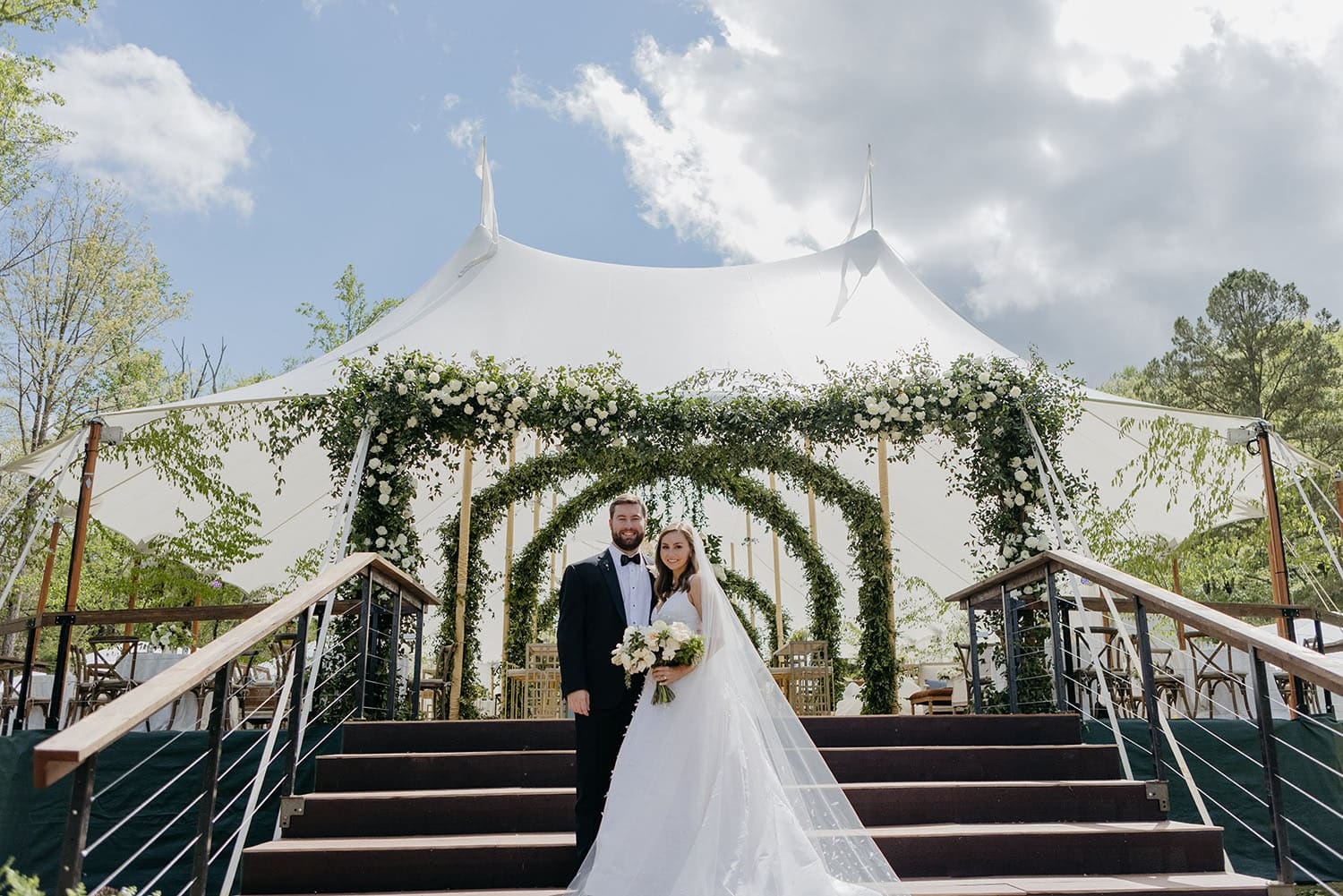
Mountain wedding venues present unique logistical challenges because of remote access routes, terrain limitations, weather exposure, and environmental restrictions. Proper coordination is essential for maintaining efficient installation and safe operations.
Strong logistical planning reduces operational risks while improving event execution.
Site Assessments and Venue Preparation
Every alpine venue should undergo a detailed site assessment before installation begins. These evaluations help identify potential obstacles and determine the best strategies for tent placement and infrastructure setup.
Important site-planning considerations include:
- Ground stability and drainage conditions
- Accessibility for trucks and installation crews
- Emergency access and weather contingency planning
Mountain environments may also require additional anchoring systems and specialized equipment to ensure structural stability during unpredictable weather conditions.
Detailed site preparation improves both safety and operational efficiency throughout setup and breakdown.
Vendor Coordination and Operational Planning
Mountain weddings often involve multiple vendors working within limited timeframes and difficult terrain conditions. Coordinating schedules and logistics carefully helps prevent delays and operational confusion.
Strong operational planning improves:
- Communication between vendors and installation teams
- Transportation efficiency for equipment delivery, including reliable remote event power for mountain venues.
- Safety oversight during setup and event operations
Technical walkthroughs and weather contingency rehearsals are especially important for alpine weddings because sudden environmental changes can affect operations quickly.
Organized scheduling also helps reduce congestion at remote venues where access points may be limited.
Frequently Asked Questions
What tent type works best for mountain weddings?
Clearspan tents are often the best option because they provide strong weather resistance, open interiors, and support for climate-control systems and luxury décor installations.
Why are climate-control systems important for alpine weddings?
Mountain temperatures can fluctuate rapidly, especially during evenings. Heating and ventilation systems help maintain guest comfort throughout the event.
How do flooring systems improve mountain wedding venues?
Flooring stabilizes uneven terrain, improves accessibility, protects guests from moisture, and enhances the overall visual presentation of the venue.
Are frame tents suitable for alpine environments?
Yes. Frame tents are versatile and adaptable to uneven terrain, making them effective for many mountain wedding venues.
Conclusion
Mountain and alpine weddings create extraordinary outdoor experiences that combine breathtaking scenery with intimate and elegant event environments. However, high-altitude venues also introduce unique logistical and environmental challenges that require careful planning and weather-ready infrastructure solutions.
Skyline Tent Company understands the specialized requirements involved in designing weather-ready tent environments for high-altitude celebrations. Their expertise in luxury tent structures, climate-control integration, alpine site logistics, and customized event infrastructure helps couples create outdoor wedding experiences that remain elegant, comfortable, and operationally reliable despite changing mountain conditions.
With thoughtful preparation, professional coordination, and carefully selected tent systems, mountain weddings can successfully balance natural beauty, luxury presentation, and guest comfort to create unforgettable alpine celebrations.